What Rose Has 100 Petals? Discover the Beauty of the Unique Rosa Centifolia
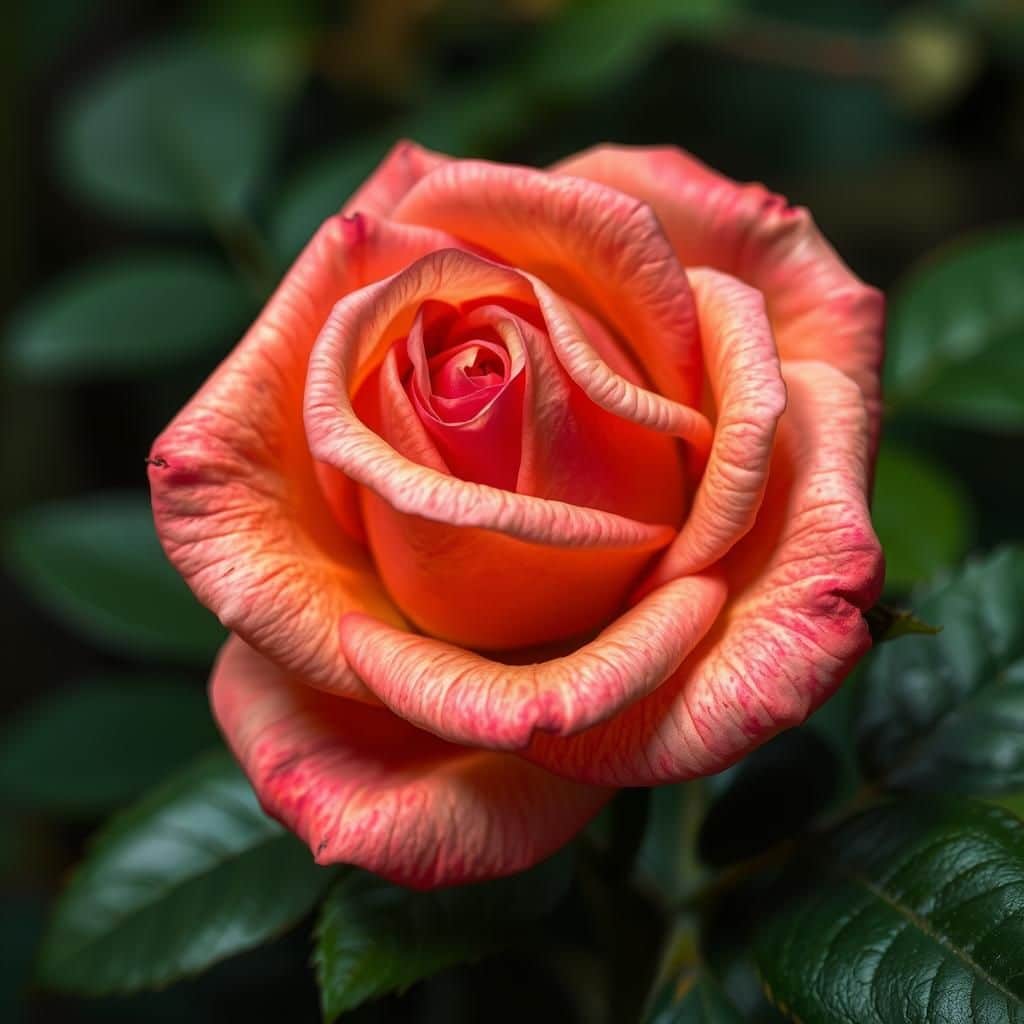
The Rosa Centifolia, commonly known as the cabbage rose, is a stunning variety that captivates with its remarkable 100 petals. Highly regarded for its lush appearance and delightful fragrance, this unique flower has a rich history and has been cherished in gardens and perfumeries alike. Often associated with romance and beauty, the Rosa Centifolia showcases a delicate yet robust character that makes it stand out among its peers. In this article, we will explore the characteristics, history, and cultivation of this exceptional rose, revealing why it remains a beloved choice for flower enthusiasts around the world.
What Rose Has 100 Petals?
The rose that is famously known for having 100 petals is the 'Centifolia' rose, often referred to as the 'Cabbage Rose'. This variety is renowned for its lush and fragrant blooms that are densely packed with petals, creating a stunning visual display. Originating from the Netherlands, the Centifolia rose has been cultivated since the 17th century and is cherished for its soft pink color and heavy fragrance. These roses are commonly used in the production of perfumes due to their rich scent and have a historical significance in various cultures, symbolizing romance and beauty.
Origins of the Centifolia Rose
The Centifolia rose originated in the early 17th century in the Netherlands. It is a hybrid of several species and was bred specifically for its abundant petals and fragrance. This rose is deeply rooted in history, as it has been referenced in literature and art, illustrating its revered status among rose enthusiasts. Over time, its popularity spread across Europe and into the gardens of royalty, solidifying its place in the world of horticulture.
Characteristics of the Centifolia Rose
This remarkable rose is distinguished by its large blooms, which typically have 100 petals arranged in a lush, cupped formation. The petals are often soft pink or white, and the fragrance is one of the most sought-after in perfumery. Centifolia roses have a bushy habit, reaching heights of up to 4 feet, making them an attractive addition to gardens. Their beauty and fragrance make them a favorite among florists and gardeners alike.
Cultural Significance
Throughout history, the Centifolia rose has held significant cultural value. It has been associated with romantic love, often gifted on special occasions such as weddings and anniversaries. In literature, the rose symbolizes beauty and transience. Furthermore, it has been used in various rituals and ceremonies, representing themes of passion and affection. Its mention in classical poetry and modern music highlights its enduring appeal across generations.
Use of Centifolia Roses in Perfumery
The Centifolia rose's oil is a key ingredient in many high-end perfumes, known for its rich and complex aroma. This essential oil is highly valued in the fragrance industry because it captures the essence of spring, evoking feelings of warmth and romance. The process of extracting the oil from the petals involves meticulous methods, as it requires thousands of flowers to produce a small quantity of the rose oil. This makes it a precious commodity, often referred to as liquid gold in the perfume world.
Cultivation and Care of Centifolia Roses
Cultivating Centifolia roses requires specific conditions to thrive successfully. They prefer well-drained soil with a slightly acidic pH and flourish in full sunlight conditions. Regular watering is essential, particularly during dry spells, to prevent the plants from becoming stressed. Additionally, they benefit from pruning post-bloom to encourage healthy growth. Pest management is crucial, as they can be susceptible to common rose pests, necessitating routine inspections.
| Aspect | Details |
|---|---|
| Petal Count | Approximately 100 |
| Color | Soft pink, sometimes white |
| Height | Up to 4 feet |
| Origin | Netherlands |
| Fragrance | Rich and complex aroma |
What flower has 100 petals?

The flower that is known for having 100 petals is the 'Chrysanthemum'. Specifically, certain varieties of this flower, such as the 'Kiku' or Japanese Chrysanthemum, can have an impressive number of petals, sometimes reaching up to 100 or more. These flowers are celebrated not only for their intricate petal structure but also for their vibrant colors and forms, making them popular in gardens and floral arrangements.
Understanding Chrysanthemums
Chrysanthemums, often referred to as 'mums', have a rich history and cultural significance. They are native to Asia and northeastern Europe and have been cultivated for over 2,500 years. Their varieties can differ widely in size, shape, and color.
- Origins: Originating from China and later introduced to Japan, chrysanthemums are deeply rooted in Asian culture.
- Cultivation: Known for their resilience, they thrive in various climates and can bloom in late summer to fall.
- Symbolism: In many cultures, they symbolize joy, longevity, and rejuvenation.
Characteristics of the 'Kiku' Chrysanthemum
The 'Kiku' variety of chrysanthemum is particularly notable for its large, layered blooms, which can possess up to 100 petals. These flowers are meticulously grown and often presented during festivals in Japan.
- Appearance: The 'Kiku' features dense, ruffled petals that form a spherical shape, giving the flower a lush appearance.
- Colors: These chrysanthemums come in a wide range of colors, including yellow, white, purple, and red.
- Growth conditions: They require well-drained soil, plenty of sunlight, and regular watering to flourish.
Cultural Importance of 100-Petal Flowers
In Japanese culture, the 'Kiku' chrysanthemum is celebrated during the Chrysanthemum Festival (Kiku Matsuri), where the beauty and significance of these flowers are showcased.
- Festival celebrations: The festival highlights the art of growing these intricate flowers and attracts thousands of visitors each year.
- Artwork and symbolism: The chrysanthemum is a symbol of the emperor and is featured in various forms of Japanese art.
- Historical significance: Historically, they have been associated with nobility and have been used in ceremonies since ancient times.
Growing and Caring for Chrysanthemums
Caring for chrysanthemums, especially varieties with many petals, involves understanding their specific needs to ensure vibrant blooms.
See also:
- Soil Requirements: They prefer rich, well-drained soils with good fertility.
- Watering Techniques: Regular, deep watering is essential, particularly during dry spells.
- Pest Management: Keeping an eye out for pests such as aphids and spider mites is crucial to maintaining healthy plants.
Varieties of Chrysanthemum with Many Petals
In addition to 'Kiku', several other chrysanthemum varieties feature a high petal count and unique characteristics.
- Pompon Chrysanthemums: Known for their small, round blooms, they can have numerous petals, forming a dense appearance.
- Spider Chrysanthemums: Recognizable by their long, slender petals that resemble spider legs, these varieties boast a high petal count.
- Decorative Chrysanthemums: Often used in arrangements due to their striking appearance and multitude of petals, they add beauty to any setting.
What does the 100 petal rose mean?
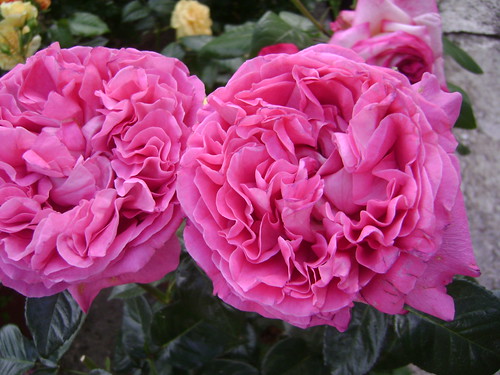
The 100 petal rose is a symbol deeply rooted in various spiritual and cultural traditions, often representing concepts such as completeness, holistic beauty, and the unfolding of wisdom. This emblem is frequently associated with the sacred geometry and spiritual awakening, illustrating the stages of personal development and the unfolding of consciousness. Each petal serves as a metaphor for different aspects of life, contribution to the greater whole, and interconnectedness of all things.
Symbolism of the 100 Petal Rose
The symbolism of the 100 petal rose encompasses multiple layers of meaning across different contexts. It often signifies spiritual growth and enlightenment.
- Spiritual Enlightenment: The number 100 represents the culmination of knowledge and realization.
- Unity: Each petal relates to a part of the whole, emphasizing oneness.
- Transformation: As petals unfold, they represent different stages of personal transformation.
Cultural Interpretations
Various cultures interpret the 100 petal rose differently. Its meaning can vary significantly based on regional traditions and beliefs.
- Eastern Traditions: Often associated with Buddhism, symbolizing the path to enlightenment.
- Western Art: Used in artworks to represent both beauty and complexity.
- Folklore: Many cultures have embraced floral symbolism in legends and myths.
Connection to Sacred Geometry
The 100 petal rose is often linked to sacred geometry, which relates to the patterns and codes of the universe. This connection highlights a deeper understanding of existence.
- Fibonacci Sequence: The rose can represent natural patterns found in growth.
- Flower of Life: It mirrors the essence of creation and interconnectedness.
- Patterns of Nature: Illustrates the mathematical and spiritual order of the universe.
Role in Meditation and Mindfulness
The 100 petal rose serves as a powerful tool in meditation and mindfulness practices, encouraging individuals to focus on personal growth and clarity.
- Visualization: Practitioners visualize each petal as they unfold layers of consciousness.
- Intentional Focus: Allows individuals to set intentions clearly.
- Emotional Healing: Facilitates emotional release and acceptance.
Artistic Representations
In the realm of art, the 100 petal rose is a popular motif that artists use to convey profound messages and themes about life and existence.
- Paintings: Artists often depict roses with intricate detail to symbolize complex thoughts.
- Sculpture: Three-dimensional interpretations can highlight beauty and fragility.
- Literature: The rose often appears as a metaphor in poetry and narratives.
What type of rose has the most petals?
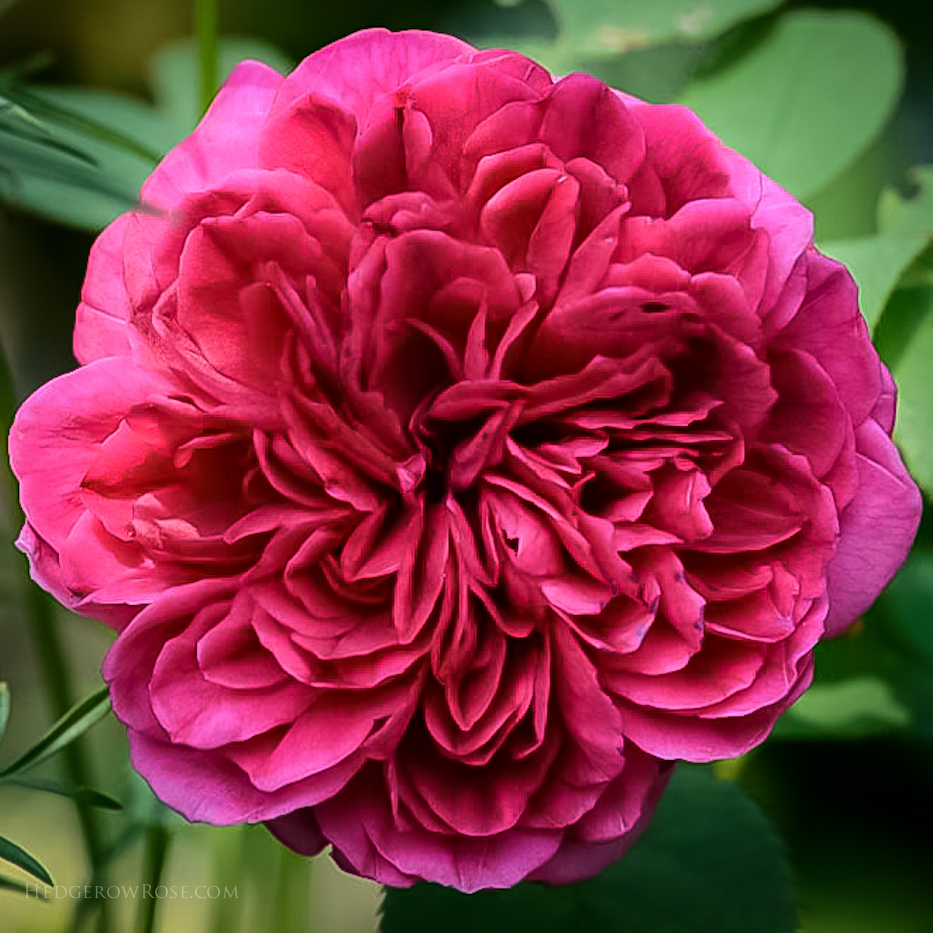
The type of rose that is known to have the most petals is the 'Cabbage Rose', also known as the 'Duchess de Brabant'. This variety is part of the Damascena group of roses and is cherished for its lush blooms. Cabbage roses can have as many as 100 to 200 petals per flower, making them one of the most petal-rich varieties available.
Characteristics of Cabbage Roses
Cabbage roses are renowned for their stunning, full blooms. Their petals are tightly packed, creating a rich texture and a beautiful rounded shape. Here are some defining features:
- Fragrance: Cabbage roses are often highly fragrant, offering a sweet and unmistakable scent.
- Color Variations: These roses come in various colors, including pink, white, and red.
- Growth Habit: They typically have a bushy growth habit, making them ideal for garden beds and borders.
Other Notable Rose Varieties with Many Petals
While the Cabbage rose leads with petal count, several other varieties also boast numerous petals. These include:
- Gallica Roses: Known for their historical significance and lush blooms, they often have 50-100 petals.
- Chrysanthemums Roses: Resembling chrysanthemums, these can contain up to 100 petals.
- Old Garden Roses: Many of these roses have been cultivated over centuries and are known for their dense petal arrangements.
Growing Tips for Cabbage Roses
To successfully grow Cabbage roses, specific conditions and care practices are beneficial:
See also:
- Soil Requirements: They thrive in well-drained, fertile soil with a pH of 6.0 to 6.8.
- Sunlight Needs: Cabbage roses prefer full sun, ideally receiving at least 6 hours of sunlight daily.
- Watering: Regular watering is crucial, especially during dry spells, to maintain healthy blooms.
Uses of Cabbage Roses
Cabbage roses are versatile and can be used in various ways:
- Ornamental: They are ideal for ornamental gardens, providing beauty and fragrance.
- Making Rosewater: Their petals can be harvested to create fragrant rosewater.
- Cut Flowers: Their robust blooms make excellent cut flowers for floral arrangements.
Care and Maintenance of Cabbage Roses
Proper care and maintenance are essential for the health of Cabbage roses:
- Pruning: Regular pruning helps maintain shape and encourages new growth.
- Pest Management: Keep an eye out for common pests and treat them promptly to avoid damage.
- Fertilization: Use a balanced fertilizer every spring to promote healthy growth and blooming.
What do 100 roses mean?

The act of gifting 100 roses is a gesture that is often associated with deep and profound love. In the language of flowers, also known as florography, each quantity of roses carries its own significant meaning. When someone presents 100 roses, it typically symbolizes a completion of a heartfelt sentiment or an ultimate declaration of love. This extravagant number suggests that the giver's feelings are not only sincere but also overwhelming, and it can convey a message of eternal affection.
Symbolism Behind 100 Roses
The number 100 in the context of roses encapsulates a variety of positive meanings. It signifies completeness and perfection, showcasing the giver's desire to express their feelings in the most profound manner possible.
- Unconditional Love: Gifting 100 roses represents love without conditions, celebrating the essence of true romance.
- Devotion: It implies a level of commitment that echoes strength and dedication to the relationship.
- Timelessness: The gesture alludes to eternal love, indicating that the giver's affections are timeless and unchanging.
Occasions for Gifting 100 Roses
Presenting 100 roses is not an everyday occurrence; it typically resonates with particular milestones or special occasions that warrant such an extravagant display of affection.
- Anniversaries: It’s a grand way to celebrate significant anniversaries, signifying the endurance of love over the years.
- Engagements: The act can also symbolize a passionate proposal or the celebration of an engagement.
- Birthdays: Surprising a loved one on their birthday with such a gift leaves a memorable impression.
The Color of 100 Roses
The color of roses also plays a crucial role in defining the message behind this lavish gift. Each color has its own symbolism, enhancing the meaning conveyed alongside the quantity.
- Red Roses: They universally symbolize romantic love and passion, fortifying the declaration of love with 100 red roses.
- Pink Roses: These convey admiration and gratitude, perfect for expressing deep appreciation alongside love.
- White Roses: They signify purity and innocence, often associated with new beginnings in relationships.
How to Present 100 Roses
The presentation of 100 roses adds another layer to the sentiment behind the gift. The way in which roses are offered can significantly enhance the emotional weight of the gesture.
- Grand Bouquet: Create a stunning bouquet that stands out with vibrant greenery and beautiful wrapping.
- Surprise Delivery: Sending them as a surprise to a workplace or home can amplify the impact of the gesture.
- Include a Personal Note: Accompanying the roses with a heartfelt message can make the gift feel even more personal.
Cultural Interpretations of 100 Roses
Different cultures may interpret the gesture of giving 100 roses in various ways, emphasizing the diversity in floral symbolism globally.
- Western Culture: In Western contexts, it strongly represents love and commitment, often seen in romantic relationships.
- Eastern Culture: In some Eastern cultures, gifting roses can also imply respect and striving for harmony in relationships.
- Customs and Rites: Certain customs may include the offering of roses during specific ceremonies as a sign of good fortune and blessings.
Questions from Our Readers
What rose has 100 petals?
The rose that is often associated with having 100 petals is the Cabbage Rose, also known as Rosa centifolia. This rose variety is renowned for its dense and layered bloom, which can have a high petal count, making it visually impressive and fragrant.
How does the Cabbage Rose differ from other roses?
The Cabbage Rose differs from other varieties by its unique bloom structure and strong fragrance. Its petals are tightly packed, giving it a cabbage-like appearance, which is how it gets its name, and it often has a rich history in perfume production.
What are the uses of 100 petal roses?
Roses with around 100 petals, like the Cabbage Rose, are primarily used in gardening for their beauty and fragrance, but they are also popular in making rosewater and various essential oils due to their aromatic qualities.
Are 100 petal roses suitable for all climates?
While the Cabbage Rose can thrive in many garden settings, it prefers mild climates and may require protection in extreme temperatures. Therefore, it's important to consider your local climate conditions when cultivating these roses to ensure their health and vibrancy.
See also:

If you want to read more articles like What Rose Has 100 Petals? Discover the Beauty of the Unique Rosa Centifolia, we recommend you check out our Roses category.
Leave a Reply
Related Articles