Do Rose Thorns Have Poison? Understanding the Myths and Facts

Roses are often celebrated for their beauty and elegance, but their thorns evoke a sense of caution and curiosity. Many people wonder whether these sharp protrusions carry any form of poison, leading to a mix of myths and misconceptions. In this article, we will delve into the intriguing topic of rose thorns, separating fact from fiction. We will explore the biological characteristics of thorns, their purpose in the plant's survival, and whether they pose any toxic threats to humans or animals. By the end, readers will have a clearer understanding of the relationship between rose thorns and poison.
Do Rose Thorns Have Poison?
Rose thorns are typically not poisonous; they are merely sharp, pointed structures found on rose plants that serve as a defense mechanism against herbivores. While some plants possess thorns or spines that can inject toxins, the thorns of roses do not have this capability. When pricked by a thorn, the danger usually stems from the physical injury it causes rather than any toxic substance. It is worth noting that while the thorns are not poisonous, the rose plant can sometimes harbor bacteria or fungi that may lead to infection if the wound is not properly cared for.
Understanding Rose Thorns
Rose thorns are actually modified stems known as prickles, and they serve as a natural protection against animals. Unlike true thorns, which are modified leaves or branches, prickles are extensions of the epidermis and can vary in size and sharpness depending on the rose species. Their primary function is to deter herbivores from consuming the plant, allowing the rose to thrive in its environment.
Are Rose Thorns Dangerous?
While rose thorns are not poisonous, they can be dangerous in terms of injury. When someone is pricked by a thorn, the immediate concern is the potential for bleeding or pain. If the skin is broken, there is also a risk of infection from bacteria that can enter the wound. Proper cleaning and care of the wound are essential to prevent complications following a thorn injury.
Are There Any Poisonous Roses?
Although the thorns themselves of typical garden roses are not toxic, some parts of the rose plant, such as the seeds, can be mildly toxic if ingested. This toxicity is due to the presence of cyanogenic compounds that can release cyanide when metabolized. However, this risk is largely confined to humans consuming large quantities of the seeds, while animals are generally deterred by the plant's bitter taste.
Infection Risks Associated with Thorns
Injuries from rose thorns may lead to infections, particularly if the thorn carries bacteria from the plant’s surface. It's crucial to clean any wounds caused by thorns promptly and thoroughly. Symptoms of infection can include redness, swelling, warmth, and pus at the site of injury. If untreated, an infection can exacerbate and lead to more severe complications.
Preventing Thorn Injuries
To avoid injuries from rose thorns, individuals can take certain precautions while gardening. Wearing thick gloves, long sleeves, and protective eyewear can greatly reduce the chances of being pricked. Additionally, using gardening tools designed for rose maintenance can help handle plants safely while minimizing contact with thorns, ensuring a more pleasant gardening experience.
| Aspect | Detail |
|---|---|
| Type of Structure | Prickles (not true thorns) |
| Hazard | Injury from prick |
| Toxicity | No poisoning from thorns |
| Infection Risk | Possible if not cleaned |
| Prevention | Use gloves and tools |
What is the poison in rose thorns?
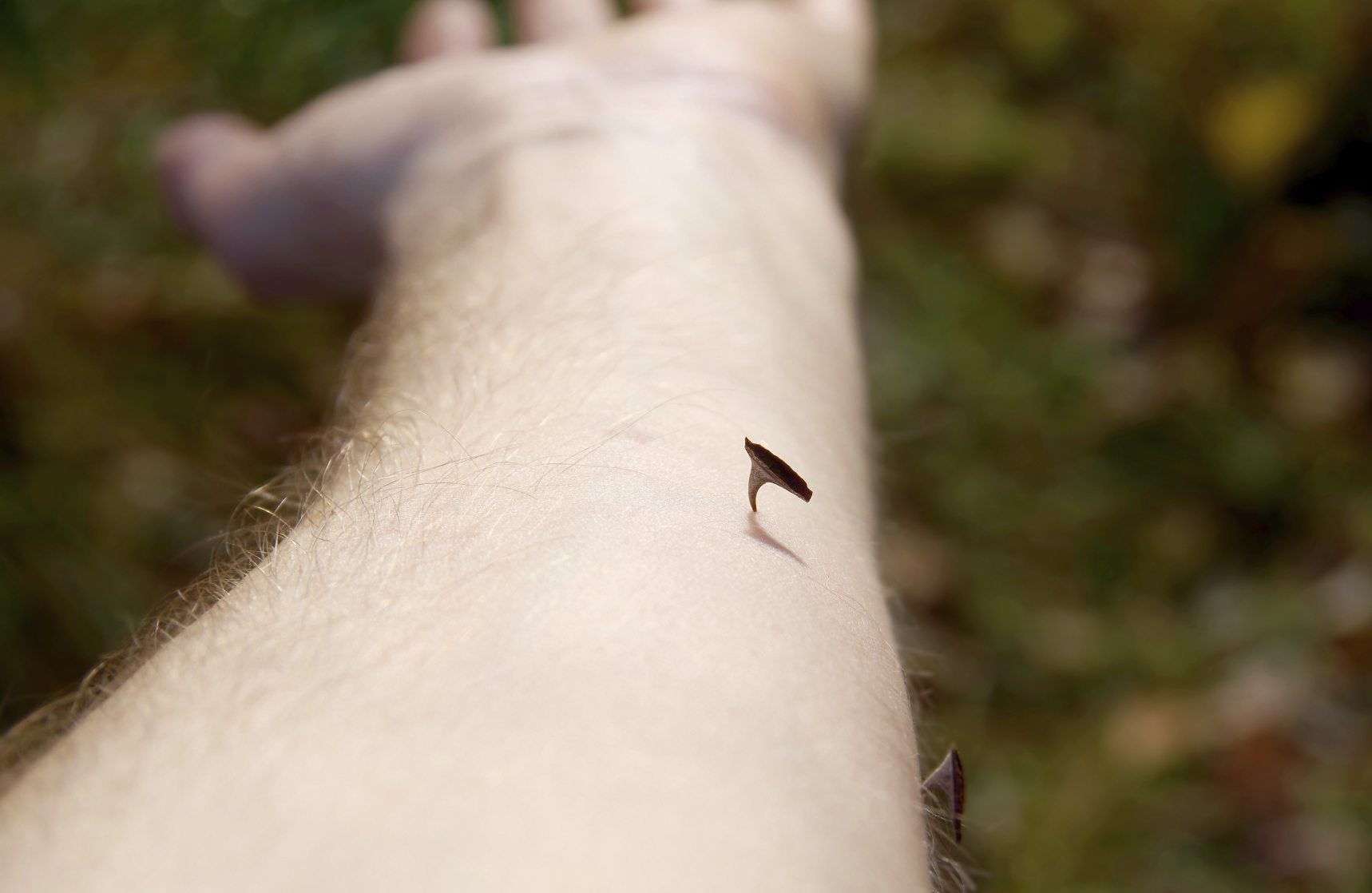
The poison in rose thorns is often misunderstood. In fact, rose thorns do not contain a specific toxin or venom. Instead, the danger associated with thorn injuries primarily stems from the introduction of bacteria into the wound. When a thorn punctures the skin, it can carry dirt and pathogens, which may lead to infections.
Natural Defense Mechanism
Rose thorns serve as a defensive mechanism for the plant. They are designed to deter herbivores and prevent damage to the delicate flowers and leaves. Unlike some plants that may have toxic substances in their tissues or thorns, roses rely on their sharp thorns to protect themselves.
- Thorns deter animals from eating the plant.
- They provide a physical barrier against herbivory.
- Ultimately, this allows the plant to thrive and reproduce.
Infection Risks
When a person gets pricked by a rose thorn, the main concern is not the thorn itself but the potential for infection. Thorns can introduce bacteria from the soil into the bloodstream through the skin. This can lead to conditions such as cellulitis or in severe cases, more serious infections.
- Bacteria such as Staphylococcus aureus and Streptococcus can enter the wound.
- Puncture wounds are often more difficult to clean than cuts.
- Ignoring signs of infection can lead to serious health issues.
Preventing Infections
To minimize the risk of infection after a thorn injury, it is essential to take proper care of the wound. Good hygiene practices and prompt treatment are recommended.
- Clean the wound immediately with soap and water.
- Apply an antiseptic to prevent bacterial growth.
- Monitor the wound for signs of inflammation such as redness, swelling, or pus.
Allergic Reactions
While not common, some individuals may experience allergic reactions to rose thorns or the substances they come into contact with. This can occur due to sensitivity to the plant itself or other elements present in the environment.
- Rashes may develop upon contact with the thorn.
- Symptoms can include itching, swelling, and redness.
- Severe reactions may require medical attention.
Safe Handling of Roses
When handling roses, it is crucial to be aware of their thorns and take precautions to avoid injury. Observing safe practices can make the experience pleasant and safe.
See also:
- Wear gloves to protect your hands when pruning or handling roses.
- Use sharp tools to minimize the risk of slipping and accidental pricks.
- Be mindful of your movements around thorny plants to avoid injuries.
What happens if you get pricked by a rose thorn?

When someone gets pricked by a rose thorn, it can lead to various reactions and outcomes depending on the individual's health, the nature of the thorn, and how the wound is treated. Here’s what typically happens:
Immediate Reaction to a Thorn Prick
When a rose thorn punctures the skin, the body reacts with an immediate response. The skin may become red, and the area surrounding the puncture might swell slightly. The pain level can vary depending on the depth of the prick and the individual’s pain tolerance.
- The sharpness of the thorn determines the level of discomfort.
- Some people experience sting or burning sensations at the site of the injury.
- The wound may lead to minor or severe bleeding, depending on how deep the thorn penetrated.
Infection Risks
A rose thorn can carry various bacteria, which poses the risk of infection. If proper care is not exercised, the pricked area can become infected. Signs of infection include increased redness, swelling, warmth, and pus formation.
- Thorns can introduce bacteria from the garden or plant's surface into the wound.
- People with weakened immune systems are at greater risk for infections.
- Infection can lead to cellulitis, a serious skin infection needing medical treatment.
Treatment of Thorn Injury
If pricked by a rose thorn, proper treatment is essential to minimize complications. Cleaning the wound adequately is the first step, followed by monitoring for any signs of infection.
- Wash the area with soap and water to remove any debris.
- Apply an antiseptic or antibiotic ointment to help prevent infection.
- Cover the wound with a sterile bandage to protect it from further irritation.
Allergic Reactions
In some cases, individuals may experience allergic reactions to the proteins found in the rose plant. Symptoms may vary from mild to severe and should be monitored closely.
- Itching and hives in response to coming into contact with the thorn.
- In rare cases, anaphylaxis, which is a severe, life-threatening allergic reaction.
- It is crucial for individuals with known allergies to carry an epinephrine auto-injector if prescribed.
When to Seek Medical Attention
While many cases of thorn pricks can be managed at home, there are circumstances when medical attention is necessary. Recognizing these signs can prevent further complications.
- Persistent pain and increasing redness that spreads from the wound.
- Fever or symptoms of feeling unwell that accompany the injury.
- Deep punctures that may require professional removal of the thorn or stitches.
What to do if you get stabbed by a rose thorn?

If you get stabbed by a rose thorn, it can be an unpleasant experience that might cause discomfort or even pain. Here are several steps you can follow to ensure proper management of the injury.
Assess the Injury
It is crucial to thoroughly examine the site of the injury. Look for any visible thorn pieces still embedded in the skin and determine the depth of the puncture. Assessing the injury can help you decide the next steps.
- Inspect the wound for any remaining thorn fragments.
- Evaluate the severity of the wound; minor punctures may require less intervention than deeper cuts.
- Check for signs of infection, such as redness, swelling, or pus.
Cleaning the Wound
Proper wound care is critical to prevent infection. Start by cleaning the area around the wound using the appropriate materials.
- Wash your hands thoroughly with soap and water.
- Rinse the wound gently under running water to remove any dirt or debris.
- Apply mild soap with water, then rinse and pat it dry.
Removing the Thorn
If you find that a thorn is still embedded in your skin, it’s important to remove it carefully to avoid further injury or infection.
- Use tweezers to grasp the thorn, pulling it out in the direction it entered.
- If the thorn is deep, do not use excessive force; seek medical attention instead.
- Wash the area again with soap and water once the thorn is removed.
Applying Antiseptic Treatment
After cleaning and removing the thorn, treating the area with an antiseptic will help prevent infection.
- Apply an antiseptic ointment to the cleaned wound to reduce the risk of infection.
- Cover the wound with a sterile bandage to protect it from dirt and bacteria.
- Change the dressing daily or when it becomes wet or dirty.
Monitor for Signs of Infection
It’s essential to keep an eye on the wound to detect any potential infections early. This can help you manage any complications effectively.
See also:
- Watch for increased redness or swelling around the wound.
- Look for warmth in the area of the stab, which can indicate infection.
- Be alert for discharge or pus, which may necessitate a medical visit.
Are rose stems poisonous to humans?

The stems of roses contain a variety of compounds, but they are not classified as poisonous to humans. However, there are some considerations to be aware of when handling rose stems:
1. Thorns: The most significant danger posed by rose stems comes from their thorns. These sharp protrusions can cause cuts or scratches on the skin, which may lead to infections or allergic reactions in some individuals.
2. Chemical Compounds: While the stems do not contain toxic substances in quantities that would harm humans, they may have certain chemicals that could irritate the skin. These include natural oils and compounds that could potentially cause sensitivity in certain people.
3. Allergic Reactions: Some individuals may experience allergic reactions or skin irritations when they come into contact with the sap or juices from the stems. Symptoms may include itching, redness, or swelling.
4. Handling Precautions: To safely handle rose stems, it is advisable to wear gardening gloves. This prevents any potential cuts from thorns and minimizes the risk of skin irritation.
5. Edibility of Roses: Interestingly, while the stems are not toxic, other parts of the rose plant, especially the petals, are often used in culinary applications. They are edible and can be included in various dishes, thus emphasizing that the rose plant itself is not poisonous.
Are Rose Stems Safe to Handle?
When handling rose stems, safety is crucial because the thorns present a physical hazard. They can easily puncture or scratch the skin, leading to pain and potential infections. Wearing gloves and being cautious is the best approach when working with roses, especially during pruning or arranging.
- Always wear gloves when handling.
- Look for sharp thorns and be mindful of your grip.
- Use pruning shears to avoid direct contact.
What Should You Do If You Get Poked?
If you happen to get poked by a thorn, it is essential to treat the wound properly to prevent infections. Clean the area with soap and water and apply an antiseptic. Monitoring for any signs of infection is important, as bacteria can enter through the broken skin.
- Wash the affected area thoroughly.
- Apply an antiseptic ointment.
- Cover with a clean bandage.
Can Rose Stem Sap Cause Allergies?
The sap from rose stems can cause allergic reactions in certain individuals. Symptoms may vary, including skin irritations or rash. It is advisable to wash your hands after handling roses to minimize the risk of exposure to those who might be sensitive to the sap.
- Test for allergies by handling a small piece.
- If a reaction occurs, consult a doctor.
- Avoid contact if you know you are allergic.
What Other Parts of the Rose Plant Are Edible?
Though the stems themselves aren't edible, the petals of roses are used in cooking and are perfect for garnishing dishes or making rose-flavored syrups. Many cultures around the world use rose petals in both sweet and savory dishes.
- Rose petals can be used in salads.
- They are often used in desserts like rose-flavored jellies.
- Some teas incorporate dried rose petals for flavor.
How to Prune Roses Safely?
Pruning roses is vital for their health but must be done safely. Correct techniques and tools can significantly reduce the risk of injury while ensuring the plant remains healthy and produces flowers.
- Use sharp and clean pruning shears.
- Wear protective gloves and long sleeves.
- Cut at a 45-degree angle to prevent water accumulation on cuts.
Questions from Our Readers
Do rose thorns have poison?
No, rose thorns do not contain poison. While the thorns are sharp and can cause pain if one gets pricked, they do not release any toxic substances into the body.
What happens if you get pricked by a rose thorn?
If you get pricked by a rose thorn, you may experience pain, redness, and swelling at the site of the puncture. In most cases, it is not serious, but it is important to clean the area to avoid infection.
See also:
Can a rose thorn cause an infection?
Yes, a rose thorn can potentially lead to an infection if the skin is broken and bacteria enter through the wound. Keeping the area clean and covered can help prevent complications.
Are there any other dangers associated with rose thorns?
While the thorns themselves are not poisonous, they can cause injuries that may lead to secondary issues, such as infection or allergic reactions in some individuals if they are sensitive.

If you want to read more articles like Do Rose Thorns Have Poison? Understanding the Myths and Facts, we recommend you check out our Roses category.
Leave a Reply
Related Articles