How to Get More Flowers on Daylilies? Tips for a Flourishing Garden

Daylilies are beloved for their vibrant blooms and resilience, making them a favorite among garden enthusiasts. However, many gardeners find themselves wondering how to maximize the floral display of these perennial beauties. Achieving a flourishing garden filled with an abundance of daylily flowers requires a combination of proper care, strategic planting, and a keen understanding of their unique needs. In this article, we will explore effective tips and techniques to enhance the blossoming potential of your daylilies, ensuring a spectacular and colorful garden that thrives throughout the growing season. Get ready to unlock the secrets to fuller, more fruitful daylilies!
Tips for Increasing Flower Production on Daylilies
To ensure that your daylilies produce an abundant number of flowers, it is essential to provide them with optimal growing conditions, including proper soil quality, adequate sunlight, and the right amount of water and nutrients. Start by planting them in well-draining soil rich in organic matter, as high-quality soil promotes healthy root development. Additionally, positioning your daylilies in a location that receives full sunlight for at least six hours a day can significantly boost their flowering potential. Regularly fertilizing with a balanced fertilizer during the growing season will also promote more blooms. Lastly, deadheading spent flowers will redirect the plant's energy towards producing new buds rather than setting seeds, leading to increased flowering.
Soil Quality and Preparation
The soil quality plays a vital role in the growth and blooming of daylilies. They thrive in well-draining, fertile soil rich in organic matter. Before planting, amend the soil with compost or well-rotted manure to enhance its nutrient content and improve its structure. Conducting a soil test can also provide insights into pH levels and nutrient deficiencies, allowing for targeted amendments that can foster healthier plants and more flowers.
Optimal Sunlight Conditions
Daylilies prefer full sunlight, ideally receiving at least six to eight hours of direct sun each day. Insufficient sunlight can lead to poor flowering and weaker plants. If your daylilies are in a partially shaded area, consider relocating them to a sunnier spot to maximize their blooming potential. Observing how the sunlight changes in your garden throughout the seasons can help you make the best decision for your plants.
Watering Practices
Proper watering is crucial for daylilies, especially during dry periods. These plants prefer evenly moist soil, so it is important to water deeply and consistently, allowing the top inch of soil to dry out between waterings. Avoid overhead watering to minimize the risk of fungal diseases; instead, use a soaker hose or drip irrigation to deliver moisture directly to the base of the plants. In general, daylilies require about an inch of water per week, but this may vary based on environmental conditions.
Nutrient Management
Providing the right nutrients can significantly impact flower production in daylilies. A balanced fertilizer formulated with equal parts of nitrogen, phosphorus, and potassium is recommended during the growing season. Applying a slow-release fertilizer in early spring can support healthy growth, while a mid-summer application can encourage more blooms. Avoid excessive nitrogen, as it may lead to lush foliage at the expense of flowers.
Deadheading Techniques
Deadheading involves removing spent blooms from daylilies to promote further flowering. By cutting off faded flowers, you redirect the plant's energy from seed production to generating new buds. This practice not only results in more flowers but also keeps the plant looking tidy and encourages a longer blooming period. Use clean, sharp pruning shears to avoid damaging the plant, and perform deadheading regularly to maintain optimal flowering throughout the season.
| Factor | Optimal Conditions |
|---|---|
| Soil | Well-draining, rich in organic matter |
| Sunlight | At least 6-8 hours of direct sun |
| Water | 1 inch per week, evenly moist |
| Nutrients | Balanced fertilizer in spring and summer |
| Deadheading | Remove spent blooms regularly |
Is Miracle-Gro good for daylilies?
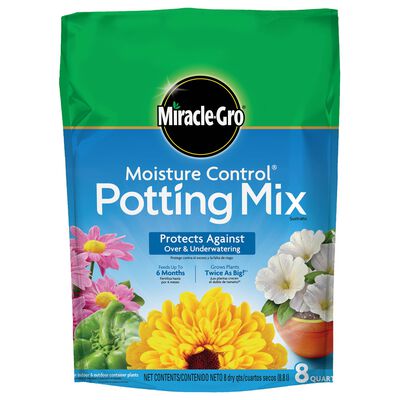

When considering whether Miracle-Gro is suitable for daylilies, it is essential to understand both the product's composition and the needs of daylilies. Miracle-Gro is a popular brand of all-purpose plant food that is rich in nitrogen, phosphorus, and potassium, which are crucial nutrients that promote healthy plant growth. Daylilies, known for their vibrant flowers and resilience, can benefit from the application of a balanced fertilizer like Miracle-Gro under certain conditions.
Understanding Miracle-Gro's Nutrient Composition
Miracle-Gro typically contains a blend of NPK (nitrogen, phosphorus, and potassium) in a ratio such as 24-8-16. Nitrogen is essential for leaf growth, while phosphorus promotes root development and flowering, and potassium enhances overall plant health. Given this formulation, it can be beneficial for daylilies, which thrive when they have adequate nourishment for blooming and foliage.
- Nitrogen supports lush green leaves.
- Phosphorus enhances blooming potential.
- Potassium improves plant stress resistance.
Application Timing for Daylilies
The timing of when you apply Miracle-Gro to daylilies is crucial for optimal results. Daylilies typically benefit from feeding in early spring as they emerge from dormancy, and again after the first round of blooms in summer. This timing allows the plants to take full advantage of the nutrients when they are most needed for growth and flowering.
- Apply in early spring for initial growth.
- Reapply after blooming for second-wave flowers.
- Avoid late-season applications to prevent unnecessary growth before winter.
Pest and Disease Considerations
While Miracle-Gro can enhance the growth of daylilies, it's important to monitor for pests and diseases that may arise due to rapid growth. A previously stressed daylily can become more susceptible to pests when suddenly nourished. Healthy foliage is less likely to attract pests like aphids, but it’s essential to keep an eye out for any signs of distress.
- Monitor for aphids that may appear on lush foliage.
- Check for fungal diseases that thrive in overly moist conditions.
- Use preventative measures to keep plants healthy, such as proper spacing and ventilation.
Alternatives to Miracle-Gro for Daylilies
If you are cautious about using chemical fertilizers, there are several natural alternatives that can also effectively support daylilies. These options often come with a lower risk of over-fertilization, which can harm plants.
- Compost enriches the soil with organic matter.
- Fish emulsion provides a natural source of nutrients.
- Bone meal is rich in phosphorus, promoting flowers.
Monitoring Plant Response After Application
After applying Miracle-Gro to daylilies, it is essential to monitor how the plants respond. Signs of nutrient overload or deficiency will manifest through leaf color, growth rates, and flowering success. Optimal growth will typically reflect balanced nutrient levels tailored to the plant's needs.
- Look for vibrant green leaves as a sign of health.
- Observe the frequency and abundance of flowering.
- Adjust feeding practices based on visual plant health.
How do you keep your daylilies blooming all summer?

To keep your daylilies blooming all summer, it is important to provide them with proper care, including the right sunlight, moisture, and nutrients. Daylilies are resilient plants that can produce blooms from late spring to early fall, but they require some attention to thrive throughout the entire summer.
See also:
Sunlight Requirements
Daylilies thrive in areas where they receive abundant sunlight. Ideally, they should be planted in a location that gets:
- Full sun (6 or more hours of direct sunlight daily) for the best blooming.
- Some afternoon shade, especially in very hot climates, to prevent wilting.
- Allowing for directional sunlight, avoiding areas that receive filtered light.
Watering Techniques
Proper watering is crucial to ensure that your daylilies remain healthy and produce flowers consistently. The following techniques can help:
- Water deeply and infrequently, allowing the soil to dry between sessions to encourage deep root growth.
- Water in the morning to minimize evaporation and prevent leaf disease.
- Use a soaker hose or drip irrigation to deliver moisture directly to the plant roots.
Nutrient Management
Feeding your daylilies with the appropriate nutrients promotes vibrant blooms throughout the summer. Consider these nutrient management tips:
- Apply a balanced fertilizer (like 10-10-10) in early spring as growth begins.
- Reapply a diluted liquid fertilizer every 4-6 weeks during the growing season.
- Add organic matter like compost to enhance soil fertility and drainage.
Deadheading and Pruning
Regular deadheading and pruning help maintain the plant's energy and encourage new blooms. Follow these steps for effective care:
- Identify and remove spent flower stalks by cutting them back to the base.
- Monitor for any dead or browning foliage and prune as needed to maintain plant health.
- Trim foliage back in late fall to prepare for the next blooming season.
Dividing and Spacing Plants
Dividing daylilies helps rejuvenate them and promote blooming. Here’s how to do this effectively:
- Divide daylilies every 3-4 years in early spring or late summer when blooms fade.
- Ensure sufficient spacing (18-24 inches) between plants to promote good air circulation.
- Replant promptly and water well to help them establish in their new locations.
Questions from Our Readers
What is the best time to fertilize daylilies for more blooms?
To maximize blooms on daylilies, it's best to fertilize them in the early spring when they start to grow actively. Using a balanced, slow-release fertilizer can enhance the overall health of the plant, promoting a greater flower production throughout the blooming season.
How often should I water my daylilies to encourage more flowers?
Daylilies thrive with consistent moisture, so it's important to water them regularly, especially during dry spells. Aim to provide about 1 inch of water per week, either through rainfall or supplemental irrigation, to encourage robust flowering and prevent stress on the plants.
Is it necessary to deadhead daylilies to increase blooms?
Yes, deadheading spent flowers can encourage daylilies to produce more blooms. By removing faded flowers, you help the plant redirect its energy toward producing new buds instead of forming seeds, which enhances the overall flowering potential.
See also:
What type of sunlight do daylilies need for optimal flowering?
Daylilies require full sun to partial shade for optimal flowering, with at least six hours of direct sunlight each day being ideal. Sufficient sunlight helps the plants produce more flowers and vibrant colors, leading to a more stunning garden display.

If you want to read more articles like How to Get More Flowers on Daylilies? Tips for a Flourishing Garden, we recommend you check out our Daylily category.
Leave a Reply
Related Articles