How Poisonous Are Daylilies? Essential Facts Every Pet Owner Should Know
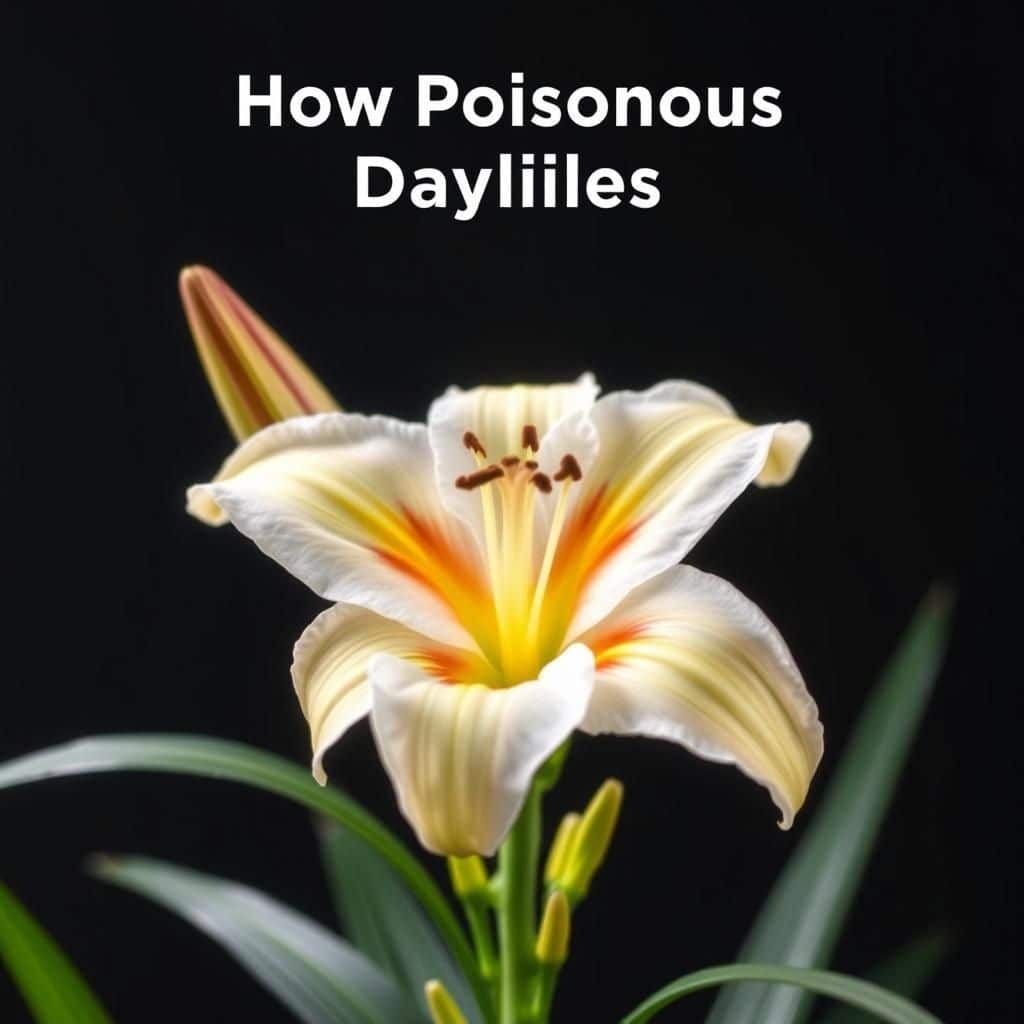
Daylilies are popular ornamental plants known for their vibrant blooms, but many pet owners may not be aware of the potential dangers these flowers pose to their furry companions. While daylilies are not classified as highly toxic, they can still cause some health issues if ingested by pets. Understanding the risks and symptoms associated with daylily consumption is crucial for ensuring the safety of your pets. In this article, we will explore essential facts about the toxicity of daylilies, the symptoms to watch for, and the steps you can take to protect your beloved animals from potential harm.
Understanding the Toxicity of Daylilies
Daylilies, belonging to the genus Hemerocallis, are often admired for their colorful blooms, but they pose certain risks, especially to pets. While daylilies are generally not considered toxic to humans, they can be highly poisonous to cats, leading to severe kidney damage if ingested. Symptoms of poisoning in cats may include vomiting, diarrhea, lethargy, and loss of appetite. It's crucial for pet owners to be aware of the dangers of daylilies, as even a small amount can be harmful. Prompt veterinary attention is required if a cat shows any signs of having consumed this plant.
Are Daylilies Toxic to Humans?
Daylilies are not known to be toxic to humans, and cases of ingestion typically result in mild gastrointestinal upset. Symptoms may include stomach discomfort, nausea, or diarrhea, but these effects are usually short-lived. While children are more frequently curious about plants, daylilies are considered relatively safe; however, it's always advisable to educate them about not eating unknown plants.
Toxicity to Pets: Focus on Cats
The toxicity of daylilies is particularly pronounced in cats. Ingesting even small amounts can result in acute kidney failure, which can be fatal without prompt treatment. Signs of trouble can arise within hours of ingestion, and it's essential for pet owners to recognize these symptoms early. Immediate veterinary care can often mitigate the longer-term effects and improve prognosis if treatment begins swiftly.
Symptoms of Daylily Poisoning in Cats
The symptoms of daylily poisoning in felines may vary, but they generally include vomiting, excessive drooling, loss of appetite, and lethargy. As the condition progresses, a cat may show signs of abdominal pain and, in severe cases, develop symptoms related to kidney failure such as increased thirst and urination followed by a decrease in urination. Recognizing these symptoms quickly can be crucial for effective treatment.
See also:
Prevention and Safety Measures
To prevent daylily poisoning, pet owners should consider removing daylilies from gardens or areas accessible to pets. Education about the dangers of these plants can also play a significant role in safeguarding pets. Keeping cats indoors, especially during the blooming season, and regularly monitoring their environment for hazardous plants can help avoid unintentional ingestion of the plant.
First Aid for Suspected Ingestion
If a cat is suspected of having ingested daylilies, it is critical to act promptly. The first step is to contact a veterinarian immediately. They may ask questions about the amount ingested, the time of ingestion, and the cat's clinical signs. Do not attempt home remedies as this can exacerbate the situation. Often, immediate veterinary intervention can include inducing vomiting, administering activated charcoal, or providing supportive care such as intravenous fluids to protect the kidneys.
| Symptoms | Action Required |
|---|---|
| Vomiting | Contact a veterinarian |
| Lethargy | Visit the clinic |
| Loss of appetite | Seek immediate care |
| Increased thirst | Monitor and report |
| Abdominal pain | Vet check-up |
Understanding the Toxicity of Daylilies for Pets
Daylilies (Hemerocallis spp.) are often mistaken as harmless plants, but they contain compounds that can be toxic to pets, particularly cats. When ingested, these flowers can lead to symptoms such as vomiting, diarrhea, and more severe kidney damage if not treated promptly. It is crucial for pet owners to recognize the dangers associated with daylilies, especially since even small amounts can be harmful. Understanding the potential risks and being vigilant about the plants in your garden can help protect your beloved pets from accidental poisoning.
Common Symptoms of Daylily Poisoning in Pets
When pets consume daylilies, they may display a variety of symptoms ranging from mild to severe. Common signs include vomiting, loss of appetite, and lethargy. In more serious cases, particularly with cats, symptoms can escalate to include jaundice, pronounced dehydration, and difficulty in urination, indicating potential kidney failure. Recognizing these signs early is crucial for timely intervention.
What to Do If Your Pet Eats Daylilies
If you suspect that your pet has ingested any part of a daylily, it is important to act quickly. Contact your veterinarian or an emergency animal clinic immediately for advice. They may recommend bringing your pet in for evaluation or monitoring at home, depending on the amount consumed and the symptoms presented. Do not induce vomiting unless instructed by a veterinarian, as this can sometimes cause additional harm.
See also:
Preventing Daylily Poisoning in Pets
To prevent accidental ingestion, pet owners should be proactive in managing their environment. Consider removing daylilies from your garden or placing them in areas that are inaccessible to pets. Educating yourself about other common plants that are toxic to pets is also beneficial. Creating a pet-friendly garden with safe alternatives can help minimize risks and enhance your outdoor space.
Safe Alternatives to Daylilies for Gardens
If you're looking to beautify your garden without the risk of poisoning your pets, there are many safe plant options available. Flowers like marigolds, snapdragons, and zinnias are not only aesthetically pleasing but also non-toxic to cats and dogs. Furthermore, incorporating herbs like basil, parsley, and cilantro can provide both beauty and functionality, enhancing your garden while safeguarding your furry companions.
The Importance of Educating Pet Owners About Toxic Plants
Creating awareness about the toxicity of certain plants, like daylilies, is essential for pet owners. Many individuals may not be aware of the dangers specific to their pets, especially cats, who are particularly susceptible to daylily toxicity. Educational resources, community workshops, and veterinary advocacy can help empower pet owners to make informed decisions regarding their pet’s safety and health. By sharing knowledge and resources, we can enhance pet welfare and prevent unfortunate incidents associated with toxic plants.
Questions from Our Readers
How poisonous are daylilies to pets?
Daylilies are considered toxic to pets, especially cats. Ingestion can lead to kidney failure, which can be fatal if not treated promptly. Symptoms may include vomiting, diarrhea, and lethargy. It is crucial to keep daylilies out of reach of pets to avoid any health risks.
Can humans eat daylilies safely?
Yes, some species of daylilies are edible and have been consumed in various cuisines. The flowers, buds, and tubers can be eaten, but it is essential to ensure that they are properly prepared. However, potential allergic reactions or digestive issues can occur, so caution is advised before consumption.
See also:
What are the symptoms of daylily poisoning in animals?
Symptoms of daylily poisoning in animals may include vomiting, diarrhea, loss of appetite, and lethargy. In severe cases, kidney damage can occur, leading to more serious health concerns. If you suspect your pet has ingested daylilies, seek veterinary assistance immediately.
Are there safe alternatives to daylilies for gardens?
Yes, there are many non-toxic plants that can be used as alternatives to daylilies in gardens. Some options include marigolds, roses, or snapdragons, which offer bright colors and blooms without the associated risks of toxicity. Always research plant safety to ensure a pet-friendly environment.

If you want to read more articles like How Poisonous Are Daylilies? Essential Facts Every Pet Owner Should Know, we recommend you check out our Daylily category.
Leave a Reply
Related Articles