How Poisonous is Hydrangea? Essential Facts You Need to Know

Hydrangeas are beloved garden plants known for their vibrant blooms and lush foliage. However, despite their beauty, many people remain uninformed about their potential toxicity. This article delves into the essential facts surrounding hydrangeas and their poisonous properties. Understanding the risks associated with these popular flowers is crucial, especially for households with children or pets. We will explore the specific compounds that contribute to their toxicity, symptoms of poisoning, and safety measures to take when handling or planting hydrangeas. By the end, you'll be equipped with the knowledge needed to enjoy these stunning plants while ensuring a safe environment.
How Poisonous is Hydrangea?
Hydrangeas can be toxic to both humans and pets if ingested. The plant contains compounds known as cyanogenic glycosides, which can release cyanide when metabolized. Symptoms of poisoning may include nausea, vomiting, diarrhea, and in severe cases, respiratory failure. While serious toxicity is rare, it is essential to exercise caution, especially around pets and small children, who may be more susceptible to its effects. The level of toxicity can vary among different species of hydrangea, so identification is crucial in assessing potential risks.
Symptoms of Hydrangea Poisoning
The symptoms of hydrangea poisoning can range from mild to severe. Initial signs may include gastrointestinal distress such as stomach ache, nausea, and vomiting. In more severe cases, individuals may experience headaches, dizziness, and confusion. Serious poisoning can lead to respiratory issues and, in extreme situations, may require medical intervention. It is crucial to identify these symptoms early to mitigate potential health risks.
Factors Influencing Toxicity
Several factors can influence the level of toxicity in hydrangeas. The species of the plant plays a significant role, as some varieties contain higher concentrations of toxic compounds than others. Additionally, the age of the plant, the part consumed (flowers, leaves, or stems), and an individual's health can all impact the severity of the reaction to ingestion. This variability makes it important for gardeners and pet owners to be informed about the specific types of hydrangeas in their vicinity.
Handling Hydrangeas Safely
To handle hydrangeas safely, it is essential to wear gloves when pruning or caring for the plant, as skin contact can cause irritation. Always wash your hands thoroughly after handling hydrangeas, and be cautious about allowing pets or small children access to the plants. If accidentally ingested, seek medical attention promptly, especially if symptoms develop. Educating family members about the risks associated with the plant can also help prevent accidental poisoning.
Hydrangea Varieties and Their Toxicity
There are many varieties of hydrangeas, each with varying degrees of toxicity. For instance, the common hydrangea (Hydrangea macrophylla) is notably toxic, while other varieties like the climbing hydrangea (Hydrangea anomala) tend to be less harmful. Understanding which species are present in your garden or environment is important for assessing the potential danger posed by these plants. It is advisable to consult reliable horticultural guides for specific information on different hydrangea types.
What to Do in Case of Poisoning
In case of suspected hydrangea poisoning, it is crucial to act swiftly. If an individual has ingested any part of the plant, contact a poison control center or seek medical assistance immediately. Provide information on the type of hydrangea consumed and any symptoms experienced, as this will help healthcare professionals determine the best course of action. Do not induce vomiting unless directed by a medical professional, as this may exacerbate the situation.
| Symptom | Severity | Treatment |
|---|---|---|
| Nausea | Moderate | Hydration and rest |
| Vomiting | Moderate | Seek medical care if persistent |
| Headaches | Mild to Moderate | Over-the-counter pain relievers |
| Respiratory issues | Severe | Emergency medical assistance required |
| Confusion | Severe | Immediate medical attention |
How toxic are hydrangeas to humans?

Understanding Hydrangea Toxicity
Hydrangeas contain compounds called cyanogenic glycosides, which can release cyanide when metabolized. While hydrangeas are not highly toxic, their ingestion can lead to mild symptoms. Notably, leaf and flower parts are more toxic than the stems. It's important to monitor symptoms after exposure, especially in children and pets.
- Symptoms of Hydrangea Poisoning: Ingestion can lead to nausea, vomiting, diarrhea, and abdominal pain.
- Vulnerability of Pets: Dogs and cats may be more susceptible to the toxic effects of hydrangeas.
- Risk Levels: The level of toxicity can vary based on plant species and the amount consumed.
Hydrangeas and Children
Children are particularly curious and may be inclined to taste various plants, including hydrangeas. While a small amount may not be severely harmful, it is crucial for parents to educate their children about not eating unknown plants. If a child consumes any part of a hydrangea, it is advisable to consult a physician or poison control.
- Common Signs in Children: Look out for gastrointestinal symptoms such as diarrhea and vomiting.
- Education on Plant Safety: Teach children about safe and unsafe plants.
- Immediate Action: Always seek advice from a medical professional if poisoning is suspected.
Pet Safety Around Hydrangeas
Pets can be especially affected by hydrangea toxicity. Dogs and cats may experience adverse reactions if they chew or ingest parts of the plant. Being aware of your pet's behavior can help prevent accidental consumption.
- Signs of Exposure in Pets: Symptoms may include lethargy, vomiting, or difficulty breathing.
- Preventative Measures: Keep hydrangeas out of reach or in pet-free areas.
- Consult a Veterinarian: If you suspect your pet has ingested hydrangeas, contact your vet immediately.
Safe Gardening Practices
For those who enjoy gardening with hydrangeas, it’s essential to practice safety. When planting, be mindful of where you place them to minimize exposure risks.
- Placement: Choose areas away from places kids and pets frequent.
- Gardening Tools: Use tools and gloves when handling the plants to avoid skin contact.
- Education for Gardeners: Learn about choosing non-toxic plants, especially when children and pets are involved.
Comparative Toxicity of Garden Plants
Compared to other garden plants, hydrangeas have a moderate level of toxicity. Many commonly grown plants possess stronger toxic properties, making hydrangeas relatively safe in comparison.
- Common Toxic Plants: Plants like oleander and foxglove are more dangerous than hydrangeas.
- Understanding Plant Risks: Familiarize yourself with the toxicity levels of other common garden plants.
- Choosing Safer Alternatives: Opt for non-toxic landscaping choices if safety is a primary concern.
Is it safe to touch hydrangeas?

Hydrangeas are popular ornamental plants known for their large, colorful flower clusters. Generally, it is considered safe to touch hydrangeas. However, there are a few points to keep in mind regarding their safety:
1. Skin Reactions: Some individuals may experience mild skin irritation or itching upon contact with the leaves or flowers of hydrangeas. This is not common but can occur, especially in sensitive individuals.
See also:
2. Pollen Allergies: People who are allergic to pollen may find that touching or being around hydrangeas triggers allergic reactions, such as sneezing or skin irritation.
3. Animal Toxicity: While hydrangeas are not toxic to humans, they can be toxic to pets, particularly dogs and cats. It is advisable to keep animals away from the plants to prevent potential poisoning.
4. Insect Exposure: Touching hydrangeas can sometimes lead to contact with insects, such as bees or wasps. While the plants themselves are safe to touch, being stung by an insect is a potential risk.
5. Gardening Practices: When handling hydrangeas, ensure you wash your hands afterward to remove any pollen or sap. This is especially important to avoid transferring any irritants to your face or mouth.
Hydrangea Varieties and Their Safety
Different varieties of hydrangeas may have unique characteristics, but overall, the majority present no significant risk.
- Macrophylla: This type is popular in gardens and has no significant toxicity.
- Paniculata: Known for its large flower heads, it is also safe to touch.
- Arborescens: Commonly called smooth hydrangeas, these too pose no risk when touched.
Allergic Reactions to Hydrangeas
While many people touch hydrangeas without any issue, some may experience mild allergic reactions.
- Contact Dermatitis: Some individuals may develop a rash upon contact.
- Respiratory Issues: Pollen can provoke allergic rhinitis in sensitive persons.
- Precautionary Measures: It is recommended to wash hands after touching to reduce irritation.
Toxicity for Pets
Hydrangeas can be toxic to animals, prompting pet owners to exercise caution.
- Symptoms of Toxicity: Pets may experience vomiting or diarrhea after ingesting.
- Preventative Actions: Keep pets away from hydrangea plants to minimize risk.
- Consulting a Vet: If ingestion occurs, seek veterinary advice immediately.
Best Practices for Gardening with Hydrangeas
Gardening with hydrangeas can be enjoyable and safe when certain practices are followed.
- Wearing Gloves: Consider wearing gardening gloves to protect your skin from irritation.
- Regular Maintenance: Pruning and maintaining plants can reduce exposure to pollen and irritants.
- Hand Washing: Always wash your hands after tending to the plants.
Insect Interaction While Touching Hydrangeas
When touching hydrangeas, there might be encounters with insects which can pose risks.
- Bee Attraction: Hydrangeas can attract bees, so be cautious and avoid sudden movements.
- Insect Bites: Be prepared for potential bites or stings while gardening.
- Protective Clothing: Wearing long sleeves and pants can help to reduce insect exposure.
Is hydrangea toxic to dogs to humans?
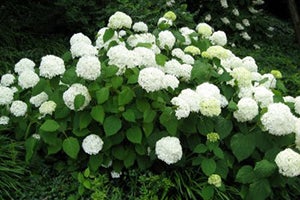
Hydrangea plants, commonly found in gardens and landscapes, are known for their beautiful blooms. However, it is essential to understand that hydrangeas can be toxic to both dogs and humans. The primary reason for this toxicity lies in the presence of cyanogenic glycosides, which are compounds that can release cyanide when metabolized.
Hydrangea Toxicity in Dogs
The toxicity of hydrangeas to dogs can result in various symptoms if ingested. Dogs that consume parts of the hydrangea plant may experience:
- Vomiting: This is one of the most common reactions when dogs ingest this plant.
- Diarrhea: Can occur as a response to irritants present in the plant.
- Abdominal Pain: Dogs may show signs of discomfort or distress after ingestion.
If a dog displays these symptoms after eating hydrangea, it is advisable to consult with a veterinarian for appropriate care.
Hydrangea Toxicity in Humans
While hydrangeas are generally less toxic to humans than to dogs, ingestion of the plant can still lead to undesirable symptoms. Humans who consume hydrangeas may experience:
- Nausea: Individuals may feel nauseous after ingesting any part of the plant.
- Diarrhea: Similar to dogs, humans can also experience gastrointestinal upset.
- Headaches: Some people report headaches as a reaction to the toxins present.
It is crucial to keep hydrangeas out of reach of children and to educate others about the potential dangers.
Preventing Hydrangea Ingestion
To protect both pets and children from the potential toxicity of hydrangeas, consider these preventive measures:
See also:
- Placement: Plant hydrangeas in areas that are not easily accessible to dogs and children.
- Education: Teach children about the dangers of eating unknown plants.
- Regular Monitoring: Keep an eye on pets while they are outside to prevent them from chewing on plants.
Implementing these measures can significantly lower the chances of accidental ingestion.
Signs of Hydrangea Poisoning
Recognizing the signs of hydrangea poisoning is vital for prompt treatment. Some symptoms to watch for include:
- Gastrointestinal Issues: Vomiting and diarrhea are among the first indications of poisoning.
- Behavior Changes: Lethargy or unusual behavior can suggest that a pet or child is feeling unwell.
- Physical Symptoms: Monitor for symptoms like drooling or lack of appetite.
If these symptoms arise, it is essential to seek medical advice immediately.
Hydrangea Care and Toxicity Awareness
When caring for hydrangeas, awareness of their toxicity is crucial. Here are some tips to maintain beautiful hydrangeas while being informed:
- Proper Pruning: Prune with care to avoid accidental ingestion by pets or children.
- Educate Visitors: Inform guests about the toxicity of hydrangeas, especially if they bring children or pets.
- Alternative Plants: Consider planting pet-friendly flowers in close proximity, minimizing exposure to hydrangeas.
Awareness and education about hydrangea toxicity can contribute to a safer environment.
What happens if you eat hydrangea leaves?

If you consume hydrangea leaves, you may experience a range of adverse effects due to the presence of toxic compounds found in the plant. Hydrangeas contain cyanogenic glycosides, particularly in their leaves and Some of the flowers. When ingested, these compounds can lead to cyanide poisoning, which can result in serious health issues. It is crucial to understand the potential risks associated with eating hydrangea leaves and to seek medical attention if any symptoms occur.
Symptoms of Hydrangea Leaf Consumption
Consuming hydrangea leaves can lead to a variety of symptoms that are indicative of poisoning. Some of these symptoms include:
- Nausea and vomiting - These are common initial reactions to ingesting toxic plants.
- Dizziness and headaches - Neurological symptoms may arise depending on the amount consumed.
- Shortness of breath - In severe cases, cyanide can interfere with oxygen transport in the body.
How Toxicity Occurs
The toxicity of hydrangea leaves primarily comes from cyanogenic glycosides. These compounds can release cyanide when metabolized, leading to toxic effects. The process can be outlined as follows:
- Consumption - Ingesting the leaves leads to the breakdown of glycosides.
- Cyanide Release - Enzymatic reactions free cyanide from the glycosides during digestion.
- Absorption - Cyanide is quickly absorbed into the bloodstream, affecting cellular respiration.
Potential Long-Term Effects
While the immediate effects of consuming hydrangea leaves can be severe, there may also be potential long-term effects depending on the quantity ingested and the individual's health. These effects might include:
- Organ Damage - Prolonged exposure or high levels of cyanide can harm the liver and kidneys.
- Neurological Issues - Sustained high levels can lead to cognitive impairments and neurological disorders.
- Chronic Health Conditions - Repeated low-level exposure may contribute to its cumulative toxic effects.
Treatment for Hydrangea Leaf Poisoning
If someone has ingested hydrangea leaves, it is essential to seek immediate medical treatment. The potential treatments include:
- Activated Charcoal - This may be administered to absorb toxins in the gastrointestinal tract.
- Supportive Care - Providing fluids and monitoring vital signs is crucial.
- Cyanide Antidotes - In severe cases, specific antidotes like hydroxocobalamin may be used to counteract cyanide toxicity.
Precautions to Take
To prevent accidental ingestion of hydrangea leaves, certain precautions should be observed:
- Avoid Consumption - Do not eat any part of the hydrangea plant unless you are certain it is safe.
- Educate Others - Inform children and pets about the dangers of hydrangeas.
- Seek Professional Advice - If you are unsure about a particular plant, consult a botanist or poison control center.
Questions from Our Readers
How poisonous is hydrangea to humans?
The toxicity of hydrangeas to humans is considered to be relatively low. However, ingestion of the flowers or leaves can lead to symptoms such as stomach upset, vomiting, and diarrhea due to the presence of cyanogenic glycosides.
Can hydrangea poison pets?
Yes, hydrangeas can be toxic to pets, particularly to dogs and cats. Symptoms of hydrangea poisoning in pets may include vomiting, lethargy, and diarrhea, and it's essential to consult a veterinarian if you suspect your pet has ingested any parts of the plant.
What other effects can hydrangea have if ingested?
In addition to gastrointestinal distress, ingesting hydrangeas can cause headaches or dizziness in some cases. The severity of symptoms may vary depending on the amount consumed and the individual's sensitivity to the plant's chemicals.
How can I minimize the risk of hydrangea poisoning?
To minimize the risk of poisoning, it's best to keep hydrangeas out of reach of children and pets. Education about the plant's potential hazards and monitoring outdoor areas can help ensure safety around these beautiful, yet potentially dangerous, plants.
See also:

If you want to read more articles like How Poisonous is Hydrangea? Essential Facts You Need to Know, we recommend you check out our Hydrangea category.
Leave a Reply
Related Articles