How to Tell if Hydrangea is Over or Under Watered? Essential Tips for Healthy Blooms

When it comes to caring for hydrangeas, one of the most crucial aspects is mastering the art of watering. These beautiful flowering plants thrive on a delicate balance of moisture, and knowing how to tell if they are over or under-watered can make all the difference in their health and vibrancy. In this article, we will explore essential tips and signs to help you gauge the watering needs of your hydrangeas, ensuring you provide the right care for stunning blooms. Whether you're a seasoned gardener or a novice, understanding these indicators will enhance your gardening experience.
How to Determine If Your Hydrangea is Over or Under Watered
Hydrangeas are beautiful flowering plants that require careful watering to thrive. To determine if your hydrangea is overwatered or underwatered, look for signs such as leaf color and texture, wilting, and overall plant health. An overwatered hydrangea often exhibits yellowing leaves that might have a soggy or mushy texture, indicating root rot, while an underwatered plant typically shows browning or crispy edges on leaves, which can become brittle. Checking the soil moisture level is crucial; if the soil feels persistently soggy, you may be overwatering, whereas dry soil several inches down typically indicates that your plant needs more water.
Signs of Overwatering
Plants often exhibit several signs of overwatering, including yellowing leaves that can appear wilty or limp. Furthermore, overexposure to moisture can lead to the development of root rot, making it critical to assess not only the leaves but also the overall vigor of the plant. Additionally, if waterlogged soil doesn't dry out for a prolonged period, it can suffocate the roots and decrease the plant's health significantly.
Signs of Underwatering
An underwatered hydrangea will often display signs such as dry, brown leaf edges and leaves that are curled or wilted. This condition occurs when the plant lacks sufficient moisture, leading to stress that impedes its ability to transpire. A thorough check of the soil is vital; if the topsoil feels dry and the lower levels of the soil are also parched, it's likely time to provide your hydrangea with more water.
Soil Moisture Testing
One effective method for assessing whether your hydrangea needs watering is to conduct a soil moisture test. Insert your finger into the soil around the base of the plant. If the soil feels dry to a depth of about two inches, it is an indication that water is required. In contrast, if the soil feels >>soggy<< or overly wet, the plant might be overwatered, signaling the need to reduce your watering frequency.
See also:
Root Health Assessment
Examining the health of the roots is crucial for understanding a hydrangea’s watering needs. When inspecting the roots, healthy roots should appear white and firm, while signs of decay will present as dark, mushy areas. If root health is compromised due to overwatering, it can significantly affect the plant's overall growth and flowering potential, so addressing any root-related issues is essential.
Watering Frequency and Recommendations
For optimal growth, hydrangeas typically require consistent watering, especially during hot months. Generally, watering once a week is recommended, but this can vary based on weather conditions and soil type. A simple rule of thumb is to check moisture consistently, adjusting your watering frequency depending on rainfall and temperature fluctuations to maintain balanced soil moisture for your hydrangea.
| Condition | Symptoms |
|---|---|
| Overwatering | Yellow leaves, soggy soil, root rot |
| Underwatering | Brown leaf edges, wilting, dry soil |
Signs of Overwatering and Underwatering Hydrangeas
Understanding the signs of overwatering and underwatering is crucial for maintaining the health of your hydrangeas. When hydrangeas are overwatered, they can develop root rot, which manifests as yellowing leaves, wilting, or an overall decline in plant vigor. Conversely, underwatering may lead to dry, crispy leaves and poor flower development, indicating that the plant is not receiving enough moisture. Monitoring soil moisture levels and observing the physical changes in your hydrangeas can help you strike the right balance, ensuring they thrive and produce vibrant blooms.
Evaluating Soil Moisture Levels
One of the most effective ways to determine if your hydrangeas are overwatered or underwatered is to evaluate the soil moisture levels. Use your finger to test the top inch of the soil; if it feels dry, the plant likely needs more water. Conversely, if the soil is consistently wet and soggy, it could indicate overwatering. For more accurate measurement, consider using a moisture meter, which can provide precise readings and help you make informed decisions regarding irrigation.
Identifying Leaf Symptoms
The leaves of hydrangeas can offer essential clues regarding their watering needs. Yellow leaves that are dropping off may signal overwatering, while leaves that appear wilted or have dry edges often point towards underwatering. Additionally, if the leaves curl, this could indicate stress from inconsistent watering habits. By carefully observing these symptoms, gardeners can adjust their watering schedule to accommodate the plant’s requirements effectively.
See also:
Understanding Weather Impact
Weather conditions play a significant role in how often you should water your hydrangeas. During hot and dry spells, hydrangeas may require more frequent watering to compensate for increased evaporation and transpiration. On the other hand, during periods of rain, the soil may retain enough moisture that no additional watering is needed. Being attuned to current weather patterns can help you manage your watering routine and ensure the plants receive adequate hydration for optimal growth.
The Importance of Drainage
Proper drainage is vital to maintaining healthy hydrangeas, as both overwatering and underwatering can stem from poor soil conditions. Ensure that the planting area has good drainage; this can be achieved by amending the soil with organic matter and ensuring there are no obstructions in water flow. If water tends to pool around the root zone, consider raising the planting bed. Adequate drainage helps prevent root rot from overwatering while promoting the necessary moisture retention during dry periods.
Seasonal Watering Adjustments
Adjusting your watering practices according to the season is crucial for your hydrangeas' health. In the spring and summer, when the plants are actively growing and blooming, they typically require more water. In contrast, during the fall and winter, hydrangeas enter dormancy and need significantly less water, making it essential to reduce irrigation. By understanding how the needs of your hydrangeas change with the seasons, you can provide the right amount of water at the right time for healthy, vibrant blooms.
Questions from Our Readers
How can I tell if my hydrangea is overwatered?
If your hydrangea is overwatered, you may notice yellowing leaves, soft or mushy stems, and root rot. The soil may feel constantly soggy, which deprives the roots of oxygen. To check, gently pull the plant out of the pot and inspect the roots for dark, mushy areas.
What are the signs that my hydrangea is underwatered?
An underwatered hydrangea will typically exhibit drooping leaves, dry or crispy leaf edges, and potentially fewer blooms. The soil may feel dry to the touch, indicating that the plant is not receiving enough moisture. If you notice these signs, it's essential to water the plant thoroughly.
See also:
How often should I check my hydrangea for watering needs?
You should check your hydrangea's watering needs at least once a week, especially during the growing season. Factors like temperature, humidity, and soil type can affect how quickly the plant absorbs water. Adjust your watering schedule accordingly to maintain healthy moisture levels.
Can the soil affect how I determine watering needs for hydrangeas?
Yes, the type of soil can significantly affect how quickly it dries out or retains moisture, impacting your hydrangea's watering needs. Well-draining soil allows excess water to escape, while heavy soil might retain moisture longer. It's essential to observe the soil texture and adjust your watering practices based on its properties.
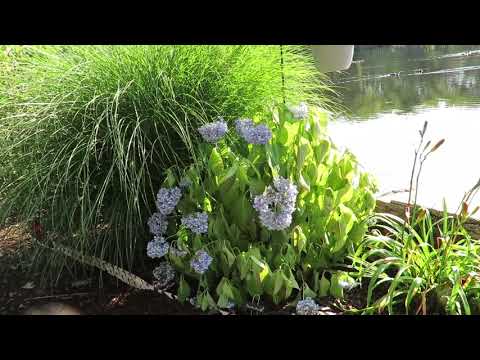
If you want to read more articles like How to Tell if Hydrangea is Over or Under Watered? Essential Tips for Healthy Blooms, we recommend you check out our Hydrangea category.
Leave a Reply
Related Articles