What is the Best Position to Grow Garlic? Discover Ideal Planting Tips and Techniques
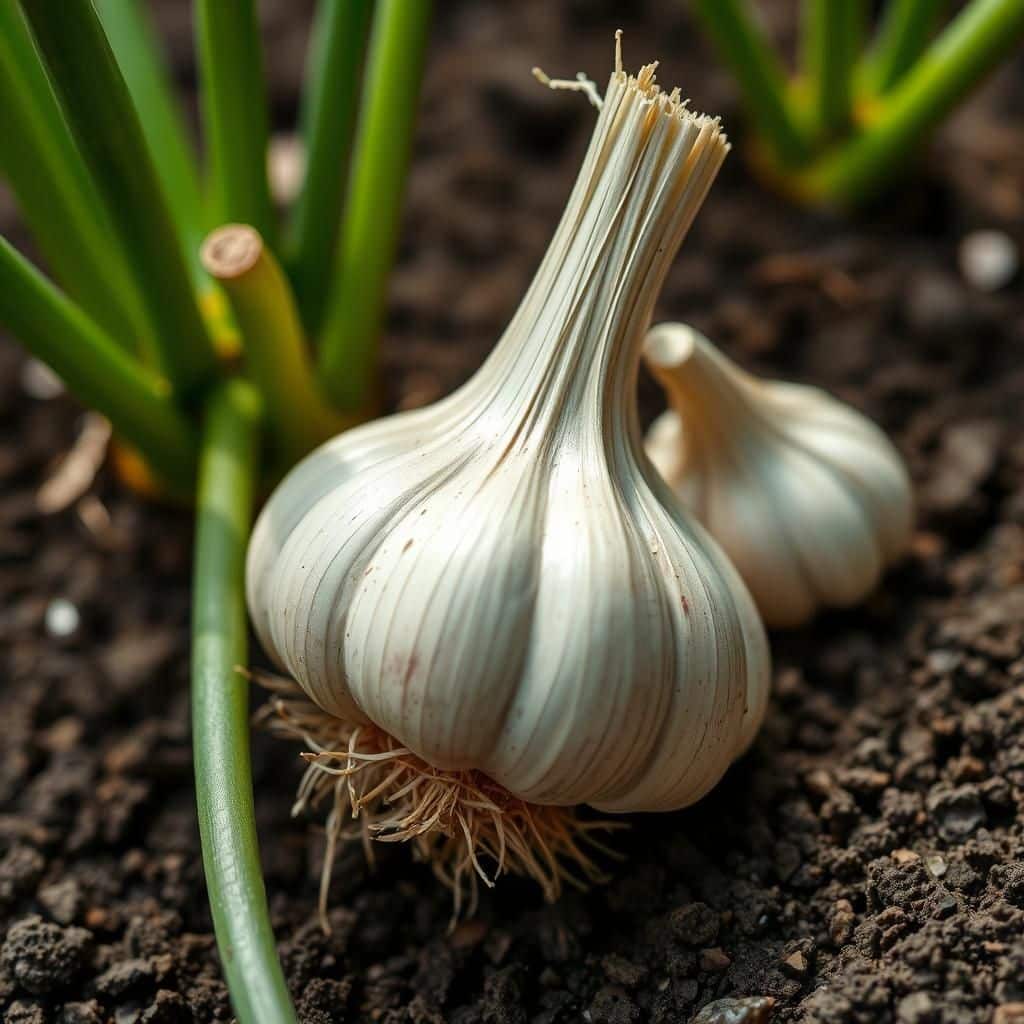
Growing garlic can be a rewarding endeavor, but success largely depends on selecting the right position for planting. This article explores the best locations for garlic cultivation, considering factors like sunlight, soil quality, and drainage. Whether you’re a seasoned gardener or a novice, understanding these essential tips and techniques can significantly enhance your garlic yield. From choosing the ideal planting site to ensuring optimal growth conditions, we will guide you through the crucial steps for cultivating a thriving garlic crop. Dive in to discover the secrets to growing this flavorful and beneficial culinary staple in your garden.
What is the Ideal Location for Garlic Cultivation?
Growing garlic requires careful consideration of its growing environment, as this plant thrives best in areas that receive full sunlight for a minimum of 6 hours each day. It flourishes in well-drained, fertile soil with a pH level between 6.0 and 7.0, which promotes healthy bulb formation. Additionally, it is essential to avoid low-lying areas where water can collect, leading to root rot. A location that balances warmth, moisture, and air circulation is paramount for developing strong, flavorful garlic bulbs. When planting, ensuring that the chosen spot is not exposed to extreme wind conditions can further enhance growth, making the ideal position one that meets these core requirements.
Sunlight Requirements
Garlic needs full sun exposure, ideally receiving 6 to 8 hours of sunlight per day. This amount of direct light helps the plants to photosynthesize effectively, leading to robust bulb development. A good position for garlic would be an area that is open and not shaded by tall plants or buildings. Insufficient sunlight can result in smaller bulbs and reduced yields, emphasizing the importance of adequate light for healthy growth.
Soil Quality
The quality of the soil plays a crucial role in the health of garlic plants. Garlic prefers loose, well-drained soil rich in organic matter to allow for proper drainage and aeration. Clay soils may retain too much water, while sandy soils can dry out too quickly. A balanced mix with added compost or well-rotted manure can improve soil fertility and structure, supporting the growth of large, flavorful garlic bulbs.
Drainage Considerations
Proper drainage is vital for the successful cultivation of garlic, as it is prone to diseases like root rot, particularly in waterlogged conditions. Planting garlic in raised beds or mounded rows can improve drainage, making it easier for excess rainwater to run off. Choosing a location that does not flood during heavy rains will help maintain a healthy root system and promote vigorous growth.
Wind Protection
Garlic plants can be sensitive to strong winds, which can damage their leaves and impede growth. Positioning garlic in a sheltered area, such as near a fence, wall, or other structural barrier, can help protect the plants while still receiving adequate sunlight. Windbreaks reduce stress on the plants and enable them to grow taller and healthier.
Companion Planting
Companion planting is a strategy that involves growing compatible plants alongside garlic to enhance growth and deter pests. Companion plants like roses, tomatoes, and certain herbs can provide benefits such as pest repellence and improved pollination, creating a thriving ecosystem around garlic. Choosing the right companions can also optimize space and resources and contribute to successful garlic cultivation.
| Factor | Ideal Condition |
|---|---|
| Sunlight | 6-8 hours of direct sunlight daily |
| Soil Type | Well-drained, fertile soil with organic matter |
| Drainage | Good drainage to prevent waterlogging |
| Wind Protection | Located in a sheltered area |
| Companion Plants | Compatible plants that deter pests |
What is the secret to growing garlic?
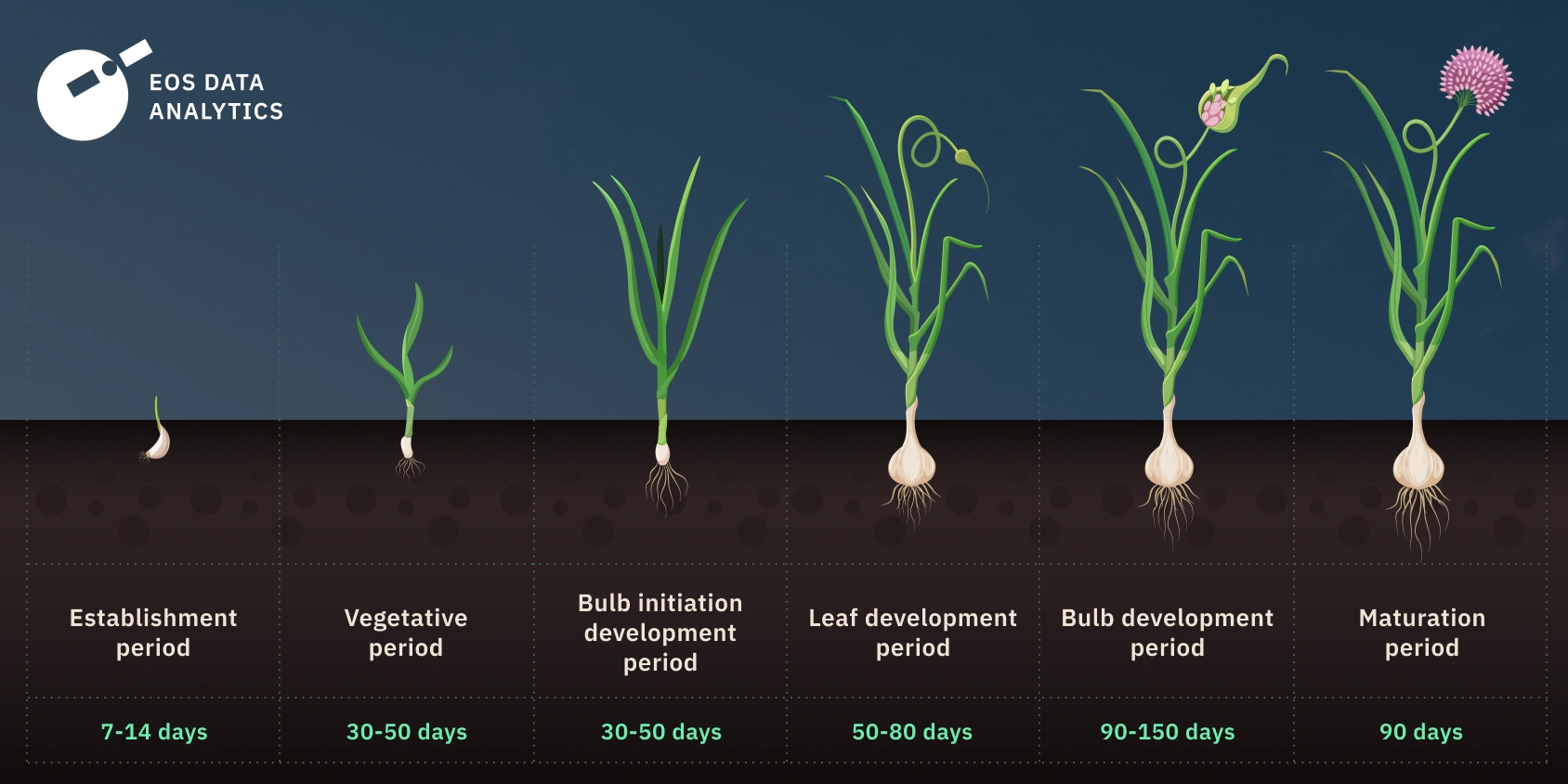
To successfully grow garlic, one must consider several key factors that influence its development. From selecting the right variety to understanding planting techniques and post-harvest care, the secret to cultivating robust garlic lies in meticulous planning and execution.
Choosing the Right Garlic Variety
Selecting the correct variety of garlic is crucial as different types have varying flavors, sizes, and growing requirements. Common varieties include softneck and hardneck garlic, each thriving under specific conditions.
- Softneck Garlic: Often preferred for mild climates, softneck varieties are better suited for storage and offer a longer shelf life.
- Hardneck Garlic: This type usually thrives in colder climates and is known for its robust flavor and the presence of a flower stalk.
- Elephant Garlic: Though technically a type of leek, this garlic variant produces large cloves and has a milder taste.
Soil Preparation and Quality
Garlic requires well-draining soil rich in organic matter. Preparing the soil ahead of planting is vital for healthy growth.
- Testing Soil pH: Ideally, garlic thrives in slightly acidic to neutral soil with a pH of 6.0 to 7.0.
- Amending the Soil: Incorporate high-quality compost or well-rotted manure to enhance nutrient content.
- Tilling the Soil: Ensure the soil is well-tilled to improve aeration and drainage, which are crucial for root development.
Proper Planting Techniques
The timing of planting and methods used can greatly influence the success of garlic cultivation.
- Planting Time: Garlic is typically planted in the fall before the first frost or in early spring in warmer regions.
- Clove Preparation: Separate the cloves from the bulb a few days before planting and discard any damaged ones.
- Spacing and Depth: Plant cloves upright, about 2 inches deep and 6 to 8 inches apart, allowing sufficient space for growth.
Watering and Maintenance
Garlic needs adequate moisture, especially during its early growth stages, but overwatering can lead to bulb rot.
- Establishing a Watering Routine: Water garlic when the top inch of soil feels dry; this usually means approximately 1 inch of water per week.
- Using Mulch: Apply a layer of mulch to help retain moisture, suppress weeds, and maintain soil temperature.
- Monitoring Growth: Keep an eye out for pests and diseases; using organic methods can prevent infestations without harming the plants.
Harvesting and Storage
Knowing when and how to harvest garlic is pivotal for maximizing flavor and longevity.
- Harvest Timing: Garlic is typically ready to harvest when the lower leaves turn yellow and begin to dry out.
- Careful Lifting: Use a fork to gently lift bulbs from the soil, being careful not to damage them.
- Proper Curing: Allow harvested garlic to cure in a dry, airy location before storing; this enhances flavor and storage life.
What should you not plant near garlic?
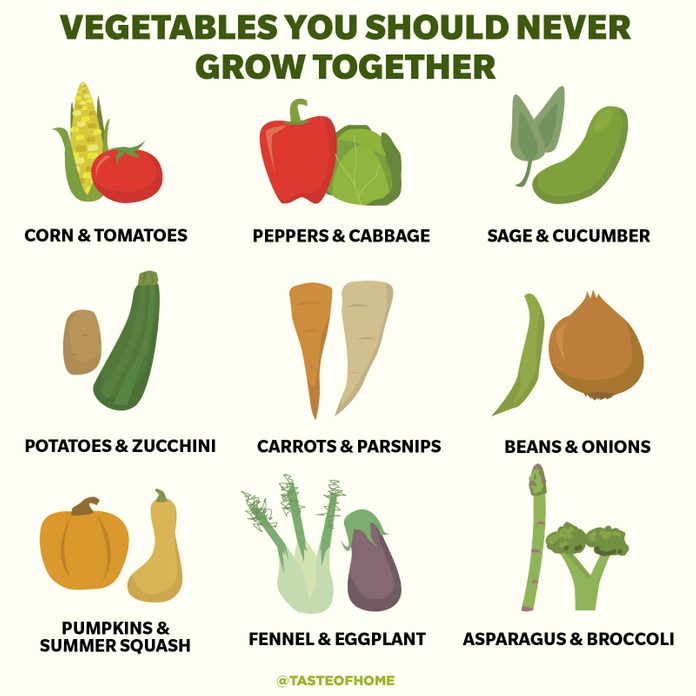
Garlic is known for its strong flavor and numerous health benefits, but it also has specific planting requirements, particularly when it comes to companion planting. There are certain plants that should not be planted near garlic, as they can hinder its growth or adversely affect its flavor and health. Below are some plants that are best kept away from garlic.
Onions
Onions and garlic are both members of the Allium family, and they can actually inhibit each other's growth when planted too closely together. This can result in reduced bulb size and overall yield. It’s better to keep them apart to allow both plants to grow to their full potential.
- Both plants compete for similar nutrients, leading to stunted growth.
- Planting them together may increase susceptibility to disease.
- Distance helps in achieving optimal bulb development for both species.
Beans
Beans, particularly pole beans, are known to produce compounds that can negatively affect garlic's growth. These compounds can hinder garlic's ability to thrive and develop strong bulbs. It’s advisable to find a separate location for beans.
- Beans can release toxins that are detrimental to garlic.
- They compete for water and nutrients in the soil.
- The intermingling of root systems can lead to overall plant stress.
Peas
Like beans, peas are another group that does not pair well with garlic. The interaction between the two can limit the garlic’s growth and flavor profile, making it less robust. Keeping them apart is essential for successful growth.
- Peas and garlic share similar growing requirements, increasing competition.
- They can draw similar nutrients from the soil, impacting yield.
- Each plant's rooting structure can interfere with the other’s growth.
Mint
Mint is an aggressive grower and can quickly overtake an area where garlic is planted. Its rapid growth can lead to competition for resources, preventing garlic from achieving full development. Therefore, it’s wise to plant mint in a pot or distant location.
- Mint’s invasive growth can overshadow garlic plants.
- Roots of mint can absorb nutrients and moisture meant for garlic.
- It can overshadow the garlic, thus limiting sunlight access.
Horseradish
Horseradish has a tendency to spread very easily and can become invasive. Its aggressive growth can hinder garlic's ability to thrive since they compete for similar soil resources. Keeping horseradish far from garlic is advisable.
- Horseradish roots can dominate the space and nutrient supply.
- It can introduce various pests that affect garlic health.
- Close proximity may interfere with garlic's growth and flavor development.
Is it better to grow garlic indoors or outdoors?
:max_bytes(150000):strip_icc()/ms-how-to-grow-garlic-indoors-e92a061bb9fd42898bc8d922ee9839be.jpg)
Growing garlic can be an enriching experience, whether done indoors or outdoors. Each method has its advantages and disadvantages, making the choice dependent on individual circumstances, such as climate, space, and personal preference.
Indoor Garlic Growing: Benefits and Challenges
Growing garlic indoors has several benefits, but it also comes with challenges:
- Controlled Environment: Indoor planting allows for a controlled environment where temperature and humidity can be managed, reducing the risk of pests and diseases.
- Accessibility: Indoor garlic can be grown year-round, regardless of the harsh weather conditions outside.
- Space Limitations: Indoor growing requires adequate light and space. Smaller pots limit the number of bulbs you can plant.
Outdoor Garlic Growing: Benefits and Challenges
Growing garlic outdoors can yield a robust harvest but also faces challenges:
- Natural Pollination: Outdoor garlic benefits from natural pollinators and environmental conditions, which can contribute to stronger growth.
- Soil Quality: The potential for rich soil and natural nutrients supports healthy plant growth and larger bulbs.
- Seasonal Factors: Outdoor crops are vulnerable to weather fluctuations and require careful timing for planting and harvesting.
Garlic Varieties Best Suited for Indoor Cultivation
Certain varieties of garlic thrive better indoors due to their growth habits:
- Softneck Garlic: This variety is more adaptable to indoor conditions and is often used for braiding.
- Seed Garlic Selection: Choosing disease-free seed garlic is crucial for successful indoor growth.
- Growth Period: Some varieties have shorter growing cycles, making them more suitable for indoor cultivation.
Tips for Successful Indoor Garlic Growth
To enhance the chances of successfully growing garlic indoors, consider these tips:
- Lighting: Ensure your garlic receives adequate light, either through natural sunlight or grow lights.
- Potting: Use well-draining soil and appropriate pots with enough depth for root development.
- Watering: Regularly check soil moisture levels; overwatering can lead to rot while under-watering can stress the plants.
Factors Influencing Outdoor Garlic Growing Success
For outdoor garlic cultivation, various factors come into play:
- Soil Preparation: Preparing the soil with compost and ensuring proper drainage is essential for healthy growth.
- Climate Considerations: Understanding your local climate can help determine the best planting and harvesting times.
- Pest Management: Being vigilant about pests and diseases helps protect your crop and improve yield quality.
What is the mistake in planting garlic?

The mistake in planting garlic often lies in various factors that can significantly affect its growth and yield. Below are some common errors gardeners make when planting garlic:
Choosing the Wrong Garlic Variety
Choosing the right garlic variety is crucial for successful cultivation. Different types of garlic can thrive in different climates and soil conditions.
- Softneck vs. Hardneck: Softneck varieties are better suited for warmer climates, while hardneck types are more tolerant of cold temperatures.
- Local Adaptation: Selecting garlic that is well-adapted to your local conditions can improve growth and resistance to disease.
- Seed Quality: Using healthy, disease-free garlic bulbs as seeds is essential for robust development.
Planting at the Wrong Time
Timing is a critical factor when planting garlic. Most gardeners fail to plant at the optimal season.
- Fall Planting: Garlic is generally planted in the fall, allowing it to establish roots before winter.
- Spring Planting: While garlic can also be planted in early spring, it may not yield as well as fall-planted garlic.
- Climate Considerations: Understanding your climate will help determine the best planting time to ensure proper bulb development.
Improper Soil Preparation
Soil quality directly impacts garlic growth. Many gardeners overlook the importance of preparing the soil effectively.
- Soil Type: Garlic prefers well-drained loamy soil rich in organic matter.
- pH Levels: The soil pH should ideally be between 6.0 and 7.0 for optimal growth.
- Nutritive Additives: Adding compost or fertilizer can enhance nutrient availability, which is crucial for bulb formation.
Spacing Issues
Proper spacing between garlic plants is vital for allowing ample air circulation and nutrient access.
- Crowding: Planting too closely can lead to competition for nutrients and water, reducing overall yield.
- Optimal Distance: Garlic cloves should typically be spaced 4 to 6 inches apart in rows that are 12 to 18 inches apart.
- Mulching: Using mulch can help suppress weeds and maintain soil moisture while providing additional spacing.
Neglecting Watering Needs
Watering is another critical aspect that is often overlooked by garlic growers.
- Consistent Moisture: Garlic needs regular watering, especially during dry spells, to develop healthy bulbs.
- Avoiding Overwatering: Too much moisture can lead to bulb rot and fungal diseases.
- Watering Schedule: Establishing a balanced irrigation routine, particularly during the growing season, is essential for health.
Questions from Our Readers
What is the best soil type for growing garlic?
Garlic thrives best in well-drained, loamy soil that is rich in organic matter. The ideal pH level should be between 6.0 and 7.5, as this range provides the necessary nutrients for healthy growth. To enhance the soil, adding compost or well-rotted manure can improve its texture and fertility, making it more conducive for garlic cultivation.
How much sunlight does garlic need?
Garlic requires a minimum of 6 to 8 hours of direct sunlight each day to grow effectively. Full sun exposure promotes strong bulb development and prevents diseases. Therefore, it is crucial to select a planting location that receives adequate light to ensure robust growth and a high-quality harvest.
What is the ideal planting depth for garlic?
When planting garlic, it is important to plant cloves at a depth of about 2 to 3 inches. This depth allows for proper root establishment while protecting the cloves from extreme temperatures. Planting too shallow may result in poor bulb formation, while planting too deep can hinder growth, so finding the right depth is essential for a successful garlic garden.
When is the best time to plant garlic?
The best time to plant garlic is in the fall, typically about 4 to 6 weeks before the first hard frost. This timing allows the garlic to establish its roots while benefiting from cooler temperatures, leading to better growth in the spring. Alternatively, garlic can also be planted in early spring, but fall planting generally results in a larger and more flavorful crop.
If you want to read more articles like What is the Best Position to Grow Garlic? Discover Ideal Planting Tips and Techniques, we recommend you check out our Garlic category.
Leave a Reply
Related Articles