How Deep Do You Set Garlic? A Comprehensive Guide for Successful Planting
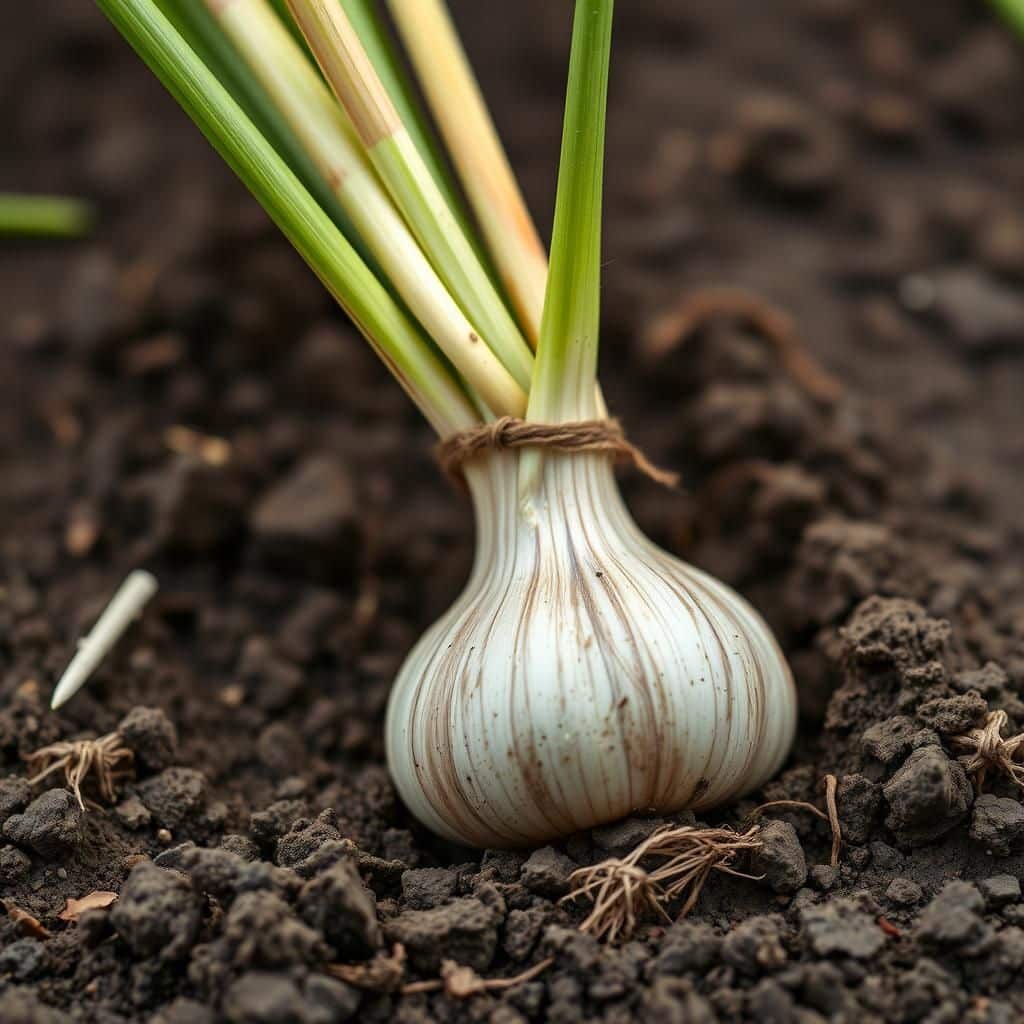
Garlic is a versatile and flavorful addition to many dishes, making it a favorite among home gardeners. However, achieving a successful garlic harvest requires more than just planting the cloves. One of the crucial factors to consider is how deep to set the garlic. In this comprehensive guide, we will explore the ideal planting depths for different garlic varieties, the importance of soil conditions, and tips for ensuring healthy growth. Whether you're a novice gardener or a seasoned pro, understanding the depth at which to plant garlic will significantly impact your yield and the overall quality of your crop.
How Deep Should You Plant Garlic?
When planting garlic, it is essential to bury the cloves at a depth of approximately 2 to 3 inches in well-draining soil. This depth allows the garlic to establish a strong root system while minimizing the risk of fungal diseases that can arise from excessive moisture. Additionally, be sure to plant the cloves with the pointed end facing upwards to encourage proper growth. Maintaining a distance of about 6 inches between each clove will promote optimal spacing and airflow, further enhancing the garlic's growth potential.
Why Depth Matters in Garlic Cultivation
The depth at which garlic is planted affects its growth and yield. Planting cloves too shallow may expose them to temperature fluctuations and pests, while planting them too deep can hinder their emergence and stunted growth. Therefore, finding the balance in depth is vital for ensuring that the garlic has sufficient warmth and moisture without the risk of rot or pest invasion.
Optimal Soil Conditions for Garlic
Garlic thrives in well-draining soil rich in organic matter. The right soil conditions not only facilitate the planting depth necessary for garlic but also contribute to healthy growth and development. Amend the soil with compost before planting to enhance its nutrient content. When the soil is aerated and adequately drained, the garlic roots can grow deeply and robustly, supporting the plant as it matures.
Seasonal Considerations for Planting Garlic
The timing of planting garlic is crucial, as it is typically sown in the fall or spring, depending on the climate. In colder regions, planting in the fall allows the garlic to establish roots before winter, while spring planting may require slightly shallower depths due to the warmer soil temperatures. Assessing your local climate and the associated risks of frost or premature sprouting will guide the appropriate planting depth and timing.
Spacing Between Garlic Cloves
When planting garlic, spacing between cloves is equally important as depth. Maintaining a distance of 6 to 8 inches between each clove is recommended to ensure that they have enough room to grow without competing for nutrients or light. This spacing fosters better airflow around the plants, which can help reduce the likelihood of diseases such as rust or mold that thrive in crowded conditions.
Watering and Mulch Techniques for Garlic
Once garlic has been planted at the correct depth, proper watering and mulch techniques play a crucial role in its development. Garlic requires consistent moisture but should not be waterlogged. Utilizing organic mulch helps retain soil moisture, control weeds, and maintain consistent soil temperatures. As garlic grows, a layer of mulch can help retain moisture and protect the bulbs, especially during dry spells.
| Planting Depth (inches) | Spacing (inches) | Soil Type | Watering Frequency | Season |
|---|---|---|---|---|
| 2-3 | 6-8 | Well-draining, rich | Regular, not waterlogged | Fall or Spring |
How deep do you plant garlic sets?
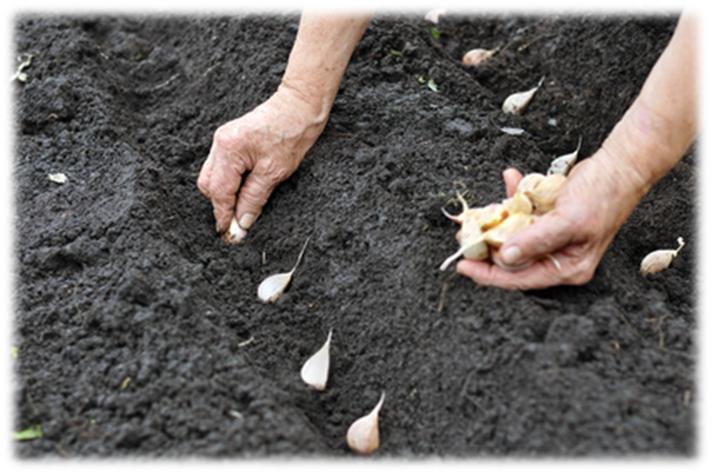
To plant garlic sets, the general depth is about 2 to 3 inches (5 to 7.5 cm) below the soil surface. It's important to understand that the deeper you plant, the longer it will take for the garlic to emerge, while planting them too shallow may expose the cloves to harsh environmental conditions. Here are a few key considerations regarding planting depth.
Understanding Garlic Sets
Garlic sets are small bulbs that are planted to grow new garlic plants. They are actually the individual cloves from a larger garlic bulb. The health and size of the garlic set will influence how deep they should be planted. The bigger the garlic set, the deeper it typically needs to be planted for optimal growth.
- Healthy sets provide better growth.
- Choose larger cloves for better yields.
- Ensure that sets are disease-free before planting.
Soil Type and Conditions
The type of soil in which you are planting can affect the depth of garlic sets. Well-draining soil can allow for shallower planting, while heavy or compact soil may require deeper planting to ensure that the bulbs can grow without obstruction. Additionally, moist but not overly wet soil can help support garlic growth.
- Loamy soil is preferable for garlic sets.
- Avoid compacted or clay-heavy soil types.
- Maintain proper moisture without overwatering.
Timing for Planting
The timing of when you plant garlic sets can influence the ideal depth as well. Typically, garlic is planted in the fall or early spring, depending on the climate. When planting in the fall, you may want to plant deeper to protect the cloves from freezing temperatures, while spring planting may require less depth if the ground is softer.
- Fall planting often benefits from deeper planting.
- Spring planting can be shallower if the ground is clear.
- Consider seasonal weather variations in your area.
Mulching and Protection
Applying a layer of mulch after planting can help regulate soil temperature and moisture levels. This layer can also provide additional insulation for the garlic sets during colder months. The depth of mulch may also impact how deep you plant the garlic, as you want to ensure that the tops of the cloves are adequately covered.
- Use organic materials like straw for mulching.
- Mulching helps retain moisture and suppress weeds.
- Monitor mulch thickness to ensure proper coverage.
Post-Planting Care
After planting garlic sets at the appropriate depth, providing proper ongoing care is crucial for healthy growth. This includes monitoring soil moisture, weeding, and ensuring that the garlic receives adequate nutrients. The depth at which the garlic is planted will also influence how quickly it grows and emerges from the soil.
- Regularly check soil moisture levels.
- Weed to reduce competition for nutrients.
- Fertilize as needed based on soil health.
How deep does garlic have to be buried?
Garlic, a popular culinary ingredient known for its strong flavor and health benefits, requires specific planting conditions to thrive. Understanding the depth at which garlic should be buried is crucial for its growth and development.
Recommended Depth for Planting Garlic
Garlic cloves should typically be planted 2 to 3 inches deep in the soil. This depth allows the cloves to establish strong root systems while protecting them from environmental stressors, such as temperature fluctuations. Here are some benefits of planting at the correct depth:
- Optimal root development: Ensures the garlic clove can access moisture and nutrients.
- Protection from frost: Deeper planting helps shield the bulbs from cold weather.
- Avoiding pests: A suitable depth can deter certain pests that thrive on the soil surface.
Factors Influencing Garlic Planting Depth
Several factors can influence how deep garlic should be planted. These include climate, soil type, and the specific garlic variety. Understanding these variables can help gardeners optimize their planting techniques.
- Soil condition: Loose, well-draining soil allows for deeper planting without risking suffocation of the bulb.
- Climate: In warmer climates, garlic may be planted a little deeper to prevent overheating during summer.
- Garlic variety: Softneck varieties may require different planting depths compared to hardneck types.
How to Prepare Garlic for Planting
Proper preparation of garlic cloves before burying them is essential for successful growth. Ensuring that the cloves are healthy and free from diseases will set the foundation for robust plants.
- Choose healthy cloves: Select large, firm cloves from disease-free bulbs.
- Separate cloves: Gently separate individual cloves without damaging the papery skin.
- Pre-soak cloves: Soaking in a diluted solution of water and baking soda can help eliminate any potential pathogens.
Best Time to Plant Garlic
Timing significantly impacts the success of garlic cultivation. Knowing the best time to plant can ensure that garlic matures properly and yields a bountiful harvest.
- Fall planting: In most regions, garlic is best planted in the fall, 4-6 weeks before the ground freezes.
- Spring planting: In areas with milder winters, garlic can also be planted in early spring.
- Consider local climate: Adjust planting times based on regional climate conditions to avoid extreme temperatures.
Aftercare for Planted Garlic
Once garlic has been planted at the correct depth, providing appropriate aftercare is essential for healthy growth. This step helps maintain an ideal environment for the garlic to thrive.
- Water regularly: Ensure the soil remains moist but not waterlogged, especially during dry spells.
- Weed control: Keep the planting area free from weeds that compete for nutrients and water.
- Fertilization: Use organic fertilizers to provide necessary nutrients throughout the growing season.
What happens if you don't plant garlic deep enough?

If you don't plant garlic deep enough, several issues may arise that can affect the growth and health of the garlic plants. Garlic thrives in specific growing conditions, including soil depth, which is vital for proper bulb development. The recommended planting depth is usually around 2 to 4 inches, depending on the soil type and climate conditions. When garlic is not planted deep enough, it can result in a variety of challenges that may hinder its productivity.
Impact on Bulb Development
When garlic is planted too shallow, the development of its bulb may be adversely affected. A proper depth allows the garlic to grow strong roots, which are essential for nutrient and water absorption. Shallow planting can lead to:
- Reduced bulb size: Garlic bulbs may not reach their full potential size.
- Inconsistent formation: The bulbs may form unevenly, resulting in smaller and irregularly shaped heads.
- Weak anchorage: Shallow roots can make the plants more susceptible to uprooting by wind or rain.
Vulnerability to Environmental Stress
Garlic that is not planted deep enough can be more vulnerable to environmental stressors. The shallow roots may struggle to access moisture and nutrients, which can lead to increased stress on the plants during adverse weather conditions. This vulnerability can manifest in several ways:
- Increased susceptibility to drought: Shallow-rooted garlic may not have access to deeper moisture reserves during dry spells.
- Inability to withstand heavy rains: Plants with shallow roots can be easily dislodged by heavy rainfall.
- Greater risk of temperature fluctuations: Shallow planting can expose the garlic to wider fluctuations in soil temperature, affecting growth.
Higher Risk of Pest Infestation
Planting garlic too close to the surface can also increase the likelihood of pest infestations. Shallow planting provides easier access for certain pests that can harm the garlic. Possible issues include:
- Root maggots: These pests can easily reach the bulbs, causing significant damage.
- White rot: A disease that can be exacerbated by poor planting depth, affecting bulb health.
- Weed competition: Weeds, which typically thrive in shallower soils, can outcompete garlic for nutrients and sunlight.
Compromised Flavor and Quality
The flavor and quality of garlic can be impacted by inadequate planting depth. Bulbs that don’t develop properly may have weaker flavors and compromised culinary qualities. This can lead to:
- Less pungency: Garlic that has insufficient growth time may not develop its characteristic strong flavor.
- Poor shelf life: Ineffectively developed bulbs may rot or spoil faster than those grown under optimal conditions.
- Subpar culinary performance: An inferior taste can affect its appeal in recipes and cooking.
Delayed Growth and Development
Finally, garlic planted too shallow can experience delayed growth, affecting the overall development cycle. With insufficient depth, garlic plants may take longer to establish themselves, leading to delayed harvest times. The consequences of this can include:
- Lagging behind schedule: Seasons may change, affecting growth if planting happens too early or late.
- Reduced yield: Delayed growth often means a lower yield of garlic bulbs at harvest time.
- Longer vulnerability period: Prolonged growth periods can expose garlic to more disease and pest pressures.
Questions from Our Readers
How deep should garlic be planted?
Garlic should typically be planted 2 to 4 inches deep, depending on your soil type and climate conditions. A depth of around 3 inches is generally recommended to ensure the bulbs develop properly while remaining protected from extreme weather.
Does the depth of planting affect garlic growth?
Yes, the depth at which you plant garlic can significantly impact its growth. If planted too shallow, the bulbs may be exposed and vulnerable to pests and damage, while planting too deep can lead to delayed sprouting and insufficient sunlight exposure.
Should I adjust the planting depth for different garlic varieties?
While most garlic varieties can be planted at the same general depth, it's important to consider the specific growth habits of each type. Hardneck varieties often thrive better when planted slightly deeper compared to softneck types, which may require less depth.
Can I plant garlic in containers, and how deep should I plant them?
When planting garlic in containers, it is advisable to maintain a depth of at least 4 inches of soil. This depth will allow the garlic cloves to establish their roots properly while providing sufficient space for the developing bulbs.
If you want to read more articles like How Deep Do You Set Garlic? A Comprehensive Guide for Successful Planting, we recommend you check out our Garlic category.
Leave a Reply
Related Articles