What's the Best Spacing for Garlic? Discover Optimal Planting Distances for Maximum Yield

When it comes to cultivating garlic, understanding the optimal spacing for planting is crucial for achieving maximum yield. Many novice gardeners overlook this essential factor, leading to stunted growth and disappointing harvests. In this article, we will explore the best planting distances for garlic bulbs, taking into account various factors such as variety, soil quality, and local climate. By following these guidelines, you can enhance your garlic crop's health and productivity, ensuring a bountiful harvest. Join us as we delve into the intricacies of garlic spacing and learn how to grow this flavorful staple effectively.
What is the Best Spacing for Garlic?
When planting garlic, the best spacing largely depends on the type of garlic and the method of cultivation, but a general guideline is to space individual cloves about 6 to 8 inches apart in rows that are 12 to 18 inches apart. This spacing allows for adequate airflow, sunlight, and room for the bulbs to grow to their full size without competing for resources. Overcrowding can lead to smaller bulbs and increased risk of disease, so maintaining this recommended spacing is essential for a successful garlic harvest.
Factors Influencing Garlic Spacing
Different factors can influence the recommended spacing for garlic, such as the variety of garlic (hardneck or softneck) and the growing conditions. Hardneck garlic varieties typically require a little more space, as they tend to produce larger bulbs and tall scapes that can take up room. Additionally, factors like soil fertility, drainage, and climate can further impact how closely garlic should be planted. It’s crucial to assess these conditions before deciding on the exact spacing.
Importance of Airflow
Adequate airflow is vital in garlic cultivation as it helps to minimize the risk of fungal diseases, which can thrive in damp, crowded conditions. By maintaining the recommended spacing of 6 to 8 inches between cloves, you allow for air to circulate freely around the plants. This can aid in drying out any moisture that might accumulate, reducing the likelihood of issues such as white rot or downy mildew, which are common problems in densely planted garlic.
Soil Nutrient Management
Proper spacing can affect soil nutrient management during the growth period. When garlic is planted too close together, they compete for nutrients in the soil, which can lead to weaker plants with poor bulb development. Using the spacing of 12 to 18 inches between rows ensures that each plant has access to sufficient nutrients, promoting healthier growth and a more robust final product. Additionally, this spacing makes it easier for gardeners to apply fertilizers and amendments effectively.
Yield Optimization
Optimizing the yield of garlic is a primary concern for growers, and correct spacing plays a key role in this process. By spacing garlic cloves adequately, you can maximize the size and quality of the bulbs produced. Studies show that clove spacing of 6 to 8 inches tends to yield a higher percentage of larger bulbs compared to crowded conditions. This is essential for both home gardeners and commercial growers aiming for a profitable harvest.
Spacing Recommendations for Different Climates
The recommended spacing for garlic can also vary based on local climate conditions. In regions with warmer climates, maintaining a wider spacing may help reduce heat stress on the plants, while cooler climates may allow for a closer spacing due to lower evaporation rates and disease pressures. Adapting your spacing approach to suit the local environmental conditions can lead to healthier plants and a more productive garlic crop.
| Garlic Variety | Recommended Clove Spacing | Row Spacing |
|---|---|---|
| Hardneck | 6 - 8 inches | 12 - 18 inches |
| Softneck | 4 - 6 inches | 10 - 14 inches |
| Elephant Garlic | 8 - 12 inches | 18 - 24 inches |
What is the best spacing for garlic?

The best spacing for garlic depends on several factors, such as the variety of garlic, soil fertility, and the intended use of the garlic. However, a general guideline suggests that garlic cloves should be planted 4 to 6 inches apart in rows that are spaced 12 to 18 inches apart. This spacing allows for adequate air circulation, sunlight exposure, and room for the bulbs to grow without competition for nutrients. Ensuring proper spacing is crucial for achieving healthy garlic plants and maximizing yield.
Understanding Garlic Growth Habit
Garlic plants have a unique growth habit that influences their spacing requirements. Garlic typically grows in a vertical fashion and expands laterally with its bulb formation. Understanding this growth pattern is essential for determining the proper spacing.
- Vertical Growth: Garlic shoots grow upwards, requiring space above and below for optimal light and air.
- Lateral Expansion: As garlic bulbs form, they require additional space to develop fully without competing with neighboring plants.
- Root Development: Garlic needs enough space for roots to spread, which helps in nutrient and water absorption.
Soil Quality and Fertility
Soil quality plays a significant role in garlic spacing. Fertile, well-drained soil can support closer spacing, while poorer soil may require more distance between plants.
- Nutrient Availability: Rich soil promotes vigorous growth and can handle closer plant spacing without competition issues.
- Drainage: Well-drained soils prevent waterlogging, allowing garlic roots to expand properly without stress.
- Soil Testing: Conducting a soil test can inform you of nutrient levels, helping optimize spacing based on the results.
Varieties of Garlic
Different varieties of garlic have specific spacing needs based on their growth characteristics and bulb size.
- Hardneck Garlic: Generally requires more space due to larger bulb sizes and should be spaced 6 inches apart.
- Softneck Garlic: Can typically be planted closer together, about 4 inches apart, as they produce smaller bulbs.
- Local Adaptation: Different regions may favor certain garlic varieties; therefore, spacing should also consider local growth patterns.
Spacing for Different Growing Conditions
The environmental conditions under which garlic is grown can also dictate spacing practices.
- Warm Climates: In warmer areas, garlic may need more space for proper air circulation to reduce disease risks.
- Crowded Conditions: Growing garlic in shaded or unfavorable conditions may require additional spacing to ensure adequate light.
- Irrigation Practices: Overhead watering systems may necessitate wider spacing to avoid fungal diseases.
Maximizing Yield with Proper Spacing
Proper spacing not only affects plant health but also influences the yield of garlic crops.
- Competition for Resources: Adequate spacing minimizes competition for nutrients and moisture, leading to larger bulbs.
- Air Circulation: Preventing overcrowding increases airflow, reducing the risk of fungal diseases and promoting healthy growth.
- Ease of Harvesting: Proper spacing makes it easier to harvest garlic bulbs without damage, improving overall yield quality.
What happens when you plant garlic too close together?

When you plant garlic too close together, several issues can arise that negatively affect the growth and overall yield of the garlic bulbs. Garlic needs space to develop healthy roots and foliage; overcrowding can limit these critical growth aspects. Below are the main consequences of planting garlic too closely.
Reduced Bulb Size
Planting garlic too close together can result in a significant reduction in bulb size. When garlic plants compete for resources, such as nutrients and water, they cannot allocate enough energy to developing large bulbs.
- Competition for Nutrients: Closer spacing leads to increased competition among the plants for essential nutrients.
- Water Stress: Garlic needs consistent moisture, and overcrowded plants often suffer from water stress.
- Root Interference: The roots of each plant can entangle, further complicating nutrient and water uptake.
Pest and Disease Vulnerability
Overcrowded garlic plants can become more susceptible to pests and diseases. When air circulation is limited, it creates an environment that is conducive to fungal growth and pest infestations.
- Humidity Buildup: The dense foliage can trap moisture, increasing the risk of fungal diseases like downy mildew.
- Pest Attraction: Closer proximity can attract pests that thrive in overcrowded conditions, such as aphids and thrips.
- Disease Spread: If one plant becomes infected, it is easier for diseases to spread among closely planted garlic.
Poor Air Circulation
Garlic plants require good air circulation to thrive. When planted too close, the lack of airflow can promote various health issues.
- Fungal Infections: Limited circulation can lead to an increased risk of fungal infections due to higher humidity levels.
- Reduced Growth: Stunted growth can occur as plants struggle due to inadequate light and airflow.
- Temperature Variations: Overcrowding can create microclimates around the plants, making them prone to uneven temperature changes.
Weed Competition
When garlic is planted too closely, it can also invite weed competition, which can stunt growth and reduce the overall yield.
- Weed Growth: Weeds that settle between congested plants can take valuable nutrients and water from the garlic.
- Light Competition: Weeds can overshadow the garlic plants, limiting their access to light necessary for photosynthesis.
- Increased Maintenance: Managing weeds in tight areas can be labor-intensive, complicating care routines.
Harvesting Challenges
Finally, when garlic is planted too close, it can create challenges during the harvesting process, complicating what should be a straightforward task.
- Root Entanglement: Close spacing can lead to roots intertwining, making it difficult to pull up bulbs without damaging them.
- Bulb Damage: Harvesting crowded plants can result in bruised or broken bulbs, reducing their market value.
- Increased Labor Cost: Overcrowded conditions can lead to more time and effort needed for a successful harvest.
What should you not plant near garlic?
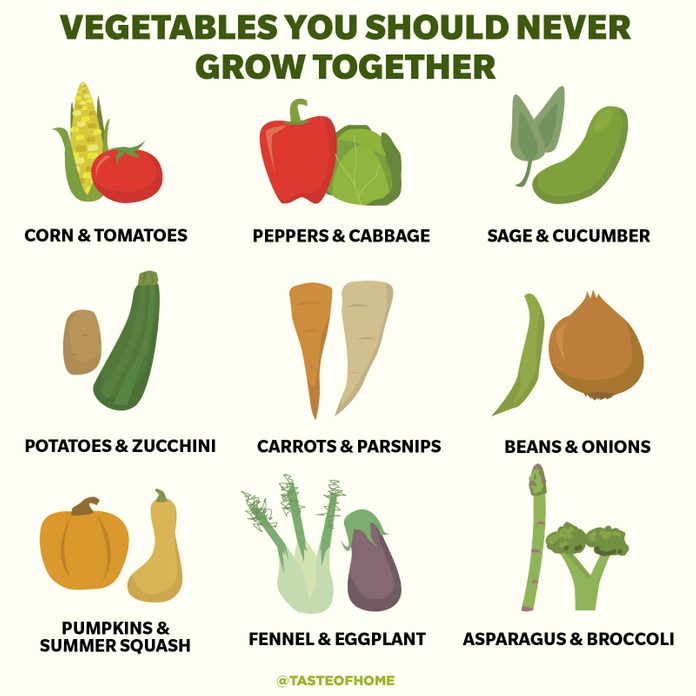
When considering companion planting, it is important to be aware of which plants may not thrive or may even be negatively affected when planted near garlic. Garlic is a strong-smelling herb that can influence the growth of certain plants. Here are some plants that should be avoided when planting near garlic:
Plants That Deteriorate Garlic's Growth
Some plants can hinder garlic's overall growth and development. These include:
- Beans: They can compete for nutrients and space, impacting garlic's growth negatively.
- Peas: Similar to beans, they may inhibit garlic's root development.
- Onions: Both onions and garlic belong to the Allium family, but planting them together can lead to reduced flavors and yields.
Vegetables Sensitive to Garlic's Chemical Compounds
Certain vegetables can be adversely affected by the chemical compounds present in garlic. Avoid planting these vegetables to prevent growth issues:
- Potatoes: Garlic can release compounds that may lead to diseases in potatoes.
- Carrots: The interaction between garlic and carrots can lead to reduced yields due to nutrient competition.
- Beets: Similar to carrots, beets may struggle to grow healthy when interplanted with garlic.
Herbs Not Compatible With Garlic
Some herbs do not thrive when planted near garlic, limiting their growth potential. Consider the following:
- Mint: Garlic can dominate the growth of mint, leading to stunted plants.
- Chives: As another member of the Allium family, chives can face competition from garlic.
- Basil: The strong scent of garlic can inhibit the growth and flavor profile of basil.
Crops Susceptible to Pests
Planting certain crops near garlic, which is known for its pest-repelling properties, can create unintentional issues:
- Tomatoes: While garlic can repel some pests, the combination may attract others that specifically target tomatoes.
- Eggplants: Similar to tomatoes, eggplants can also suffer from pest issues when near garlic.
- Sweet Peppers: The presence of garlic may not protect sweet peppers from specific pests that might be attracted to both.
Companions That Struggle With Garlic
Certain companion plants do not perform well when planted near garlic and can lead to poor crop yields:
- Roses: The competition for nutrients can lead to unhealthy roses when planted near garlic.
- Strawberries: They may struggle for resources, hindering fruit production.
- Zucchini: Garlic can impede the growth of zucchini, leading to reduced harvests.
Questions from Our Readers
What is the ideal spacing for planting garlic?
To achieve optimal growth, garlic should be planted with a spacing of about 6 to 8 inches between each clove. This distance allows the plants sufficient room to develop their bulbs without competing for nutrients or water.
Can garlic be planted too close together?
Yes, planting garlic too close together can lead to stunted growth and smaller bulbs. When cloves are overcrowded, they may not receive enough access to light, nutrients, and water, which are essential for proper bulb development.
What affects the spacing of garlic plants?
Several factors can influence the spacing of garlic plants, including the variety of garlic, the soil quality, and the growing conditions such as climate and moisture. Different garlic varieties may require more or less space to thrive effectively.
How does spacing impact garlic yield?
Proper spacing can significantly impact garlic yield because adequate room allows each plant to grow optimally, resulting in larger bulbs and an overall better harvest. When spaced correctly, garlic plants are more likely to produce a robust and healthy yield.

If you want to read more articles like What's the Best Spacing for Garlic? Discover Optimal Planting Distances for Maximum Yield, we recommend you check out our Garlic category.
Leave a Reply
Related Articles