What Not to Grow Garlic Next To? Essential Companion Planting Tips for Your Garden
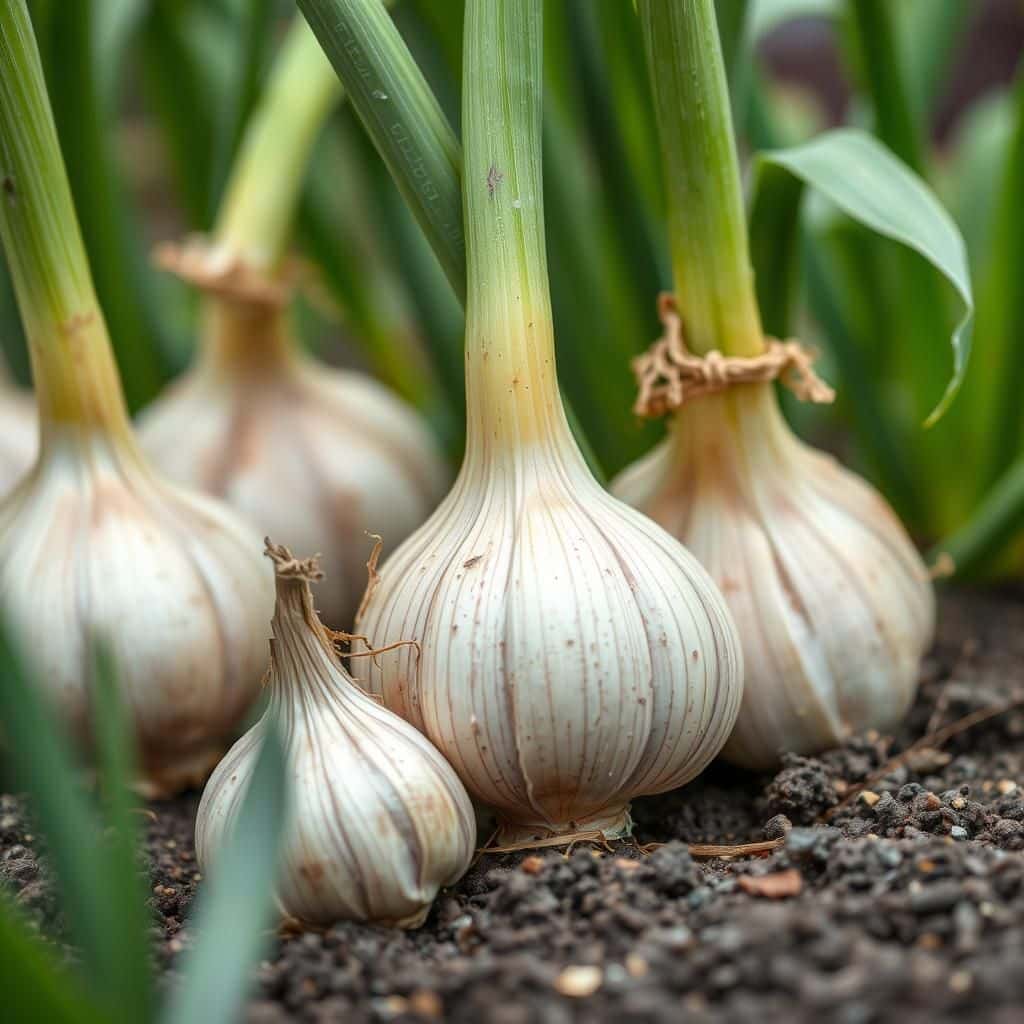
Growing garlic in your garden can be a rewarding endeavor, but it's essential to consider its companion plants. While garlic pairs well with many crops, there are certain plants that can hinder its growth or flavor. Understanding what not to grow garlic next to is crucial for optimizing your garden's potential. This article delves into the essential tips on companion planting, highlighting which plants can negatively affect garlic’s growth and why. By making informed choices about your garden's layout, you can ensure that your garlic thrives alongside its ideal companions, leading to a bountiful and flavorful harvest.
What Not to Grow Garlic Next To?
Garlic is a wonderful addition to many gardens, but it is essential to consider its compatibility with other plants. Certain vegetables and herbs should not be planted near garlic because they can inhibit its growth or flavor. For instance, fava beans, peas, and onions can compete for nutrients in the soil, potentially stunting garlic’s development. Additionally, plants like potatoes and tomatoes may be susceptible to diseases that garlic does not repel, potentially spreading pathogens between crops. Understanding these relationships can help cultivate a healthier and more productive garden.
Incompatible Vegetables
Certain vegetables, such as peas and beans, should be avoided when planting garlic. These plants tend to compete for the same nutrients and resources in the soil, which can lead to reduced growth and yield. Garlic requires sufficient nutrients to develop its robust flavor, and when planted with these companions, it may not thrive as intended.
Companion Herbs to Avoid
When considering herbs, it is wise to avoid planting garlic alongside chives and leeks. Although they belong to the same family, these plants can compete for resources and may hinder each other's proper growth. This competition can lead to a decrease in the overall health and flavor intensity of both the garlic and the herbs.
Pests and Disease Risks
Some crops are more prone to diseases that garlic does not protect against. For example, potatoes and tomatoes can be affected by blight, which garlic cannot prevent. Planting these crops alongside garlic may increase the likelihood of disease spread within the garden, jeopardizing the health of your crop.
Nutrient Competition
Garlic is a heavy feeder, meaning it requires a lot of nutrients to flourish. When planted next to plants like onions or other bulbs, garlic may face stiff competition for nitrogen and other essential nutrients. This rivalry can lead to poor garlic growth and lower yields, undermining the overall garden productivity.
Soil and Water Requirements
Garlic thrives in well-draining, dry soil, while some plants like lettuce require more moisture. Planting garlic near such moisture-loving plants can lead to water competition, affecting both crops negatively. Ensuring that each plant's needs align is crucial in creating a balanced and healthy growing environment.
| Plant Type | Reason |
|---|---|
| Peas and Beans | Competes for nutrients |
| Chives and Leeks | Same family, nutrient competition |
| Potatoes and Tomatoes | Susceptible to diseases |
| Onions | Competes for nitrogen and resources |
| Lettuce | Different soil and moisture needs |
What to avoid planting near garlic?

Garlic is a popular garden plant known for its culinary uses and potential health benefits. However, certain plants may negatively affect garlic growth if planted nearby. Here’s what to avoid when planting garlic.
Companion Planting Principles
Companion planting is a method that involves placing certain plants together to enhance growth, repel pests, or attract beneficial insects. However, not all plants make good companions for garlic. When selecting companions, it is crucial to understand what plants inhibit garlic's growth.
- Plants that attract pests: Certain plants attract pests that may harm garlic.
- Competition for nutrients: Some plants may compete for the same nutrients, impacting garlic health.
- Allelopathic plants: Some plants release chemicals that can inhibit garlic growth.
Plants to Avoid
When it comes to planting garlic, some crops have shown adverse effects when grown in proximity. It is advisable to avoid planting the following plants near garlic:
- Legumes: Beans and peas can compete with garlic for nitrogen in the soil.
- Onions and leeks: These alliums can harbor similar pests and diseases that may affect garlic.
- Potatoes: Potatoes can attract the Colorado potato beetle, which may also affect garlic.
Herbs that Affect Garlic
While many herbs can be beneficial, some may negatively impact garlic growth. Specifically, avoid planting garlic near the following herbs:
- Chives: Chives, being closely related, can attract similar pests harmful to garlic.
- Fennel: Fennel produces compounds that can inhibit the growth of garlic.
- Mint: Mint may compete with garlic for space and nutrients, affecting overall growth.
Flowering Plants to Consider
Certain flowering plants can also prove to be bad companions for garlic. Here are some flower types to avoid planting near garlic:
- Sunflowers: They can attract aphids which may also come to garlic.
- Marigolds: Though often beneficial, they can sometimes inhibit garlic's growth without producing expected benefits.
- Bee Balm: Similar to sunflowers, it attracts pests that could harm garlic.
Diseases and Pests
Pests and diseases can easily spread between nearby plants. Here are some considerations:
- Common pests: Aphids may be attracted to nearby plants, increasing risks for garlic.
- Fungal diseases: Certain plants share disease susceptibility with garlic that may increase risk.
- Root knot nematodes: These can spread between plants, impacting garlic health significantly.
What are the enemies of garlic?
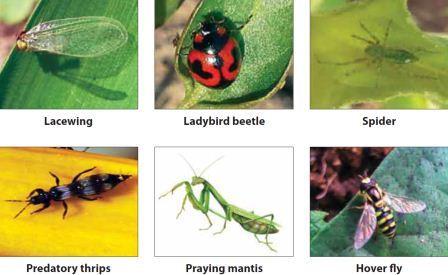
Garlic, known for its culinary and medicinal properties, faces several threats during its growth and storage. These threats can be broadly categorized into pests, diseases, environmental factors, and competition from other plants. Understanding these enemies is essential for anyone looking to cultivate garlic successfully.
Pests That Affect Garlic
Garlic is vulnerable to a variety of pests that can hinder its growth or ruin the bulbs. Some common pests include:
- Onion Maggot: This pest lays its eggs near garlic plants, and the larvae feed on the bulbs, causing significant damage.
- Garlic Bloat Nematode: These microscopic worms invade the bulbs causing bloat and premature death of the plant.
- Aphids: These small insects can cluster on garlic plants, sucking sap and potentially transmitting diseases.
Diseases Affecting Garlic
Garlic is susceptible to several diseases that can affect plant health and yield. Common garlic diseases include:
- White Rot: A fungal disease that causes white, fluffy growth on the soil surface and can severely impact bulb quality.
- Downy Mildew: This disease manifests as yellowing leaves and can diminish the overall strength of the garlic plant.
- Fusarium Basal Rot: This disease attacks the base of the bulb, leading to decay and can be challenging to manage once established.
Environmental Factors
Garlic is sensitive to certain environmental conditions that can lead to stress or poor growth. Key factors include:
- Soil Quality: Poor soil with low nutrients can stunt garlic growth and lead to smaller bulbs.
- Water Availability: Both overwatering and underwatering can adversely affect garlic health, causing issues like root rot or drought stress.
- Temperature Extremes: Garlic requires specific temperature ranges for optimal growth; extreme heat or frost can damage the plants.
Weeds and Competition
Weeds can be significant enemies of garlic as they compete for essential resources. The primary concerns include:
- Nutrient Competition: Weeds can siphon off valuable nutrients from the soil, preventing garlic from reaching its full potential.
- Water Competition: Weeds often take up water more efficiently, particularly in drier conditions, depriving garlic of necessary hydration.
- Light Competition: Taller weeds can shade garlic plants, reducing their access to sunlight, which is crucial for growth.
Storage Enemies
Once harvested, garlic can face several risks during storage, which may affect its longevity and quality. Notable enemies include:
- Moisture: Excess moisture during storage can lead to mold growth and bulb decay.
- Temperature Fluctuations: Inconsistent storage temperatures can cause sprouting or spoilage.
- Pests: Various pests can invade stored garlic, leading to infestation and reduced quality.
Is garlic harmful to other plants?
:max_bytes(150000):strip_icc()/is-it-safe-to-eat-sprouted-garlic-13f473c07199439ba22a88904554f9ea.jpg)
Garlic (Allium sativum) is often considered beneficial in gardening due to its numerous properties, but the question arises whether it can be harmful to other plants. Garlic contains allicin, which can create a micro-environment that might inhibit the growth of certain plants. The impact of garlic on other plants varies widely based on their species, soil conditions, and the growing environment.
Impact on Companion Plants
Garlic is known to be an effective companion plant, especially for crops like tomatoes, roses, and peppers. Its strong scent deters certain pests such as aphids and spider mites. However, it can be detrimental to specific plants.
- Garlic may suppress the growth of legumes (e.g., beans and peas) due to competitive allelochemicals.
- Plants in the Onion family, such as leeks, can be affected negatively due to similarity in nutrient uptake and potential disease transfer.
- Garlic can hinder growth in plants that prefer lower sulfur levels, which garlic tends to elevate in the soil.
Allelopathic Effects
Garlic exhibits allelopathy, a biological phenomenon where one plant produces biochemicals that influence the growth of other plants. This can sometimes lead to stunted growth or even plant death.
- Garlic releases chemical compounds into the soil that can inhibit seed germination of sensitive plants.
- These compounds can affect the microbial communities in the soil, altering the availability of nutrients.
- Some studies suggest that garlic can favor certain weeds, complicating garden management strategies.
Soil Interaction
Garlic can alter the nutrient dynamics of the soil it grows in, which can impact neighboring plants. This can be both beneficial and harmful.
- Garlic may increase sulfur levels, which benefits certain plants like cruciferous vegetables but can harm those that are sensitive to it.
- The root systems of garlic can compete with nearby plants for essential nutrients and moisture.
- In some cases, garlic can provide a host for soil-borne diseases that may affect other plants.
Pest Deterrence vs. Plant Harm
While garlic is known for its ability to deter pests due to its strong smell and chemical composition, its effectiveness can vary with different plants.
- Garlic can protect surrounding plants from pests like aphids, but this advantage may not be realized if neighboring plants are overly sensitive to garlic's growth-inhibiting effects.
- Some plants may not benefit from garlic’s protective nature and could instead suffer from reduced growth.
- The balance between deterring pests and fostering a supportive growth environment is delicate and varies by species.
Best Practices in Gardening
When planting garlic alongside other plants, understanding the ecosystem and selecting compatible species is crucial.
- Conduct soil tests to determine if your soil has an imbalance caused by garlic's presence.
- Pair garlic with plants known to benefit from its pest-repellent properties while avoiding those likely to be negatively affected.
- Monitor plant growth and health frequently to identify any signs of distress in neighboring species.
What not to store next to garlic?

Garlic is a staple ingredient in many kitchens, but storing it incorrectly can lead to spoilage and loss of flavor. There are specific food items that should not be stored next to garlic due to the potential for cross-contamination, flavor absorption, and spoilage. Here’s what to avoid:
Storage Conditions for Garlic
Garlic requires specific storage conditions to maintain its flavor and quality. The ideal environment for garlic is a cool, dry, and dark area. Storing it next to items that release moisture or ethylene gas can compromise its integrity.
- Moisture: Items that produce or retain moisture can cause garlic to sprout or mold.
- High-ethylene-producing fruits: These can accelerate decay and spoilage.
- Excessively warm spots: Heat can lead to quicker spoilage.
Fruits That Produce Ethylene Gas
Certain fruits, such as apples, bananas, and pears, produce ethylene gas, which can cause garlic to age prematurely. Ethylene is a natural plant hormone that can hasten ripening and decay processes.
- Apples: Release significant amounts of ethylene gas.
- Bananas: Emit ethylene more rapidly as they ripen.
- Pears: Similar to bananas, they release ethylene gas, hastening spoilage.
Vegetables That Retain Moisture
Storing garlic next to vegetables that retain high moisture levels can lead to mold and spoilage. Vegetables like onions and potatoes should be kept separate from garlic.
- Onions: Can absorb moisture and accelerate the spoilage of garlic.
- Potatoes: Their moisture content can promote mold growth on garlic.
- Tomatoes: Release moisture and should be stored away from garlic.
Herbs with Strong Odors
Garlic has a potent aroma, and storing it alongside strong-smelling herbs can lead to flavor absorption and altering the taste profile of both the garlic and the herbs.
- Cilantro: Its pungent aroma can be absorbed by garlic.
- Basil: Can take on the flavors of garlic, leading to an intense mixture.
- Parsley: The combination of smells may overshadow garlic's distinct flavor.
Other Bulbs and Roots
Storing garlic near other bulbs and root vegetables can lead to cross-contamination and shared spoilage. Items such as shallots and leeks should be kept at a distance from garlic.
- Shallots: Similar in composition and can compete for the same storage conditions.
- Leeks: Their moisture can adversely affect garlic’s quality.
- Ginger: Should be stored separately to avoid spoilage due to moisture.
Questions from Our Readers
What plants should not be grown next to garlic?
Growing garlic can be detrimental when planted near peas, beans, and asparagus. These plants may be adversely affected because garlic can release compounds that inhibit their growth or lead to poor yields.
Why is it bad to plant garlic with onions?
It's generally not advisable to grow garlic alongside onions because they belong to the same family (Allium) and can compete for nutrients and space, which might result in both plants producing smaller bulbs.
Can garlic be grown near tomatoes?
Garlic can be planted near tomatoes, but care should be taken, as it may lead to poor growth in tomatoes if planted too close. It's best to maintain a distance to avoid any potential negative effects.
Is it okay to plant garlic next to herbs?
While some herbs can coexist with garlic, it's important to note that chives, basil, and mint may not thrive well in close proximity due to competing growth habits or flavor interference.

If you want to read more articles like What Not to Grow Garlic Next To? Essential Companion Planting Tips for Your Garden, we recommend you check out our Garlic category.
Leave a Reply
Related Articles