Do I Soak Garlic in Water Before Planting? Tips for Successful Garlic Growing

Garlic is a beloved ingredient in kitchens around the world, known for its rich flavor and various health benefits. Growing garlic in your garden can be a rewarding experience, but many novice gardeners often wonder about the best practices to ensure a successful harvest. One common question that arises is whether soaking garlic in water before planting is beneficial. In this article, we'll explore the pros and cons of soaking garlic, provide tips for optimal planting, and deliver essential guidelines to help you cultivate robust and flavorful garlic bulbs in your garden.
Should I Soak Garlic in Water Before Planting?
Soaking garlic in water before planting is a common practice among gardeners, but it is not always necessary. While some gardeners choose to soak their garlic cloves for several hours or overnight to encourage faster germination and to potentially reduce the risk of disease, others prefer to plant them directly without soaking. The key is to ensure that the garlic is healthy and free from rot or disease before planting. Additionally, soaking may help in breaking down any fungal spores present on the surface, but moderation is advised to avoid over-saturation, which can lead to nutrient loss from the bulbs.
Benefits of Soaking Garlic
Soaking garlic can promote faster germination, especially in colder climates or during early spring. By hydrating the cloves prior to planting, you effectively stimulate the growth process, making it easier for the cloves to break dormancy. This can lead to a more uniform growth pattern and potentially higher yields. Moreover, soaking can help in minimizing the risk of certain diseases by cleaning the outer layers of the cloves.
Best Practices for Soaking Garlic
If you decide to soak garlic cloves, it's important to follow best practices to ensure optimal results. Soaking for about 2 to 3 hours is generally recommended; this allows the cloves to absorb enough moisture without becoming waterlogged. Using warm water can also enhance the soaking process, as it encourages quicker absorption. Be cautious not to exceed this time frame to prevent potential rot, and make sure to drain the cloves thoroughly before planting.
Alternatives to Soaking Garlic
For those who prefer not to soak their garlic, there are several alternatives to enhance growth without needing to soak. One method is to gently scrub the cloves under running water to remove dirt and any potential pathogens. Additionally, planting garlic in well-drained soil enriched with organic matter can provide adequate moisture to foster growth without soaking first. Furthermore, a good covering of mulch can help maintain soil moisture levels post-planting.
Impact of Soaking on Garlic Health
Soaking garlic cloves can have both positive and negative impacts on their health. On one hand, it can reduce the presence of certain soil-borne diseases and support quicker sprouting. However, if the cloves are soaked for too long, it can lead to waterlogging, which hampers healthy growth and may promote diseases like rot. Therefore, it's vital to strike the right balance when soaking to maximize benefits while minimizing risks.
When to Plant Soaked Garlic
The timing of planting soaked garlic is crucial for ensuring successful growth. Ideally, soaked garlic cloves should be planted when the air temperature is cool, typically in early spring or fall, depending on your geographic location. If soaking is performed before the cold days of winter, it is advisable to keep the cloves in a cool, dark place until planting time. This will help ensure that they do not begin sprouting prematurely, leading to reduced yields.
| Aspect | Soaked Garlic | Dry Garlic |
|---|---|---|
| Germination Speed | Faster | Slower |
| Risk of Disease | Lower | Higher |
| Water Requirements | Higher pre-planting | Lower pre-planting |
| Preparation Time | Requires soaking | No soaking required |
| Growth Uniformity | More uniform | Variable |
Do I need to soak my garlic before planting?
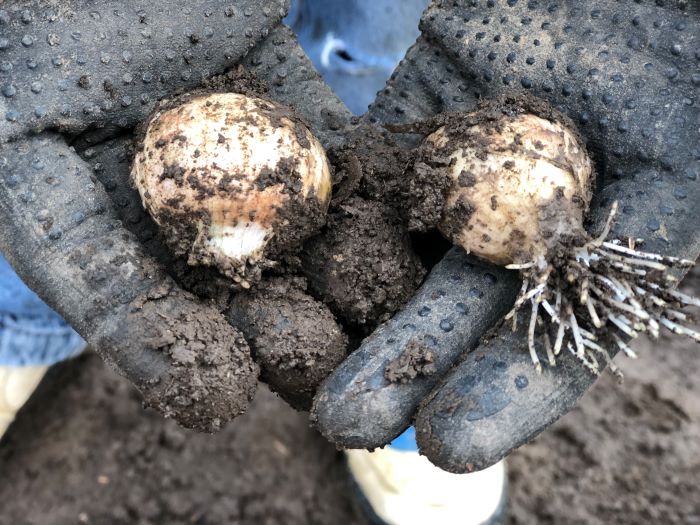
Soaking garlic before planting is not a widely practiced recommendation among gardeners, but some choose to do it for specific reasons. The primary purpose of soaking is to potentially enhance the growth process and ward off certain diseases. However, it’s important to note that not soaking garlic can also yield successful results.
Benefits of Soaking Garlic
Soaking garlic before planting can offer several potential advantages:
- Enhances Germination: Soaking can help to activate growth hormones and promote quicker sprouting.
- Disinfecting: Immersing garlic cloves in a diluted bleach solution or hydrogen peroxide may help eliminate pathogens.
- Hydration: Soaking provides moisture that can aid in the overall growth after planting.
Methods of Soaking Garlic
If you decide to soak your garlic cloves, there are various methods to consider:
- Water Soak: Simply soak the cloves in plain water for a few hours to hydrate them.
- Solution Soak: Use a mixture of water and natural fungicide to reduce the risk of disease during growth.
- Soaking Duration: Keep the soaking time moderate, typically around 30 minutes to 2 hours, to avoid excessive moisture.
When Not to Soak Garlic
There are scenarios where soaking garlic may not be necessary or beneficial:
- Healthy Cloves: If you are starting with high-quality, disease-free cloves, soaking may not provide additional benefits.
- Soil Moisture: If your soil retains adequate moisture, the garlic will get the hydration it needs without soaking.
- Specific Varieties: Certain garlic varieties have strong natural defenses and may not require soaking.
Alternatives to Soaking Garlic
If you prefer not to soak your garlic cloves, there are alternative methods to encourage healthy growth:
- Prepping Soil: Ensure that the planting site has well-draining soil rich in organic material.
- Proper Timing: Plant garlic at the right time of year, ideally in the fall or early spring, depending on your climate.
- Mulching: Applying a layer of mulch can help retain moisture and regulate soil temperature.
Post-Planting Care for Garlic
Once you've planted your garlic, it's essential to provide proper care to ensure its growth:
- Watering: Water your garlic regularly, especially during dry spells, to maintain consistent moisture.
- Fertilizing: Use a balanced fertilizer to deliver the nutrients garlic needs during its growth periods.
- Pest Control: Monitor for pests and diseases, taking action promptly to protect your garlic crop.
What is the mistake in planting garlic?

The mistake in planting garlic can greatly affect the yield and quality of the bulbs harvested. One of the most common errors is planting garlic at the wrong time. Garlic is typically a cool-season crop, and timing is crucial for its successful growth. Planting too early or too late can lead to poor development or even crop failure.
Choosing the Wrong Variety
Choosing the correct variety of garlic is essential for successful cultivation. Different types of garlic, such as hardneck and softneck, have varying climatic requirements, and selecting the wrong variety for your local conditions can lead to disappointing results.
- Hardneck garlic typically does better in colder climates.
- Softneck garlic is more suited for milder environments.
- Understand the growing season in your area to make an informed choice.
Neglecting Soil Preparation
Proper soil preparation is crucial for garlic to thrive. Neglecting to amend the soil or test its fertility can lead to nutrient deficiencies that stunt growth. Garlic flourishes in well-drained, nutrient-rich soil.
- Test soil pH and organic matter content.
- Add compost or aged manure to enhance soil fertility.
- Ensure proper drainage to prevent rot.
Incorrect Planting Depth
Another common mistake is planting garlic at an incorrect depth. Garlic cloves should be planted deep enough to develop strong roots while being shallow enough to allow the shoots to penetrate the soil.
- Optimal planting depth is about 2 inches for garlic cloves.
- Planting too shallow can expose cloves to frost damage.
- Planting too deep can delay sprouting and yield poor results.
Planting in the Wrong Season
Timing is everything in garlic planting. Garlic is generally planted in the fall for a summer harvest. Planting in the spring can yield smaller bulbs and reduce quality.
- Fall planting allows cloves to establish roots before winter.
- Garlic needs a dormant period that winter provides for successful growth.
- Spring planting can lead to bolting, compromising bulb development.
Overwatering or Underwatering
Watering practices heavily influence garlic health. Overwatering can lead to bulb rot, while underwatering can stress the plants, leading to small bulbs. Achieving the right balance is critical.
- Monitor soil moisture regularly.
- Water garlic during dry spells but avoid saturated soil.
- Reduce watering as the bulbs mature to prevent rot.
Should you water garlic when you first plant it?
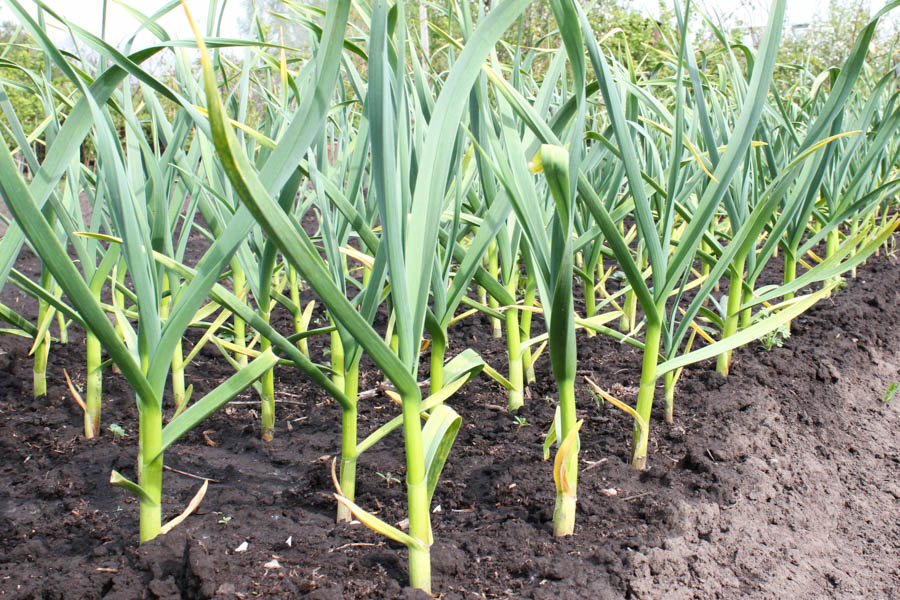
When you first plant garlic, it is essential to consider the watering requirements to ensure successful growth. Yes, you should water garlic when you first plant it. Proper watering is crucial for establishing the roots and facilitating the growth of the garlic bulbs. Here are some detailed insights into watering garlic upon planting:
Understanding Garlic's Water Needs
Garlic has a specific water requirement during its early growth stages. When you plant garlic cloves, they need moisture to begin the process of root development. Without adequate water, the cloves might not establish effectively, leading to poor growth or even failure to sprout.
- Moisture for root growth: Garlic needs moisture to develop healthy roots.
- Temperature considerations: Watering helps maintain optimal soil temperatures.
- Preventing drought stress: Early watering prevents the cloves from drying out.
The Importance of Soil Moisture
Maintaining appropriate soil moisture is crucial for garlic, especially just after planting. Garlic thrives in well-draining soil that retains some moisture, which supports its early growth phase.
- Retention vs. drainage: Good soil should retain sufficient moisture but also drain excess water.
- Testing soil moisture: Use your finger to check if the top inch of soil is dry before watering.
- Avoiding overwatering: Too much water can lead to rot and other fungal issues.
Watering Techniques for Newly Planted Garlic
There are effective techniques to ensure that garlic gets the right amount of water when planted. Gentle watering methods help avoid disturbing the cloves while still providing necessary moisture.
- Soaking method: Soak the soil lightly rather than pouring water directly over the cloves.
- Drip irrigation: Effective if you're planting in rows, allowing for consistent moisture.
- Sprinkler systems: Use carefully to avoid dislodging the newly planted garlic.
Frequency of Watering after Planting
After initially watering garlic at the time of planting, it is important to establish an effective watering schedule. It helps keep the soil consistently moist without becoming waterlogged.
- Weekly check-ins: Water garlic cloves at least once a week or as needed, based on the soil's moisture.
- Adjusting for weather: Increase watering frequency during dry spells or hot weather.
- Signs of thirst: Look for wilting leaves or dry soil as indicators to water.
Impact of Watering on Garlic Growth
Proper watering directly influences the quality and size of the garlic bulbs. Water supports the nutrient uptake and overall health of the garlic plants.
- Healthy bulb formation: Consistent moisture helps in proper bulb development.
- Foliage growth: Adequate water leads to lush, green tops which indicate health.
- Resistance to diseases: Well-watered garlic is less prone to stress-related diseases.
Questions from Our Readers
Do I soak garlic in water before planting?
No, soaking garlic in water is not necessary before planting. Garlic cloves should be planted directly in the soil, ideally around the time of fall or early spring, depending on your climate. Soaking may lead to root rot or other issues, so simply plant the cloves with the pointed end facing up for best results.
What benefits does soaking garlic provide?
Soaking garlic can help with germination in certain cases, but it is not a common practice among garlic growers. It may help to soften the outer skin of the cloves, but for most gardeners, planting them directly yields better outcomes.
How long should I soak garlic if I choose to?
If you decide to soak garlic, it is typically recommended to soak it for no more than 30 minutes. This short duration can help reduce the risk of damage to the cloves, while still providing some moisture before planting.
Can I plant garlic cloves without soaking them?
Yes, you can plant garlic cloves without soaking them, and this is usually the preferred method. Just make sure to choose good quality, healthy cloves and plant them in well-drained soil for optimum growth.

If you want to read more articles like Do I Soak Garlic in Water Before Planting? Tips for Successful Garlic Growing, we recommend you check out our Garlic category.
Leave a Reply
Related Articles