Top Reasons Why Isn't My Garlic Making Cloves? Expert Tips for Success

Garlic is a beloved staple in kitchens worldwide, prized for its unique flavor and health benefits. However, many gardeners face the frustrating issue of garlic plants failing to produce cloves. Understanding the reasons behind this problem is essential for successful cultivation. In this article, we will explore the top reasons why your garlic may not be forming cloves and provide expert tips to ensure a bountiful harvest. By addressing factors such as planting techniques, soil conditions, and climate, you can overcome these challenges and enjoy the satisfaction of growing your own garlic. Let's dive into the solutions for your garlic woes.
Why Isn't My Garlic Making Cloves?
Garlic typically forms cloves as it matures, but there are several reasons why this might not happen. One of the primary factors is insufficient cold exposure during the winter months, as garlic requires a period of dormancy in colder temperatures to trigger the bulbing process. Additionally, improper planting depth, inadequate nutrients in the soil, or even the time of planting can affect clove formation. If garlic is planted too early or too late, it may not develop properly. Finally, certain varieties of garlic are specifically bred for certain climates and may not perform well if grown in unsuitable conditions.
Insufficient Cold Exposure
Garlic generally needs a cold period, known as vernalization, to form cloves properly. This process usually requires exposure to temperatures below 50°F (10°C) for a certain duration, typically in the fall and winter. If the garlic does not receive this cold treatment, it may fail to differentiate into cloves and instead grow as a single bulb. It's crucial to plant garlic varieties suited to your climatic conditions to ensure proper winter chill.
Poor Soil Nutrient Levels
The nutrient content in the soil greatly influences the health and yield of garlic plants. If the soil lacks essential nutrients such as nitrogen, phosphorus, and potassium, garlic may struggle to develop properly and may not form cloves. Regular testing of your soil and amending it with organic matter or fertilizers can promote healthier growth and enhance the chances of clove formation.
Incorrect Planting Depth
The depth at which garlic is planted can directly affect its growth. Garlic bulbs should typically be planted at a depth of about 2 inches (5 cm). If planted too shallow, the bulbs may not develop properly and can lead to poor clove formation. Conversely, if planted too deep, they may have difficulty breaking through the surface. Ensuring the correct planting depth is essential for encouraging clove development.
Timing of Planting
The timing of garlic planting is critical for its successful growth. Ideally, garlic should be planted in the fall about four to six weeks before the ground freezes. Late planting can lead to inadequate growth and boost the chances of garlic producing a single bulb rather than cloves. On the other hand, garlic planted too early may sprout prematurely, risking damage from winter weather before it can develop properly.
Varietal Differences
Different garlic varieties have unique characteristics and growth requirements. For instance, hardneck garlic typically performs better in colder climates and usually produces more cloves than softneck varieties. If you are using a variety that is not well-suited to your specific environment, it may not produce cloves as expected. Understanding the growth habits of the types of garlic you are planting can help ensure better results.
| Factor | Impact on Clove Formation |
|---|---|
| Cold Exposure | Required for bulbing; insufficient leads to no cloves. |
| Nutrients | Poor soil can hinder development and reduce clove formation. |
| Planting Depth | Incorrect depth can result in a single bulb instead of cloves. |
| Timing of Planting | Late or early planting may prevent proper growth. |
| Varietal Differences | Improper variety can affect clove yield based on climate. |
Why is my garlic not forming cloves?

Garlic (Allium sativum) is a popular culinary herb, but it can be frustrating for gardeners when their garlic plants do not form cloves. There are several factors that can contribute to this issue.
Improper Planting Timing
Garlic requires specific growing conditions to develop properly. Planting times can greatly influence clove formation.
- Fall Planting: Garlic should be planted in the fall, allowing it to undergo necessary cold exposure.
- Spring Planting: If planted too late in spring, garlic may not have enough time to develop bulbs and cloves.
- Latent Winter Conditions: Insufficient cold exposure can lead to garlic not forming cloves, as it doesn't experience the necessary vernalization.
Soil Quality and Nutrition
The quality of the soil in which garlic is planted can directly affect its development. Nutritional deficiencies can hinder the growth of cloves.
- Nutrient-Rich Soil: Garlic thrives in well-draining, loamy soil enriched with organic matter.
- pH Levels: The ideal soil pH should be between 6.0 and 7.0; too acidic or alkaline soil can inhibit clove formation.
- Fertilization: An imbalance or lack of essential nutrients like nitrogen, phosphorus, and potassium can result in poor bulb development.
Watering Practices
Watering plays a critical role in the growth of garlic. Both overwatering and underwatering can lead to non-forming cloves.
- Consistent Moisture: Garlic needs consistent moisture, especially during the bulbing stage; erratic watering can stress the plants.
- Drainage: Ensure good drainage to prevent root rot, which can interfere with bulb formation.
- Signs of Stress: Watch for yellowing leaves or wilting; both can indicate watering issues that affect clove growth.
Garlic Variety
Different varieties of garlic have varying characteristics and growth habits that can influence clove formation.
- Softneck vs. Hardneck: Softneck varieties tend to produce more, smaller cloves, while hardneck types can have fewer, larger cloves.
- Local Adaptation: Certain varieties may be more suited to specific climates; choosing the right type is essential for optimal growth.
- Growth Rate: Some types require longer growing seasons or particular temperature conditions to successfully form cloves.
Pest and Disease Issues
Pests and diseases can severely impact the health of garlic plants, preventing proper clove formation.
- Common Pests: Insects such as aphids and nematodes can damage garlic roots, inhibiting bulb development.
- Diseases: Fungal infections like white rot or downy mildew can compromise plant health and clove formation.
- Prevention and Treatment: Regularly inspect plants for signs of pests or disease and consider crop rotation and resistant strains to mitigate issues.
What causes solo garlic?
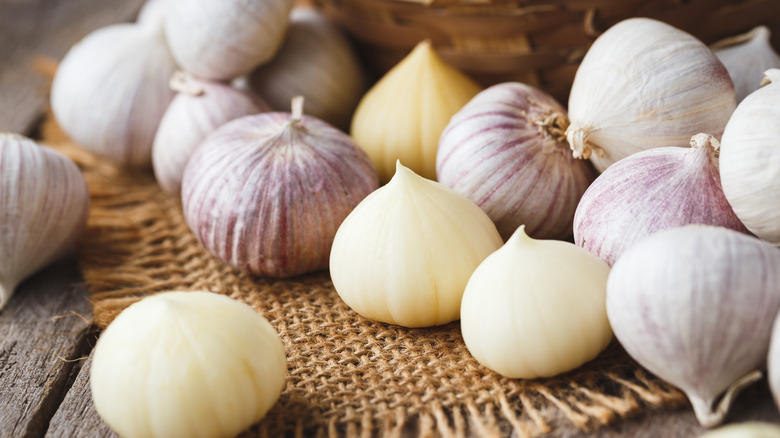
Solo garlic, also known as single clove garlic, is characterized by having only one clove instead of multiple cloves that are typically found in head garlic. The causes of this phenomenon can be attributed to several biological, environmental, and cultivation factors.
Genetic Factors
Genetics plays a crucial role in determining whether garlic will produce multiple cloves or just a single clove. Some specific varieties of garlic are genetically predisposed to produce only one clove. This can occur due to a lack of specific genes that would normally govern the formation of cloves.
- Single clove varieties, such as Ail de Pujol, tend to be more stable and uniform in their growth.
- This lack of genetic variation can lead to uniformity in clove production.
- Some farmers intentionally select and breed garlic that produces fewer cloves to meet specific market demands.
Environmental Conditions
The environmental conditions in which garlic is grown can significantly impact its clove formation. Factors such as soil quality, temperature, and moisture levels can influence whether garlic develops more than one clove.
- Garlic grown in poor soil may not have the resources needed to develop multiple cloves.
- Extreme temperatures, whether too hot or too cold, can lead to underdeveloped bulbs.
- Insufficient moisture can stifle the growth of cloves, leading to the development of a single clove.
Planting Techniques
The methods used for planting garlic can also contribute to the occurrence of solo garlic. Spacing, depth, and the timing of planting can all affect the bulb’s clustering capabilities.
- When garlic is planted too deeply, it may not produce multiple cloves due to lack of sunlight.
- If garlic is planted too close together, it may compete for nutrients, resulting in fewer overall cloves.
- Delaying planting can also affect the growth cycle, potentially leading to a single clove bulb.
Pest and Disease Pressure
The presence of pests and diseases can impede the growth of garlic and may contribute to the formation of solo garlic. Various pests can stress the plant and hinder its ability to develop normally.
- Pests such as nematodes can attack the root system, limiting nutrient absorption.
- Diseases, like white rot, often compromise the garlic bulbs and can lead to the development of a single clove.
- Healthy plants are more likely to produce multiple cloves; thus, poor health due to pests or disease can lead to solo garlic.
Harvesting Timing
The timing of when garlic is harvested can also determine its clove count. Harvesting too early or too late can result in changes to the bulb structure.
- Harvesting before the garlic has fully matured may result in underdeveloped bulbs.
- On the other hand, leaving garlic in the ground too long can lead to a breakdown of the bulb's structure.
- Proper timing ensures that garlic has had enough time to develop and potentially produce multiple cloves.
How long does it take for a clove of garlic to turn into a bulb?

To answer the question, a clove of garlic generally takes about 6 to 8 months to grow into a mature bulb. This timeframe can vary depending on various factors including the garlic variety, climate, and growing conditions. During this period, the clove undergoes several developmental stages, transforming into a full bulb with multiple cloves.
Factors Affecting Growth Time
The time it takes for a clove to develop into a bulb can be influenced by several environmental and biological factors:
- Climate: Garlic typically thrives in temperate climates, and extreme temperatures can hinder growth.
- Soil Quality: Well-drained, nutrient-rich soil promotes faster growth.
- Watering: Adequate watering is essential—the plant requires a consistent moisture level to flourish.
Different Garlic Varieties
The type of garlic planted can also affect the time to bulb formation. There are two primary categories:
- Hardneck Garlic: Often requires a cooler climate and sometimes takes slightly longer to mature.
- Softneck Garlic: Generally grows quicker and can adapt to a wider range of climates.
Growing Conditions
The specific conditions under which garlic is grown play a crucial role in its development:
- Sunlight: Garlic needs full sun for optimal growth, typically around 6-8 hours of direct light daily.
- Spacing: Proper spacing between cloves can prevent overcrowding and improve air circulation.
- Fertilization: Adding organic fertilizers can enrich the soil, promoting healthier bulb development.
Planting Timeframe
When to plant garlic is just as important as how long it takes to grow:
- Fall Planting: Typically recommended for most varieties, with bulbs ready by the following summer.
- Spring Planting: Can also be done but may yield smaller bulbs due to a shorter growing period.
- Timing: Proper timing ensures the garlic receives enough growing days before the first frost.
Signs of Maturity
Knowing when garlic has reached maturity is crucial for harvesting:
- Leaf Dieback: When the lower leaves start to brown and die, it's a sign the bulb is ready.
- Bulb Size: Check the size of the bulb—the larger it has grown, the better.
- Flower Scapes: Hardneck varieties produce flower stalks; removal can promote larger bulbs.
Questions from Our Readers
Why isn't my garlic producing cloves?
It's possible that your garlic isn't producing cloves due to inadequate sunlight, poor soil quality, or insufficient watering. Garlic requires well-draining soil with plenty of organic matter and needs full sun to thrive. Ensure you are planting the right variety for your climate, as some garlic types are better suited for specific conditions.
Could the planting time affect clove production?
Yes, the timing of planting is crucial for garlic clove production. Garlic is usually planted in the fall or early spring, depending on your region. Planting too early or too late can expose the bulbs to unfavorable conditions, leading to poor growth and fewer cloves.
What role does the garlic variety play in clove formation?
Different garlic varieties have distinct growth habits and clove structures. Some may naturally produce fewer or smaller cloves than others. Choosing a hardneck or softneck variety that is well-suited to your local climate can significantly impact how well your garlic multiplies.
Can soil health influence garlic clove development?
Absolutely, soil health is a major factor in garlic clove development. Nutrient-rich, well-drained soil supports robust growth, leading to larger and healthier bulbs. Regularly testing your soil for nutrient levels and amending it with organic fertilizers or compost will greatly enhance clove production.

If you want to read more articles like Top Reasons Why Isn't My Garlic Making Cloves? Expert Tips for Success, we recommend you check out our Garlic category.
Leave a Reply
Related Articles