Ultimate Guide: How to Prepare Your Garlic for Planting? Tips and Techniques for Success!

Planting garlic can be a rewarding endeavor, providing a flavorful addition to your culinary repertoire. However, successful garlic cultivation requires careful preparation to ensure healthy growth and a bountiful harvest. In this ultimate guide, we will explore essential tips and techniques for preparing your garlic for planting. From selecting the right variety to proper clove preparation and timing, we’ll cover everything you need to know to set your garden up for success. Whether you're a novice gardener or an experienced horticulturist, this comprehensive resource will equip you with the knowledge needed to cultivate robust garlic plants that thrive in your garden.
- How to Prepare Your Garlic for Planting?
- Essential Steps for Preparing Garlic Planting Stock
- Selecting the Right Garlic Variety
- The quality of soil plays a vital role in the health of your garlic plants. Garlic thrives in well-draining, fertile soil ideally enriched with organic matter. Conduct a soil test to assess the pH and nutrient levels, aiming for a pH between 6.0 and 7.0. Before planting, incorporate plenty of well-rotted compost or aged manure into the soil to enhance its fertility. Furthermore, ensure that the soil is loose to allow for easy root penetration while preventing waterlogging, which can lead to disease.
- Once your garlic is planted, ongoing care is necessary to ensure a robust yield. Regular watering is critical, especially during dry spells, while also avoiding overwatering, which can cause bulb rot. Mulching around the plants helps retain moisture and suppresses pesky weeds that compete for nutrients. Monitor your garlic for any signs of pests or diseases and manage them promptly, as proactive measures can make a significant difference in achieving the desired harvest.
- Questions from Our Readers
How to Prepare Your Garlic for Planting?
To prepare your garlic for planting, start by selecting high-quality seed garlic that is free from disease and preferably from local sources to ensure it is well-suited for your climate. Separate the bulbs into individual cloves while keeping their skins intact, as this helps protect them during planting. Soaking the cloves in a mild bleach solution for about 30 minutes can help to eliminate any potential pests or molds. After soaking, rinse the cloves thoroughly and allow them to dry in a cool, dark place for a few hours before planting them in well-drained soil at the appropriate depth, which is typically 2 to 3 inches.
Choosing the Right Garlic Variety
Selecting the right garlic variety is crucial for successful growth. Different varieties are adapted to different climates and soil types. Hardneck garlics are best suited for colder climates, while softneck varieties thrive in milder areas. Determine what type grows best in your region by consulting local agricultural extensions or gardening centers. Additionally, consider your culinary preferences, as some varieties offer unique flavors that can enhance your dishes.
Preparing Soil for Garlic Planting
The soil in which you plant garlic should be rich, well-drained, and rich in organic matter. Before planting, it's recommended to amend the soil with compost or well-rotted manure to ensure it contains the necessary nutrients. A pH level of around 6 to 7 is ideal for garlic growth, so you might want to test your soil and adjust accordingly. Proper soil preparation sets the foundation for vigorous growth and helps prevent diseases.
Timing Your Garlic Planting
Timing is a vital factor when planting garlic. The best time to plant garlic is in the fall, around 4 to 6 weeks before the ground freezes, which allows the cloves to establish roots before the cold winter months. In warmer climates, you can also consider planting in early spring, but this may lead to smaller bulbs. Monitoring local climate conditions will help you determine the optimal planting time for your specific area.
See also:
Spacing and Depth of Garlic Cloves
Proper spacing and planting depth are essential for healthy bulb development. Garlic cloves should be planted 4 to 6 inches apart in rows that are 12 to 24 inches apart. The pointed end of the cloves should face upward and be placed about 2 to 3 inches deep in the soil. Adequate spacing allows for proper air circulation around the plants, which helps mitigate the risk of disease and promotes robust growth.
Watering After Planting
After planting your garlic, it is crucial to water it thoroughly to ensure the soil is moist, but not waterlogged. Consistent moisture is essential, especially during the initial growth phase, as this helps the cloves establish their roots. However, overwatering can lead to bulb rot, so careful monitoring of soil moisture is necessary. Watering should be reduced as the plants mature, particularly during their dormant period in the winter months.
| Step | Description |
|---|---|
| Select Seed Garlic | Choose high-quality cloves free from diseases. |
| Separate Cloves | Carefully separate bulbs into individual cloves. |
| Soak Cloves | Use a mild bleach solution to eliminate pests. |
| Prepare Soil | Aim for rich, well-drained, nutrient-rich soil. |
| Monitor Moisture | Keep soil moist but avoid overwatering. |
Essential Steps for Preparing Garlic Planting Stock
Preparing your garlic for planting is crucial to ensure a healthy and bountiful harvest. Start by choosing high-quality seed garlic that is disease-free and appropriate for your local climate. Before planting, break apart the bulbs into individual cloves, taking care not to damage the cloves' papery skin. It’s important to allow the separated cloves to sit for a short period to dry out and let any potential cut surfaces heal. This process minimizes the risk of rot and allows the garlic to establish a strong root system once planted in the ground. Lastly, consider soaking the cloves in a diluted fungicide solution for additional protection against pests and diseases.
Selecting the Right Garlic Variety
Choosing the proper variety of garlic is fundamental for achieving successful growth. There are primarily two categories of garlic: hardneck and softneck. Hardneck varieties typically produce a more robust flavor and are well-suited for colder climates, while softneck varieties are better suited for warmer regions and typically have a longer storage life. Assess your local environment and the taste preferences of your dishes to decide which type should be planted, as the right choice can significantly impact your gardening success.
The quality of soil plays a vital role in the health of your garlic plants. Garlic thrives in well-draining, fertile soil ideally enriched with organic matter. Conduct a soil test to assess the pH and nutrient levels, aiming for a pH between 6.0 and 7.0. Before planting, incorporate plenty of well-rotted compost or aged manure into the soil to enhance its fertility. Furthermore, ensure that the soil is loose to allow for easy root penetration while preventing waterlogging, which can lead to disease.
See also:
Timing is essential when it comes to planting garlic. Ideally, garlic should be planted in the fall, about six weeks before the ground freezes, allowing the cloves to establish roots before winter. In most regions, this timing can fall between late September and early November. However, in areas where winters are less harsh, spring planting can also be a viable option. Understanding your local climate and seasonal changes can help determine the best time for planting, ensuring that your garlic has ample opportunity to grow during the optimal growing season.
Once your garlic is planted, ongoing care is necessary to ensure a robust yield. Regular watering is critical, especially during dry spells, while also avoiding overwatering, which can cause bulb rot. Mulching around the plants helps retain moisture and suppresses pesky weeds that compete for nutrients. Monitor your garlic for any signs of pests or diseases and manage them promptly, as proactive measures can make a significant difference in achieving the desired harvest.
Knowing when and how to harvest your garlic is the final step towards a successful yield. Garlic should be harvested when the lower leaves start to brown, typically around mid to late summer, depending on the variety. Carefully lift the bulbs with a fork to avoid damaging them, and allow the harvested garlic to cure in a shaded, dry location for a couple of weeks. Proper curing enhances the flavor and extends the storage life of garlic. Store your cured garlic in a cool, dark place with good air circulation to maximize its shelf life.
Questions from Our Readers
What type of garlic should I choose for planting?
To ensure a successful harvest, it's essential to select high-quality seed garlic. Look for hardneck varieties if you live in colder climates or softneck varieties for milder areas. Always choose certified organic garlic from a reliable source to avoid pests and diseases.
How should I prepare garlic cloves before planting?
Before planting, you should separate the cloves from the bulb while keeping the papery skins intact. Trim any damaged or rotten cloves and make sure to select only the largest, healthiest cloves for planting, as they tend to produce the best yields.
See also:
When is the best time to plant garlic?
The ideal time to plant garlic is in the fall, about 4-6 weeks before the ground freezes. In most regions, this is typically between September and November. This timing allows the garlic to establish roots before winter, leading to a stronger plant in the spring.
What is the proper spacing for planting garlic cloves?
When planting garlic, space the cloves about 6 inches apart in rows that are 12-18 inches apart. This spacing allows for adequate air circulation and room for the plants to grow, ultimately resulting in healthier garlic bulbs at harvest time.
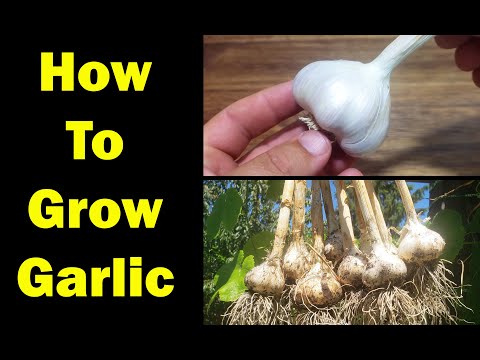
If you want to read more articles like Ultimate Guide: How to Prepare Your Garlic for Planting? Tips and Techniques for Success!, we recommend you check out our Garlic category.
Leave a Reply
Related Articles