Is Garlic Bad for Squirrels? Understanding the Effects of Garlic on Squirrel Health

Garlic is a common ingredient known for its health benefits in humans, but its impact on wildlife, particularly squirrels, remains a topic of debate. As foragers, squirrels consume a variety of foods, and understanding how garlic affects their health is essential for those who wish to provide a safe environment for these creatures. While some anecdotal evidence suggests that garlic might ward off pests, there are concerns regarding its potential toxicity to squirrels. This article explores the effects of garlic on squirrel health, examining both the potential risks and benefits to help inform responsible feeding practices for these beloved critters.
Is Garlic Bad for Squirrels?
Garlic is often touted for its health benefits in humans, but when it comes to squirrels, it is considered potentially harmful. While small amounts of garlic might not cause immediate harm, the compounds found in garlic, particularly thiosulfate, can be toxic to some animals, including squirrels. In larger quantities, garlic may lead to gastrointestinal upset or more serious health issues due to the oxidative stress it can cause. Overall, it's best to avoid feeding squirrels garlic to prevent any adverse reactions.
Understanding Garlic's Composition
Garlic contains various compounds, including allicin, alliin, and thiosulfate, which can be problematic for squirrels. These substances, while beneficial in small doses for humans, can affect animal health negatively. Thiosulfate, in particular, is known to cause oxidative damage to red blood cells, leading to conditions like hemolytic anemia. This damage can compromise the overall health of squirrels if they consume garlic regularly.
Health Risks Associated with Garlic Consumption
The health risks for squirrels that consume garlic can include digestive upset, lethargy, and in severe cases, damage to red blood cells due to hemolytic anemia. Symptoms may not appear immediately, making it difficult for caregivers to link garlic consumption to adverse effects. Specifically, the breakdown of red blood cells can lead to a lack of oxygen in the body, causing further complications in their overall health.
Signs of Garlic Toxicity in Squirrels
If a squirrel has ingested a significant amount of garlic, you may observe symptoms such as vomiting, diarrhea, or general lethargy. These signs should prompt immediate attention, as they indicate that the squirrel's health may be compromised. In cases of severe toxicity, the squirrel may exhibit signs of distress, such as difficulty breathing or excessive salivation, indicating urgent medical intervention is needed.
Alternatives to Garlic for Squirrel Diets
Instead of garlic, squirrels can be offered a variety of other nutrients that support their health without the risk of toxicity. Some suitable alternatives include fruits, nuts, seeds, and vegetables that are safe and beneficial for their diet. Foods rich in protein and healthy fats are ideal, providing energy and sustenance without introducing harmful substances.
Conclusion on Feeding Squirrels
In summary, it is important to err on the side of caution when feeding squirrels. Avoiding garlic will help ensure their health and well-being. Providing a balanced diet of safe foods will promote longevity and prevent health issues related to toxic ingredients.
| Food Item | Safety for Squirrels |
|---|---|
| Garlic | Unsafe |
| Nuts | Safe |
| Fruits | Safe |
| Seeds | Safe |
| Vegetables | Safe |
Does garlic bother squirrels?


The question of whether garlic bothers squirrels is quite interesting. Squirrels, being opportunistic feeders, often consume a variety of foods ranging from nuts and seeds to fruits and vegetables. However, garlic is not a usual part of their diet and is known for its strong odor and taste.
Garlic contains allicin, a compound released when garlic is crushed or chopped, which is responsible for its pungent smell. This particular characteristic may deter squirrels and other animals from consuming it, as many mammals, including rodents, tend to avoid excessively strong flavors. While garlic is not typically toxic to squirrels, its strong scent can disrupt their feeding patterns and may lead them to avoid areas where garlic is prevalent.
Behavioral Response of Squirrels to Garlic
Squirrels have a highly developed sense of smell, which they rely on when foraging. The behavioral response to garlic may include:
- Avoidance of garlic-scented food items.
- Altered Foraging Patterns when garlic is present in their environment.
- Increased Caution when approaching food near garlic plants.
Natural Deterrents: Garlic as a Squirrel Repellent
Many gardeners and homeowners have considered using garlic as a natural deterrent to squirrels. Some potential advantages include:
- Non-toxic Solution to keep squirrels away from gardens.
- Chemical-Free alternative compared to commercial repellents.
- Easy to Implement in various forms, such as sprays or granules.
Effectiveness of Garlic Against Squirrels
While using garlic as a squirrel repellent has its merits, its effectiveness can vary based on several factors:
- Concentration of Garlic used in the repellent application.
- Duration of Effectiveness before the scent dissipates.
- Impact of Environmental Factors, such as rain or wind, which can reduce efficacy.
Other Natural Methods to Deter Squirrels
In addition to garlic, there are various other natural methods used to deter squirrels:
- Hot Pepper spray, utilizing capsaicin to repel squirrels.
- Predator Urine to simulate the presence of natural threats.
- Fencing or barriers that discourage squirrels from entering garden spaces.
Understanding Squirrel Diet Preferences
A better understanding of what squirrels typically consume can help in employing strategies to keep them at bay:
- Seeds and Nuts are their primary food source.
- Fruits and Vegetables may also attract squirrels if easily accessible.
- Garlic and Strongly Scented Foods are generally avoided by these animals.
What's a smell that squirrels hate?
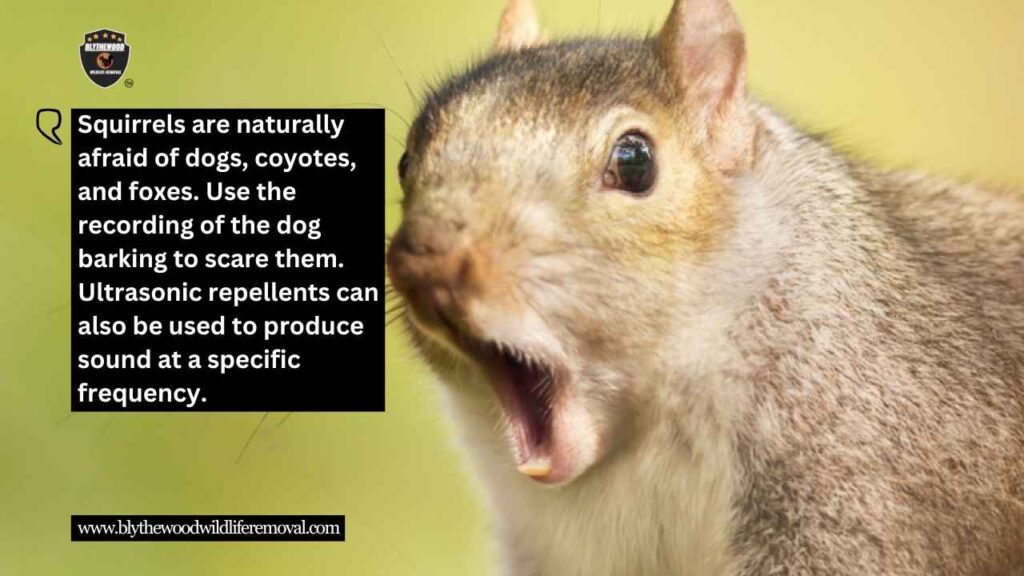

The smell that squirrels particularly dislike is cayenne pepper. This strong spice has been known to repel various animals, including squirrels. The pungent aroma and intense flavor of cayenne pepper can irritate the sensitive nasal membranes of squirrels, making them avoid areas where the spice is present. Additionally, when applied in powder form or diluted in water as a spray, cayenne pepper can create barriers that deter these rodents from gardens, bird feeders, and other places where they might cause trouble.
Why Squirrels Dislike Certain Smells
Squirrels, like many animals, have a keen sense of smell that they use for various purposes, including finding food and avoiding predators. Certain smells can indicate danger or the presence of food that is not safe to consume. When it comes to unpleasant scents for squirrels, the following factors are important:
- Biological Response: Certain odors trigger an instinctual response to avoid potential threats.
- Food Association: Strong spices like cayenne attract attention but not in a positive way, leading squirrels to associate these scents with unpleasant experiences.
- Inhabited Areas: Over time, squirrels learn to avoid areas where they encounter repelling smells, effectively helping them stay safe.
Alternative Smells That Repel Squirrels
Besides cayenne pepper, there are other smells that are known to repel squirrels. Some alternatives include:
- Vinegar: The strong acetic acid smell of vinegar can deter squirrels when used as a spray around gardens.
- Cinnamon: The sweet yet spicy scent of cinnamon is sometimes used as a natural repellant by gardeners.
- Garlic: The pungent aroma of garlic can be a deterrent for squirrels if sprinkled around plants.
How to Use Cayenne Pepper as a Squirrel Repellent
Using cayenne pepper effectively can enhance its repellent properties. Here are some methods:
- Sprinkling: Sprinkle powdered cayenne pepper around the base of plants or on bird feeders to create a barrier.
- Creating a Spray: Mix cayenne pepper with water and dish soap to create a spray that can be applied directly on plants.
- Continuous Application: Reapply cayenne pepper regularly, especially after rain, to maintain its effectiveness.
Potential Risks of Using Smells to Repel Squirrels
While using smells like cayenne pepper is generally safe, there are some risks to consider:
- Safety for Pets: Some pets may be sensitive to strong odors and could be affected.
- Effects on Plants: Overapplication could potentially harm plants, especially young seedlings.
- Environmental Impact: Consideration for local wildlife and the ecosystem should always be taken into account when applying any repellent.
Alternative Methods to Deter Squirrels
In addition to using smells, there are various other methods to keep squirrels away from gardens and homes:
- Physical Barriers: Installing fences or covers can help prevent squirrels from accessing specific areas.
- Noise Makers: Utilizing wind chimes or items that create sound can scare squirrels off.
- Decoys: Placing predator decoys, such as owl figures, may deter squirrels from approaching.
Questions from Our Readers
Is garlic harmful to squirrels?
Garlic is generally considered not safe for squirrels. While they might not consume it often in the wild, garlic can cause digestive issues and other health problems if ingested in significant amounts. It's best to avoid feeding it to them.
What happens if a squirrel eats garlic?
If a squirrel consumes garlic, it may experience stomach upset, including symptoms like vomiting or diarrhea. Garlic contains compounds that can be toxic to some animals, and these might lead to more serious health concerns in large quantities.
See also:
Can squirrels be attracted to garlic?
Squirrels are typically not attracted to garlic as a food source. They prefer nuts, seeds, and fruits. Using garlic as a pest deterrent may have some effectiveness in keeping them away from gardens, but they do not seek it out as food.
What foods should I avoid giving to squirrels?
In addition to garlic, there are various foods to avoid feeding squirrels, including chocolate, onion, and processed foods. These can be harmful to their health, so it's essential to stick to their natural diet of nuts, seeds, fruits, and vegetables.

If you want to read more articles like Is Garlic Bad for Squirrels? Understanding the Effects of Garlic on Squirrel Health, we recommend you check out our Garlic category.
Leave a Reply
Related Articles