Will Garlic Keep Mosquitoes Away? Discover the Truth Behind This Natural Repellent

As summer approaches, so does the nuisance of mosquitoes. Many people search for effective methods to keep these pesky insects at bay, leading to a resurgence of interest in natural repellents. Garlic, known for its health benefits and culinary uses, is often mentioned as a potential mosquito deterrent. But does it really work? In this article, we will delve into the science behind garlic as a mosquito repellent, examining the evidence and exploring both its effectiveness and limitations. Join us as we uncover the truth behind this age-old remedy and its role in pest control.
Does Garlic Repel Mosquitoes?
Garlic has long been rumored to possess natural insect-repelling properties, and many people wonder if it can effectively keep mosquitoes away. The idea is that compounds in garlic, particularly allicin, might emit odors that are unappealing to mosquitoes and other pests. However, while some studies suggest that garlic consumption may lead to the emission of scents in human sweat that deter mosquitoes, the overall effectiveness of using garlic as a standalone repellant is still debated. The concentration and way of application also play significant roles, indicating that while garlic might offer some level of deterrence, it should not be relied upon as a primary form of mosquito protection.
What is Allicin?
Allicin is a compound produced when garlic is crushed or chopped, and it is responsible for the distinct aroma and many of the health benefits attributed to garlic. This compound has been studied for its antimicrobial and potentially insect-repelling properties. Some research indicates that allicin may disrupt the olfactory receptors of mosquitoes, making it less likely for them to perceive humans as a food source. However, the extent to which allicin effectively wards off mosquitoes in practical applications remains variable.
How to Use Garlic for Mosquito Repellence?
Using garlic to repel mosquitoes can be done in several ways. One common method is to consume raw or cooked garlic regularly, which some anecdotal evidence suggests might alter body odor subtly, thereby making a person less attractive to mosquitoes. Alternatively, garlic sprays can be made at home by blending garlic with water and allowing it to steep. This mixture can be sprayed around areas where mosquitoes are likely to gather, although its efficacy may diminish quickly after application due to environmental factors such as wind and rain.
Scientific Studies on Garlic and Mosquitoes
Several studies have explored the repellent properties of garlic against mosquitoes, though results are often inconclusive. Some studies have shown a reduction in mosquito landings on individuals who have consumed large amounts of garlic, while other research suggests that the effect may not be strong enough to make garlic a reliable repellent option. The variations in study outcomes reflect the need for further research to ascertain the actual effectiveness, dosage, and application methods involved in using garlic to ward off mosquitoes.
Comparison with Other Natural Repellents
When comparing garlic to other natural repellents, such as citronella or eucalyptus oil, garlic often ranks lower in reported effectiveness. Citronella and eucalyptus have specific chemical compounds known to inhibit mosquito attraction significantly. However, garlic remains popular due to its availability and potential health benefits, like boosting the immune system. Understanding the strengths and limitations of each natural repellent can help users select the best options for their needs.
Potential Side Effects of Using Garlic
While garlic is generally safe for most individuals, there are potential side effects to consider, especially when used in large amounts. Some people may experience digestive issues, such as bloating or gas, from consuming excessive garlic. There may also be concerns regarding allergic reactions or skin irritation from garlic topical applications. Moreover, the strong smell of garlic can be off-putting to some, further complicating its use as a mosquito repellent in social situations.
| Method | Efficacy | Duration | Pros | Cons |
|---|---|---|---|---|
| Consuming Raw Garlic | Variable | Short-lived | Natural | Strong odor |
| Garlic Oil Spray | Moderate | Short-lived | Easy to make | Needs frequent reapplication |
| Commercial Garlic Repellent | Variable | Depends on product | Convenient | Costly |
How do you use garlic to repel mosquitoes?
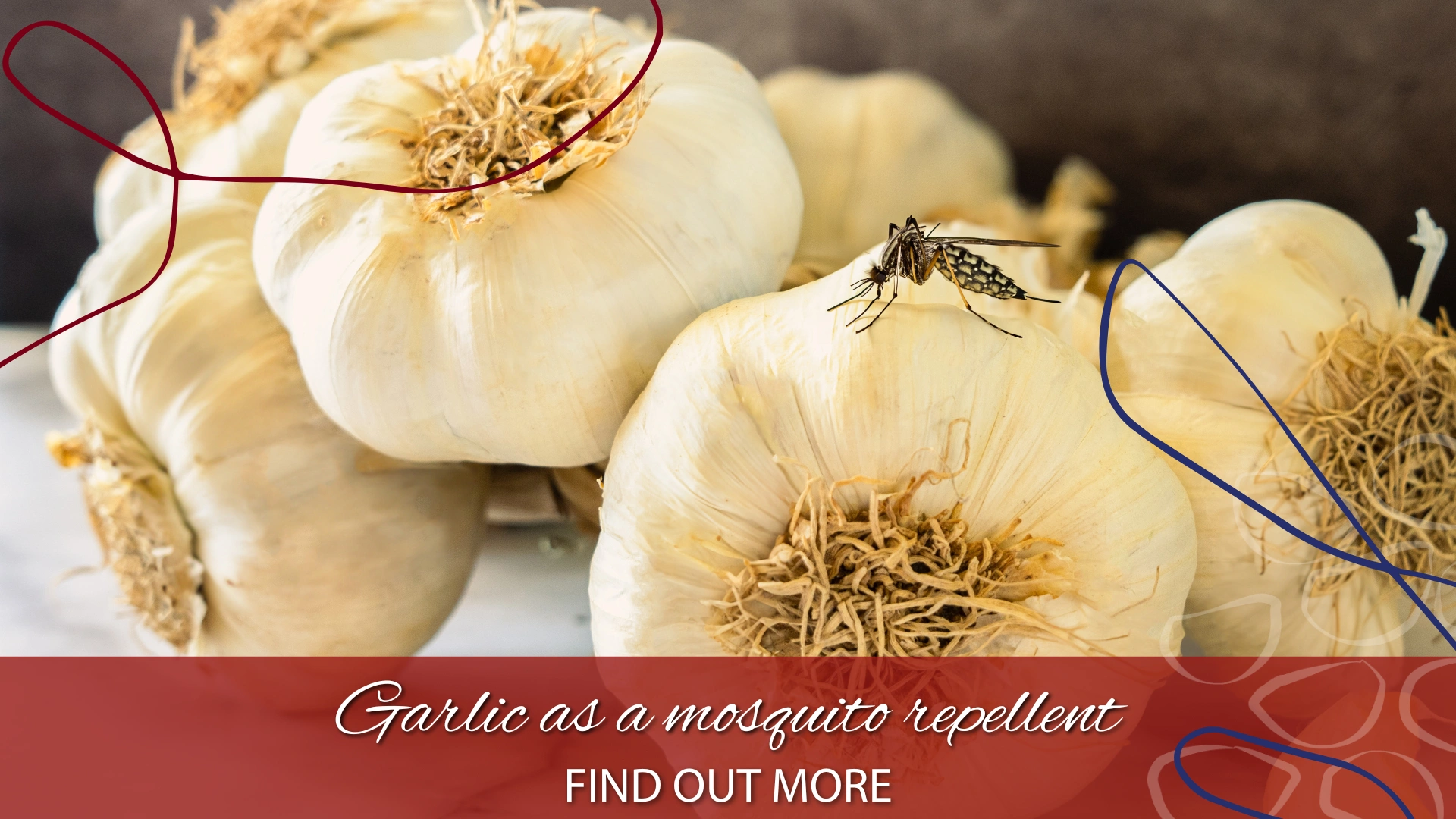

To use garlic to repel mosquitoes, there are several methods that can be effective based on the strong odor that garlic emits, which is believed to be unappealing to these insects. Garlic contains a compound called allicin, which is released when the garlic is crushed or chopped. This compound not only gives garlic its distinctive aroma and flavor but is also thought to interfere with the mosquitoes' ability to locate humans and animals. Here are some various ways to utilize garlic to keep mosquitoes at bay:
Garlic Spray
Using garlic spray is one of the most popular methods for repelling mosquitoes. Here’s how it can be done:
- Crush several cloves of garlic.
- Boil the crushed garlic in water for about 20 minutes.
- Once cooled, strain the mixture into a spray bottle.
- Add a few drops of liquid soap to help the solution adhere to surfaces.
- Spray the solution around your home, garden, or patio where mosquitoes are prevalent.
Garlic in Cooking
Incorporating garlic into your diet can also contribute to mosquito repelling effects. When consumed, the sulfur compounds in garlic can seep through your skin, creating a natural repellent. Here’s how you can do this:
- Add fresh garlic to your meals regularly.
- Consider taking garlic supplements if fresh garlic is not your preference.
- Try garlic-infused oils in salad dressings and cooking oils.
- Utilize garlic in various dishes like stir-fries, marinades, and sauces.
Garlic Powder Method
For a quick method, garlic powder can be used effectively as a repellent. Here’s a simple guide:
- Mix garlic powder with water to create a paste.
- Apply the garlic paste to exposed skin to serve as a barrier against mosquito bites.
- Alternatively, sprinkle garlic powder around outdoor seating areas to deter mosquitoes from invading those spaces.
Garlic Oil Diffuser
Using garlic oil in a diffuser can also be effective in repelling mosquitoes indoors. Follow these steps:
- Purchase garlic essential oil or make your own from crushed garlic.
- Add a few drops of garlic oil to an essential oil diffuser.
- Set the diffuser in areas where mosquitoes are likely to enter, such as near windows and doors.
- Refresh the oil regularly for maximum effectiveness.
Garlic and Natural Insect Repellents
Combining garlic with other natural insect repellents can enhance its efficacy. Consider these steps:
- Blend garlic with other essential oils known to repel mosquitoes, like eucalyptus or citronella.
- Create a homemade insect repellent by mixing water, vinegar, and garlic for an effective spray.
- Experiment with different combinations to find the most effective blend for your needs.
How effective is garlic as mosquito repellent?

Garlic is often touted as a natural mosquito repellent, but its effectiveness can vary. Research suggests that garlic possesses certain compounds, such as alicin, which may deter mosquitoes. However, it's important to understand that the effectiveness of garlic as a mosquito repellent is not universally proven, and multiple factors can influence its efficacy.
See also:
The Science Behind Garlic as a Repellent
Garlic contains a compound called alicin, which is released when garlic is crushed or chopped. This substance is known for its strong odor, which is believed to repel various insects, including mosquitoes. Mosquitoes are primarily attracted to carbon dioxide and body odor, so the pungent smell of garlic may interfere with these cues. However, scientific studies on the direct repellent properties of garlic are limited, leading to mixed results in effectiveness.
- Allicin and its Functionality
- Comparison with Chemical Repellents
- Laboratory vs. Field Studies
- Potential Human Tolerance
- Onset of Action and Duration
Allicin and its Functionality
The active ingredient in garlic, allicin, has demonstrated some antimicrobial and insect-repelling properties in laboratory studies. When garlic is consumed or applied topically, it is theorized that allicin can be secreted through the skin, creating a barrier that mosquitoes may find unappealing. Despite these theoretical benefits, real-world application often yields inconsistent results.
- Mechanism of Action
- Effect of Preparation Method (raw vs. cooked)
- Variability in Individual Reaction
Comparison with Chemical Repellents
When compared to chemical repellents like DEET or picaridin, garlic's effectiveness tends to fall short. Chemical repellents have undergone rigorous testing to establish their effectiveness, boasting longer-lasting protection. In contrast, garlic may provide only limited duration of efficacy and requires frequent reapplication. Understanding the differences in formulations is crucial for users seeking effective mosquito protection.
- Duration of Protection
- Active Ingredients and Potency
- Safety Considerations
Laboratory vs. Field Studies
Laboratory studies on garlic often indicate some level of effectiveness in repelling mosquitoes, but field studies present more complex results. In real-world environments, factors like wind, temperature, and humidity can dilute the effectiveness of garlic. Many field tests have shown that while garlic may offer some protection, it is typically not as effective as commercial repellents in outdoor settings.
- Controlled Environment vs. Natural Habitat
- Variability in Mosquito Species
- Environmental Factors Reduce Effectiveness
Potential Human Tolerance
While garlic is generally safe for consumption, some individuals may experience skin irritation or allergic reactions when using garlic-based products topically. It's essential for users to conduct a patch test prior to widespread application on the skin. Moreover, the odor of garlic, which acts as the repelling agent, may not be pleasant for everyone, potentially limiting its acceptability as a repellent.
- Common Reactions to Garlic
- Acceptance of Smell in Different Cultures
- Preparedness for Unintended Effects
Onset of Action and Duration
The onset of action for garlic as a mosquito repellent can vary based on individual use and preparation methods. When ingested, it may take time for the body to metabolize and utilize the compounds effectively against mosquitoes. Furthermore, the duration of effectiveness is typically shorter compared to synthetic alternatives, necessitating more frequent application or consumption for sustained protection.
- Timing of Consumption vs. Application
- Variability in Individual Response
- Need for Reapplication
Questions from Our Readers
Will garlic effectively repel mosquitoes?
Garlic is often touted as a natural mosquito repellent, but its effectiveness can vary. While some studies suggest that consuming garlic may help to increase the body odor that mosquitoes find unappealing, the results are not universally conclusive. It may not be a reliable solution for everyone.
How can garlic be used to keep mosquitoes away?
To use garlic as a mosquito repellent, one common method is to create a garlic spray by mixing crushed garlic with water and letting it sit for a period of time before straining it. This mixture can then be sprayed around areas where mosquitoes are prevalent. However, the smell of garlic can be quite strong and may not be pleasant for humans.
See also:
Do garlic supplements work as mosquito repellents?
Some people take garlic supplements with the hope of warding off mosquitoes. While there is some anecdotal evidence to support this, scientific studies have shown mixed results, suggesting that while garlic may have some repellent properties, it is not a guaranteed method for keeping mosquitoes at bay.
Are there any risks associated with using garlic for mosquito control?
Generally, garlic is safe for consumption, but excessive intake can lead to digestive issues or other side effects. When using garlic as a spray, care should be taken to avoid applying it directly to skin, as it may cause irritation. Always verify with a healthcare professional if you have concerns about using garlic for mosquito control.

If you want to read more articles like Will Garlic Keep Mosquitoes Away? Discover the Truth Behind This Natural Repellent, we recommend you check out our Garlic category.
Leave a Reply
Related Articles