What is the best fertilizer for garlic? A Complete Guide for Organic Growth
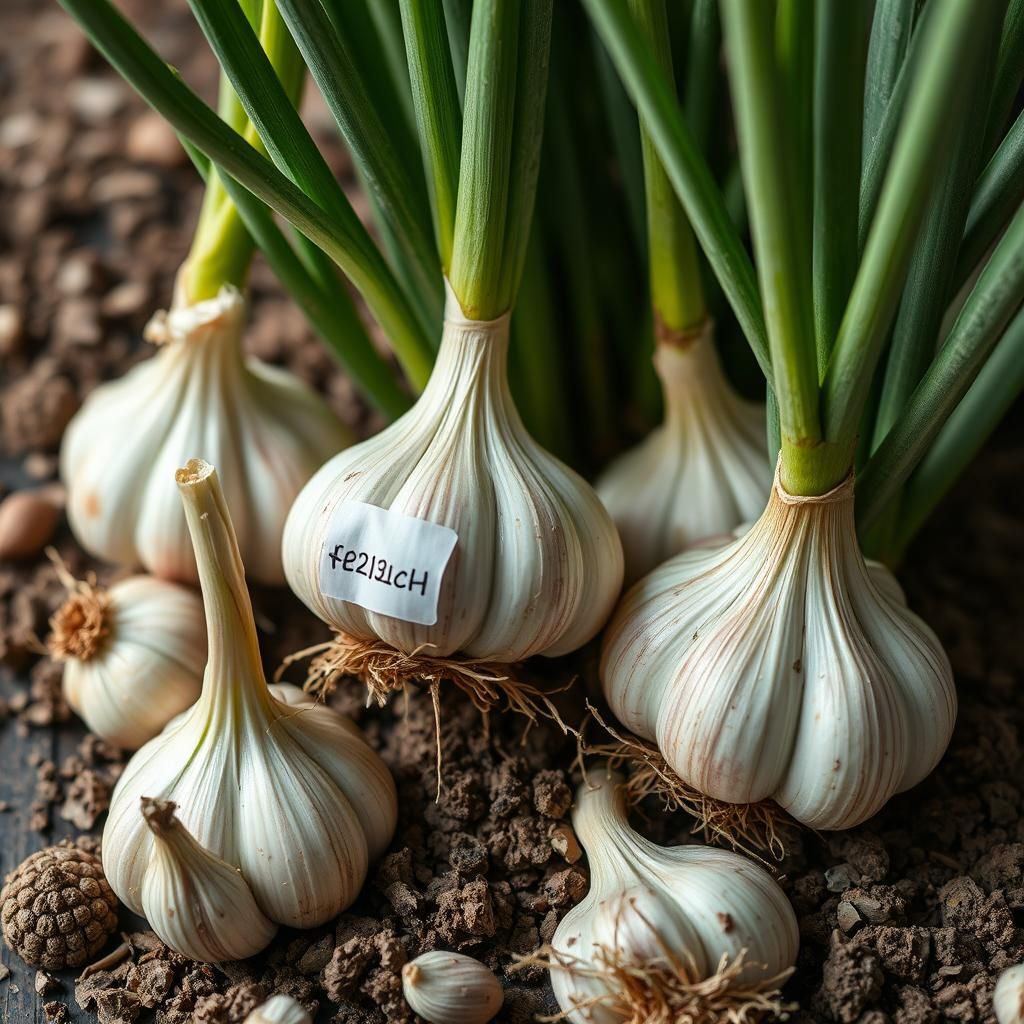
Garlic is a beloved staple in kitchens around the world, known for its distinct flavor and numerous health benefits. To cultivate robust and flavorful garlic bulbs, selecting the right fertilizer is crucial. This article will explore the best fertilizers for garlic, focusing on organic options that promote healthy growth while being environmentally friendly. We will discuss nutrient requirements, application methods, and timing to ensure your garlic thrives. Whether you're a seasoned gardener or a novice, this complete guide will provide the insights needed to achieve a bountiful harvest of garlic, maximizing both size and taste.
What is the Best Fertilizer for Garlic?
When it comes to growing garlic, choosing the right fertilizer is crucial for achieving a healthy and productive crop. Garlic thrives in nutrient-rich soil, so a balanced fertilizer is essential. Ideally, a fertilizer that is high in nitrogen during the initial growth stages will promote strong leaf development, followed by a shift to higher phosphorus and potassium levels as the bulbs begin to form. Typically, a 10-10-10 or 5-10-10 balanced fertilizer works well, but organic options like well-rotted manure or compost can also enhance soil fertility and improve the microbial activity, which is beneficial for overall plant health. Regular soil testing is recommended to tailor the fertilizer application to specific soil needs, ensuring that garlic plants receive the necessary nutrients throughout their growth cycle.
Understanding Garlic Nutritional Needs
Garlic has specific nutritional requirements that help it grow and develop robust bulbs. During its growing season, garlic primarily requires nitrogen, which is vital for foliage growth. As the planting cycle progresses and bulbs begin to develop, the demand shifts towards phosphorus and potassium, which are crucial for root development and bulb formation. By addressing these needs through appropriate fertilizers, growers can ensure that their garlic plants have the best chance of yielding a high-quality crop.
Types of Fertilizers Suitable for Garlic
There are various types of fertilizers suitable for garlic, including synthetic and organic options. Synthetic fertilizers like granular or liquid fertilizers can provide a quick-release of nutrients. Generally, nutrient formulations like 10-10-10 or 5-10-10 can be ideal. In contrast, organic fertilizers such as compost, bonemeal, or fish emulsion slowly release nutrients and improve soil structure, enhancing the long-term fertility of the planting area. Both types can be effective, depending on the grower’s preferences and the specific soil conditions.
Application Timing for Fertilizer
The timing of fertilizer application is critical for garlic growth. Typically, a base application should be performed at planting time in the fall or spring, incorporating the fertilizer into the soil. A second application of nitrogen can be made in early spring, just as the garlic is beginning to grow actively. As the bulbs develop, applying a phosphorus and potassium-rich fertilizer can further support their growth, usually a few weeks before harvest, ensuring that the bulbs reach their full potential.
Organic vs. Synthetic Fertilizers
Choosing between organic and synthetic fertilizers for garlic depends on personal preferences and gardening philosophy. Organic fertilizers are derived from natural sources and can enhance the soil's overall health, promoting beneficial microbial activity. They typically release nutrients more slowly, providing a steady supply over time. On the other hand, synthetic fertilizers often provide immediate nutrient availability, allowing for rapid plant growth. Each option has its benefits, and mixing both can sometimes yield the best results in terms of plant health and yield.
Soil Testing for Optimal Fertilization
Conducting a soil test is highly recommended to determine the specific nutrient levels and pH of the soil before planting garlic. This test provides valuable insights into the existing nutritional deficiencies and allows growers to customize their fertilizer application accordingly. By understanding the soil's current state, gardeners can make informed decisions about which types and amounts of fertilizers to apply, ensuring optimal growth conditions for their garlic crops.
| Fertilizer Type | Nutrient Ratio | Best Time to Apply |
|---|---|---|
| Synthetic Fertilizer | 10-10-10 | At planting and early spring |
| Organic Compost | Varies | At planting and throughout the growing season |
| Bonemeal | Phosphorus rich | Before bulb formation |
| Fish Emulsion | High nitrogen | Early growth stage |
| Wood Ash | Potassium source | Before harvest |
How do I get my garlic to grow bigger?

Soil Preparation
To achieve bigger garlic bulbs, it is crucial to start with proper soil preparation. Garlic thrives in well-draining, nutrient-rich soil with a pH level between 6.0 and 7.0. Here are key steps for soil preparation:
- Test the Soil: Conduct a soil test to determine its pH and nutrient levels.
- Add Organic Matter: Incorporate compost or well-rotted manure to enhance soil fertility.
- Improve Drainage: If soil retains too much water, consider raised beds to prevent bulb rot.
Choosing the Right Variety
Selecting the right variety of garlic is essential for growing larger bulbs. There are two primary types: hardneck and softneck garlic. Here’s what to consider:
- Hardneck Varieties: Generally produce larger cloves and bulbs compared to softneck.
- Local Adaptation: Choose a variety that is well-suited to your local climate and conditions.
- Seed Quality: Use high-quality, disease-free seed garlic for the best results.
Proper Planting Techniques
The way garlic is planted significantly influences bulb size. Follow these techniques for optimal growth:
- Timing: Plant garlic in the fall before the ground freezes for spring growth.
- Spacing: Plant cloves 4-6 inches apart to allow for proper bulb expansion.
- Depth: Plant cloves 2-3 inches deep to encourage robust root development.
Watering Practices
Water management is critical for growing large garlic bulbs. Garlic requires consistent moisture throughout its growing period. Consider the following:
See also:
- Regular Watering: Water deeply once a week, allowing the top inch of soil to dry out in between.
- Avoid Overwatering: Ensure soil drains well to prevent waterlogged conditions that can lead to rot.
- Stop Watering: Cease watering a few weeks before harvest to allow bulbs to mature and dry out.
Pest and Disease Management
Preventing pests and diseases is crucial for healthy, large garlic bulbs. Regular monitoring and control strategies are recommended:
- Inspect Regularly: Check for signs of pests like nematodes, aphids, and diseases such as white rot.
- Crop Rotation: Avoid planting garlic in the same spot year after year to prevent soilborne diseases.
- Natural Remedies: Use organic pesticides or beneficial insects to manage pest populations without harsh chemicals.
What does baking soda do to garlic?
Baking soda, or sodium bicarbonate, is a versatile ingredient often used in cooking and baking. When it comes to garlic, baking soda serves several specific roles, particularly in terms of flavor enhancement and digestion.
The Chemical Interaction Between Baking Soda and Garlic
Baking soda can alter the pH level of garlic, affecting its overall flavor and aromatic properties. This interaction can lead to a milder taste, which is often desirable in culinary applications. Here are the main effects:
- Neutralization of Acidity: Baking soda raises the pH level, making garlic less acidic.
- Flavor Modification: The interaction can reduce the pungency of garlic, leading to a smoother flavor profile.
- Color Preservation: The chemical reaction can help maintain the bright color of garlic in certain dishes.
Improving Digestibility
Many individuals find garlic difficult to digest due to its high sulfur content. Baking soda can aid in this aspect by neutralizing some of the harsh components of garlic, making it gentler on the stomach. Consider the following points:
- Reduction of Gas Production: Baking soda can help minimize the gas produced during digestion.
- Prevention of Heartburn: By neutralizing acidity, it may reduce the likelihood of acid reflux associated with garlic consumption.
- Enhanced Tolerance: Individuals who are sensitive to garlic might find it easier to consume when treated with baking soda.
Culinary Uses of Baking Soda with Garlic
In cooking, combining baking soda with garlic can yield unique results. This practice can enhance texture and flavor in various dishes. Some culinary applications include:
- Marinades: Baking soda can be used in marinades, tenderizing the garlic and other ingredients.
- Soups and Sauces: Adding baking soda can enhance the flavor profile while balancing acidity in tomato-based dishes.
- Roasting: When preparing roasted garlic, a sprinkle of baking soda can help soften the cloves, making them sweeter.
The Impact on Nutritional Properties
The interaction of baking soda and garlic can also influence the nutritional aspects of garlic, albeit with caution. Here’s how it affects nutrition:
- Potential Nutrient Loss: High pH levels may reduce the bioavailability of certain vitamins.
- Retention of Antioxidants: Some studies suggest that this combination can still retain or enhance the antioxidant properties of garlic.
- Modification of Flavor Compounds: Baking soda can alter the formation of beneficial compounds like allicin, though the effects vary.
Safety Considerations
While baking soda can be beneficial when used with garlic, it's essential to consider certain safety aspects. Here are guidelines to follow:
- Moderation is Key: Excessive use of baking soda can lead to unwanted flavors or health issues.
- Watch the Dosage: A little goes a long way; overuse can lead to digestive upset.
- Quality Control: Ensure that any baking soda used is fresh and free of contaminants for safe consumption.
Are coffee grounds good for garlic?
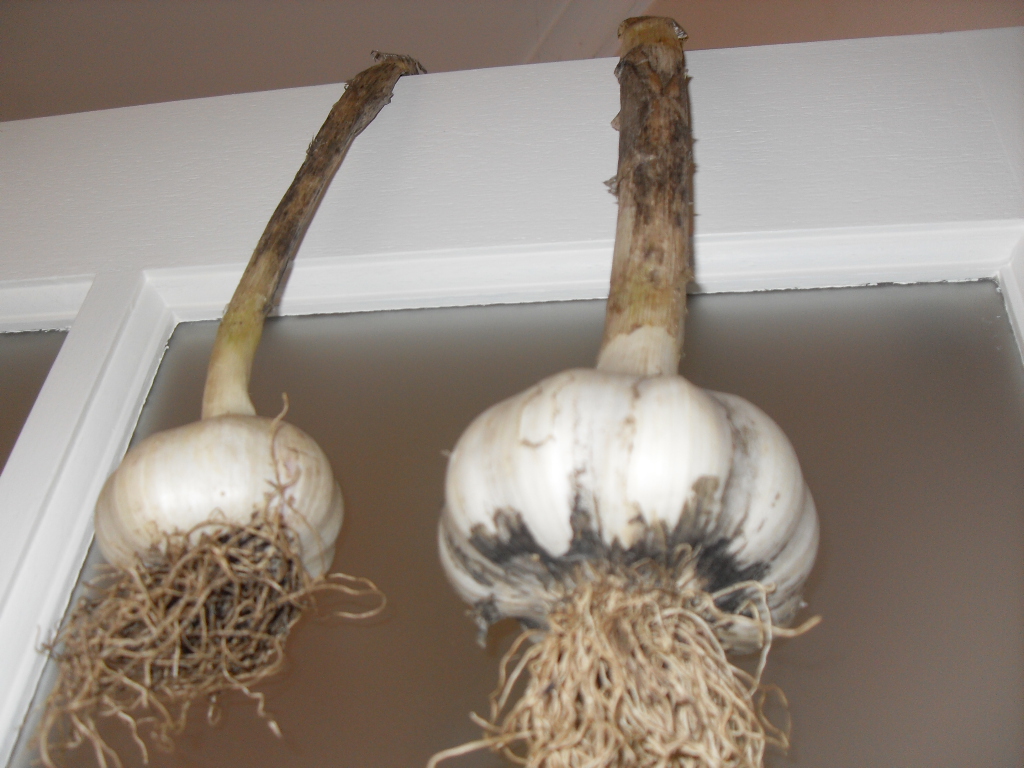
Coffee grounds can indeed be beneficial for growing garlic. They provide essential nutrients, improve soil structure, and enhance moisture retention, which are vital for healthy garlic plants. The nitrogen, phosphorus, and potassium found in coffee grounds contribute to the overall nutritional profile of the soil, fostering growth and encouraging bulb development. Furthermore, coffee grounds help in attracting beneficial organisms like earthworms, which aerate the soil and promote root health.
Coffee Grounds as a Natural Fertilizer
Coffee grounds are often regarded as an effective natural fertilizer. They are rich in several nutrients that are essential for plant growth.
- Nitrogen: Coffee grounds contain a high amount of nitrogen, which is crucial for leaf growth and overall vigor.
- Phosphorus: This nutrient promotes root development and contributes to the flowering and fruiting process.
- Potassium: Coffee grounds also provide potassium, essential for overall plant health and disease resistance.
Improving Soil Structure
Incorporating coffee grounds into the soil can enhance its structure. This means that the soil can hold moisture better and improve aeration.
See also:
- Soil Aeration: Coffee grounds help create air pockets in the soil, benefiting the root systems.
- Moisture Retention: They assist in retaining moisture, reducing the need for frequent watering.
- Organic Matter: As coffee grounds decompose, they add valuable organic matter, enriching the soil.
Beneficial Microorganisms
Adding coffee grounds to garlic beds can attract beneficial microorganisms. These organisms play a key role in nutrient cycling and plant health.
- Bacteria: Microbes like bacteria can help decompose organic matter in the soil, making nutrients more available to garlic plants.
- Fungi: Mycorrhizal fungi can form symbiotic relationships with garlic roots, improving nutrient absorption.
- Earthworms: Coffee grounds can attract earthworms, which contribute to soil aeration and nutrient availability.
Repelling Pests
Coffee grounds may also help in repelling pests that can harm garlic plants and other garden vegetables.
- Caffeine: The caffeine in coffee grounds can deter certain pests, including slugs and snails.
- Ants: Sprinkling coffee grounds can also help keep ants away from garlic beds.
- Scarcity of Chemicals: Using coffee grounds reduces the need for chemical pesticides, promoting a healthier environment.
Application Techniques
Applying coffee grounds in the garden needs to be done thoughtfully for the best results with garlic.
- Direct Soil Incorporation: Mix coffee grounds into the planting area before planting garlic for enhanced nutrient availability.
- Top Dressing: Spread coffee grounds on the soil surface as a top dressing to slowly release nutrients.
- Composting: Add coffee grounds to your compost pile to enrich the compost, which can later be used as fertilizer.
What feed is best for garlic?
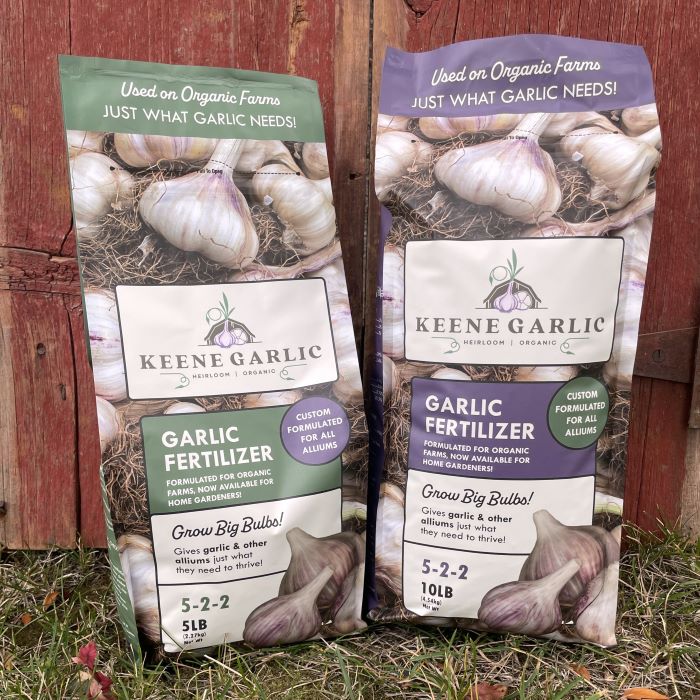
The best feed for garlic focuses on providing the essential nutrients that promote healthy growth and development. Garlic benefits from a balanced diet rich in nitrogen, phosphorus, and potassium, which are crucial for root formation and overall plant vitality. The key components of garlic feed include organic matter, ensuring that the soil remains fertile and retains moisture, and specific fertilizers that support its unique growth requirements.
Importance of Nitrogen for Garlic
Nitrogen is a fundamental nutrient that directly affects garlic growth. It is vital for the production of chlorophyll, which is essential for photosynthesis. Adequate nitrogen levels support robust foliage growth and ultimately lead to a better yield.
- Promotes healthy leaf development.
- Enhances overall plant vigor.
- Increases bulb size and quality.
Role of Phosphorus in Garlic Growth
Phosphorus plays a crucial role in the energy transfer and storage processes within the garlic plant. It is essential for strong root development and helps the plant efficiently utilize energy during critical growth stages.
- Supports root establishment and growth.
- Facilitates flowering and bulb formation.
- Enhances the overall stress tolerance of the plant.
Potassium's Contribution to Soil Health
Potassium is critical for garlic, as it aids in regulating water uptake and improves disease resistance. This nutrient also supports the plant’s overall ability to withstand environmental stresses.
- Improves water and nutrient absorption.
- Strengthens plant resilience against diseases.
- Enhances flavor and storage life of garlic bulbs.
Organic Matter as Garlic Feed
Incorporating organic matter such as compost or well-rotted manure is beneficial for garlic cultivation. Organic matter improves soil structure, increases nutrient availability, and enhances moisture retention, ultimately leading to healthier plants.
- Enriches soil with essential nutrients.
- Promotes beneficial microbial activity.
- Improves soil aeration and drainage.
Recommended Fertilizers for Garlic
Selecting the right fertilizers can significantly impact garlic growth. Organic options like bone meal for phosphorus or blood meal for nitrogen can be effective. Additionally, specific formulations designed for vegetable crops may provide a balanced nutrient profile.
- Bone meal for enhanced phosphorus levels.
- Blood meal to boost nitrogen content.
- Balanced vegetable fertilizers for all-around nutrient supply.
Questions from Our Readers
What is the best type of fertilizer for garlic?
To promote strong growth, the best type of fertilizer for garlic is one that is high in nitrogen and potassium, such as a balanced 10-10-10 fertilizer or a specific garlic fertilizer. These nutrients help in root development and overall bulb size, ensuring a healthy harvest.
When should I fertilize garlic?
Garlic should be fertilized in early spring, just before the plants begin to actively grow, and again about halfway through its growing cycle. This timing helps ensure that the plants have the necessary nutrients available during their crucial development stages.
See also:
How much fertilizer should I use for garlic?
The amount of fertilizer to use for garlic typically ranges from 1 to 2 pounds per 100 square feet. It's important to apply it according to the soil's nutrient needs, which can be determined by testing the soil beforehand to avoid over-fertilization.
Can I use organic fertilizers for garlic?
Yes, organic fertilizers such as compost, blood meal, or bone meal are excellent for garlic growth as they improve soil structure and provide essential nutrients. Using organic options not only nourishes the plants but also enhances the overall health of the soil ecosystem.

If you want to read more articles like What is the best fertilizer for garlic? A Complete Guide for Organic Growth, we recommend you check out our Garlic category.
Leave a Reply
Related Articles