The Ultimate Guide: When to Plant Garlic in Saskatchewan? Timing Tips for a Thriving Harvest
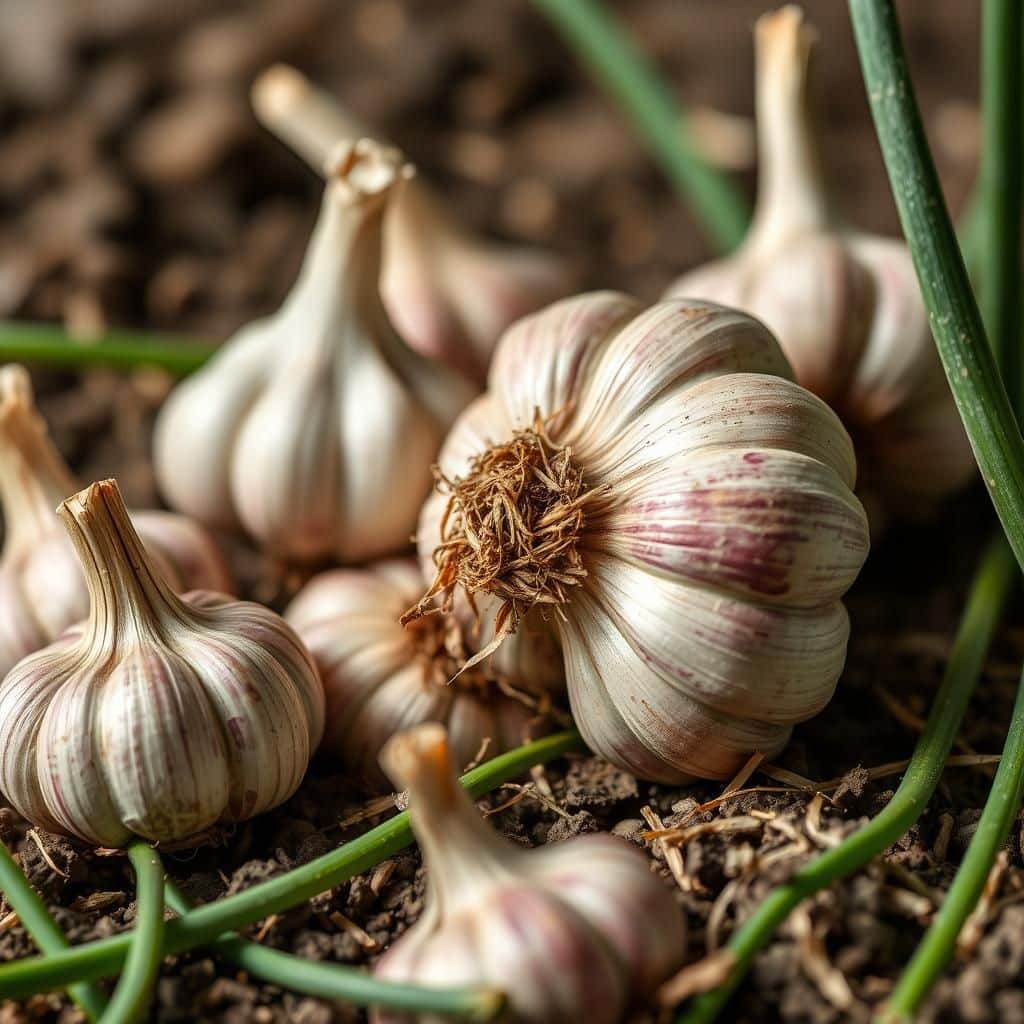
Garlic is a beloved staple in many kitchens, renowned for its robust flavor and numerous health benefits. However, for gardeners in Saskatchewan, knowing when to plant garlic is crucial for achieving a thriving harvest. This ultimate guide delves into the best timing practices specifically tailored for the unique climate and growing conditions of Saskatchewan. From understanding the ideal planting times to recognizing the signs of seasonal changes, we equip you with essential tips to ensure your garlic grows strong and flavorful. Whether you are a novice gardener or an experienced grower, this guide will help you maximize your garlic yield.
When to Plant Garlic in Saskatchewan
In Saskatchewan, the ideal time to plant garlic is typically in the fall, usually from late September to early October, as this allows the bulbs to establish roots before the ground freezes. Fall planting gives garlic a head start for growth in the spring, leading to better yields. However, some gardeners also experiment with spring planting, which can be successful but often results in smaller bulbs compared to those planted in the fall. It's essential to prepare the soil properly and choose hardy garlic varieties suited to Saskatchewan's climate for optimal results.
Choosing the Right Garlic Variety
Selecting the appropriate garlic variety is crucial for successful cultivation in Saskatchewan's climate. Hardneck varieties are generally recommended due to their ability to thrive in colder climates and produce larger bulbs with robust flavors. Some popular hardneck varieties include Purple Stripe and Rocambole, both known for their adaptability and flavor profile. Softneck varieties may be more suitable for milder climates, but they can also grow in Saskatchewan if planted correctly and protected during extremely cold spells.
Soil Preparation for Garlic Planting
Before planting garlic, proper soil preparation is vital to ensure healthy growth and good yields. Garlic prefers well-drained, loamy soil enriched with organic matter such as compost. Testing the soil pH is also advisable; garlic flourishes best in a slightly acidic to neutral pH, ranging from 6.0 to 7.0. Amending the soil with organic fertilizers and ensuring it has adequate drainage can prevent issues like bulb rot, which is common in soggy conditions.
Optimal Planting Depth and Spacing
When planting garlic, the depth and spacing of the cloves can significantly affect growth. Ideally, garlic should be planted 2 to 3 inches deep, with the pointed end facing upwards. Spacing cloves about 6 to 8 inches apart in rows will give each bulb enough room to grow without competition for nutrients. Organizing cloves in rows that are 12 to 18 inches apart will also facilitate easier maintenance and harvesting.
Watering and Mulching Techniques
Watering is critical for garlic growth, especially during dry spells. After planting, it's advisable to water the garlic bed thoroughly to help establish roots. However, overwatering can lead to bulb rot, so it’s essential to maintain a balance. Applying a layer of mulch, such as straw or shredded leaves, not only helps retain soil moisture but also suppresses weeds and regulates soil temperature during winter, protecting the bulbs from severe frost.
Harvesting Timing for Garlic
Determining the right timing for harvesting garlic in Saskatchewan is key to ensuring optimal bulb size and flavor. Generally, garlic is ready to harvest when the lower leaves begin to yellow and dry, which usually occurs in mid to late summer, around late July to early August. It’s crucial to monitor the leaves, as harvesting too late can lead to bulb splitting and reduced storage quality. Once harvested, garlic should be properly cured in a cool, dry place before storing to extend its shelf life.
| Garlic Variety | Soil Type | Planting Depth | Spacing | Harvest Time |
|---|---|---|---|---|
| Hardneck | Loamy | 2-3 inches | 6-8 inches apart | Mid to late summer |
| Softneck | Well-drained | 2-3 inches | 6-8 inches apart | Mid to late summer |
Is it too late to plant garlic in Saskatchewan?

It may still be possible to plant garlic in Saskatchewan, depending on the specific conditions of your area and the time of year. Garlic is typically planted in the fall, about 4 to 6 weeks before the ground freezes, allowing it to develop a robust root system before winter. In places like Saskatchewan, where temperatures can drop significantly, this timing is crucial for a successful harvest.
If the fall season is already nearing its end and temperatures are dropping, you may have to consider other options. Some gardeners might opt to plant garlic in the spring, but this can yield smaller bulbs and less vigorous plants since garlic prefers the cold period to establish itself properly.
Understanding Garlic Growth Cycles
Garlic has distinct growth cycles that influence when and how it should be planted:
- Fall Planting: This is when garlic ideally should be sown to allow for root development.
- Winter Dormancy: Garlic will go into dormancy during the cold winter months, which is essential for bulb formation.
- Spring Growth: As temperatures warm, garlic will resume growth and develop its shoots.
Climate Considerations for Garlic in Saskatchewan
The climate in Saskatchewan contains factors that affect planting:
- Temperature: Garlic thrives in cooler climates, but too much heat can affect growth later on.
- Frost Dates: Knowing the first frost dates is essential for planning the planting schedule.
- Soil Conditions: Well-drained, fertile soil promotes healthy garlic growth.
Signs that it Might be Too Late to Plant
Several indicators can help determine whether it is too late to plant garlic:
See also:
- Ground Freezing: Once the ground has frozen solid, it is generally too late for successful planting.
- Lack of Time for Establishment: If less than a month remains until average freeze dates, garlic may not establish adequately.
- Weather Forecasts: Extended periods of low temperatures forecasted can indicate limited growing opportunities.
Alternative Planting Methods for Garlic
If it is too late to plant garlic in the traditional sense, consider these alternative methods:
- Spring Planting: While not ideal, garlic can be planted in the spring for a lesser yield.
- Indoor Planting: Starting garlic indoors can lead to a good start, but it requires careful transition to outdoor conditions.
- Using Pre-sprouted Cloves: Cloves that have begun sprouting can sometimes adapt better when planted later than usual.
Best Practices for Garlic Planting
To improve your chances of successful garlic growth in Saskatchewan, follow these best practices:
- Soil Preparation: Ensure your soil is nutrient-rich and well-draining to support robust growth.
- Proper Spacing: Space the cloves adequately to allow for air circulation and growth.
- Mulching: Adding mulch can help regulate soil temperatures and retain moisture as the garlic grows.
What month to plant garlic in Canada?
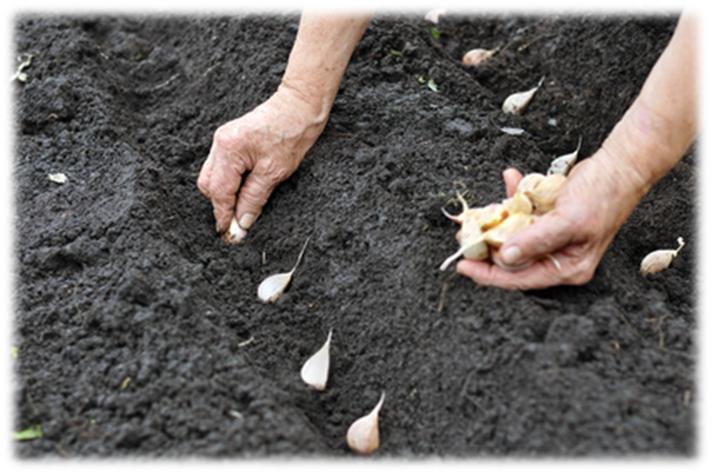
Garlic is commonly planted in Canada during the fall, specifically in the months of September and October. This timing allows the garlic to establish its roots before the winter frost sets in. By planting in the fall, garlic can undergo a necessary chilling period during the winter months, which helps to enhance bulb formation in the spring. The general recommendation is to plant garlic about 4-6 weeks before the ground freezes to ensure optimal growth.
Benefits of Fall Planting Garlic
Planting garlic in the fall offers numerous advantages:
- Stronger Root Development: Garlic planted in fall has more time to develop a robust root system before winter.
- Improved Bulb Size: Fall-planted garlic tends to produce larger bulbs due to a longer growing season.
- Less Competition: Planting in the fall helps avoid competition from weeds during the primary growing season.
Choosing the Right Garlic Varieties
Selecting the appropriate variety of garlic is essential for successful planting:
- Hardneck Varieties: Known for better performance in cold climates, such as 'Rocambole' and 'Porcelain.'
- Softneck Varieties: More suitable for milder regions of Canada or for those looking for longer storage, like 'Silverskin.'
- Local Adaptation: Consider choosing varieties that are known to thrive in your specific Canadian region.
Preparing the Soil for Garlic
Proper soil preparation is vital for healthy garlic growth:
- Soil Testing: Conduct a soil test to check nutrient levels and pH, aiming for a pH of 6.0 to 7.0.
- Amending Soil: Enrich the soil with organic matter, such as compost or well-rotted manure, to improve fertility.
- Well-Drained Soil: Ensure that the planting area has good drainage to prevent bulb rot.
Garlic Planting Techniques
Utilizing the correct planting techniques can boost yields:
- Spacing: Plant garlic cloves about 4-6 inches apart and 2-3 inches deep to allow room for growth.
- Mulching: Apply a layer of mulch after planting to conserve moisture and suppress weeds.
- Watering: Water the garlic thoroughly after planting to help establish roots, but avoid waterlogging.
Winter Care for Garlic
After planting, garlic requires minimal attention during winter:
- Monitoring: Check periodically for signs of frost heaving or erosion.
- Mulch Maintenance: Maintain the mulch layer for insulation and moisture retention.
- Spring Readiness: As snow melts, ensure the garlic is still covered with mulch until temperatures rise consistently.
Which is the best month to plant garlic?
The best month to plant garlic depends on the climate and growing conditions of your region. Generally, the optimal time for planting garlic is in fall, specifically from September to November. This period allows garlic to establish roots before winter, leading to stronger growth in spring when the temperatures rise. Planting garlic in the fall also leads to larger bulbs at harvest time.
Benefits of Fall Planting
Planting garlic in the fall provides several advantages:
- Root Development: Fall planting encourages garlic to develop a robust root system before the cold winter months.
- Stronger Growth: Garlic that is planted in the fall typically experiences more vigorous growth in the spring.
- Optimal Harvest: Fall-planted garlic tends to yield larger bulbs due to the extended growing season.
Climate Considerations
The climate plays a significant role in determining the best time to plant garlic:
See also:
- Cool Climates: In cooler regions, planting between late September and early October is ideal.
- Moderate Climates: In areas with milder winters, garlic can be planted until late November.
- Warm Climates: If temperatures in winter are mild, garlic can also be planted in the early spring for a summer harvest.
Soil Preparation
Proper soil preparation is crucial for successful garlic planting:
- Soil Quality: Ensure the soil is well-draining and rich in organic matter.
- pH Level: The ideal pH level for garlic is between 6.0 and 7.0.
- Nutrition: Adding compost or well-rotted manure can enhance the soil's nutrient content.
Garlic Varieties and Timing
Different garlic varieties may have specific planting requirements:
- Hardneck Garlic: Typically planted in the fall, it requires a cold period to develop properly.
- Softneck Garlic: Can be planted in fall or spring and is usually more tolerant of warmer conditions.
- Elephant Garlic: Often planted in spring and is more closely related to leeks than to true garlic.
Post-Planting Care
After planting, garlic requires certain care practices:
- Mulching: Apply mulch to help retain moisture and regulate soil temperature.
- Watering: Ensure consistent moisture, especially during dry spells.
- Pest Management: Keep an eye out for pests and diseases that may affect garlic growth.
Can garlic survive Canadian winter?
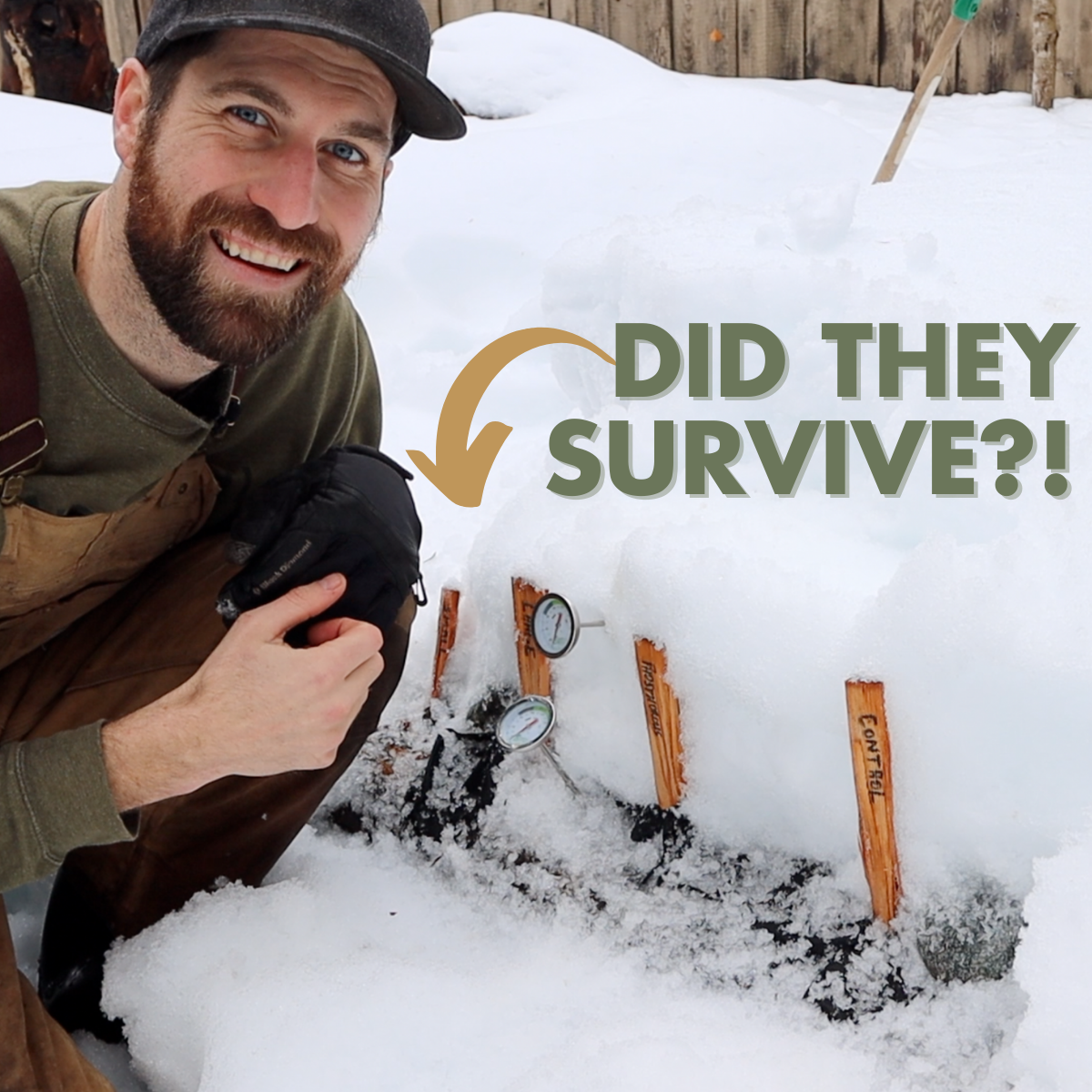
Garlic can indeed survive Canadian winters, but there are several factors that influence its viability. The hardiness of garlic largely depends on the variety planted and the winter conditions in specific regions of Canada. Generally, hardneck varieties of garlic are more cold-hardy compared to softneck types.
One critical aspect of garlic's survival through winter is its requirement for a period of vernalization, which is a period of cold temperatures that helps the bulbs to develop properly in the spring. When planted in the fall before a Canadian winter, garlic will enter a dormancy phase and then resume growth when warmer temperatures return in the spring.
Choosing the Right Garlic Variety
Selecting the appropriate garlic variety is essential for successful overwintering in Canada.
- Hardneck Garlic: This type is generally more resilient to cold and is recommended for regions with harsh winters.
- Softneck Garlic: While this type can survive milder winters, it may struggle in more extreme conditions.
- Local Adaptation: Garlic varieties that have been grown in local climates often adapt better to the specific winter conditions.
Preparing Garlic for Winter
Proper preparation is crucial to ensure the garlic bulbs survive the cold.
- Planting Time: Garlic should be planted in the fall, ideally 4-6 weeks before the ground freezes.
- Soil Preparation: Well-draining soil rich in organic matter helps prevent rot during wet winter conditions.
- Mulching: Adding a thick layer of mulch can help insulate the bulbs and regulate soil temperatures.
Winter Conditions and Their Impact
Different winter conditions can affect the survival rate of garlic.
- Temperature Fluctuations: Extremely variable temperatures can cause stress and damage to bulbs.
- Snow Cover: A consistent layer of snow can act as an insulating blanket, protecting garlic from severe cold.
- Moisture Levels: Excess moisture can lead to bulb rot, while insufficient moisture can hinder growth post-winter.
Signs of Garlic Survival in Spring
Recognizing the signs of successful garlic survival can help in planning for the coming growing season.
- Sprouting: If garlic shoots begin to emerge, it indicates successful overwintering.
- Leaf Growth: Robust leaf growth in early spring is a good sign of healthy bulbs.
- Overall Health: Healthy foliage color and structure suggest that the garlic has survived and is ready for growth.
Harvesting Garlic
Knowing when and how to harvest garlic is essential for getting the best yield.
- Timing: Garlic is typically harvested when the lower leaves turn yellow and dry.
- Harvest Method: Carefully digging them up to avoid damage to the bulbs ensures better storage quality.
- Post-Harvest Care: Curing the bulbs in a dry, ventilated area helps enhance their flavor and shelf-life.
Questions from Our Readers
When is the best time to plant garlic in Saskatchewan?
The best time to plant garlic in Saskatchewan is in early fall, typically around mid to late September. Planting at this time allows the garlic to establish roots before the ground freezes, leading to a stronger crop in the following summer.
Can garlic be planted in spring in Saskatchewan?
While it is possible to plant garlic in the spring, it is generally not recommended in Saskatchewan. Spring planting often results in smaller bulbs because the garlic does not have enough time to develop properly before the hot summer months arrive.
See also:
What type of garlic is best for planting in Saskatchewan?
The best types of garlic for planting in Saskatchewan are hardneck varieties, such as German Extra Hardy and Music. These varieties are well-suited for the colder climates and tend to produce larger bulbs and better flavor.
How deep should garlic be planted in Saskatchewan?
Garlic should be planted at a depth of about 2 to 4 inches in Saskatchewan. This depth helps to protect the bulbs from freezing temperatures while ensuring they have adequate soil contact for optimal growth.

If you want to read more articles like The Ultimate Guide: When to Plant Garlic in Saskatchewan? Timing Tips for a Thriving Harvest, we recommend you check out our Garlic category.
Leave a Reply
Related Articles