Ultimate Guide: How to Grow Garlic in Canada? Tips for Perfect Harvest
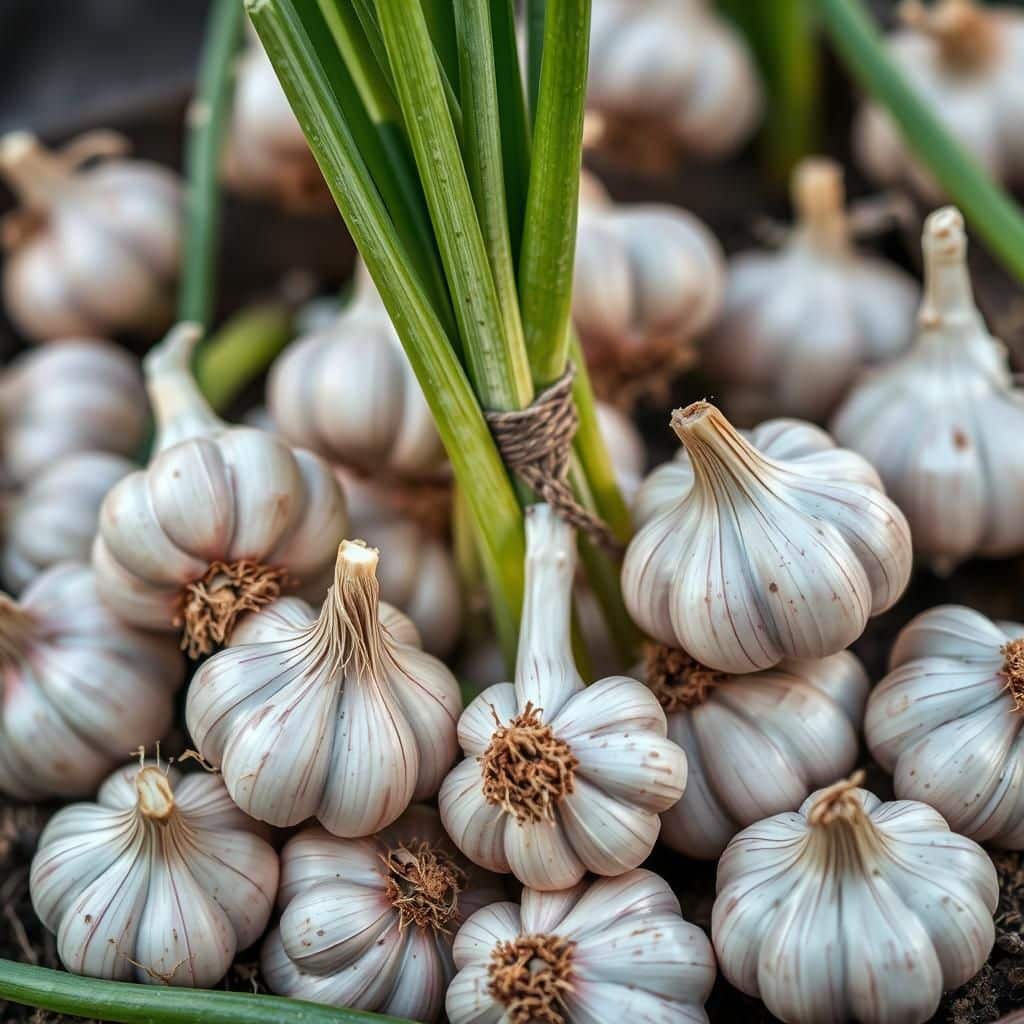
Garlic is a beloved ingredient in kitchens worldwide, known for its robust flavor and numerous health benefits. For Canadian gardeners, cultivating garlic can be a rewarding endeavor, provided they understand the specific climate and soil conditions. This ultimate guide will cover everything you need to know about growing garlic in Canada, from selecting the right variety to planting and caring for your crop. Whether you're a seasoned gardener or a novice looking to expand your green thumb, these tips will help you achieve a perfect harvest. Dive into the world of garlic gardening and elevate your culinary creations with homegrown bulbs.
How to Successfully Grow Garlic in Canada
Growing garlic in Canada can be a rewarding endeavor, as the climate allows for a robust growing season that is ideal for this flavorful bulb. The best time to plant garlic is in the fall, typically around late September to early October, to ensure that it goes through the necessary cold vernalization period. Selecting a suitable location with well-drained soil and full sun exposure is crucial for healthy bulb formation. Before planting, it is advisable to amend the soil with organic matter, such as compost, to enrich its nutrients. When planting, ensure that you place the cloves correctly, with the pointed end facing up and buried about two inches deep. Keeping the garlic bed well-watered throughout the growing season, particularly during dry spells, will promote strong growth leading to a bountiful harvest in mid to late summer.
Choosing the Right Garlic Varieties
When growing garlic in Canada, it's essential to select the right varieties that are well-suited to the local climate conditions. Hardneck varieties, such as Music or Porcelain, are particularly favored as they thrive in colder temperatures and produce larger bulbs. Softneck varieties like California Early and Silver Rose can also be grown, but they generally prefer milder climates. Consulting with local gardeners or agricultural extensions can provide insights into which varieties perform best in specific regions across Canada.
Preparing the Soil for Planting
Soil preparation is a critical step in garlic cultivation. Start by testing the soil pH, which should ideally range between 6.0 to 7.5. To enhance soil fertility, it's recommended to incorporate organic compost or well-rotted manure before planting. Aim for a loose, well-draining soil structure to allow the garlic roots to spread and absorb nutrients efficiently. Additionally, consider incorporating a layer of mulch, such as straw or leaves, to help retain moisture, suppress weeds, and regulate soil temperature.
Watering and Fertilizing Garlic
Adequate water is vital for the healthy growth of garlic, especially during the spring when the plants are actively growing. It's important to keep the soil consistently moist but not waterlogged, as excessive moisture can lead to bulb rot. Fertilizing garlic with a balanced fertilizer or supplements of nitrogen can enhance growth in early spring, followed by a high-potassium fertilizer as bulbs start forming. Monitor the garlic's growth, and as the leaves begin to yellow in late spring, reduce watering to encourage bulb curing.
Dealing with Pests and Diseases
To ensure a healthy garlic crop, it's essential to monitor for common pests and diseases that can affect yields. Typical pests include garlic maggots and root weevils, which can be managed through crop rotation and proper sanitation practices. Additionally, diseases like white rot can be devastating; therefore, it's crucial to avoid planting in previously infested areas and using disease-free planting stock. Regular inspection and early intervention can help minimize potential damage to the crop.
Harvesting and Storing Garlic
Timing the harvest of garlic is key to obtaining optimal quality bulbs. Harvest should occur when the lower leaves of the plant begin to turn brown while the upper leaves remain green; this indicates that the bulbs are mature. Carefully dig up the bulbs to avoid damaging them and allow them to cure in a shaded, ventilated area for about two to four weeks. Once cured, store garlic in a cool, dry place, ensuring proper airflow to prevent mold and extend its shelf life.
| Garlic Variety | Type | Best Planting Time |
|---|---|---|
| Music | Hardneck | Fall |
| California Early | Softneck | Fall |
| Porcelain | Hardneck | Fall |
| Silver Rose | Softneck | Fall |
Can garlic survive Canadian winter?
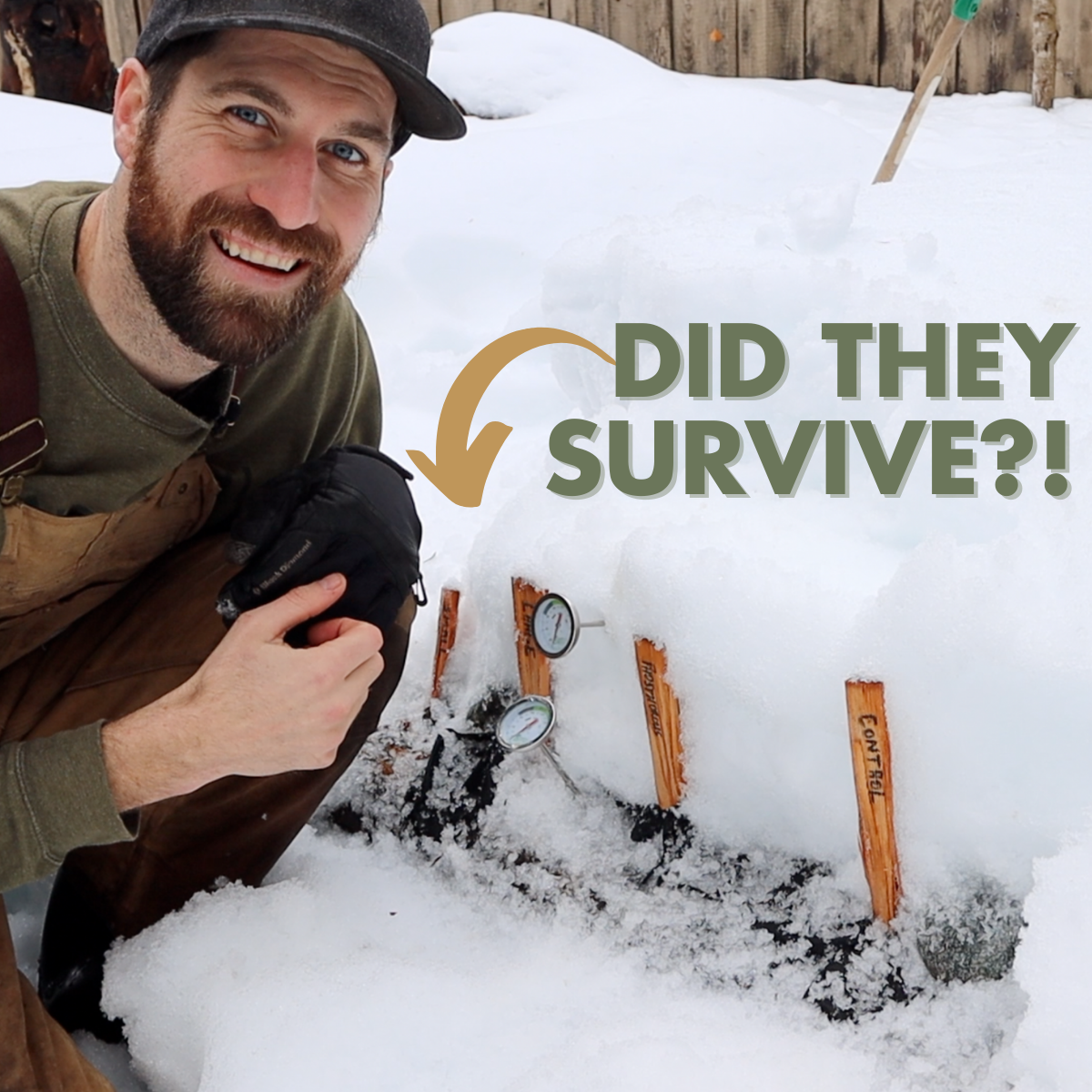
Garlic can indeed survive the harsh Canadian winter, but its success largely depends on the specific variety of garlic used and the planting techniques employed. Most types of garlic are hardy, and when planted in the fall, they go through a vernalization process, which is essential for bulb development. Here are several factors contributing to garlic's ability to withstand cold climates:
Types of Garlic Suitable for Cold Climates
Garlic generally falls into two categories: hardneck and softneck. In colder regions like Canada, hardneck garlic varieties are recommended because they withstand freezing temperatures better than softneck varieties. They also require a winter chill for optimal growth.
- Hardneck Garlic: These varieties thrive in cold climates and develop larger cloves.
- Softneck Garlic: More suited for milder climates, they may not perform well in Canadian winters.
- Local Adaptation: It's essential to choose varieties that have been grown successfully in your local area.
Planting Techniques for Winter Survival
Proper planting techniques significantly enhance garlic's chances of surviving the winter. Garlic should be planted in the fall when temperatures start to cool, allowing the bulbs to establish roots before the ground freezes.
- Soil Preparation: Ensure that the soil is well-draining to prevent waterlogging and rotting during winter.
- Depth: Plant garlic cloves 2-3 inches deep to protect them from extreme cold.
- Mulching: Add a layer of organic mulch to insulate the soil and maintain moisture levels.
Climate Considerations
Canadian winters can be severe, with temperatures often dipping below freezing. However, garlic has adapted over many years to withstand such conditions, particularly when it is grown in regions with similar climates.
- Hardiness Zones: Garlic thrives in USDA hardiness zones 3-7, which covers most of Canada.
- Microclimates: Planting in sheltered areas such as along south-facing walls can provide some protection against the cold.
- Snow Cover: A layer of snow acts as an insulative blanket, which can protect the garlic bulbs from severe cold.
Care Tips During Winter
While garlic is relatively low-maintenance, some care during the winter months can improve its chances of survival and ultimately enhance yields.
See also:
- Regular Monitoring: Check for signs of pests or disease through the winter months.
- Moisture Management: Ensure the soil does not completely dry out, especially before the ground freezes.
- Delayed Harvesting: Allow garlic to overwinter in the ground for better flavor and size when harvested in summer.
Harvesting Garlic After Winter
Once the winter has passed and temperatures have warmed, it’s essential to know when and how to harvest garlic for the best results.
- Timing: Harvest when the lower leaves start to brown, usually in mid-summer.
- Technique: Gently pull the bulbs from the summer soil, taking care not to bruise them.
- Curing: Hang garlic in a cool, dry place to cure for several weeks to enhance flavor and longevity.
How to grow garlic in cold climates?

To grow garlic in cold climates, specific strategies need to be adopted given the short growing season and the challenges posed by frost. Here are the detailed steps to effectively cultivate garlic under such conditions:
Choosing the Right Garlic Varieties
When growing garlic in cold climates, selecting the appropriate varieties is crucial. Hardneck garlic is usually more suitable for colder regions compared to softneck varieties.
- Hardneck Garlic: This variety thrives in colder conditions and tends to produce larger cloves.
- Softneck Garlic: Although these can be grown in colder climates, they are typically less resilient to frost.
- Local Adaptation: Consider acquiring seeds from local growers who have successfully cultivated garlic in your specific climate.
Preparing the Soil
The soil preparation is essential for garlic growth. Garlic prefers well-drained, rich soil.
- Soil Testing: Test your soil pH to ensure it is between 6.0 and 7.0.
- Amendments: Incorporate plenty of organic matter like compost or well-rotted manure to enhance soil fertility.
- Drainage: Ensure good drainage by using raised beds if your natural soil retains water.
Planting Timing
The timing of planting garlic is critical in cold climates.
- Fall Planting: Ideally, plant garlic in the fall, approximately 4-6 weeks before the ground freezes.
- Spring Option: If fall planting isn't possible, garlic can be planted in early spring as soon as the soil can be worked.
- Frost Protection: If you are planting in the spring, be prepared to protect your garlic from late frosts.
Mulching for Cold Protection
Applying mulch is an effective way to protect garlic from severe cold.
- Types of Mulch: Use straw, leaf litter, or wood chips to insulate the soil.
- Layer Thickness: Apply a thick layer of mulch (around 4-6 inches) to retain soil warmth.
- Weed Control: Mulching also helps in suppressing weeds, which can compete for nutrients and water.
Watering and Care
Proper watering and care are vital for healthy garlic plants.
- Initial Watering: Water the garlic well during the first few weeks after planting to establish roots.
- Regular Monitoring: Check soil moisture regularly; garlic prefers consistent moisture but not waterlogged conditions.
- Fertilization: Apply a balanced fertilizer in early spring as growth resumes, following the recommendations based on your soil test.
Are coffee grounds good for garlic?
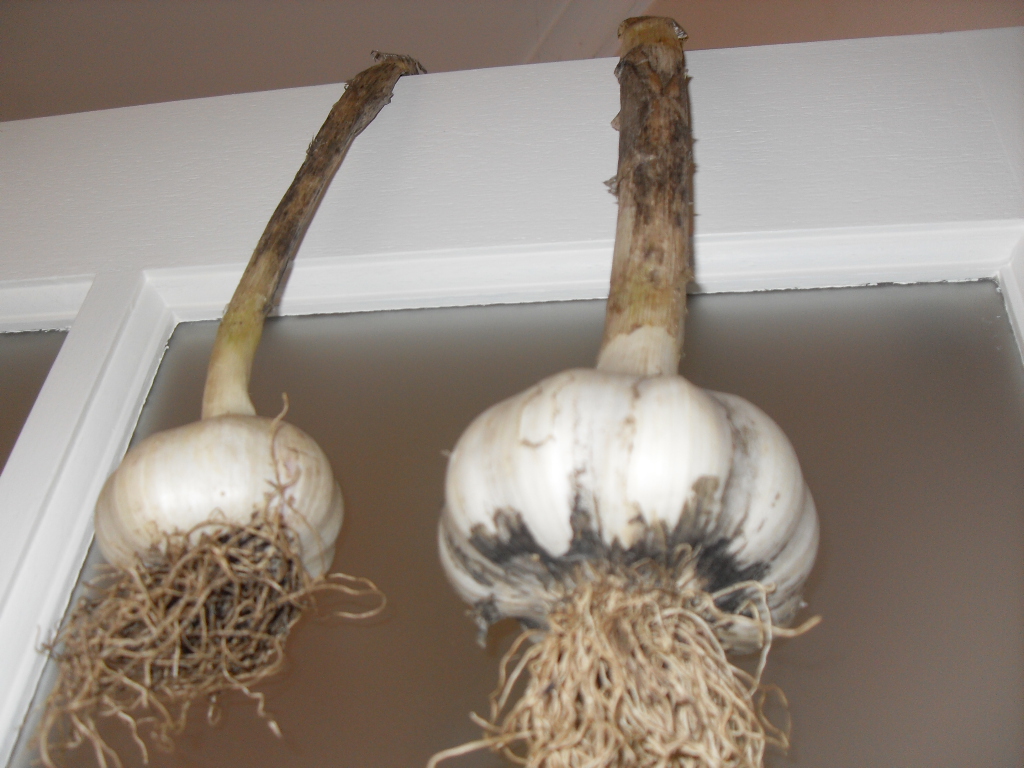
Coffee grounds can actually be beneficial for garlic cultivation. They serve as an excellent natural fertilizer and pest deterrent due to their nutrient profile and unique properties. Here are some aspects regarding the use of coffee grounds for garlic.
Benefits of Coffee Grounds for Garlic
Using coffee grounds as an amendment can enrich the soil in which garlic is planted. Some of the benefits include:
- Nutrient Boost: Coffee grounds are rich in nitrogen, which is crucial for the growth of garlic.
- Soil Structure Improvement: They improve the soil's structure, promoting aeration and drainage.
- Pest Deterrent: The strong scent of coffee grounds can help repel pests that might harm garlic plants.
How to Use Coffee Grounds with Garlic
Incorporating coffee grounds into your garlic planting routine can be straightforward. Here are some methods:
- Mix with Soil: Blend coffee grounds into the soil before planting garlic to enhance nutrient content.
- Top Dressing: Apply coffee grounds as a top dressing around garlic plants to gradually release nutrients.
- Composting: Add coffee grounds to your compost pile to enrich the compost that will eventually support garlic growth.
Potential Drawbacks of Coffee Grounds for Garlic
While coffee grounds have benefits, they also come with some potential drawbacks:
See also:
- Acidity Level: Fresh coffee grounds can be acidic, which might not be ideal for all soil types.
- Overuse Risks: Excessive application can lead to nutrient imbalances that may harm plants.
- Mold Growth: Coffee grounds can encourage mold if not used correctly, leading to potential issues for garlic.
Other Uses of Coffee Grounds in Gardening
Besides benefiting garlic, coffee grounds have various applications in the garden. Here are a few:
- Organic Fertilizer: They can nourish a variety of plants, enhancing their growth.
- Mulch Alternative: Coffee grounds can serve as an effective mulch to retain soil moisture.
- Worm Attractor: They can draw earthworms to your garden, which naturally aerates the soil.
Scientific Studies on Coffee Grounds and Plant Growth
Research has shown promising results about the effects of coffee grounds on plant health:
- Growth Enhancement: Studies indicate potential growth benefits when used correctly in various plant species.
- Nutrient Release Rates: Reports suggest that coffee grounds can release nutrients at a slower rate, aiding in sustained growth.
- Microbial Activity: They may enhance microbial activity in the soil, promoting a healthier root environment.
How long to put garlic in the freezer before planting in Canada?

To prepare garlic for planting in Canada, the recommended practice is to chill it in the freezer for about 24 to 48 hours. This process, known as vernalization, simulates the cold winter conditions that garlic bulbs need to properly develop. By chilling the bulbs, you help trigger the necessary growth hormones that will lead to strong and healthy garlic plants once planted in the spring.
Understanding Garlic Vernalization
Vernalization is a crucial process for garlic since it requires cold temperatures to initiate bulb formation. Here are some key points about garlic vernalization:
- Temperature Sensitivity: Garlic typically needs temperatures below 5°C (41°F) for optimal vernalization.
- Time Frame: Garlic benefits from being in the freezer for 24-48 hours, which mimics the cold winter conditions necessary for its growth.
- Growth Hormones: The freezing process helps to activate growth hormones that accelerate bulb development when planted.
Preparing Garlic for Freezing
Before placing garlic in the freezer, it’s essential to prepare it correctly. Follow these steps for optimal results:
- Choose Healthy Bulbs: Select firm and healthy garlic bulbs that show no signs of decay or damage.
- Clean and Dry: Remove any excess soil and ensure the bulbs are completely dry to prevent rot during freezing.
- Wrap Properly: Wrap the bulbs in aluminum foil or place them in a breathable bag to protect them during the freezing process.
When to Freeze Garlic for Spring Planting
Timing is critical when it comes to freezing garlic for spring planting in Canada. Consider the following:
- Planting Timeframe: Garlic is typically planted in early spring. Thus, freezing should occur shortly before planting.
- Monitor Weather Conditions: Ensure that the ground temperature is suitable for planting after the garlic has been frozen.
- Check for Bulb Growth: After freezing and before planting, monitor the bulbs for signs of sprouting which indicates readiness.
Potential Issues with Freezing Garlic
While freezing can enhance garlic growth, there are potential issues you should be aware of:
- Freezer Burn: If not wrapped adequately, garlic can suffer from freezer burn, which affects its viability.
- Storage Duration: Garlic that is frozen for too long may lose its potency and may not sprout as effectively.
- Quality: Consider the quality of garlic bulbs before freezing. Poor quality will lead to poor growth regardless of freezing.
Alternative Methods to Cold Stratify Garlic
Besides freezing, there are other methods to prepare garlic for planting, such as:
- Chilling in Fridge: Instead of freezing, you can chill the garlic bulbs in the refrigerator for a few weeks to achieve similar effects.
- Soil Method: Another method is to plant garlic bulbs directly in cold soil during late autumn, allowing them to naturally experience winter conditions.
- Using Landscape Fabric: When planted in late fall, using landscape fabric can help protect the bulbs from extreme cold and retain necessary moisture.
Questions from Our Readers
What is the best time to plant garlic in Canada?
To grow garlic successfully in Canada, the ideal planting time is in the fall, typically between late September and early October. This allows the garlic to establish roots before the ground freezes, leading to a stronger plant in the spring.
What type of garlic should I plant in Canada?
In Canada, it is recommended to plant hardneck garlic varieties, such as Porcelain or Rocambole, as they are better suited for the colder climate. These varieties typically produce larger cloves and are more resilient to the harsh winters.
How should I prepare the soil for planting garlic?
Preparing the soil for garlic involves ensuring it is well-drained, rich in organic matter, and has a pH between 6.0 and 7.0. You can improve the soil by adding compost or well-rotted manure, which will provide essential nutrients and enhance drainage.
How do I care for my garlic during the growing season?
During the growing season, proper care for garlic includes regular watering, especially during dry spells, and applying a balanced fertilizer once in the spring. Additionally, it’s important to keep the area weed-free to minimize competition for nutrients and water.
See also:

If you want to read more articles like Ultimate Guide: How to Grow Garlic in Canada? Tips for Perfect Harvest, we recommend you check out our Garlic category.
Leave a Reply
Related Articles