What is the Prettiest Plant in the World? Discover Nature's Most Stunning Flora

In the vast tapestry of nature, plants play a pivotal role in enhancing the beauty of our world. Among the myriad of botanical wonders, some stand out for their breathtaking aesthetics, captivating colors, and unique forms. This article embarks on a journey to explore the question: what is the prettiest plant in the world? From the vibrant petals of tropical blooms to the delicate elegance of succulents, we will uncover the most stunning flora that nature has to offer. Join us as we celebrate the enchanting diversity of plants that evoke awe and inspire admiration in all who encounter them.
The Quest for the Prettiest Plant in the World
Determining the prettiest plant in the world is subjective and varies depending on personal preferences and cultural significance. However, many enthusiasts agree that the orchid, with its dazzling range of colors, intricate shapes, and enchanting fragrances, deserves a top spot. The diversity within the orchid family includes over 25,000 species, each showcasing unique beauty, making them a favorite among collectors and gardeners alike. Other contenders include the lotus, celebrated for its serene elegance and spiritual symbolism, and the natives roses, admired for their classic beauty. Ultimately, the choice often reflects the individual’s taste and emotional connection to the plant.
The Allure of Orchids
Orchids are often celebrated for their exotic beauty and mysterious aura. They come in a myriad of colors, sizes, and forms, which makes them one of the most diverse plant families in the world. Orchids symbolize luxury and elegance in many cultures, often representing feminine beauty and strength. Their unique pollination methods and ability to thrive in various environments further contribute to their allure, making them a favorite for floral arrangements and home decorations.
The Serenity of Lotus Flowers
Lotus flowers are highly regarded not only for their stunning appearance but also for their deep symbolism in various cultures, particularly in Buddhism and Hinduism. These aquatic plants rise gracefully above murky waters, producing large, often fragrant blooms that have inspired poets and artists for centuries. The lotus embodies purity, enlightenment, and rebirth, which adds to its beauty and makes it a revered choice in gardens and sacred spaces.
The Classic Beauty of Roses
Roses have long been associated with love and romance, captivating hearts around the globe with their fragrant blooms and lush colors. With thousands of varieties, each rose species offers a unique profile, making it a quintessential flower in gardens and bouquets. The symbolism of roses varies by color, adding depth to their beauty. From passionate red to tranquil white, roses continue to reign as one of the most admired plants worldwide.
See also:
Exotic Beauty of Birds of Paradise
The Bird of Paradise plant, with its striking floral resemblance to a brightly colored bird in flight, offers a visual spectacle that captivates plant lovers. Native to South Africa, this plant is characterized by its dramatic, fan-like shape and vibrant colors. The Bird of Paradise often represents freedom and paradise itself, adding a touch of the exotic any garden space it occupies. Its unique flowers and striking foliage also make it a popular choice for tropical-themed designs.
The Unique Design of succulents
Succulents are celebrated for their stunning shapes, colors, and resilience. These plants store moisture in their leaves, allowing them to thrive in arid environments while requiring minimal care, making them a popular choice for modern gardens and indoor plants. The incredible variation among succulent species, from the vivid hues of Echeveria to the architectural forms of Aloe, highlights their aesthetic appeal. Their relatively low maintenance needs combined with unique beauty contribute to the growing popularity of succulents in home decor.
| Plant Name | Notable Feature | Symbolism |
|---|---|---|
| Orchid | Exotic colors and shapes | Luxury and elegance |
| Lotus | Elegant blooms rising from water | Purity and enlightenment |
| Rose | Classic beauty and fragrance | Love and romance |
| Bird of Paradise | Dramatic flowers and foliage | Freedom and paradise |
| Succulents | Diverse shapes and drought tolerance | Resilience and beauty |
Exploring the Most Visually Striking Plants in Nature
When it comes to identifying the prettiest plant in the world, opinions often vary due to the vast diversity of flora across different climates and regions. Among the contenders, the Orchid stands out for its exquisite coloration and complex structures that enchant botanists and enthusiasts alike. Native to nearly every continent, orchids come in thousands of species, showcasing a wide array of shapes and sizes that captivate the eye. Another remarkable candidate is the Bird of Paradise, known for its vibrant hues and unique flowering patterns, which resemble a dancing bird. Ultimately, beauty in the plant kingdom can be subjective, influenced by personal preferences and cultural backgrounds, making it an enriching exploration of nature's bounty.
Characteristics of the Most Stunning Flora
The most stunning flora exhibit a range of characteristics that contribute to their aesthetic appeal. Features such as vibrant colors, intricate patterns, and unusual shapes often define their beauty. These plants have adapted over time to attract pollinators, and their visual allure plays a crucial role in reproduction. Furthermore, the texture of the leaves or petals also enhances their beauty; for example, plants with dewy surfaces or velvety textures can create stunning visual contrasts, making them even more desirable for landscape design and gardening enthusiasts.
Top Candidates for the Prettiest Plant
Several candidates frequently emerge when discussing the prettiest plants in the world. The Cherry Blossom tree, particularly the Japanese varieties, is celebrated for its delicate pink flowers that blanket the landscape in spring. Similarly, the Lotus flower, revered in many cultures, symbolizes beauty and purity with its large, floating blossoms. Other notable mentions include the Rainbow Eucalyptus, with its multi-colored bark, and the Blue Himalayan Poppy, known for its striking blue petals. Each of these plants presents a unique kind of allure that contributes to their standing in beauty rankings among the botanical community.
See also:
The Role of Color in Plant Beauty
Color plays a pivotal role in the perceived beauty of plants, acting as a visual attractant. Bright colors are often associated with freshness and appeal, capturing the attention of both pollinators and humans alike. For instance, the stunning red of a poinsettia or the electric blue of the indigo flower creates a powerful visual statement. Additionally, the significance of color in plants extends beyond aesthetics; it can also serve to indicate ripeness or warn potential herbivores. Thus, understanding the impact of color helps in appreciating why certain plants are celebrated as the most exquisite in the world.
Cultural Significance of Beautiful Plants
The cultural significance of beautiful plants is deeply rooted in various traditions and practices worldwide. In many cultures, specific plants are imbued with symbolism; for example, roses signify love and passion, while lilies represent purity. Additionally, some plants hold historical importance, such as the Tulip, which once sparked an entire economic crisis in the Netherlands during the Tulip Mania. Such cultural narratives not only enhance our appreciation for these plants but also enrich our understanding of how beauty intertwines with human experience and history.
Preservation Efforts for Endangered Beautiful Plants
Preserving the world's most beautiful plants is crucial as many are threatened by habitat loss, climate change, and invasive species. Conservation efforts include the establishment of protected areas, the cultivation of endangered species in botanical gardens, and awareness campaigns to educate the public. For instance, the rescue of the Franklinia alatamaha, a plant that has been extinct in the wild since the 1800s, highlights how concerted conservation efforts can keep the legacy of beauty alive. Ensuring the survival of these stunning flora not only conserves biodiversity but also maintains the cultural heritage that these plants represent.
Questions from Our Readers
What is considered the prettiest plant in the world?
The prettiest plant in the world is subjective and may vary from person to person. However, many people commonly admire plants like the Orchid for their stunning beauty and variety. Other contenders include the Cherry Blossom and the Hibiscus, known for their vibrant colors and intricate shapes.
What factors contribute to a plant's beauty?
The beauty of a plant is influenced by several factors, including color, shape, size, and texture of its leaves and flowers. Additionally, the way a plant interacts with its environment, including factors like light and water, can enhance its visual appeal.
See also:
Are there any award-winning plants for beauty?
Yes, there are botanical competitions and exhibitions where plants are awarded for their beauty. For example, the Royal Horticultural Society in the UK holds flower shows that feature stunning entries, often spotlighting exceptional specimens like the Roses and Orchids.
Can a plant's beauty be enhanced through care?
Absolutely! A plant’s beauty can be significantly enhanced through proper care, which includes adequate watering, fertilization, and pruning. Ensuring that plants receive the correct light and nutrients can also contribute to their overall health and appearance.
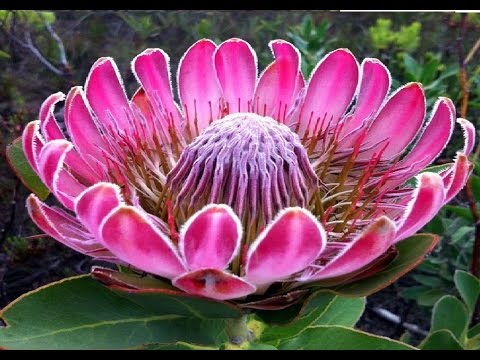
If you want to read more articles like What is the Prettiest Plant in the World? Discover Nature's Most Stunning Flora, we recommend you check out our Flowers category.
Leave a Reply
Related Articles