Are Blue Sunflowers Real or Fake? Discover the Truth Behind This Colorful Floral Phenomenon!

The vibrant blue sunflower has captured the fascination of floral enthusiasts and casual observers alike, sparking curiosity and debate about its existence. Are these stunning blooms a natural wonder or simply a colorful creation of human innovation? In this article, we will delve into the truth behind blue sunflowers, exploring their origins, the science of flower pigmentation, and the artistic efforts that have led to their creation. Whether you're a gardener seeking unique varieties or simply intrigued by this eye-catching floral phenomenon, join us as we uncover the reality behind these enchanting blue petals.
Are Blue Sunflowers Real or Fake?
While the idea of blue sunflowers captures the imagination, they are unfortunately not a natural occurrence. Sunflowers, belonging to the genus Helianthus, typically bloom in shades of yellow, orange, and sometimes reddish hues due to the presence of pigments such as carotenoids and flavonoids. The vibrant blue color is not genetically possible for these plants, as their DNA does not code for blue pigments. Gardeners may create the illusion of blue sunflowers through dyeing techniques or artificial means, but true blue sunflowers are an invention rather than a botanical reality.
Understanding Sunflower Colors
The color of sunflowers is largely determined by the pigments they produce. The primary pigments in sunflowers are chlorophyll (green) and carotenoids, which impart yellow and orange hues. In some rare instances, variations or mutations may lead to sunflowers with unusual coloring, but they never reach the blue spectrum due to the absence of specific pigment processes that can create blue.
Artificially Colored Sunflowers
To achieve the aesthetic of blue sunflowers, many suppliers resort to dyeing techniques. They take standard sunflowers and treat them with various colorants to create vibrant blooms in shades of blue. This process can yield striking results for decorative purposes, but these flowers are strictly artificial and do not represent the true characteristics of sunflower plants.
The Science Behind Flower Colors
Colors in flowers arise from a combination of chemical compounds, including pigments and the structure of the plant cells. Blue pigments, which are often found in flowers such as hydrangeas and delphiniums, result from specific chemical conditions and cellular structures. Sunflowers lack the necessary cellular configuration to produce blue hues, making the natural occurrence of blue sunflowers impossible within their biological framework.
Popularity of Blue Sunflowers in Culture
Despite their non-existence in nature, blue sunflowers have gained significant popularity in contemporary culture, especially in art, crafts, and decorative arrangements. Often associated with fantasy and creativity, they represent a departure from the traditional hues of sunflowers, embodying a modern, whimsical interpretation of the beloved flower that resonates with many gardeners and enthusiasts.
Where to Find Blue Sunflowers
If you are interested in acquiring blue sunflowers, several online retailers offer them as dyed flowers or as part of artificial arrangements. These products can be used for various decorative purposes, from weddings to home decor. However, it is essential to clarify that these items are not real sunflowers in their natural state and are intended solely for ornamental use, often lacking the durability and nature of authentic blooms.
| Aspect | Real Sunflowers | Blue Sunflowers |
|---|---|---|
| Color Origin | Natural pigments | Dye treatment |
| Existence | Natural | Artificial |
| Usage | Gardens & landscapes | Decorative & artistic |
| Popularity | Traditional | Contemporary trends |
| Perceived Value | Natural beauty | Novelty |
Can sunflowers grow blue?
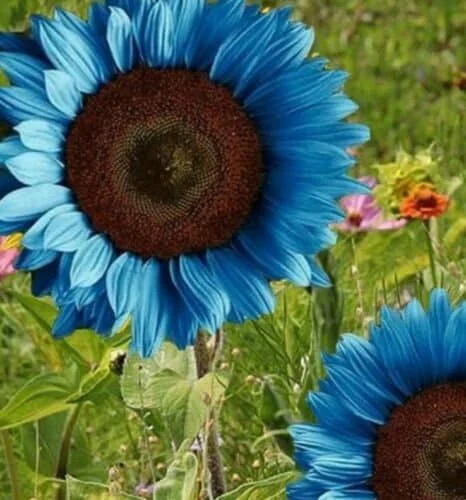
Sunflowers, known scientifically as Helianthus annuus, are iconic for their bright yellow petals that resemble the sun. However, the question arises: The straightforward answer is that sunflowers cannot naturally grow blue due to their genetic makeup. Sunflower petals come in various shades, predominantly yellow, orange, and sometimes reddish, but not blue. The pigmentation in flowers is largely determined by the presence of specific pigments, and blue pigments are typically not found in sunflowers.
The Genetics of Sunflower Color
The color of sunflower petals is primarily determined by the presence of specific pigments including carotenoids and anthocyanins. In sunflowers, carotenoids give rise to the common yellow and orange hues:
See also:
- Carotenoids provide yellow and orange pigmentation.
- Sunflowers lack the necessary anthocyanins that could lead to blue coloration.
- The genetic makeup limits natural variations in flower colors.
Color Modification Techniques
While blue sunflowers do not exist naturally, various methods have been explored to modify flower colors, although they are largely experimental:
- Genetic Engineering: Scientists can potentially alter the genetic structure of sunflowers to introduce genes responsible for blue pigmentation.
- Hybridization: Crossbreeding with other flower species may create hybrids that display varying colors.
- Dyeing Techniques: Some gardeners achieve blue shades by soaking sunflower stems in colored water, though this method is not genetically altering the flower.
Alternative Blue Flowers
If gardeners are specifically looking for blue flowers, there are numerous other species to consider, since blue pigments are more common in other plants:
- Bluebells are well-known for their vibrant blue hue and are a popular choice in gardens.
- Morning Glories also display stunning blue flowers that can complement sunflower arrangements.
- Hydrangeas can be manipulated to achieve a blue color depending on soil pH.
Market Trends for Colorful Sunflowers
The market has seen an interest in more diverse and unusual colors of sunflowers, yet blue remains elusive. Various trends include:
- Cheerful Yellow Varieties: Hybrid sunflowers with deep yellow and orange shades are gaining popularity.
- Pastel Shades: Breeders have been successful in creating light pink and peach sunflowers.
- Unique Forms: Research continues to develop shapes and forms that appeal to collectors and gardeners.
The Role of Symbolism in Flower Colors
Different colors of flowers carry various meanings and associations, which can influence gardening choices:
- Yellow Sunflowers: Symbolize happiness, warmth, and loyalty.
- Blue Flowers: Often associated with calmness, peace, and tranquility.
- Color Combinations: Gardeners often use color symbolism to create emotional impacts with their floral arrangements.
Are blue flowers real or fake?

Blue flowers can indeed be real, although they are quite rare in nature. The blue color in flowers is attributed to a specific set of pigments, primarily anthocyanins, which can produce various shades of blue depending on the pH levels of the cell sap in the plant tissues. While some plants produce genuine blue flowers, others may appear blue due to optical effects or the mixture of other colors. Additionally, blue flowers can also be artificially created through selective breeding or genetic modification. Therefore, blue flowers can be both real and fake, depending on the context in which they are presented.
Real Blue Flowers in Nature
Real blue flowers do exist, although they represent a small fraction of all flower species. Some notable examples include:
- Bluebell (Hyacinthoides non-scripta): A common wildflower in Europe known for its stunning blue clusters.
- Blue Hydrangea (Hydrangea macrophylla): Their blue hue can vary based on soil pH, offering natural variability in color.
- Delphinium: These tall, striking perennials produce beautiful blue blooms that are often used in floral arrangements.
Cultural Significance of Blue Flowers
Blue flowers often carry significant cultural meanings and symbolism across different societies. They can represent:
- Peace: The calming nature of the color blue is often associated with tranquility and peace.
- Love: In some cultures, blue flowers symbolize deep affection and love.
- Fantasy: Blue flowers can evoke a sense of the fantastical, often seen in literature and art as symbols of unattainable aspirations.
Artificial Blue Flowers
Artificial blue flowers are commonly produced for decorative purposes and can be made from various materials like plastic or silk. They are popular for several reasons:
- Longevity: Unlike real flowers, artificial blooms do not wilt or require care, making them suitable for long-term decoration.
- Availability: Artificial flowers provide a consistent color and style that might be hard to find in nature.
- Customization: They can be designed in a variety of shades and styles that may not exist among natural flowers.
Genetic Modifications for Blue Flowers
Advancements in genetic engineering have enabled scientists to create blue flowers through modification techniques. These flowers include:
See also:
- Genetically Modified Roses: These roses have been altered to express blue pigments, making them visually unique.
- Petunia: Certain strains of petunia have been modified to appear in striking blue tones.
- Lab-Cultivated Plants: Some research focuses on creating entirely new plant species with blue flowers through targeted genetic changes.
Challenges in Producing Blue Flowers
Producing blue flowers, whether naturally or artificially, comes with its challenges. Key issues include:
- Natural Rarity: True blue flowers are uncommon, and finding them in nature can be difficult.
- Color Variation: External factors such as soil composition and climate can affect the blue color in natural flowers.
- Public Perception: While artificial flowers provide more options, they may not always be accepted as substitutes for the beauty of natural blooms.
What is the rarest sunflower color?

The rarest sunflower color is often considered to be black or dark purple. While traditional sunflowers are known for their bright yellows, the darker variants are less commonly found in gardens and typically require specific growing conditions. Black sunflowers have a deep purplish-black hue that can appear strikingly beautiful, creating a dramatic contrast against the vibrant greens of their foliage. Although these rare colors are less often seen, they can attract considerable attention in horticultural circles.
Growing Conditions for Rare Sunflower Colors
The growing conditions for black or dark purple sunflowers differ from typical yellow sunflowers.
- Soil Quality: Dark sunflowers thrive in well-draining soil that is rich in organic matter.
- Sunlight: These varieties require full sun exposure to produce their distinct colors adequately.
- Watering: Regular watering is essential, but overwatering should be avoided to prevent root rot.
Genetics Behind Rare Sunflower Colors
The genetic makeup of sunflowers is a crucial factor that influences their coloration.
- Gene Variations: Specific gene variations govern pigment production, which determines sunflower color.
- Hybridization: Many rare colors result from hybridization between different species or varieties, which can yield unforeseen shades.
- Selection Pressure: Genetic drift and selective breeding have played a role in promoting the rarity of certain colors.
Uses of Rare Sunflower Colors
Rare-colored sunflowers serve several purposes beyond their aesthetic appeal.
- Ornamental Use: They are often used in floral arrangements and gardens to create unique visual interest.
- Symbolism: Dark-colored sunflowers may carry different meanings, often associated with depth and mystery.
- Seed Production: Some rare varieties may produce seeds that are sought after for their uniqueness and flavor.
Availability of Rare Sunflower Seeds
Finding seeds for rare sunflower colors can be challenging due to their limited availability.
- Specialized Nurseries: Rare colors are often found in specialized nurseries or seed catalogs that focus on unique plant varieties.
- Online Marketplaces: There are online platforms that cater to collectors, providing access to rare seeds across the globe.
- Seed Exchanges: Participating in seed exchange communities can be a way to obtain rare sunflower seeds from other enthusiasts.
Caring for Rare Sunflower Varieties
To ensure the healthy growth of rare sunflower varieties, proper care practices must be followed.
- Fertilization: Apply balanced fertilizers to promote growth without overwhelming the plants.
- Pest Management: Regular monitoring for pests is crucial, as rare varieties may be more vulnerable.
- Seasonal Maintenance: Seasonal pruning and care help maintain the plants’ health and promote blooming.
Questions from Our Readers
Are blue sunflowers real or fake?
Blue sunflowers are generally considered fake because natural sunflowers do not possess a blue color. The iconic yellow and brown of sunflowers is due to pigments called carotenoids and anthocyanins. The blue variant is usually the result of dyeing or digital manipulation in images, making them more of a novelty than a natural occurrence.
How are blue sunflowers created?
Blue sunflowers are typically created through artificial means, such as dyeing the petals or using digital editing techniques in photography. Some florists might also use paint or color sprays to create the illusion of blue sunflowers for decorative purposes, but these methods do not lead to genuinely blue-flowered plants in nature.
See also:
Can I find blue sunflowers in stores?
While you may not find naturally occurring blue sunflowers in stores, many florists and craft shops offer dyed versions or artificial blooms that mimic the look. These products are available for those looking to add a unique touch to their floral arrangements or for use in craft projects.
Are there any natural flowers that resemble blue sunflowers?
There are no natural flowers that truly resemble blue sunflowers, as sunflowers belong to the genus Helianthus, which does not produce blue hues. However, flowers like bluebells or delphiniums can provide a similar aesthetic in terms of shape or size, but they are entirely different species.

If you want to read more articles like Are Blue Sunflowers Real or Fake? Discover the Truth Behind This Colorful Floral Phenomenon!, we recommend you check out our Flowers category.
Leave a Reply
Related Articles