Is Dog Rose Flower Edible? Discover Benefits, Risks, and Culinary Uses
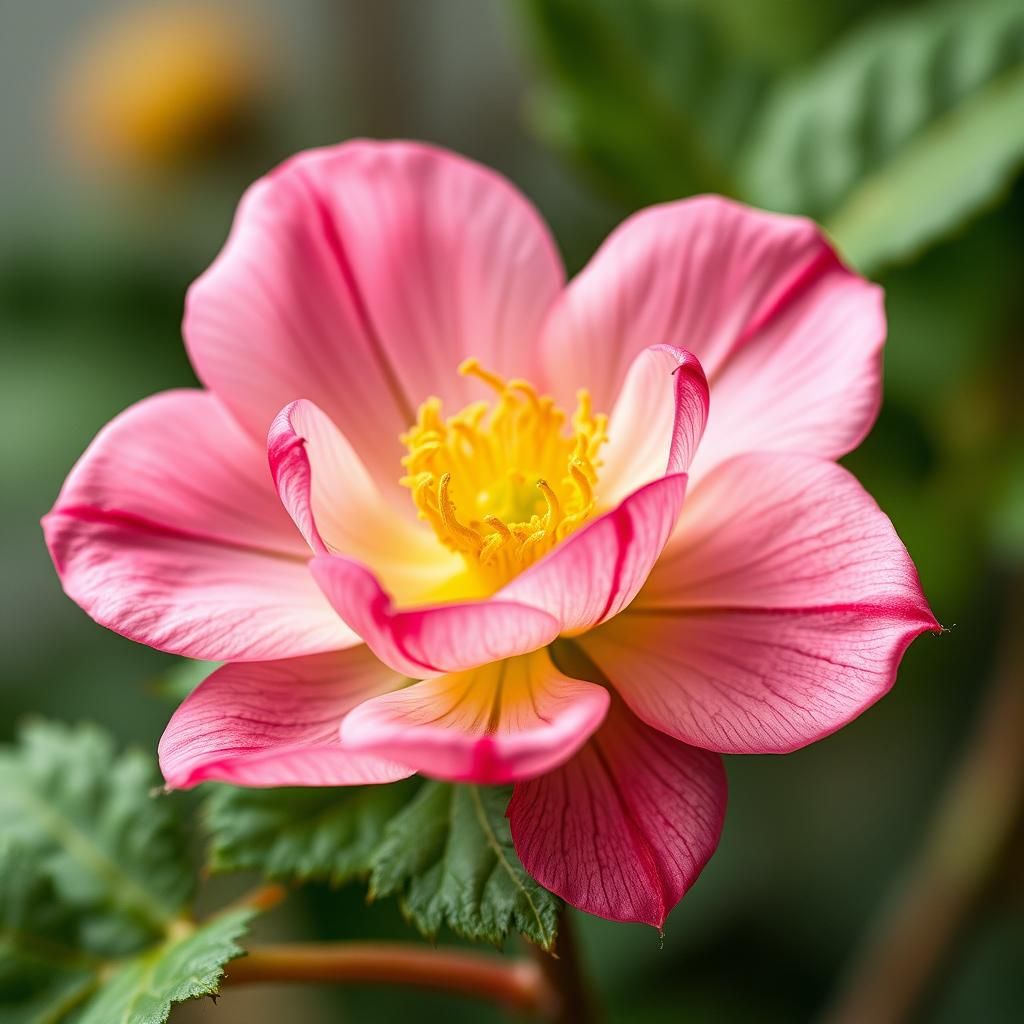
The dog rose, scientifically known as Rosa canina, is a wildflower that has garnered attention for its potential culinary uses. This article explores whether the dog rose flower is edible, diving into its benefits and possible risks. Rich in vitamins and antioxidants, the petals, hips, and leaves of the plant are often overlooked in modern cuisine. However, they have a long history of use in herbal remedies and food preparation. By examining the nutritional profile and culinary applications of the dog rose, we aim to provide a comprehensive guide for those curious about incorporating this unique flower into their diets.
Is the Dog Rose Flower Edible?
The Dog Rose, known scientifically as Rosa canina, is indeed edible and has been used for centuries in traditional medicine and cuisine. While the petals of the flower can be consumed raw, they are often more appreciated for their nutritional benefits when used in teas or infused in syrups. The fruits, commonly referred to as rose hips, are also edible and are rich in vitamin C and other antioxidants, making them a valuable addition to a healthy diet. However, it's essential to ensure that the flowers come from untreated plants to avoid pesticides and other harmful substances.
Nutritional Benefits of Dog Rose
The Dog Rose is not only flavorful but also packed with nutritional benefits. The petals contain vitamins, including A and C, while the rose hips are known for their high antioxidant content. These properties can help support the immune system and promote skin health. Furthermore, rose hips have been traditionally used to alleviate symptoms of conditions such as arthritis due to their anti-inflammatory effects.
Culinary Uses of Dog Rose
In culinary practices, the Dog Rose petals can be used fresh in salads, added to desserts, or infused in beverages to impart a delicate floral flavor. Rose hips are often made into jams, jellies, or syrups, contributing a tart taste that pairs well with various dishes. Chefs and foragers appreciate the versatility of the Dog Rose, utilizing its different parts in both sweet and savory dishes.
How to Harvest Dog Rose Flowers
Harvesting Dog Rose flowers should be done with care, ideally in late spring or early summer when they are in full bloom. It's important to select flowers that are free from pests and diseases. Using clean, sharp scissors or garden shears is recommended to avoid damaging the plant. After harvesting, rinse the flowers gently to remove any dirt or insects before using them in cooking or herbal preparations.
Potential Allergies and Side Effects
While the Dog Rose flower is generally safe to consume, some individuals may experience allergic reactions. Symptoms can vary from mild skin irritations to more severe respiratory issues. It's advisable for those with known allergies to rosaceous plants to exercise caution when trying the petals or any preparations made from them. Consulting with a healthcare professional before consuming any new plant is always prudent.
Preparation Ideas for Dog Rose Tea
Making Dog Rose tea is a simple process that highlights the flower's flavor and health benefits. To prepare, use about a handful of fresh Dog Rose petals, rinsed thoroughly, and steep them in hot water for approximately 10-15 minutes. For added flavor, honey or lemon can be introduced. This herbal tea is not only aromatic but also provides a comforting drink that can aid in digestion and relaxation.
| Nutrient | Amount per 100g |
|---|---|
| Vitamin C | 426 mg |
| Vitamin A | 1,075 IU |
| Fiber | 24 g |
| Antioxidants | High |
| Calories | 50 kcal |
Are dog rose flowers edible?

Dog rose flowers, scientifically known as Rosa canina, are indeed edible. These flowers are typically found in wild areas and are recognized for their delicate pink or white petals. They have been used historically for various purposes, including herbal medicine and as a flavoring. However, while the flowers themselves are edible, it’s important to ensure that they are harvested from a clean environment, free of pesticides and pollutants.
Health Benefits of Dog Rose Flowers
The health benefits associated with dog rose flowers are notable. They contain various vitamins and antioxidants which can contribute positively to overall well-being. Some key benefits include:
- Rich in Vitamin C: Dog rose flowers are known to have high levels of vitamin C, which is essential for the immune system.
- Antioxidant Properties: They help combat oxidative stress in the body due to their antioxidant content.
- Anti-inflammatory Effects: The flowers may provide soothing effects and help reduce inflammation.
How to Use Dog Rose Flowers in Cooking
Dog rose flowers can be used in several culinary applications. Their subtle flavor can enhance dishes, making them a delightful addition. Methods to incorporate them include:
See also:
- Infusions: Steep the petals in hot water to create a fragrant tea.
- Salads: Add fresh petals to salads for a pop of color and a hint of flavor.
- Garnishes: Use the flowers as a decorative garnish on desserts or drinks.
Preparation and Safety Considerations
When it comes to preparing dog rose flowers, proper care and preparation are critical for ensuring safety. Here are some considerations to keep in mind:
- Harvesting: Collect flowers from areas known to be free of chemicals and pollutants.
- Washing: Rinse the flowers gently to remove dirt and potential pesticide residues.
- Petal Usage: Use only the petals, as the hips (fruits) can be consumed but require special preparation.
Potential Allergic Reactions
As with any edible flower, there is a risk of allergic reactions for some individuals. Awareness of symptoms and precautions is essential:
- Skin Reactions: Some may experience irritation or rashes upon contact with the flowers.
- Gastrointestinal Issues: Consumption may lead to nausea or digestive discomfort in sensitive individuals.
- Consultation: It is advisable for those with allergies to consult a healthcare professional before consumption.
Difference Between Dog Rose and Other Rose Varieties
It's important to distinguish dog rose flowers from other rose types, as not all roses are edible. Key differences include:
- Species: Dog rose (Rosa canina) is a wild species, whereas many garden roses may not be suitable for eating.
- Flavor Profile: Dog rose flowers have a more subtle, wild flavor compared to the more cultivated varieties.
- Use in Traditional Medicine: Dog rose is often used in herbal remedies, unlike many ornamental varieties.
Is the dog rose poisonous?

The dog rose, scientifically known as Rosa canina, is commonly recognized for its beauty and is often found in gardens and wild landscapes. When it comes to its safety for pets and humans, the general consensus is that the dog rose is not toxic. However, certain parts of the plant may cause mild gastrointestinal distress if ingested in large quantities.
Understanding Dog Rose Toxicity
The dog rose is classified as a non-toxic plant. While dog rose fruits, commonly known as hips, are edible and even nutritious, consuming them in excess may lead to some digestive discomfort. Most animals, including dogs, are usually safe around this plant, as their digestive systems can tolerate it well.
- Non-toxic nature: The dog rose is safe for both humans and animals.
- Mild effects: Large quantities may lead to upset stomach but are generally harmless.
- Common uses: Fruits of the plant are often used in herbal remedies and are rich in vitamin C.
Edible Parts of the Dog Rose
The most commonly consumed part of the dog rose is the fruit, or hips. These are not only safe to eat but also provide various health benefits. They are often used in teas, jams, and syrups due to their nutritional value.
- Hips rich in nutrients: Dog rose hips are a good source of vitamin C and antioxidants.
- Herbal applications: Used traditionally for health benefits, including immune support.
- Preparation methods: Commonly made into teas or used in cooking for added flavor.
Potential Risks of Ingestion
While the dog rose is generally safe, there are still potential risks associated with its ingestion, mainly if consumed excessively. In most cases, the effects are mild and typically involve gastrointestinal upset.
- Gastrointestinal distress: Overconsumption may lead to symptoms such as nausea or diarrhea.
- Skin irritation: Handling the plant may cause allergic reactions in sensitive individuals.
- Moderation is key: Eating the hips in normal amounts is generally considered safe.
Identifying the Dog Rose
The dog rose can be easily identified by its distinctive features, such as prickly stems and fragrant pink flowers. Knowing how to recognize this plant is essential for anyone interested in utilizing its properties safely.
- Appearance: Dog rose typically features climbing stems covered in small thorns.
- Flowers: It blooms with large, fragrant, pale pink flowers, making it visually distinct.
- Leaves and fruits: Leaves are compound and the hips appear as round, red or orange berry-like formations.
Cultural Significance of Dog Rose
Beyond its medicinal properties, the dog rose holds cultural significance in various societies. It is often associated with folklore and traditional practices, symbolizing love and resilience.
- Symbolism: Represents love and beauty in many cultures.
- Folklore: Often featured in myths and stories, reflecting its importance in human culture.
- Healing traditions: Used in various traditional medicine practices for its supposed benefits.
What does dog rose taste like?


Dog rose, also known as Rosa canina, has a flavor profile that is both unique and complex. The taste can vary depending on how the fruit is prepared and when it is harvested, but generally, fresh dog rose berries have a slightly tart yet sweet flavor. The berries are often described as having a mild fruitiness, reminiscent of a combination of berries and apples. When consumed raw, they can have a somewhat fibrous texture with small seeds inside, contributing to their overall mouthfeel.
In addition to the berries, dog rose petals can also be used in culinary applications. They are often found in herbal teas and jams, where they impart a delicate floral note with subtle sweetness. The flavor becomes more pronounced when the petals are dried or infused, enhancing their aromatic qualities.
Here are some detailed insights related to the taste of dog rose:
Flavor Profile of Dog Rose Berries
The flavor of dog rose berries can be described with several key characteristics:
- Tartness: The initial taste can be quite tart, making it refreshing.
- Sweetness: After the tartness, a hint of sweetness emerges, balancing the overall flavor.
- Fruity Notes: Some people perceive hints of apple or berry flavors, contributing to a more complex taste.
Uses in Culinary Applications
Dog rose can be utilized in various ways in the kitchen, showcasing its unique taste:
- Jams and Jellies: When cooked down with sugar, the tartness transforms into a delicious spread.
- Herbal Teas: Dried petals can be steeped to create a soothing beverage with a floral essence.
- Flavoring Desserts: The petals can be incorporated into desserts for added fragrance and taste.
Texture and Mouthfeel
The texture of dog rose plays a significant role in the overall tasting experience:
- Fleshy Berries: The berries have a fleshy exterior, which can be slightly fibrous.
- Seeds: Inside, you'll find small seeds that can affect the mouthfeel.
- Petal Texture: When using petals, they offer a soft and delicate feel on the palate.
Seasonal Variability in Taste
The taste of dog rose can change depending on the season:
- Season of Harvest: Berries harvested in late summer are typically sweeter than those picked in early summer.
- Environmental Factors: Soil type and weather conditions influence the overall flavor intensity.
- Ripeness: Fully ripe berries provide a richer and more balanced taste than underripe ones.
Health Benefits and Taste Enhancement
Aside from its unique taste, dog rose also offers several health benefits:
- Rich in Vitamin C: The berries are a great source of this essential nutrient, contributing a tangy flavor.
- Antioxidants: The beneficial compounds present can enhance the overall flavor while providing health advantages.
- Digestive Aid: Consuming dog rose may enhance digestion, which can enhance the appreciation of its taste when enjoyed in meals.
Questions from Our Readers
Is dog rose flower edible?
Yes, the dog rose flower is indeed edible. The petals can be consumed either fresh or dried, and they are often used in herbal teas and as garnishes in various dishes. However, it's essential to ensure that they are harvested from clean areas without pesticide exposure.
Are there any health benefits of eating dog rose flowers?
Yes, dog rose flowers contain vitamins and antioxidants that may provide several health benefits. They are believed to have properties that can support the immune system and promote overall well-being. Additionally, they are often appreciated for their anti-inflammatory and astringent qualities in herbal medicine.
How can I use dog rose flowers in cooking?
Dog rose flowers can be used in a variety of ways in the kitchen. You can add the fresh petals to salads for a pop of color, use them to make infusions or herbal teas, or incorporate them into jams and jellies for a unique flavor. Always remember to use clean and safe blooms when cooking.
See also:
Are there any risks associated with eating dog rose flowers?
While dog rose flowers are generally safe to eat, some individuals may experience allergic reactions or stomach upset if consumed in large quantities. It's advisable to start with a small amount and observe your body's reaction. Additionally, ensure that the flowers are free from pesticides and are sourced from clean areas.

If you want to read more articles like Is Dog Rose Flower Edible? Discover Benefits, Risks, and Culinary Uses, we recommend you check out our Roses category.
Leave a Reply
Related Articles