Are Rainbow Roses Real or Fake? Exploring the Truth Behind This Colorful Flower fenómeno
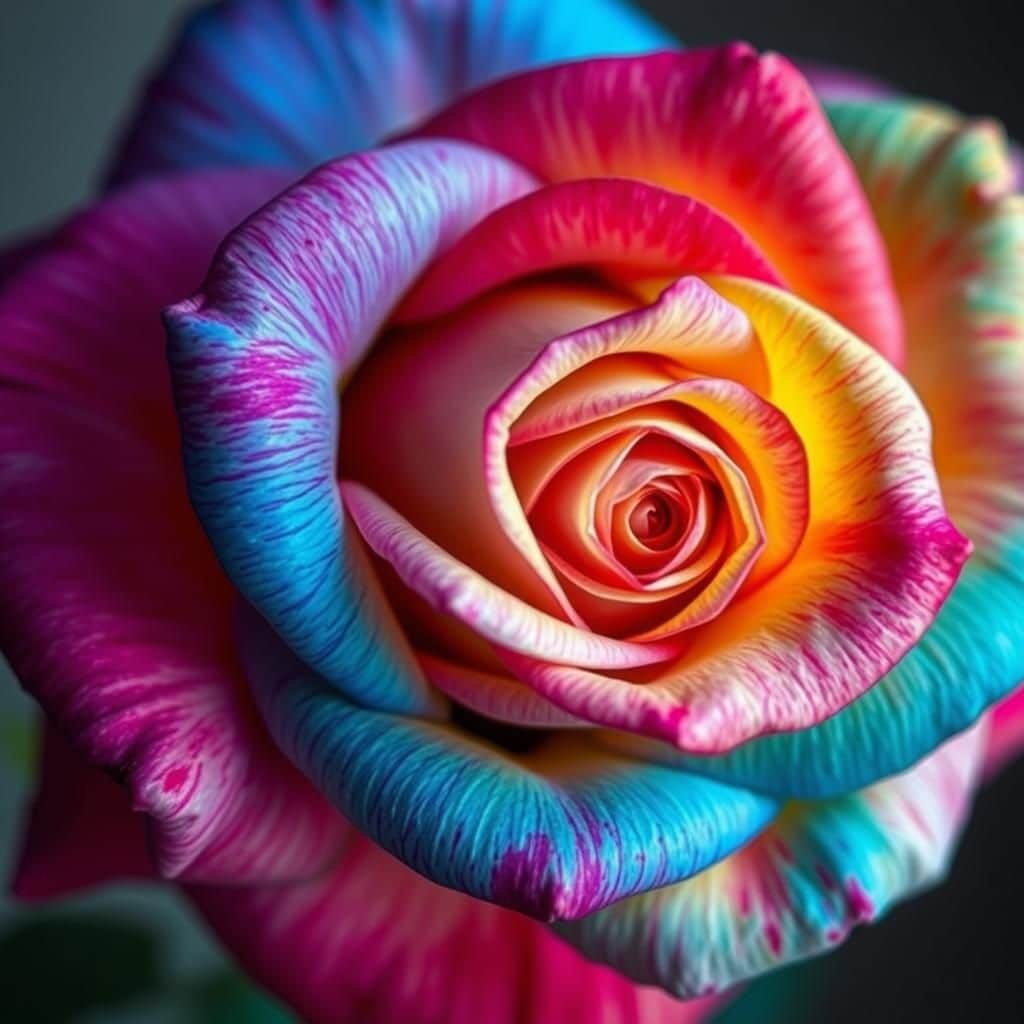
Rainbow roses have captivated flower enthusiasts and casual observers alike with their vibrant, multi-colored petals. But amidst the awe and admiration, a question arises: are these mesmerizing blooms real or simply a clever creation of the floral industry? In this article, we delve into the fascinating origins of rainbow roses, examining the techniques used to produce them and the chemistry behind their striking colors. By uncovering the truth behind this colorful flower phenomenon, we aim to provide a deeper understanding of what makes rainbow roses so uniquely appealing, while also distinguishing fact from fiction in the world of horticulture.
Are Rainbow Roses Real or Fake?
Rainbow roses are indeed real, but they are not naturally occurring. These vibrant blooms are created through a process known as dyeing, where the stems of white roses are split and submerged in water mixed with various colors of dye. As the roses absorb the colored water, the petals take on these bright hues, resulting in a multicolored appearance. This method allows florists to create roses in various shades, making rainbow roses a popular choice for special occasions and gifts. While they look artificial, they are genuine flowers enhanced through creative floral artistry.
How Are Rainbow Roses Made?
The creation of rainbow roses involves a specific technique where white roses are cut at their stems, which are then soaked in dyed water. The process typically takes several hours to days, depending on how vibrant the colors need to be. Each stem is placed in individual containers filled with different colors, allowing the petals to absorb the dye selectively. This unique method enables the florist to control the coloration pattern, resulting in the stunning rainbow effect that captures attention.
Are Rainbow Roses Considered Natural Flowers?
Even though rainbow roses are made from natural white roses, they are often viewed as artificial due to the dyeing process. Some purists may argue that because the colors are not a direct result of the rose's natural genetics, these flowers do not fit the definition of natural. Nonetheless, the base flower is indeed a natural rose, leading to a debate among flower enthusiasts regarding classification and enhancement in floral design.
What Is the Lifespan of Rainbow Roses?
The lifespan of rainbow roses is similar to that of traditional roses, typically lasting about 7 to 12 days when properly cared for. To maintain their vibrancy, it's important to place them in cool areas away from direct sunlight and change the water regularly. However, it’s essential to note that once the flowers wilt, the dyed petals may lose some of their bright colors, and the visual impact can diminish over time.
See also:
Where Can You Buy Rainbow Roses?
Rainbow roses are available at many floral shops, particularly those that specialize in unique and custom floral arrangements. They can also be found online through various flower delivery services, allowing individuals to order them for specific occasions or events. When purchasing rainbow roses, it's beneficial to check for reviews and the quality of the flowers to ensure a satisfactory outcome.
Are There Any Alternatives to Rainbow Roses?
Yes, several alternatives exist for those desiring a vibrant and colorful bouquet without the dyeing process. Florists often use naturally vibrant flowers like tulips, chrysanthemums, or gerbera daisies, which come in a variety of colors and can be arranged creatively. Additionally, some varieties of roses, such as the vintage or bi-color types, offer unique color patterns without artificial alteration. These options allow for a natural aesthetic while still achieving a colorful appearance in floral arrangements.
| Aspect | Rainbow Roses | Natural Roses |
|---|---|---|
| Coloration | Dye process | Natural genetics |
| Lifespan | 7-12 days | 7-12 days |
| Where to Buy | Floral shops, online | Floral shops, online |
| Alternatives | Dyed varieties | Natural vibrant flowers |
| User Preference | Artistic choice | Natural beauty |
Understanding the Science Behind Rainbow Roses
Rainbow roses, often perceived as a wonderful floral spectacle, are not naturally occurring but are a product of creative cultivation. These stunning multicolored blooms are primarily created through a technique known as vascular staining, where the stems of white roses are submerged in colored water. As the flowers absorb the dyed water, the petals take on the vibrant hues, resulting in the characteristic rainbow effect. This process reflects the innovation in horticulture and highlights the artificial methods used to achieve such dazzling appearances, sparking debates about the authenticity of their beauty.
The Origins of Rainbow Roses
The creation of rainbow roses dates back to the late 20th century when florists sought to enhance the allure of traditional roses. By using dye and varying the absorption process, they discovered that roses could be artificially colored, leading to the development of this unique flower. Each color in the blooming petals can signify different emotions, and thus, rainbow roses have become popular as a symbol of joy and celebration.
Coloring Techniques Used
The coloring technique for rainbow roses involves splitting the stems of white roses into several sections. Each section is then placed in a different jar of colored water. Through this method, the flowers selectively absorb the dyes, resulting in the varied colors that cascade throughout the petals. This process requires precision and can take some time, making the production of rainbow roses an intricate and artful process.
See also:
Nutritional and Environmental Impact
While the creation of rainbow roses may be visually striking, it raises questions about the nutritional and environmental impacts of using synthetic dyes in flower cultivation. The dyes can potentially affect soil composition and local ecosystems if not handled properly. Moreover, concerns about the sustainability of such practices highlight the ongoing need for more eco-friendly alternatives in floriculture.
Market Demand and Popularity
Rainbow roses have gained immense popularity in the floristry market, particularly for events like weddings, birthdays, and other celebrations. Their unique appearance and ability to symbolize a range of emotions make them a sought-after choice for floral arrangements. This rising demand has resulted in florists often charging a premium for these colorful blooms, further establishing their status as a favorite among consumers seeking to make bold floral statements.
Symbolism and Meaning
The vibrant colors of rainbow roses carry various symbolic meanings depending on their hues. For instance, red represents love, while blue signifies mystery. The multi-colored formation embodies the diversity of feelings that can be expressed through flowers. This symbolism enhances their appeal beyond mere aesthetics and adds layers of significance to the act of giving or receiving a rainbow rose, making them a perfect choice for those looking to convey complex emotions.
Questions from Our Readers
Are rainbow roses real or fake?
Rainbow roses are generally considered fake because they are not a naturally occurring variety. They are created through a special dyeing process where white roses are split into sections and dipped in various colors of dye, resulting in the vibrant hues that resemble a rainbow.
How are rainbow roses made?
The process of making rainbow roses involves cutting the stems of white roses at an angle and splitting them into multiple sections, which are then placed in separate vases filled with different colored dyes. As the rose absorbs the colored water, it gradually changes, producing a stunning multicolored effect.
See also:
Can I grow my own rainbow roses?
While you cannot grow true rainbow roses from seeds or bulbs, you can create your own by following the dyeing method at home using white roses. This allows you to experiment with various colors and techniques to achieve your desired rainbow effect.
Do rainbow roses last as long as regular roses?
Rainbow roses tend to have a similar lifespan to regular roses, typically lasting about 5 to 10 days with proper care. However, the dyeing process may affect the longevity, so it's essential to keep them in water and away from direct sunlight to maximize their freshness.

If you want to read more articles like Are Rainbow Roses Real or Fake? Exploring the Truth Behind This Colorful Flower fenómeno, we recommend you check out our Roses category.
Leave a Reply
Related Articles