Is Lily of the Valley Poisonous? Discover the Dangers and Myths Explained!
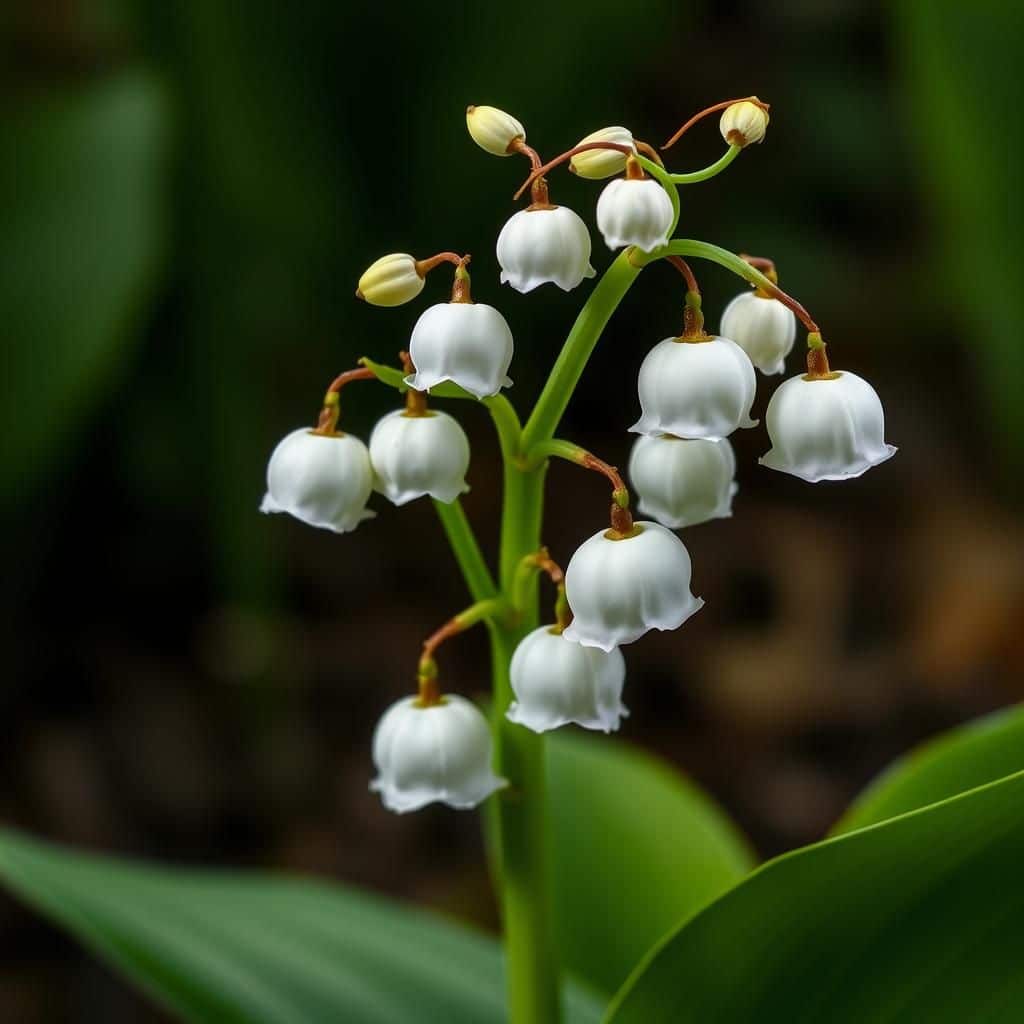
Lily of the Valley, with its delicate bell-shaped flowers and sweet fragrance, is a popular choice for gardens and floral arrangements. However, beneath its charming exterior lies a hidden danger. This plant, scientifically known as Convallaria majalis, contains toxic compounds that can pose serious health risks if ingested. Despite its allure, many myths surround its toxicity, creating confusion about its safety. In this article, we will explore the potential dangers of Lily of the Valley, debunk common misconceptions, and provide essential information to keep you and your loved ones safe from its harmful effects.
Is Lily of the Valley Poisonous?
Lily of the Valley, scientifically known as Convallaria majalis, is indeed toxic. All parts of the plant contain glycosides, particularly convallatoxin, which can cause a range of symptoms if ingested. The toxicity varies depending on the amount consumed, but even small doses can lead to nausea, vomiting, abdominal pain, and in severe cases, it may result in arrhythmias and cardiac arrest. It is worth noting that while the plant may be beautiful and fragrant, it poses a significant risk to both humans and pets if eaten.
Symptoms of Poisoning
The symptoms of lily of the valley poisoning can manifest within a few hours of ingestion. Common symptoms include nausea, vomiting, diarrhea, and abdominal pain. More severe effects can include dizziness, confusion, and irregular heartbeats. In extreme cases, because of the impact on the cardiac system, it can lead to fainting, seizures, or even death, making immediate medical attention essential.
Treatment for Ingestion
If someone has ingested any part of the lily of the valley, it is crucial to seek medical help immediately. Treatment typically involves supportive care, which may include activated charcoal to limit absorption of the toxin, intravenous fluids to prevent dehydration, and close monitoring of the heart in case of arrhythmias. In some cases, antidotes may be utilized to counteract the toxic effects, but medical professionals should always handle this.
Effects on Pets
Lily of the valley is similarly toxic to pets, particularly dogs and cats. Ingestion can lead to symptoms such as drooling, vomiting, diarrhea, and more severe complications, including tremors and cardiac issues. Pets may be attracted to the plant due to its sweet fragrance, making it especially important for pet owners to ensure that these plants are not within their reach. If ingestion is suspected, it is advisable to contact a veterinarian right away.
Precautions for Gardeners
For gardeners, it is essential to practice caution when cultivating lily of the valley. Wear gloves while handling the plant to avoid skin irritation and potential absorption of toxins. Furthermore, it is prudent to inform family members and visitors about its toxic nature, especially in family settings with young children or pets. Consider placing warning signs or utilizing garden barriers to prevent accidental contact with the plant.
Safe Alternatives
For those who love the aesthetic of lily of the valley but are concerned about its toxicity, numerous safer alternatives exist. Plants such as bleeding heart, fuchsias, and hostas can offer similar beauty without the associated health risks. Researching and selecting non-toxic plants can help maintain a beautiful garden while ensuring the safety of all inhabitants.
| Plant | Scientific Name | Harmful Effects | Treatment |
|---|---|---|---|
| Lily of the Valley | Convallaria majalis | Vomiting, Arrhythmias, Death | Activated Charcoal, Fluids |
| Oleander | Nerium oleander | Heart Issues, Death | Activated Charcoal, Hospitalization |
| Foxglove | Digitalis purpurea | Cardiac Problems, Death | Medical Emergency |
Are lily of the valley poisonous to touch?
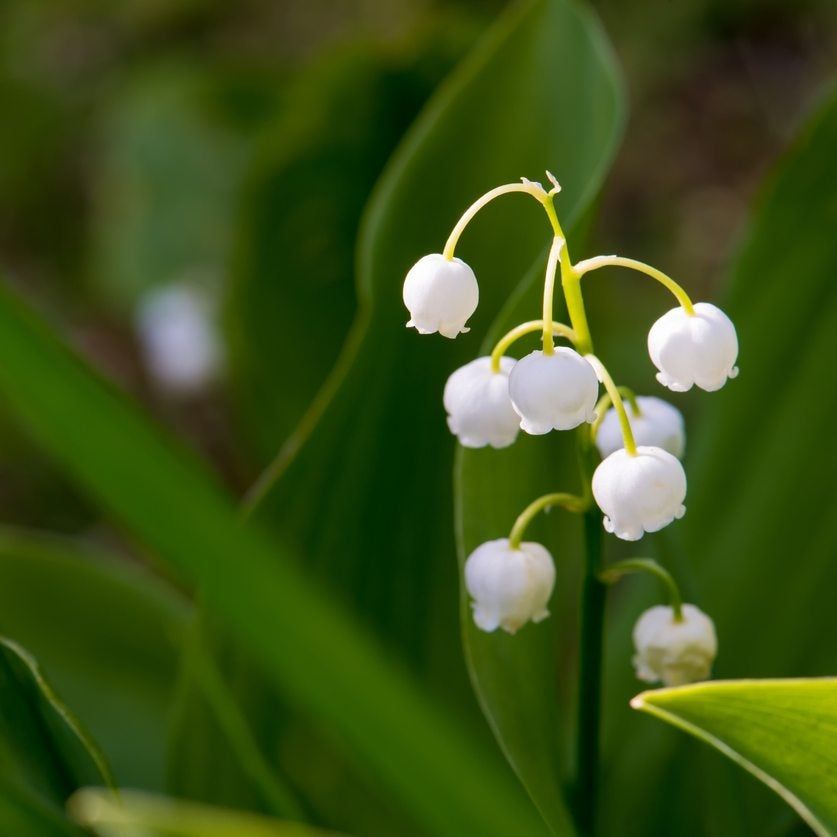
Lily of the valley, scientifically known as Convallaria majalis, is a beautiful yet highly toxic plant. Touching the plant is generally considered safe for most people; however, caution is advised. While the plant's skin does not contain potent toxins that can be absorbed through the skin, it is essential to recognize that ingestion of any part of the plant can lead to serious health issues, including poisoning.
Understanding the Toxicity of Lily of the Valley
The toxicity of lily of the valley is primarily due to the presence of cardiac glycosides, such as convallatoxin. These compounds can severely affect human health if consumed, leading to symptoms such as nausea, vomiting, and heart irregularities. It is crucial to remember that the danger lies in ingestion, not mere contact.
- Lily of the valley contains toxic compounds.
- Ingestion can lead to severe health effects.
- Touching the plant is generally safe for most people.
Symptoms of Lily of the Valley Poisoning
If someone ingests parts of lily of the valley, they may experience a range of poisoning symptoms. These symptoms can vary in severity and may include gastrointestinal issues, heart problems, and neurological effects. Early intervention is vital for recovery.
- Nausea and vomiting are common symptoms.
- Heart rate abnormalities can occur.
- Confusion or dizziness may be experienced in severe cases.
Who Should Be Cautious?
While most people can handle touch exposure without significant risk, specific populations should exercise caution. Children and pets, in particular, are more vulnerable to the plant's toxic effects due to their higher likelihood of ingesting non-food items. It's essential for caregivers to supervise their interactions with plants.
- Children may be tempted to taste the flowers or leaves.
- Pets might chew on the plant, leading to potential poisoning.
- Individuals with allergies may also react to contact.
Safety Measures Around Lily of the Valley
If you have lily of the valley in your garden or home, certain safety measures should be adopted to prevent accidental ingestion. Educating family members and guests about the potential dangers can help keep everyone safe.
- Keep the plant out of reach of children and pets.
- Inform guests about the plant's toxicity.
- Wear gloves when handling the plant, especially during gardening.
First Aid for Lily of the Valley Poisoning
In case of accidental ingestion, knowing how to respond is crucial. First aid can significantly impact outcomes. If someone is suspected of having ingested lily of the valley, immediate action is necessary.
- Call your local poison control center or emergency services.
- Do not induce vomiting unless advised by professionals.
- Monitor the person's condition until help arrives.
Is lily of the valley poisonous if you smell it?

The lily of the valley (Convallaria majalis) is a beautiful yet highly toxic plant. When considering the question , it’s essential to understand that the toxicity of the plant is primarily related to its chemical compounds, which can be harmful if ingested, rather than through olfactory exposure.
Understanding the Toxicity of Lily of the Valley
The plant contains several potent cardiac glycosides, which can affect the heart. Here’s what you should know about its toxicity:
- Cardiac Glycosides: These chemicals can cause serious heart problems if ingested.
- Symptoms of Poisoning: If ingested, symptoms may include nausea, vomiting, diarrhea, and severe heart issues.
- Not Harmful to Smell: Simply inhaling the fragrance does not introduce these toxic compounds into the body.
Potential Risks of Handling Lily of the Valley
While smelling the plant is not toxic, handling it can pose risks. Here are some key points regarding handling:
- Skin Irritation: Some people may experience mild skin irritation when handling the plant.
- Accidental Ingestion: Care should be taken to avoid touching the face or mouth after handling the plant.
- Allergic Reactions: In rare cases, individuals may develop allergic reactions to the sap of the plant.
Precautions When Around Lily of the Valley
If you are in an area where lily of the valley is present, consider these precautions:
- Avoid Ingestion: Ensure children and pets do not ingest any parts of the plant.
- Wash Hands: Always wash hands after touching the plant.
- Educate Others: Inform those around you about the dangers of the plant to prevent accidental consumption.
Identifying Lily of the Valley
Recognizing the plant is crucial for safety. Here are some identifying features:
- Small White Flowers: The plant is known for its distinctive bell-shaped white flowers.
- Broad Leaves: The leaves are broad, green, and grow from the base.
- Ground Cover: It often grows in clusters and is commonly found in shaded areas.
Alternatives to Lily of the Valley
If you are looking for non-toxic alternatives, consider the following plants:
- Wildflowers: Many non-toxic wildflowers are safe and can brighten gardens.
- Herbs: Culinary herbs like basil and mint provide fragrance without the toxicity.
- Other Perennials: Consider planting perennials like daylilies or hostas that are safe for gardens.
Should I get rid of lily of the valley?
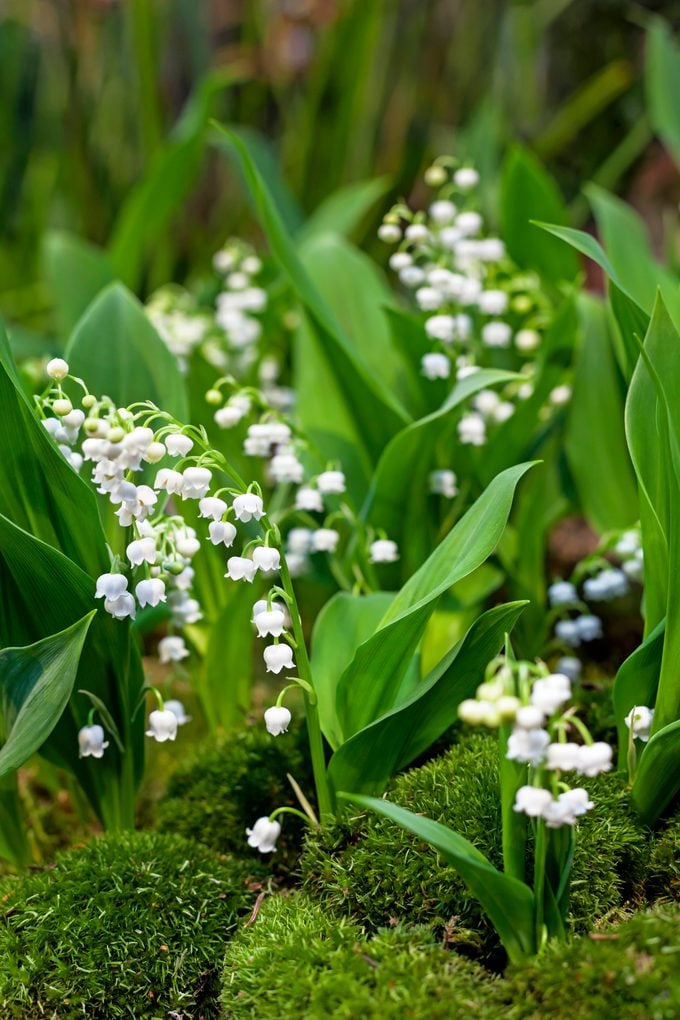
Should you get rid of lily of the valley? This is a question many gardeners face, especially those who have a mixed relationship with this particular plant. While its sweet scent and lovely bell-shaped flowers can be enchanting, there are several factors that might lead you to consider removing it from your garden.
Understanding Lily of the Valley
Lily of the valley, or Convallaria majalis, is a perennial plant known for its fragrant white flowers and vibrant green leaves. It's commonly found in woodland areas and is beloved for its beauty and ability to thrive in shady conditions. However, understanding its growth habits is essential before deciding to keep or remove it.
- Invasiveness: It can spread rapidly and become invasive, choking out other plants.
- Toxicity: All parts of this plant are toxic if ingested, which can be a concern for pets and children.
- Care Requirements: It requires minimal care but may require management to control its spread.
Reasons to Keep Lily of the Valley
There are several compelling reasons to retain lily of the valley in your garden. Its aesthetic appeal, hardiness, and ability to thrive in shadier areas can be advantageous for specific landscapes.
- Beautiful Ground Cover: It creates a lush, green carpet that enhances the beauty of shaded areas.
- Sweet Fragrance: The flowers emit a lovely aroma, making spring gardens fragrant and inviting.
- Wildlife Attraction: It can attract various pollinators, enriching the biodiversity of your garden.
When to Consider Removal
Despite its charm, there are situations in which you might need to consider removing lily of the valley from your garden. Factors such as its invasive nature and potential harm to non-target plants or pets can influence this decision.
- Overcrowding: If the plant is overtaking your garden and threatening other plants, removal may be necessary.
- Risk to Pets/Children: If you have a garden accessible to pets or young children, its toxicity could pose significant risks.
- Personal Preference: If you no longer appreciate its aesthetic or functionality in your garden, it might be time for a change.
How to Safely Remove Lily of the Valley
If you've decided to remove lily of the valley, doing so properly is crucial to prevent unwanted regrowth. The plant has extensive rhizomatic roots, so careful removal is necessary.
- Timing: Remove the plant in late fall or early spring before new growth begins.
- Tools Needed: Use sharp garden spades or shovels for a clean cut and ensure you have gloves to protect your hands.
- Disposing of Remnants: Dispose of the plant material properly, as composting may allow it to root again.
Alternatives to Lily of the Valley
If you decide that lily of the valley no longer fits your garden's vision, there are several other plants you might consider as alternatives that offer similar benefits without the drawbacks.
- Hostas: These shade-loving plants provide lush foliage and come in various sizes and colors.
- Astilbe: Known for its feathery flowers, astilbe thrives in similar conditions and adds unique texture to garden spaces.
- Ferns: Various fern species complement shaded areas beautifully and offer a softer look to your garden.
How much lily of the valley is toxic?
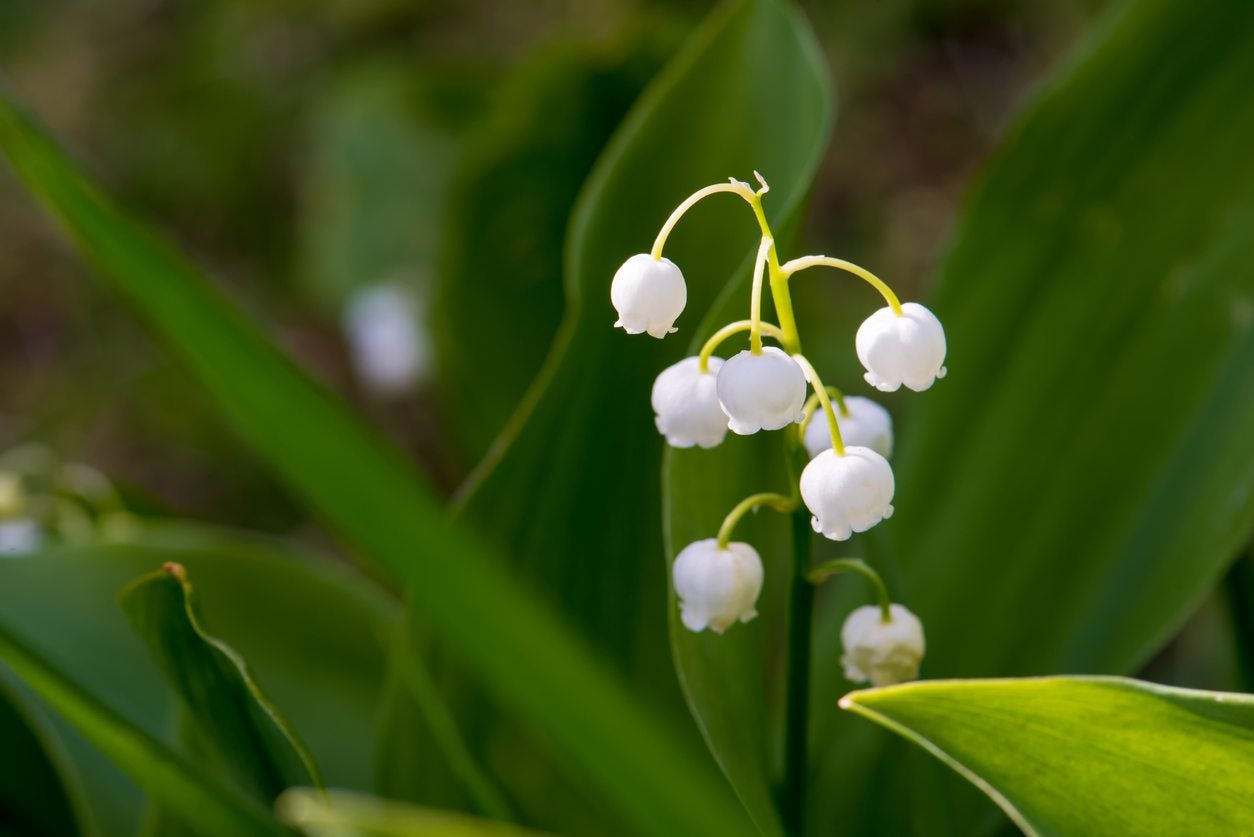
Lily of the valley, known scientifically as Convallaria majalis, is a beautiful and fragrant plant often found in gardens. However, it is also highly toxic. All parts of the plant contain toxic compounds, especially the glycosides present in the leaves and flowers, which can lead to serious health issues if ingested.
See also:
How Much Lily of the Valley is Toxic?
The level of toxicity in lily of the valley is significant enough that even small amounts can be harmful. Consuming as little as 0.5 grams of the plant can lead to symptoms of toxicity. The most dangerous part of the plant is the bloom, but the leaves and berries are also poisonous. Depending on the individual, the severity of symptoms can vary, but it is clear that there is a risk of serious outcomes even with small quantities. Emergency medical attention should be sought immediately if ingestion occurs.
Symptoms of Lily of the Valley Poisoning
When lily of the valley is ingested, symptoms can include:
- Nausea and vomiting
- Diarrhea
- Abdominal pain
- Cardiac issues, including irregular heartbeats
- Confusion or hallucinations
These symptoms may present within a few hours of ingestion, and can vary in severity depending on the amount ingested and the individual's health condition.
Risk Factors for Toxicity
Certain individuals may be at higher risk for serious complications from lily of the valley ingestion:
- Children, who may accidentally ingest the plant.
- Pets, particularly dogs and cats, are also susceptible.
- Individuals with pre-existing conditions such as heart disease may face increased risk.
The toxicity levels and reactions can differ widely among various individuals based on age, size, and overall health.
Treatment for Lily of the Valley Poisoning
If poisoning is suspected, immediate treatment is essential. Common treatments include:
- Activated charcoal to absorb toxins if ingestion was recent.
- IV fluids to prevent dehydration.
- Monitoring of heart rate and other vital signs.
Medical professionals may take additional measures depending on the severity of the symptoms exhibited.
Preventing Lily of the Valley Toxicity
To reduce the risk of lily of the valley poisoning:
- Educate family members about the plant’s toxicity.
- Avoid planting this species in gardens accessed by children and pets.
- Secure areas where the plant grows to minimize exposure.
Proper knowledge and precautions can help keep individuals and pets safe from the dangers of this toxic plant.
Identification of Lily of the Valley
Recognizing lily of the valley is crucial to avoid accidental ingestion:
- Bell-shaped flowers that bloom in spring on thin stalks.
- Broad, lance-shaped leaves that grow from the base.
- Berries that form after flowering, which are also toxic.
Distinguishing lily of the valley from similar-looking plants is essential for safety, especially in gardens and urban areas.
Questions from Our Readers
Is lily of the valley poisonous to humans?
Lily of the valley (Convallaria majalis) is indeed toxic to humans. The plant contains compounds called cardiac glycosides that can cause nausea, vomiting, abdominal pain, and in severe cases, can lead to heart problems or even death if ingested in large quantities.
What symptoms occur if someone ingests lily of the valley?
Ingestion of lily of the valley can lead to a variety of symptoms such as nausea, vomiting, diarrhea, and stomach pain. More serious effects may include dizziness, confusion, and irregular heartbeats. It's crucial to seek medical attention immediately if ingestion occurs.
Is lily of the valley safe for pets?
Yes, lily of the valley is also toxic to pets, particularly dogs and cats. If consumed, pets may display symptoms like vomiting, diarrhea, or more severe reactions such as cardiac issues. If you suspect your pet has ingested any part of the plant, consult a veterinarian without delay.
See also:
How can I identify lily of the valley in the wild?
Lily of the valley can be identified by its bell-shaped white flowers, which grow in clusters along tall stalks. The leaves are long, lance-shaped, and smooth, emerging from the base of the plant. Its sweet fragrance and distinctive appearance make it relatively easy to spot, but caution should be exercised due to its poisonous nature.

If you want to read more articles like Is Lily of the Valley Poisonous? Discover the Dangers and Myths Explained!, we recommend you check out our Flowers category.
Leave a Reply
Related Articles