Are Tulips Toxic to Cats? Understanding the Risks and Safety Tips
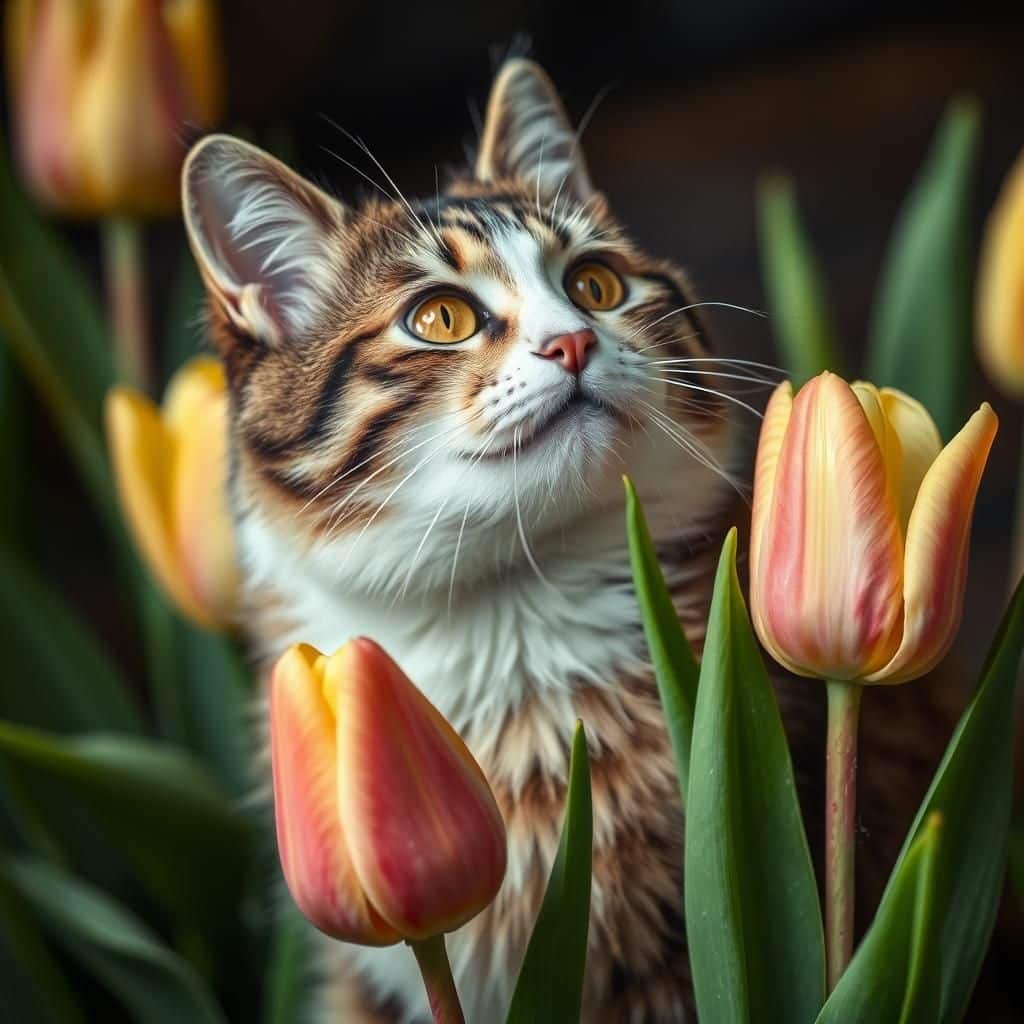
Tulips are a popular and vibrant addition to many gardens and homes, but pet owners may have concerns about their safety, especially when it comes to cats. While these beautiful flowers can brighten up any space, it’s crucial to understand the potential risks they pose to our feline companions. This article delves into whether tulips are toxic to cats, exploring the symptoms of poisoning and the necessary precautions pet owners should take. By arming yourself with the right information, you can ensure a safe environment for both your cats and your cherished tulip blooms.
Are Tulips Toxic to Cats?
Tulips are indeed considered toxic to cats, primarily due to the presence of compounds known as alkaloids and glycosides found in their bulbs, leaves, and flowers. When ingested, these substances can lead to various symptoms such as vomiting, diarrhea, and more severe reactions if a larger quantity is consumed. It's important for cat owners to be aware of this potential risk, especially in households where tulips are present, to prevent accidental poisoning and ensure the safety of their feline companions.
Symptoms of Tulip Poisoning in Cats
The symptoms of tulip poisoning in cats can vary but typically include vomiting, diarrhea, and abdominal pain. In some cases, you may notice a lack of appetite and lethargy as well. These symptoms result from the toxic compounds in tulips that irritate the cat's gastrointestinal tract. If you suspect your cat has ingested any part of a tulip, it is crucial to observe for these signs and consult a veterinarian promptly to ensure appropriate care is administered.
Tulip Parts that are Toxic to Cats
All parts of the tulip plant are considered toxic to cats, but the bulbs contain the highest concentration of harmful substances. This means that the leaves, stems, and flowers can also pose a risk if eaten, although the bulbs are the most dangerous part due to their chemical composition. It is essential for cat owners to ensure that these plants are out of reach of their pets, particularly the bulbs, which are often more accessible when planted in the garden or kept indoors.
How to Treat a Cat That Has Eaten Tulips
If you suspect that your cat has ingested tulips, it is vital to seek immediate veterinary attention. The veterinarian may attempt to induce vomiting if the ingestion was recent and your cat is still alert. In cases where ingestion has occurred longer ago, activated charcoal may be administered to help absorb toxins. Monitoring the cat for symptoms and providing supportive care will be critical in the recovery process. Always remember to provide your veterinarian with as much detail as possible regarding the amount and part of the tulip consumed.
See also:
Preventing Tulip Exposure to Cats
Preventing exposure to tulips is essential for cat owners. This can be done by avoiding placing tulips in areas that cats can access, such as tabletops, countertops, or gardens that are not cat-proofed. Additionally, it’s advisable to educate yourself about toxic plants and choose cat-friendly alternatives for your indoors or garden decor. Keeping your living space safe for your feline companion involves regular checks for any plants that might pose a risk.
Alternative Plants Safe for Cats
If you are looking for safe alternatives to tulips for your home or garden, consider plants such as catnip, spider plants, or bamboo palm. These species are not only non-toxic to cats, but many also provide enjoyment or enrichment for your feline friend. By selecting cat-friendly plants, you can create a vibrant and safe environment for your pet while still enjoying the beauty of greenery in your home.
| Parts of Tulip | Toxicity Level | Symptoms |
|---|---|---|
| Bulbs | High | Vomiting, Diarrhea, Abdominal Pain |
| Leaves | Moderate | Vomiting, Lethargy |
| Flowers | Low | Mild Vomiting |
Identifying Tulip Toxicity in Cats: Symptoms and Treatment
Tulips are known to be toxic to cats, primarily due to a compound called tulipalin found in all parts of the plant, especially in the bulbs. When ingested, cats may exhibit symptoms such as vomiting, diarrhea, and lethargy. It's crucial for pet owners to be aware of these signs and seek veterinary care immediately if they suspect their cat has consumed any part of a tulip. The risks increase if a cat consumes larger quantities, and timely treatment can help mitigate serious health effects.
Signs of Tulip Poisoning in Cats
Recognizing the signs of tulip poisoning in cats is vital for early intervention. Common symptoms include vomiting, diarrhea, and drooling. In more severe cases, cats may exhibit abdominal pain or become excessively lethargic. If your cat shows any of these signs after coming into contact with tulips or ingesting them, it is essential to consult with a vet as soon as possible to ensure their safety and well-being.
Treatment Options for Cats that Ingest Tulips
If a cat has ingested tulips, treatment generally begins with a veterinary examination to assess the situation. The vet may induce vomiting to prevent further absorption of toxins and provide supportive care, such as intravenous fluids to combat dehydration. It is crucial to administer the appropriate treatment quickly, as this can significantly influence the outcome and help your cat recover from potential toxicity.
See also:
Preventing Cat Exposure to Tulips
To keep your cat safe from the harmful effects of tulips, it's essential to implement preventive measures. This can involve educating yourself on which plants are toxic to pets and opting for pet-friendly alternatives in your home and garden. Additionally, if you do choose to keep tulips, ensure they are placed in areas out of reach of your cat, and consider utilizing barriers or fencing to mitigate access to potentially dangerous plants.
Safe Gardening Practices for Cat Owners
For cat owners who enjoy gardening, adopting safe practices is key to ensuring their pets remain free from harm. Before planting, research which plants are toxic and which ones are safe for cats. Maintaining a designated area for your cat to play away from potentially harmful plants can also help safeguard their health. Additionally, consider using natural pesticides and fertilizers that are non-toxic to pets, ensuring a safe environment for both plants and animals.
Alternatives to Tulips for Cat-Friendly Gardens
If you're looking to create a beautiful garden without the risk of toxicity, there are many alternatives to tulips that are safe for cats. Flowers like marigolds, petunias, and snapdragons add color and are not harmful to pets. Incorporating these non-toxic options allows you to enjoy a lovely garden while keeping your feline friends safe and sound. Additionally, many of these plants can be beneficial for attracting pollinators, enhancing the overall health of your garden.
Questions from Our Readers
Are tulips toxic to cats?
Yes, tulips are toxic to cats. The toxic compounds present in tulips can cause symptoms such as vomiting, diarrhea, and increased heart rate in felines when ingested. It is essential to keep these flowers out of reach of your cats to prevent any health issues.
What parts of the tulip are toxic to cats?
The bulbs of the tulip plant contain the highest concentration of the toxic compounds, but all parts of the flower, including the leaves and stems, can pose a risk to cats. If a cat chews or eats any part of the tulip, it may experience adverse effects.
See also:
What symptoms should I look for if my cat ingests tulips?
If your cat has ingested tulips, you may notice symptoms such as vomiting, diarrhea, drooling, or even lethargy. These signs can indicate toxicity, so it’s important to monitor your cat and seek veterinary assistance if any symptoms occur.
How can I prevent my cat from eating tulips?
To prevent your cat from eating tulips, consider keeping these flowers out of your home or placing them in areas that are inaccessible to your pet. Additionally, providing alternative plants that are safe for cats can help divert their attention from toxic flowers.

If you want to read more articles like Are Tulips Toxic to Cats? Understanding the Risks and Safety Tips, we recommend you check out our Flowers category.
Leave a Reply
Related Articles