Do Black Tulips Exist? Discover the Truth Behind This Fascinating Flower

The allure of flowers often captivates our imagination, and among them, black tulips stand out as a symbol of mystery and elegance. Yet, the question remains: do black tulips really exist? This article delves into the fascinating world of tulips to uncover the truth behind these enigmatic blooms. From their historical significance to the various shades of dark tulips available today, we will explore the botanical intricacies and cultural myths surrounding this captivating flower. Join us as we separate fact from fiction and reveal the stunning beauty that lies within the darker hues of the tulip family.
Do Black Tulips Really Exist?
Black tulips, often considered a mythical flower, do not exist in the natural world as true black tulips. While there are tulip varieties that appear very dark purple or almost black, such as the 'Queen of Night,' none achieve a true black hue. These flowers boast deep, rich colors that can be enhanced by lighting, but true black pigmentation in tulips is unattainable due to the way anthocyanins produce color in plants. The fascination with black tulips likely stems from their rarity and symbolism in various cultures, where they often represent elegance, mystery, or rebellion. Thus, while black tulips captivate many, they trigger ongoing curiosity about the limits of floral genetics and beauty.
History of Black Tulips
The allure of black tulips dates back to the Tulip Mania of the 17th century in the Netherlands, when tulips became a symbol of wealth and status. The concept of black tulips gained significant popularity from the novel The Black Tulip by Alexandre Dumas, published in 1850. This literary work romanticized the quest for a perfect black flower, further embedding it into popular culture. Despite this historical fascination, no true black tulip was ever cultivated, making the pursuit itself a fascinating narrative rather than a botanical reality.
More About Queen of Night
The 'Queen of Night' tulip is often the closest representation of a black tulip. This variety features deep purplish-black petals and is highly sought after for its dramatic appearance. It blooms in late spring and reaches about 12 to 18 inches tall, making it an attractive addition to garden displays. Its unique color and strong stems make it a favorite for floral arrangements as well. However, even though many refer to it as a black tulip, its color is best described as a dark purple, which reflects the limitations of tulip pigmentation.
Symbolism of Black Tulips
In many cultures, black tulips symbolize mystery and elegance. Their rarity and dark hue add a sense of romance and intrigue, often characterized by themes of forbidden love or rebellion. In floral arrangements, they can convey a sense of drama and uniqueness, making them a popular choice for special occasions, particularly those that call for an unconventional expression of emotion. As such, black tulips have transcended being mere flowers and have become cultural icons steeped in symbolism.
Growing Dark Tulips at Home
To cultivate tulips that appear nearly black, gardeners often select the darkest varieties, like 'Queen of Night.' Proper planting and care techniques are essential for achieving the best color manifestation. This includes planting in well-drained soil, ensuring adequate sunlight, and following appropriate watering practices. Additionally, sowing the bulbs in the fall allows them to establish a strong root system before spring blooms. While there's no guarantee of achieving a true black shade, optimal growing conditions can enhance the richness of the colors.
Black Tulip in Popular Culture
The concept of the black tulip has frequently appeared in literature, art, and media. The flower's association with beauty and the elusive nature of truly black petals has made it a popular motif. In films and artworks, black tulips are often used to signify unattainable desires or the duality of life and death. These representations help to cement their status as cultural symbols that resonate with audiences seeking deeper meanings in natural beauty.
| Aspect | Description |
|---|---|
| Existence | Do not exist as true black flowers, only very dark varieties. |
| Attraction | Represent elegance, mystery, and rarity. |
| Popular Variety | The 'Queen of Night' is a common choice for dark tulips. |
| Cultural Symbolism | Associated with forbidden love and drama. |
| Growing Tips | Choose dark varieties, well-drained soil, adequate sunlight. |
Can tulips be naturally black?
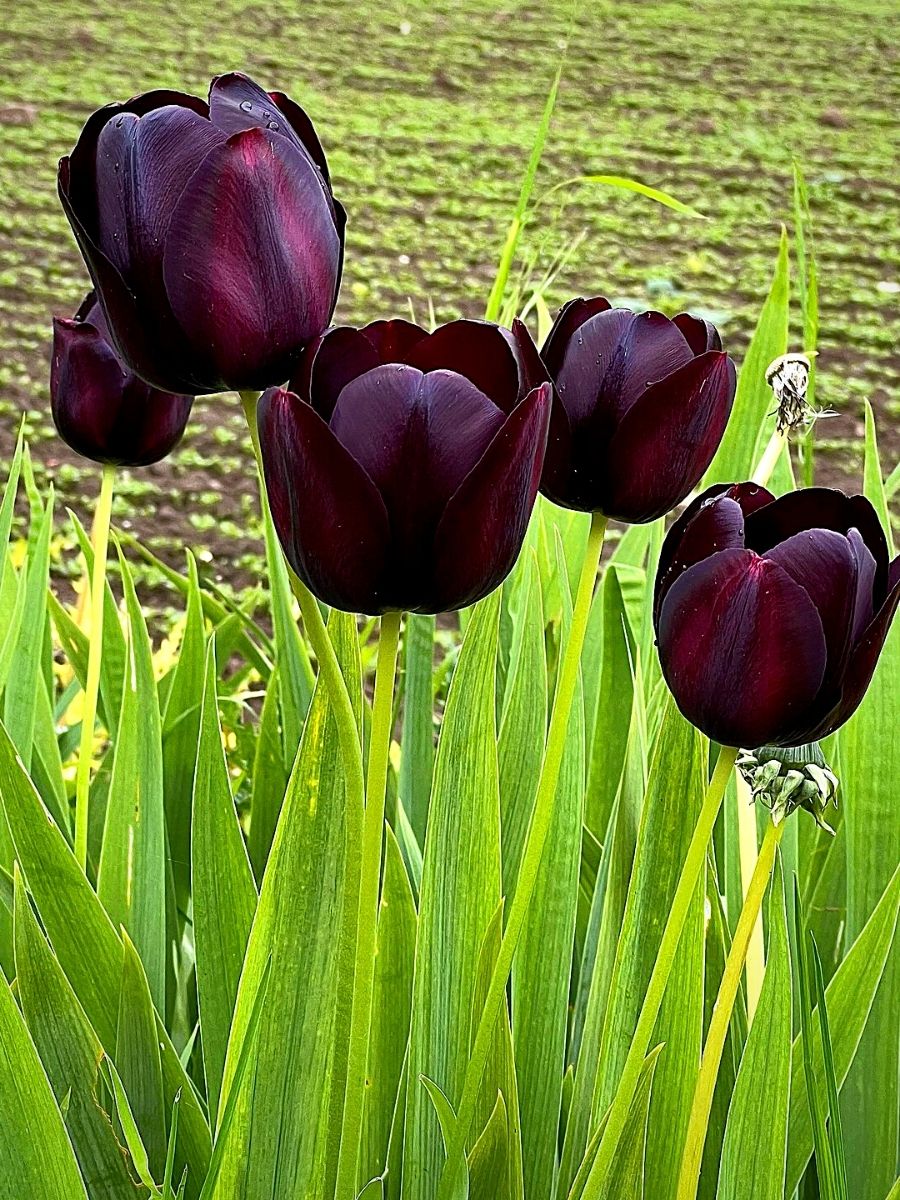
Tulips are known for their vibrant colors, but the question arises: can they be naturally black? The short answer is that tulips cannot be naturally black. While some varieties exhibit very dark hues that may appear black, true black flowers do not exist in nature. The pigmentation of tulips is caused by anthocyanins, which can produce shades of purple, red, and blue. However, genetics limits the color spectrum of tulips, preventing them from achieving a true black appearance.
Understanding Black Flowers in Nature
In nature, flowers that appear black often have a very deep purple or red coloration. Here are some insights into why true black flowers are rare:
- Genetic limitations: The pigments in flowers are bound by genetic factors that dictate the types of colors achievable.
- Light and perception: The way light interacts with pigments can create the illusion of black, but it is not true black pigment.
- Existing dark varieties: Some flowers, such as certain orchids and calla lilies, can appear blackish due to their dark pigmentation.
Dark Tulip Varieties
While there are no truly black tulips, several varieties come very close with dark shades. Some notable examples include:
- Queen of Night: This well-known tulip variety has very dark burgundy petals that can look black under certain lighting.
- Black Parrot: Featuring fringed petals, this tulip exhibits a deep purple/black hue that adds elegance to gardens.
- Dark Impression: Another dark tulip option, this variety boasts a rich dark purple color, giving the appearance of black.
The Role of Pigmentation in Flower Color
Pigmentation is essential for defining the colors in flowers. Here's how it works in tulips:
- Types of pigments: The primary pigments that affect tulip color are anthocyanins and carotenoids.
- Color variations: Even slight variations in pigment concentration can lead to vast differences in perceived color.
- Genetic expression: The specific genes active in a tulip affect the types and amounts of pigments produced.
Cultural Significance of Black Flowers
Black flowers, albeit rare, have rich cultural symbolism. Some meanings attributed to black flowers include:
See also:
- Elegance and sophistication: Black flowers often symbolize luxury and high status.
- Perfect for contrasts: They make an excellent contrast in floral arrangements, highlighting other colors.
- Mystery and intrigue: Black flowers have associations with mystery, making them intriguing for special occasions.
Conclusion on Tulips and Black Flowers
While tulips may offer stunning dark shades, it is important to recognize the limitations in achieving true black flowers. Color perception and genetic factors play substantial roles in this context:
- Accepting beauty in variations: Embrace the shades of dark colors rather than seeking true black.
- Planting for diversity: Incorporate a variety of tulip colors to create an aesthetically pleasing garden.
- Exploring genetics: Breeders continue to work on creating new colors and shades, expanding the answers to floral color questions.
Are black tulips real?
Black tulips are a captivating subject in the world of horticulture, often surrounded by myths and misconceptions. While the term black tulip is commonly used, true black tulips do not exist in nature. The tulip varieties often referred to as black exhibit a very deep shade of purple that can appear black, especially in certain lighting conditions.
History of Black Tulips
The concept of the black tulip is rooted in history and literature. In the 17th century, the Dutch tulip mania led to the cultivation of various tulip varieties, including the pursuit of a black variant.
- Symbol of rarity: The search for black tulips was seen as a status symbol, representing wealth and prestige.
- Literature influence: The famous novel The Black Tulip by Alexandre Dumas also popularized the allure of these flowers.
- Cultivation efforts: Growers have attempted to create true black tulips, but the results have only led to very dark purple hues.
Popular Varieties of Dark Tulips
While true black tulips don't exist, several dark-hued tulip varieties are noteworthy. These tulips have deep colors that may appear black under specific circumstances.
- Queen of Night: This variety is well-known for its dark, almost black petals that appear rich in color.
- Black Hero: Another deep purple tulip that gives an illusion of black, particularly when backlit.
- Black Parrot: A more complex variety, combining deep purple with fringed edges that enhance its dark appearance.
How to Care for Dark Tulips
Caring for tulips, especially dark varieties, can enhance their appearance and lifespan. Proper care contributes to a vibrant bloom that captures the essence of black.
- Soil requirements: Ensure well-draining soil to prevent waterlogging, as tulips dislike overly wet roots.
- Sunlight exposure: Position tulips in a location that receives full sunlight for at least six hours per day.
- Watering practices: Water tulips after planting, but reduce watering once they establish to avoid overwatering.
The Cultural Significance of Black Tulips
Black tulips hold different meanings across cultures, often associated with misinterpretations of beauty and mystery.
- Symbol of elegance: In many contexts, they represent sophistication and a love for the exquisite.
- Association with mystery: The rarity of true black flowers evokes feelings of intrigue and fascination.
- Usage in art and literature: They often symbolize unattainable goals or desires in various forms of storytelling.
How to Create Your Own Black Tulips
If the desire for black tulips persists, gardeners can mix deep purple and black-hued varieties to achieve a stunning visual effect in their gardens.
- Mixing varieties: Plant several varieties together, such as Queen of Night and Black Parrot, for a striking contrast.
- Layering in planting: Use different heights and colors to give dimension to the flowerbed.
- Fertilization tips: Use a balanced fertilizer to promote healthier plants that bloom vividly.
What is the rarest color of tulip?

The rarest color of tulip is generally considered to be black. Specifically, the variety known as 'Admiral' or 'Queen of Night' is often cited as the darkest and closest to black. True black tulips are extremely rare in nature, as most varieties are a very deep shade of purple or burgundy, which can appear black under certain lighting conditions.
Understanding Tulip Colors
Tulips come in a variety of colors, each with its own unique background and significance. The specialization of colors is one of the reasons why enthusiasts are so drawn to them. The rarer colors often generate a higher level of interest and can command higher prices in the market. It's important to understand that the perception of color can change depending on the light and the environment.
- Common Colors: Red, yellow, white, and pink are widely available and commonly seen.
- Rare Colors: Blue and black tulips are particularly difficult to find, making them highly sought after.
- Color Variability: Some colors might look different depending on the time of day and type of soil they grow in.
Scarcity of True Black Tulips
The black tulip's scarcity stems from the challenge in breeding plants that actually produce a flower of true black color. Most black varieties are notably dark purple or maroon but may appear black from a distance. The goal of horticulturists is to achieve a shade that is perceived as absolute black.
- Purpose of Breeding: Breeders are constantly working to produce varieties with deeper hues.
- Environment Role: The genetics of the tulip plays a crucial role in determining the color.
- Market Demand: There is a higher demand for 'black' tulips, which adds to their rarity.
The Significance of Color in Tulips
Different colors of tulips carry various meanings and have been given symbolic value throughout history. This aspect is important not only for gardening enthusiasts but also for those looking to convey a message through floral arrangements.
See also:
- Red Tulips: Symbolize love and passion.
- Yellow Tulips: Often represent cheerfulness and warmth.
- White Tulips: Signify purity and forgiveness.
Historical Context of Black Tulips
Historically, black tulips have captivated the imagination, often associated with the Dutch Tulip Mania of the 17th century. This period marked an iconic moment in history where rare varieties, especially those perceived as unique, including black tulips, were highly valuable.
- Economic Impact: The quest for rare tulips influenced market dynamics heavily.
- Cultural References: The phrase black tulip has been popularized in literature and plays.
- Symbol of Desire: Black tulips came to symbolize unattainable goals or ideals.
How to Obtain Rare Tulips
For avid gardeners wanting to explore rare tulips, acquiring them can be a challenge. It's essential to know the right sources and understand the growing conditions required for successful cultivation.
- Specialty Nurseries: These often carry rare cultivars that are not found in standard gardening stores.
- Online Auctions: Rare tulip bulbs can be found in dedicated online marketplaces.
- Seasonal Availability: Timing is crucial; they are often available in specific planting seasons.
What do black tulips symbolize?
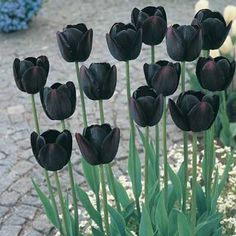
Black tulips, despite their striking appearance, do not naturally occur in nature; they are typically a blend of deep purple or dark maroon tulips that are cultivated to appear black. The symbolism of black tulips is rich and varied, often associated with mystery, elegance, and rebirth.
In many cultures, black tulips represent the idea of strength and the unknown. They can also symbolize darkness and despair, but when given as a gift, they frequently convey a sense of honor and deep admiration.
Historical Significance of Black Tulips
Black tulips have a unique place in history, particularly during the Tulip Mania of the 17th century in the Netherlands. They were highly sought after, and their rarity made them a status symbol.
- Value: Black tulips were valued as rare commodities, leading to a speculative bubble.
- Popularity: Their unique color captured the fascination of collectors and gardeners alike.
- Legacy: The history of the black tulip is often associated with both wealth and folly, marking a significant cultural event.
Emotional Symbolism
The emotional impact of black tulips is profound; they are often used to convey complex feelings, ranging from grief to romance.
- Love: Black tulips can represent a deep, passionate love that transcends ordinary feelings.
- Grief: They are sometimes used in funerals or memorials, symbolizing a deep sense of loss.
- Strength: gifting black tulips can also signify a strong support for someone going through difficult times.
Black Tulips in Literature and Arts
Black tulips have made their mark in literature and the arts, often symbolizing both beauty and melancholy. They appear in various works, symbolizing mystery, allure, and the unknown.
- Fiction: They are featured in novels such as The Black Tulip by Alexandre Dumas, symbolizing ambition and desire.
- Visual Arts: Artists have used black tulips to explore themes of life and death, creating a captivating contrast in their works.
- Poetry: The symbolism extends to poetry, where they represent the beauty found in sadness.
Black Tulips in Modern Culture
In contemporary settings, black tulips maintain their allure, often used in events and celebrations to convey specific emotions.
- Weddings: They are increasingly used in bridal bouquets, symbolizing eternal love and elegance.
- Gifts: They can be gifted to symbolize deep love or to convey a sense of mystery in relationships.
- Fashion: The color black in flowers is embraced in fashion events, serving as a symbol of sophistication.
Black Tulips in Gardening
Growing black tulips can also represent a gardener’s love for unique and rare blooms. Horticulturally, they are significant for their aesthetic appeal and rich symbolism.
- Planting: Black tulips require proper care, knowledge, and skill to grow successfully.
- Varieties: Different cultivars exhibit varying shades of black, adding diversity to gardens.
- Symbol of Resilience: Cultivating black tulips can symbolize a gardener's commitment to beauty and resilience.
Questions from Our Readers
Do black tulips exist?
No, black tulips do not exist in a true sense. While there are very dark purple varieties, such as Tulip 'Queen of Night', they do not have a pure black color. The perception of black in flowers is often due to lighting and the contrast with other colors.
What is the closest color to black tulips?
The closest color to what one might consider black tulips is a deep purple or near-black hue, found in varieties like 'Queen of Night'. These tulips are often praised for their elegance and can appear nearly black in certain lighting conditions.
Are there any myths about black tulips?
Yes, many myths exist around the concept of black tulips, often linked to romance and mystery in literature. They are sometimes romanticized as symbols of rebellion or sophistication, despite their actual absence in nature as true black flowers.
See also:
Can you create black tulips through hybridization?
Currently, it is not possible to create true black tulips through hybridization. Breeders can develop darker varieties, but achieving a truly black coloration remains a challenge due to genetic limitations in tulip petals.

If you want to read more articles like Do Black Tulips Exist? Discover the Truth Behind This Fascinating Flower, we recommend you check out our Flowers category.
Leave a Reply
Related Articles