What Flower Has 1000 Petals? Discover the Mysteries Behind This Unique Bloom
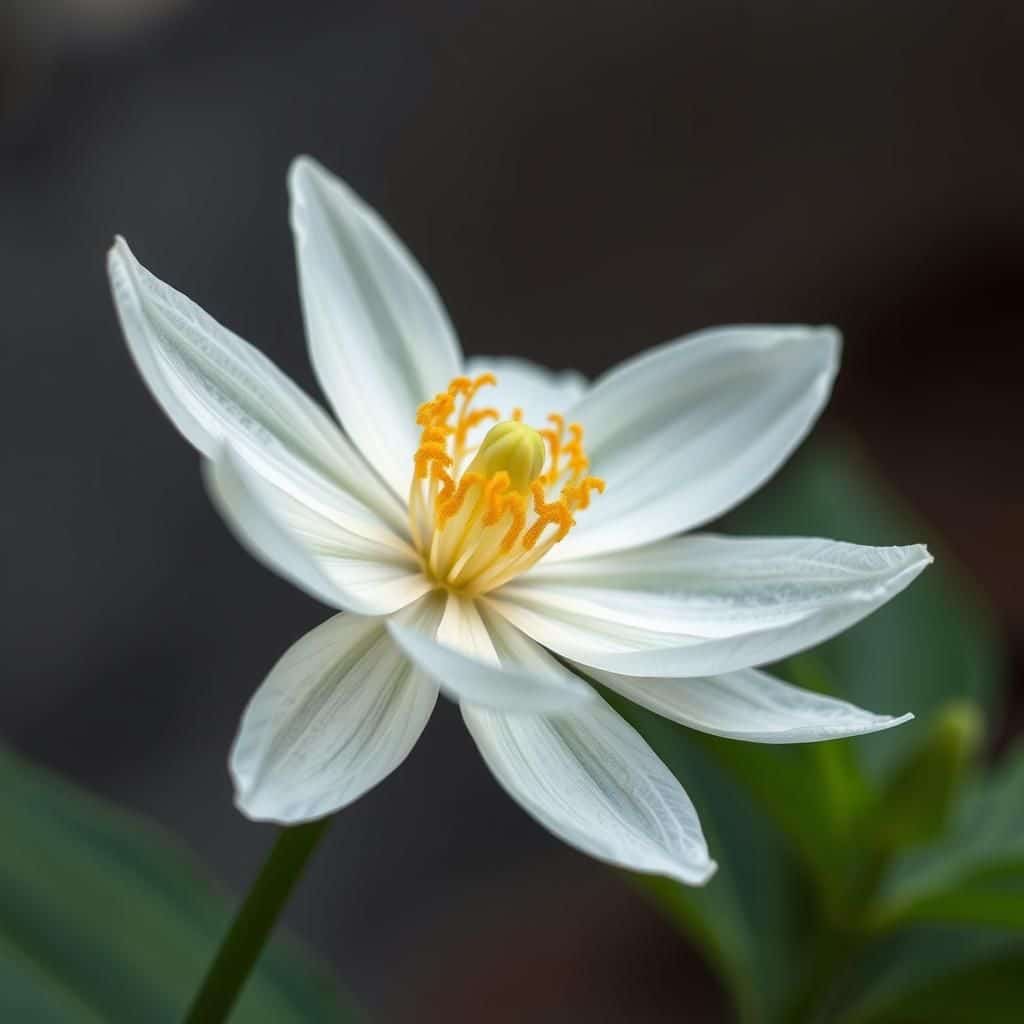
In the vast world of botany, few flowers capture the imagination quite like the one with a thousand petals. This unique bloom, often shrouded in mystery, not only dazzles with its beauty but also carries significant cultural and ecological symbolism. As we delve into the intricacies of its anatomy, growth habits, and the environments in which it thrives, we will uncover the secrets that make this flower a remarkable specimen. Join us as we explore the enchanting world of the thousand-petaled flower, shedding light on its origins, significance, and the wonder it inspires among nature enthusiasts.
What Flower Has 1000 Petals?
The flower known for having about 1000 petals is the Lotus (Nelumbo nucifera), which is celebrated in various cultures for its beauty and spiritual significance. This aquatic plant typically blooms in shades of pink, white, and blue, showcasing many intricately arranged petals that can appear to total up to 1000, especially in hybrid varieties. The Lotus is notable for its ability to thrive in muddy waters, emerging as a stunning flower above the surface, symbolizing purity and resilience. The creation of such an astonishing number of petals contributes to its visual grandeur, making it a focal point in gardens and a symbol in art and spirituality.
Characteristics of the Lotus Flower
The Lotus flower features large, flat leaves that float on water among its tall stems, and its petals are often smooth and waxy, giving it a lustrous appearance. These characteristics help the flower to stand out aesthetically while also serving practical purposes—such as repelling water and dirt. The flower's petal count can give it a full-bodied look, contributing to its unique identity in the floral world.
Significance in Various Cultures
In many cultures, particularly in Asian traditions, the Lotus flower is imbued with deep symbolism. It is viewed as a symbol of purity, enlightenment, and rebirth due to its growth pattern—rising from muddy waters to bloom beautifully. In Hinduism and Buddhism, the Lotus is often associated with divine beauty and represents the unfolding of spiritual awareness, making it an integral part of numerous rituals and artworks.
Growing Conditions for Lotus Flowers
Lotus flowers thrive in muddy lakes and ponds, as they require both water and sunlight to flourish. The preferred growing conditions include shallow water (about 12-18 inches deep) with a strong source of sunlight and warm temperatures. The roots of the Lotus plant anchor into the mud below, while its stems extend upwards, allowing the stunning blooms to emerge gracefully at the water's surface.
Varieties of Lotus Flowers
There are several varieties of Lotus flowers, each with unique petal shapes, sizes, and colors. The two most well-known types are the Indian Lotus and the American Lotus. Hybrid varieties have also been developed, often with unusually high petal counts, sometimes reaching the notable 1000 petals through selective breeding. Each variety carries its unique aesthetics and spiritual associations, enhancing the diversity within the Lotus family.
Uses of Lotus Flowers in Medicine and Cuisine
The Lotus flower isn't only admired for its beauty; it is also utilized in traditional medicine and cuisine. Various parts of the plant—such as the seeds, roots, and leaves—have been used in herbal remedies for various ailments. In culinary practices, particularly in Asian cultures, Lotus seeds are considered a delicacy and are often used in soups, desserts, and salads, valued for their nutritional benefits.
| Lotus Variety | Petal Count | Common Colors | Cultural Significance |
|---|---|---|---|
| Indian Lotus | 60-100 | Pink, White | Purity, Enlightenment |
| American Lotus | 30-50 | Yellow, White | Resilience, Strength |
| Hybrid Varieties | Up to 1000 | Various | Decorative, Spiritual |
What is the flower of a thousand petals?
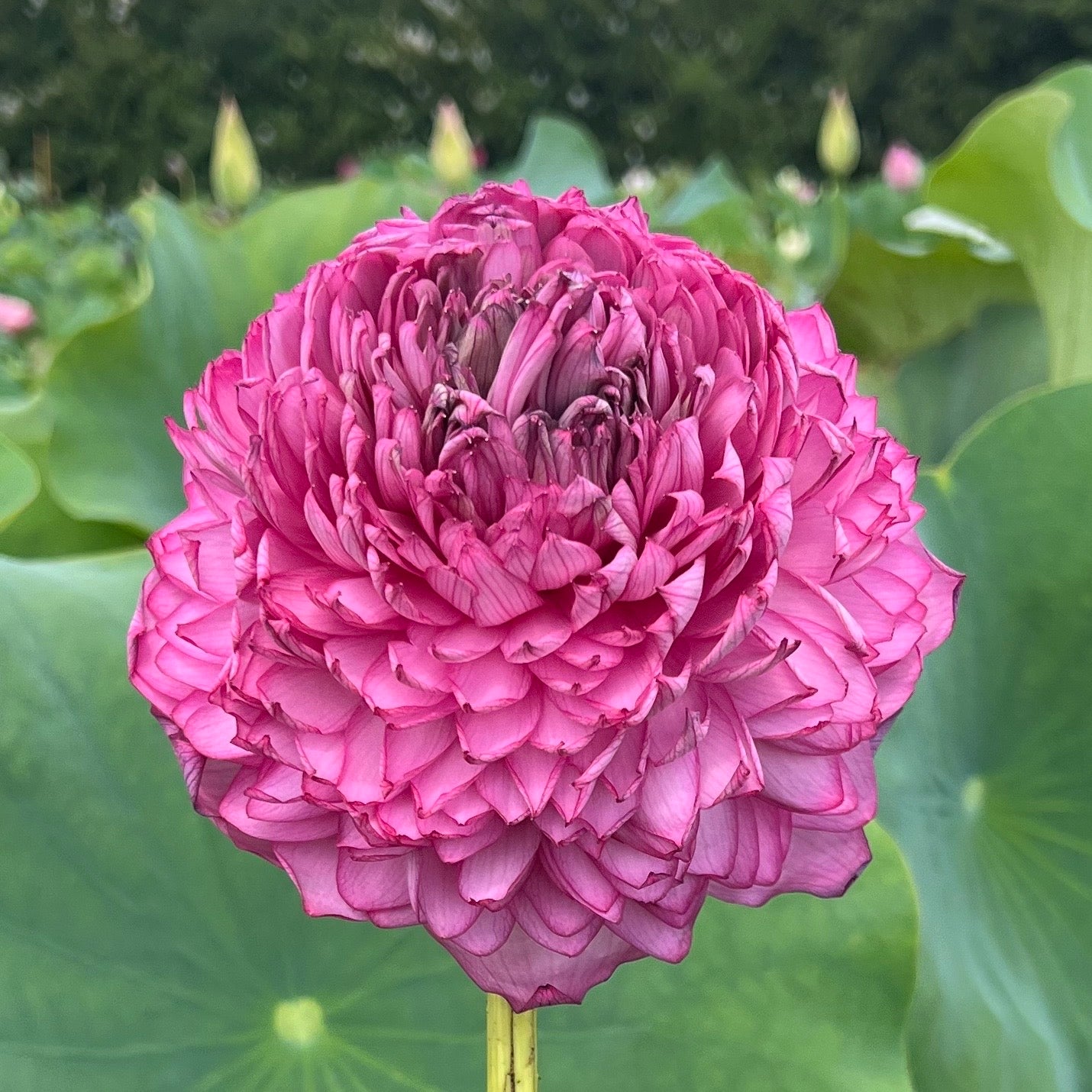
The flower of a thousand petals is a term commonly associated with the Lotus flower, particularly in the context of various spiritual and cultural interpretations. The Lotus is not just a plant; it's a symbol of purity, enlightenment, and rebirth in many cultures, notably in Hinduism and Buddhism. This flower grows in muddy waters and rises above the surface to bloom, embodying the concept of spiritual awakening and beauty arising from murky beginnings.
Symbolism of the Lotus Flower
The symbolism of the Lotus flower is rich and multifaceted, often representing various aspects of life and spirituality.
- Purity: The Lotus flower remains untainted by the mud from which it emerges, symbolizing purity of heart and mind.
- Enlightenment: In Buddhism, the Lotus is a metaphor for spiritual awakening and the journey towards enlightenment.
- Rebirth: The cyclical nature of the Lotus blooming and closing daily represents the cycle of life, death, and rebirth.
Lotus Flower in Eastern Religions
In Eastern religions, particularly Hinduism and Buddhism, the Lotus flower holds profound spiritual significance.
- Hinduism: The Lotus is often associated with deities like Lakshmi and Brahma, symbolizing divine beauty and creation.
- Buddhism: The flower is linked to the Buddha, representing the potential for all beings to achieve enlightenment.
- Symbol of Compassion: It embodies the notion of rising above suffering and chaos, promoting compassion and understanding.
Cultural Interpretations of the Flower
The Lotus flower has various interpretations across different cultures, enhancing its importance in global symbolism.
- Art and Literature: The Lotus appears frequently in artistic expressions, poetry, and folklore, often representing beauty and resilience.
- National Symbol: In countries like India and Vietnam, the Lotus is a national symbol, reflecting cultural heritage and pride.
- Influence in Practices: Lotus motifs are common in yoga and meditation practices, representing peace and tranquility.
Medicinal Uses of the Lotus
The all-encompassing Lotus flower extends beyond symbolism into the realm of traditional medicine.
See also:
- Traditional Remedies: Various parts of the plant are used in herbal medicine for ailments such as inflammation and digestive issues.
- Stress Relief: Lotus extracts are often utilized for their calming properties, promoting mental well-being.
- Skincare: The flower's extracts are used in skincare products for their moisturizing and anti-aging effects.
Lotus Flower in Modern Culture
Today, the Lotus flower continues to inspire and influence modern culture in numerous ways.
- Fashion and Design: The flower's aesthetic appeal has led to its use in fashion, interior design, and branding.
- Yoga Practices: It remains a significant symbol in yoga, often represented in poses like the Lotus pose (Padmasana).
- Global Awareness: As a symbol of peace and resilience, the Lotus is embraced in global campaigns advocating for environmental and social issues.
What is the scientific name for 1000 petal lotus flower?
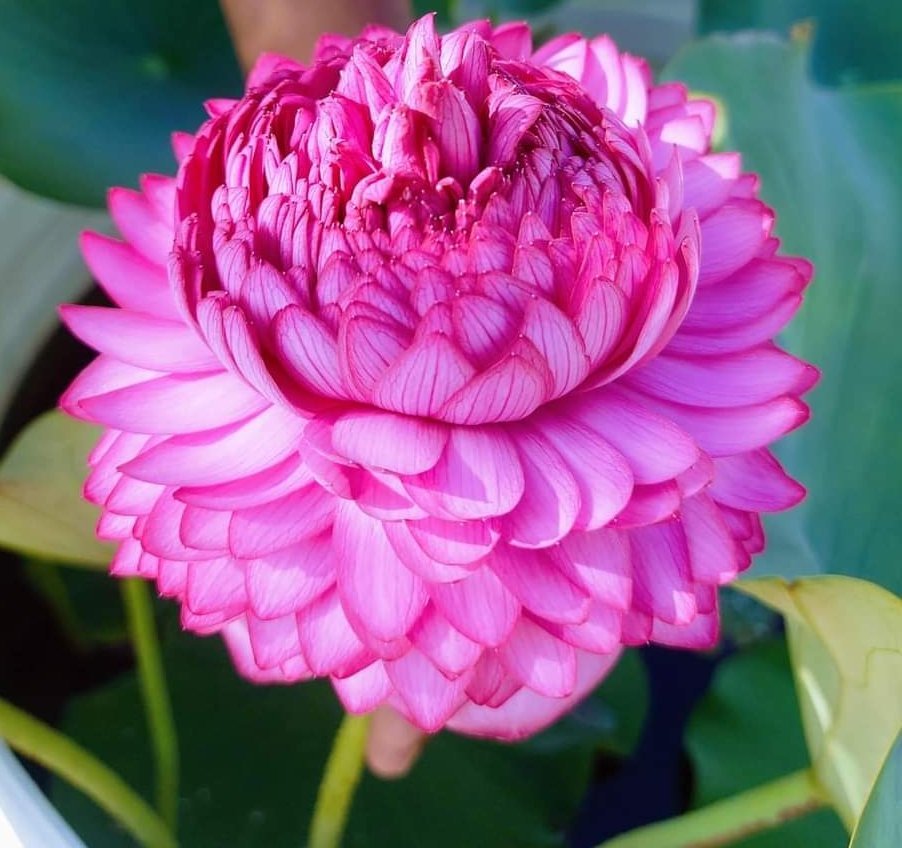
The scientific name for the 1000 petal lotus flower is Nelumbo nucifera. This aquatic plant is also known as the sacred lotus or Indian lotus. It is revered in various cultures and has deep symbolic meanings, particularly in religious and spiritual contexts.
Origin and Habitat
Nelumbo nucifera is native to Asia and Australia. It thrives in warm, tropical, and subtropical regions.
- Geographic Distribution: This species can be found in countries such as India, Japan, Vietnam, and parts of China.
- Preferred Environment: The lotus grows in shallow ponds, marshes, and along the banks of rivers.
- Climate: Nelumbo nucifera prefers temperatures between 20°C to 35°C (68°F to 95°F), which is ideal for its growth.
Cultural Significance
The 1000 petal lotus flower holds significant cultural value in many Asian religions, particularly in Buddhism and Hinduism.
- Buddhism: It symbolizes enlightenment and purity, representing the journey of rising above suffering.
- Hinduism: The lotus is associated with various deities, including Lakshmi, the goddess of wealth and prosperity.
- Art and Literature: The lotus is a common motif in traditional art and poetry, representing beauty and transcendence.
Botanical Characteristics
Nelumbo nucifera is distinguished by its large, round leaves and stunning flowers that can have many petals.
- Leaves: The leaves can grow up to 60 centimeters in diameter and are known to float on water.
- Flowers: The flowers can range in color from white to pink and can have up to 1000 petals, creating a unique visual spectacle.
- Seeds: The seeds of the lotus are highly resilient, remaining viable for hundreds of years, and are often used in various culinary dishes.
Medicinal Uses
Nelumbo nucifera is not only revered for its beauty but also holds numerous medicinal properties.
- Traditional Medicine: Various parts of the plant are used in traditional remedies, particularly in Ayurveda, for treating ailments such as diarrhea and insomnia.
- Antioxidant Properties: The flower contains antioxidants that help in reducing inflammation and fighting oxidative stress.
- Lotus Seeds: Known for their nutritional value, they are rich in proteins and can promote heart health.
Conservation Status
The conservation status of Nelumbo nucifera can vary depending on the region and specific habitats.
- Threats: Pollution, habitat destruction, and climate change are significant threats to the lotus populations.
- Conservation Efforts: Many regions have initiated conservation programs to protect natural habitats and restore degraded ecosystems.
- Cultivation: The lotus is cultivated in gardens and for ornamental purposes, aiding its preservation in some areas.
What does the 1000 petal lotus mean spiritually?

The 1000 petal lotus, often referred to as the Sahasrara, holds significant spiritual meaning in various traditions, especially within Hinduism and Buddhism. It symbolizes enlightenment, spiritual awakening, and the ultimate connection to the universe and divine consciousness. Each of the 1000 petals represents the unfolding of the human spirit, leading to a deeper understanding and realization of self and universal truth. The lotus itself, with its ability to rise unsullied from muddy waters, represents the journey through life's challenges towards pure awareness.
Symbolism of the Lotus Flower
The lotus flower is rich in symbolism across various cultures. Its attributes often represent the following:
- Purity: It grows in murky waters, emerging clean and beautiful, reflecting the idea of maintaining purity despite external challenges.
- Spiritual Growth: The life cycle of the lotus signifies the journey of spiritual enlightenment, evolving from darkness to light.
- Resilience: The lotus endures through adverse conditions, symbolizing strength and perseverance in the face of difficulties.
Connection to Chakras
In the context of the chakra system, the 1000 petal lotus directly corresponds to the crown chakra (Sahasrara), which is vital for spiritual experiences. This connection is characterized by:
- Higher Consciousness: Activation of the crown chakra leads to heightened states of awareness and understanding of one's place in the universe.
- Spiritual Enlightenment: It is associated with the realization of oneness with all living beings and the cosmos.
- Transcendence: It serves as a gateway to spiritual realms beyond the physical, promoting transcendence over the self.
Place in Meditation Practices
The visualization of the 1000 petal lotus plays a crucial role in meditation and spiritual practices. Its importance includes:
See also:
- Focus Tool: Practitioners often visualize the lotus to enhance their focus and deepen their meditation experiences.
- Energy Flow: It helps in channeling positive energy and clearing blockages within the body and mind.
- Connection to Divine: The lotus symbolizes an aspiration to connect with the divine and higher realms during meditation.
Representation in Art and Culture
The 1000 petal lotus is also prominently featured in art, architecture, and rituals across cultures. Its representation includes:
- Cultural Significance: In Hinduism, it often adorns temples and sacred texts as a symbol of divinity.
- Visual Arts: Artists frequently depict the lotus to convey the themes of spirituality and enlightenment.
- Rituals: Ritual offerings of lotus flowers are common in religious practices, signifying devotion and purity.
Philosophical Implications
Philosophically, the 1000 petal lotus embodies profound concepts that resonate with spiritual seekers, including:
- Unity of Existence: It emphasizes the interconnectedness of life and the shared essence of all beings.
- Journey of the Soul: The petals symbolize the different stages and experiences along one's spiritual path.
- Awakening to Truth: It represents shedding ignorance and unveiling the ultimate truth of existence.
What is the flower with the most petals?

The flower with the most petals is the Nymphaea, commonly known as the water lily. One specific variety, the Nymphaea ‘James Brydon’, has been reported to have up to 50 petals, making it one of the flowers boasting the highest petal count. This vibrant plant is often found on water surfaces and can produce stunning blooms in various colors, which are not only visually appealing but also provide important ecological benefits.
Characteristics of Nymphaea
The Nymphaea genus includes several species of water lilies, which are aquatic plants known for their unique features. These characteristics include:
- Floating leaves: Nymphaea typically has large, round leaves that float on the water's surface.
- Aquatic habitat: They thrive in ponds and slow-moving bodies of water.
- Variety of colors: Their flowers can range from white and yellow to pink and blue, adding to their ornamental value.
Growing Conditions for Water Lilies
To cultivate Nymphaea, certain growing conditions must be met. These include:
- Water depth: They generally prefer water depths of 1 to 3 feet.
- Sunlight exposure: A minimum of 6 hours of direct sunlight is ideal for optimal blooming.
- Soil type: Organic-rich, loamy soil is recommended for healthy growth.
Significance of Petal Count
The high petal count of flowers like the Nymphaea can have various implications, including:
- Pollinator attraction: Flowers with more petals can be more visually attractive to pollinators, enhancing reproduction.
- Genetic diversity: Varied petal counts may indicate genetic variations that allow adaptability in different environments.
- Aesthetic value: More petals often contribute to the flower's beauty, making them popular in gardens and landscapes.
Comparative Analysis with Other Flowers
When comparing the Nymphaea to other flowers known for their petal counts, several key differences emerge:
- Roses: Certain rose varieties can have up to 100 petals, but they are terrestrial and have different growing needs.
- Chrysanthemums: Some chrysanthemums can also boast high petal counts, often used in floral arrangements.
- Ornamental varieties: Many ornamental flowers are bred specifically for petal count and aesthetic appeal.
Ecological Importance of Nymphaea
Nymphaea plays a crucial role in their ecosystems, contributing in several ways:
- Habitat creation: Provides shelter and breeding grounds for various aquatic organisms.
- Water quality: Helps improve water quality by absorbing pollutants and offering oxygenation.
- Climate control: Plays a role in reducing water temperature and providing shade for other aquatic life.
Questions from Our Readers
What flower has 1000 petals?
The flower often cited as having around 1000 petals is the lotus, particularly the Nelumbo nucifera variety. These beautiful blooms are known for their large, vibrant petals that can create the illusion of having many petals due to their layered structure.
Is the 1000-petal flower rare?
Yes, the 1000-petal flower is considered quite rare and is often found in specific regions where the environmental conditions are just right, such as wetlands or near ponds. Its rarity adds to its aesthetic value and symbolic meanings in various cultures.
What is the significance of a flower with 1000 petals?
A flower with 1000 petals often represents purity, enlightenment, and spirituality in various cultures, particularly in Buddhism and Hinduism. It symbolizes the path to awakening and the many aspects of life one must traverse.
Can the flower with 1000 petals be cultivated?
Yes, the flower with approximately 1000 petals, like the lotus, can be cultivated in gardens or ponds, provided that the environment mimics its natural habitat, with adequate sunlight, water, and nutrient-rich soil. Proper care can lead to spectacular blooms during the growing season.
See also:

If you want to read more articles like What Flower Has 1000 Petals? Discover the Mysteries Behind This Unique Bloom, we recommend you check out our Flowers category.
Leave a Reply
Related Articles