Are Black Tulips Real? Discover the Truth Behind This Exotic Flower
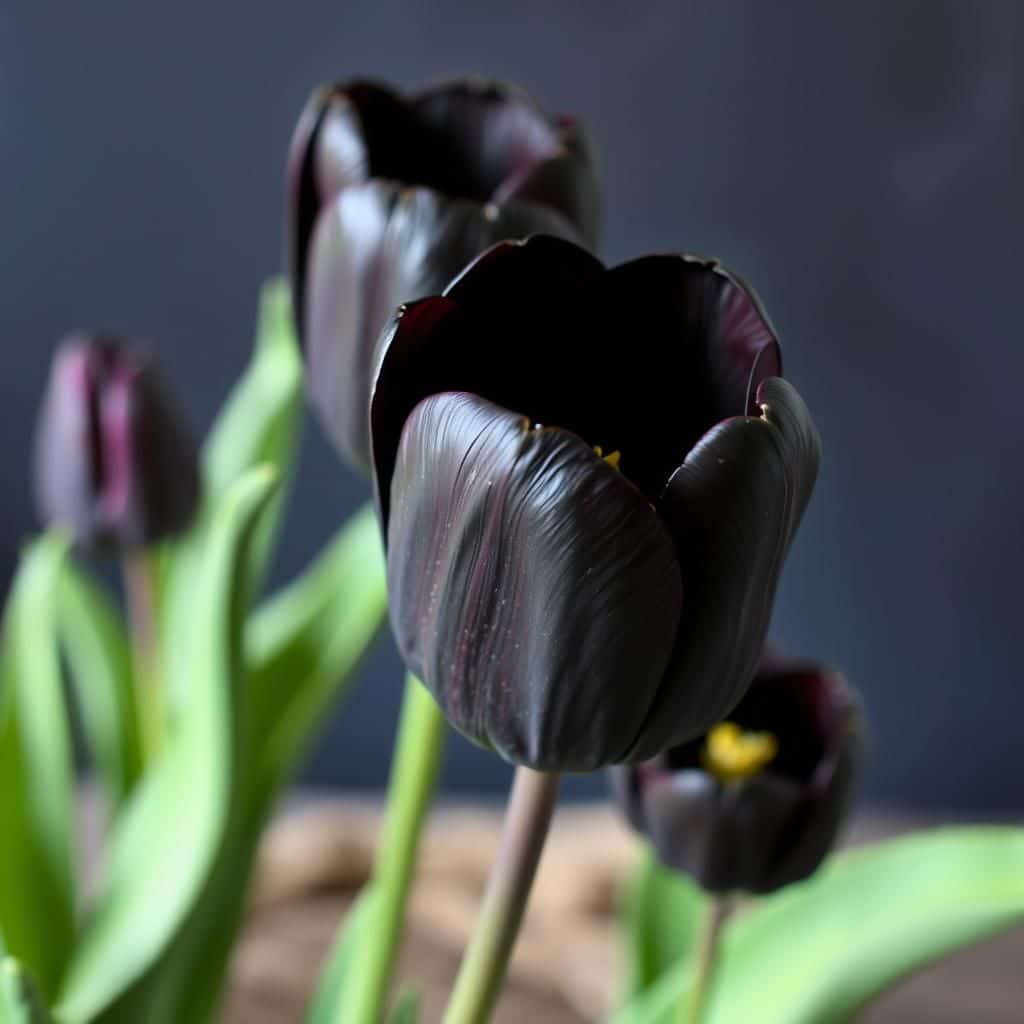
Black tulips have captured the imagination of flower enthusiasts and gardeners alike, often regarded as a symbol of mystery and elegance. Their deep, dark hue evokes a sense of intrigue, leading many to question whether these exotic blooms truly exist or are merely a figment of our imagination. In this article, we will explore the origins of the black tulip, its cultivation, and the genetics that contribute to its elusive color. Join us as we uncover the truth behind this captivating flower and discover whether black tulips are a reality or just an enchanting myth.
Are Black Tulips Real?
Black tulips are not naturally occurring in nature; however, they have been cultivated through selective breeding. The idea of black tulips has captivated people's imaginations, leading to the creation of various dark purple varieties that can appear almost black, especially in certain lighting conditions. The most recognized of these cultivated varieties is the 'Queen of Night,' which is often celebrated for its deep, velvety dark hue. While these flowers may not be pure black, the rich tones and lush petals make them a stunning choice for gardens and floral arrangements, contributing to their allure and mythos surrounding their existence.
History of Black Tulips
The quest for the elusive black tulip can be traced back to the Dutch in the 17th century, a period known as the Tulip Mania. During this time, tulips became a symbol of wealth and status in European society. The fascination with finding a true black tulip was so intense that it inspired various literary works, including Alexandre Dumas' novel, The Black Tulip, highlighting the obsession and allure surrounding these mythical flowers.
Characteristics of Black Tulips
Black tulips, while not genuinely black, display a wide spectrum of deep purples, near blacks, and dark reds. The most famous variety, the 'Queen of Night,' exhibits a dramatic, almost black appearance, making it a favorite among florists and garden enthusiasts. These tulips typically bloom in the spring, featuring large, petal-heavy flowers that are both striking and elegant, contributing to their popularity.
Cultivation Techniques for Dark Tulips
Cultivating dark tulips requires careful attention to soil conditions, moisture levels, and light exposure. To achieve the best results, it is recommended to plant tulip bulbs in well-drained soil with plenty of organic material. Full sunlight exposure will enhance the color of the blooms, yielding more vibrant and darker flowers. Timing the planting is also critical; bulbs should be planted in autumn to ensure robust growth come spring.
See also:
Popular Varieties of Dark Tulips
Aside from the 'Queen of Night,' there are several other popular dark tulip varieties worth mentioning, such as 'Black Hero' and 'Paul Scherer.' 'Black Hero' is distinguished by its rich color and sturdy petals, while 'Paul Scherer' offers a more slender appearance, appealing to those who prefer a delicate bloom. Each of these varieties contributes uniquely to the palate of dark tulips available to enthusiasts and gardeners alike.
The Symbolism of Black Tulips
In many cultures, black flowers hold significant symbolism, often representing mystery, elegance, and even rebirth. Black tulips specifically are associated with the notion of unattainable beauty and idealism. They can convey profound emotions in floral arrangements, often chosen for occasions that call for a touch of sophistication or drama.
| Variety | Description |
|---|---|
| Queen of Night | Rich, dark purple with a velvety appearance |
| Black Hero | Sturdy petals, deep color for bold displays |
| Paul Scherer | Slender, elegant blooms with a gentle presence |
The Fascinating Origins and Provenance of Black Tulips
Black tulips, often viewed as a mystical and rare flower, actually do exist, although their color is not the true black seen in other flora. The term "black" is used to describe deep shades of dark purple or maroon, with varieties like 'Queen of Night' embodying this intense hue. These flowers weren't naturally occurring but were bred over time by hybridization from existing tulip species. The fascination behind black tulips has propelled their popularity in art, literature, and symbolism, enveloping them in a shroud of mystique and allure. They symbolize elegance, power, and forbidden love, adding layers to the narrative of their existence beyond mere horticulture.
What Makes Black Tulips Unique?
The uniqueness of black tulips primarily lies in their coloration. Unlike traditional tulips, which exhibit a broad spectrum of bright and vibrant shades, black tulips owe their appearance to a complex interplay of pigments. They typically have a deep, dark hue that can appear almost black in certain lighting conditions. The breeding techniques employed to achieve this distinct coloration involve selective cross-pollination, resulting in flowers that not only boast this specific pigment but also possess their own intriguing patterns and shapes.
Are Black Tulips Naturally Occurring?
Black tulips, in the strictest sense, are not naturally occurring in the wild. The absence of true black pigment in plants means that the tulips classified as black are in fact variations of dark-hued species. The earliest known cultivation of these types traces back to the 17th century in the Netherlands, where gardeners began to selectively cultivate tulips for their unique colors. This artificial selection process has led to what we now call black tulips, demonstrating the influence of human intervention in plant evolution.
See also:
Symbolism Associated with Black Tulips
In addition to their striking appearance, black tulips carry a variety of symbolic meanings. Many people associate them with elegance, power, and mystery, often using them in floral arrangements to convey deeper emotional messages. In literature and art, black tulips have frequently been represented as symbols of forbidden love or pursuit of the impossible, further enhancing their enigmatic reputation. These meanings contribute to their desirability and their frequent use in romantic settings.
How to Care for Black Tulips
Caring for black tulips requires an understanding of their specific needs to thrive in a garden. They prefer well-draining soil and flourish in full sunlight, making an ideal planting location that receives ample warming light. Additionally, regular watering is essential, especially during their growing season, though it is important to avoid overwatering to prevent root rot. After blooming, proper care such as deadheading and allowing the leaves to die back naturally will help in maintaining the health and vigor of the bulbs for the next growing season.
The Role of Black Tulips in Art and Culture
Black tulips have made significant contributions to both art and cultural narratives over the centuries. They have been featured prominently in various works of art, symbolizing themes of beauty and desolation. In literature, notably in Alexandre Dumas's novel "The Black Tulip," these flowers are pivotal to the storyline, embodying the allure of forbidden desires and the pursuit of beauty. The aesthetic appeal of black tulips has made them a popular subject for paintings and photography, allowing artists and creatives to explore and express their own interpretations of this intriguing flower.
Questions from Our Readers
Are black tulips real?
Black tulips do not exist in nature as true black flowers. The tulip varieties that appear to be black are usually very deep shades of purple or maroon, which can give the illusion of a black color in certain lighting.
How do black tulips get their color?
The dark appearance of black tulips results from selective breeding and high pigment concentrations. These tulips are typically a rich, dark color that almost seems black under specific conditions, but they are not truly devoid of color.
See also:
Can I grow black tulips in my garden?
Yes, you can grow what are marketed as black tulips in your garden, but you should look for varieties like 'Queen of Night' or 'Black Parrot' that exhibit very dark colors. Proper care and suitable conditions will help them thrive and maintain their rich hues.
Where can I buy black tulips?
You can purchase black tulip bulbs from various online garden retailers, local nurseries, and plant shops. It's advisable to check for reputable sources to ensure you receive healthy bulbs of the desired dark variety.

If you want to read more articles like Are Black Tulips Real? Discover the Truth Behind This Exotic Flower, we recommend you check out our Flowers category.
Leave a Reply
Related Articles