What's the Best Form of Echinacea to Take? A Comprehensive Guide to Choosing Wisely
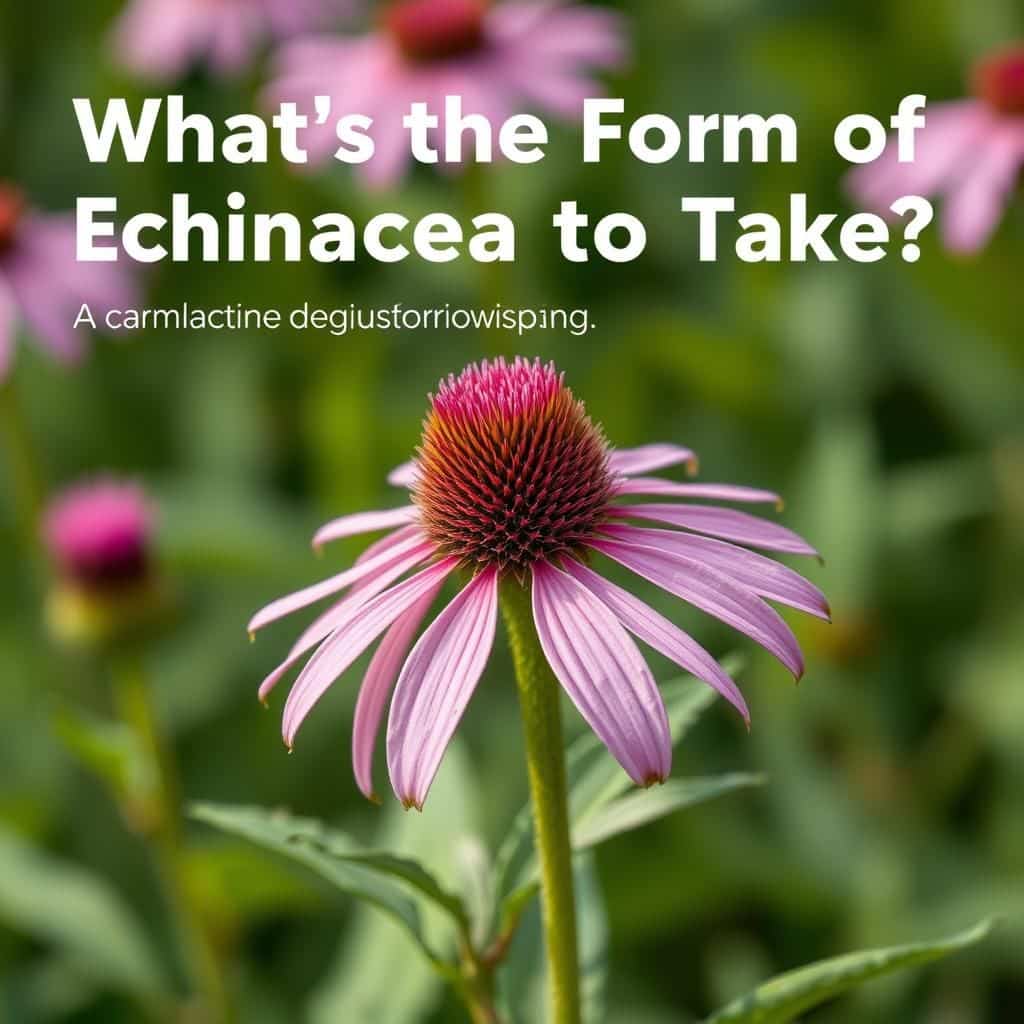
Echinacea, a popular herbal remedy, is often sought after for its potential immune-boosting benefits. However, with various forms available—such as capsules, tinctures, teas, and extracts—determining the best option can be overwhelming. Each preparation offers unique advantages and dosing variations that can influence efficacy. This comprehensive guide aims to simplify your decision-making process by exploring the different forms of Echinacea, their specific benefits, and how to choose the one that aligns with your health goals. Whether you're an experienced herbal enthusiast or a newcomer, understanding these distinctions will empower you to make informed choices for your wellness journey.
What’s the Best Form of Echinacea to Take?
Echinacea is available in various forms, including capsules, tablets, liquid extracts, and tea, each offering distinct benefits depending on personal preference and specific health goals. Among these, liquid extracts are often considered the most potent as they can be absorbed quickly into the bloodstream, providing fast relief for cold symptoms and immune support. However, capsules and tablets are favored for their convenience and ease of use, making it easier to manage daily doses. While herbal teas can be soothing and enjoyable, they typically contain lower concentrations of the active compounds found in Echinacea. Therefore, the best form largely depends on individual needs, desired convenience, and the specific effects sought from this herbal supplement.
Benefits of Liquid Echinacea Extracts
Liquid Echinacea extracts are often praised for their rapid absorption and high bioavailability, making them a preferred choice for those seeking quick relief from respiratory infections. This form allows for easy dosing and can be tailored according to the individual’s needs. Additionally, the alcohol-based extracts tend to have a longer shelf life and may be more concentrated than other forms, highlighting their effectiveness during peak cold and flu seasons.
Capsules vs. Tablets: Which is Better?
When comparing capsules and tablets, both forms provide a convenient way to take Echinacea without the need for preparation. Capsules are often easier to swallow and may contain less fillers, ensuring a higher concentration of Echinacea per dose. Tablets, on the other hand, can be more economical and often have added ingredients for nutritional benefits. The primary choice here centers on personal preference regarding swallowing ease and how the body may react to different formulations.
Making Echinacea Tea
Echinacea tea serves as a gentle and soothing method to enjoy the benefits of Echinacea, especially for individuals who prefer a more holistic approach to health. Brewing leaves or flowers in hot water allows for the extraction of beneficial antioxidants, although the concentration may be lower compared to other forms. Drinking Echinacea tea can also provide hydration and warmth, making it a comforting choice during the chilly winter months or when feeling under the weather.
See also:
Potential Side Effects of Echinacea
While Echinacea is widely regarded as safe for most individuals, it can cause mild side effects in some cases. These may include nausea, allergic reactions, or gastrointestinal upset, particularly when taking high doses or specific forms like liquid extracts that contain alcohol. Individuals who are pregnant, nursing, or have autoimmune conditions should consult a healthcare professional before starting any new Echinacea regimen to avoid adverse effects.
Choosing the Right Dosage
Determining the appropriate dosage of Echinacea can vary based on the form taken and the intended purpose. For liquid extracts, dosages usually range from 20 to 40 drops (1 to 2 mL) taken three times daily, while capsules and tablets may suggest 300 to 500 mg up to three times a day. It’s essential to follow the recommended guidelines found on product labels or consult with a healthcare professional to optimize Echinacea’s benefits and minimize risks associated with overconsumption.
| Form | Benefits | Drawbacks |
|---|---|---|
| Liquid Extract | Rapid absorption | May contain alcohol |
| Capsules | Easy to swallow | Can be more expensive |
| Tablets | Cost-effective | May have more fillers |
| Tea | Soothing and hydrating | Lower concentration |
Understanding the Different Forms of Echinacea
Echinacea comes in several forms including capsules, liquid extracts, teas, and powdered forms, each with distinct benefits and potency levels. Capsules and tablets usually offer a standardized dosage, making them easy to consume and convenient for those on the go; however, liquid extracts may provide faster absorption rates, potentially leading to quicker effects. Teas can be both soothing and beneficial, but may lack the potency found in other forms. Understanding these differences and choosing the right form based on personal health needs and preferences is essential for maximizing the immune-boosting potential of Echinacea.
Capsules vs. Liquid Extracts
Capsules of Echinacea provide a convenient way to consume the herb, often containing a measured dose that helps ensure consistent intake. Liquid extracts, on the other hand, can offer a more potent option, as they may contain higher levels of active constituents due to the extraction process. For individuals seeking rapid effects or who have difficulty swallowing pills, liquid extracts may be the preferable choice. However, one should always check the quality and concentration of the product to ensure its effectiveness.
The Role of Echinacea Tea
Echinacea tea is not only a pleasant beverage but also a simple way to incorporate the herb into your routine. While the benefits may not be as pronounced as other forms, drinking Echinacea tea allows you to enjoy the herb's properties in a soothing format, ideal for those who prefer a natural approach to wellness. Moreover, the warmth of the tea can enhance relaxation, making it a great option during cold and flu seasons.
See also:
Understanding Echinacea Powders
Echinacea in powdered form is often used in smoothies or for cooking, providing a versatile method of usage. Powders can be derived from the whole plant and may retain a wide array of beneficial compounds, making them an appealing option for those looking to boost their diet with natural health benefits. However, it’s essential to measure the dose accurately since the concentration can vary, affecting the overall potency.
Standardized Extracts vs. Whole Plant Forms
Standardized extracts of Echinacea are formulated to contain a specific percentage of active ingredients, ensuring a consistent level of effectiveness in every dose. This can be particularly beneficial for individuals seeking reliable results, as the potency is clearly defined. In contrast, whole plant forms may provide a broader spectrum of benefits due to the presence of various phytonutrients, but the effects can be less predictable and more variable from one product to another.
Choosing the Right Brand and Quality
When selecting an Echinacea product, choosing a reputable brand that provides transparency about ingredients and formulation is crucial. Look for products that have undergone third-party testing for purity and potency, as this ensures that what is stated on the label matches the content inside. High-quality Echinacea should also be free from additives and fillers that could diminish its effectiveness, ensuring you receive the maximum health benefits.
Questions from Our Readers
What is the most effective form of echinacea to take?
The most effective form of echinacea is typically the extract or tincture, as these forms contain a higher concentration of the active compounds. They are often easier for the body to absorb compared to capsules or powdered forms. Always choose a high-quality product to ensure maximum effectiveness.
Should I take echinacea as a tea or capsule?
While echinacea can be consumed as a tea, taking it in capsule form may provide a more convenient and concentrated dose. Capsules typically contain standardized extracts, making it easier to manage dosages, while tea may be less potent but can still offer benefits.
See also:
How does the extraction process affect echinacea quality?
The extraction process greatly impacts the quality of echinacea products. Cold extraction methods can preserve more of the active compounds, ensuring that the final product is more effective. It's essential to check the manufacturer's details regarding their extraction methods for better quality assurance.
What dosage of echinacea is generally recommended?
The recommended dosage of echinacea varies depending on the form used but generally ranges from 300 to 500 mg of dried herb in capsule form, or about 2 to 4 mL of liquid extract. It's best to follow the instructions on the product label or consult with a healthcare professional for personalized advice.

If you want to read more articles like What's the Best Form of Echinacea to Take? A Comprehensive Guide to Choosing Wisely, we recommend you check out our Echinacea category.
Leave a Reply
Related Articles