Is it Bad to Take Echinacea Every Day? Exploring the Risks and Benefits

Echinacea, a popular herbal supplement, is often touted for its immune-boosting properties and potential benefits in preventing colds and respiratory infections. However, the question arises: is it safe to take echinacea daily? While many individuals embrace this natural remedy as part of their wellness routine, it's essential to explore the possible risks and benefits associated with regular use. This article delves into the scientific evidence surrounding echinacea, examining its effects on health, potential side effects, and recommendations for daily consumption. Understanding these factors can help consumers make informed decisions about incorporating echinacea into their daily regimen.
Is Daily Echinacea Consumption Harmful?
Taking echinacea every day is not inherently bad for most people, but it is essential to consider various factors such as individual health conditions, existing medications, and the recommended dosage. Echinacea is often used to boost the immune system and may help reduce the duration or severity of colds and other respiratory infections. However, long-term use could lead to potential side effects or reduce its effectiveness over time. It is advisable to consult a healthcare professional before starting daily supplementation, especially for those with autoimmune disorders or allergies to plants in the Asteraceae family.
Potential Benefits of Echinacea
Echinacea is widely recognized for its potential benefits in supporting the immune system. Many studies suggest that it can help reduce the duration and severity of colds and infections. Its active compounds may enhance the activity of immune cells, thus providing a more robust defense against pathogens. Regular daily use may lead some individuals to experience fewer illnesses, although scientific opinions on its efficacy can vary.
Possible Side Effects
While echinacea is generally considered safe, some individuals may experience side effects like gastrointestinal discomfort, dizziness, or allergic reactions. People who are allergic to plants in the Asteraceae family, including ragweed, should exercise caution, as they may develop allergic reactions to echinacea. Additionally, long-term use without breaks may increase the likelihood of adverse side effects and could potentially weaken its effects.
Recommended Dosage
The appropriate dosage of echinacea can vary based on the form (capsules, extracts, teas) and individual health factors. Generally, doses can range from 300 to 500 mg of standardized extract three times daily for adults. It is crucial to follow the guidelines provided on product labels or consult a healthcare provider to determine the best dosage for individual needs, especially for prolonged use.
Interactions with Medications
Echinacea may interact with certain medications, including immunosuppressants and some other drugs metabolized by the liver. Individuals taking medications for chronic conditions should be cautious about using echinacea daily, as it could potentially alter the effectiveness of their medications or lead to unexpected side effects. Therefore, it is highly recommended to consult with a healthcare professional before beginning daily echinacea supplementation.
Who Should Avoid Daily Use?
Certain populations, such as those with autoimmune disorders, should avoid daily echinacea use due to its potential stimulating effect on the immune system, which could exacerbate existing conditions. Pregnant or nursing women, as well as individuals with severe allergies or specific health concerns, should consult their healthcare provider prior to starting echinacea. Being cautious and informed can help prevent adverse effects and ensure safe usage.
| Factor | Consideration |
|---|---|
| Individual Health Conditions | Consult a healthcare provider before use. |
| Existing Medications | Check for potential interactions. |
| Dosage | Follow product guidelines or professional advice. |
| Side Effects | Monitor for allergic reactions or discomfort. |
| Autoimmune Disorders | Avoid daily use unless advised otherwise. |
What happens if you take echinacea every day?

Taking echinacea every day can lead to various effects on the body, both positive and negative. Echinacea is a popular herbal supplement often used to boost the immune system and reduce the duration of colds and infections. However, its effects can vary depending on individual health conditions, dosages, and the duration of use.
Potential Benefits of Daily Echinacea Use
Daily intake of echinacea may provide several benefits:
- Immune System Support: Echinacea is believed to enhance the functioning of the immune system, potentially increasing the body's defenses against infections.
- Reduced Cold Symptoms: Some studies suggest that echinacea may help shorten the duration and severity of cold symptoms.
- Anti-Inflammatory Effects: Echinacea has compounds that may reduce inflammation, which can be beneficial for various health issues.
Possible Side Effects of Daily Use
While echinacea is generally considered safe, daily use can lead to some side effects:
- Allergic Reactions: Some individuals may experience allergies, especially if they have sensitivities to plants in the daisy family.
- Digestive Issues: Symptoms such as nausea, diarrhea, or stomach discomfort may occur.
- Altered Immune Response: Prolonged daily use might actually suppress immune function in some users.
Recommended Dosage and Duration
The safe dosage for daily echinacea use can vary:
- Standard Dosage: Typically, 300 to 500 mg of echinacea extract is recommended per day, divided into two or three doses.
- Duration Limits: Many health experts recommend not using echinacea continuously for more than eight weeks.
- Consultation with Healthcare Provider: It’s advisable to talk to a healthcare professional before starting any new supplement regimen.
Interaction with Other Medications
Echinacea can interact with various medications:
See also:
- Immunosuppressants: Echinacea may counteract the effects of medications that suppress the immune system.
- Anticoagulants: There’s a possibility that echinacea could enhance the effects of blood thinners, increasing the risk of bleeding.
- Antiretroviral Drugs: Some studies suggest that echinacea might impact how certain HIV medications work.
Individual Factors to Consider
Individual responses to echinacea can differ based on several factors:
- Pre-existing Conditions: People with autoimmune diseases or allergies may have different reactions.
- Age: Older adults and children may need different dosages or should avoid it altogether.
- Pregnancy and Nursing: Echinacea use is not well-studied in pregnant or breastfeeding women, so caution is advised.
Is echinacea a good daily supplement?
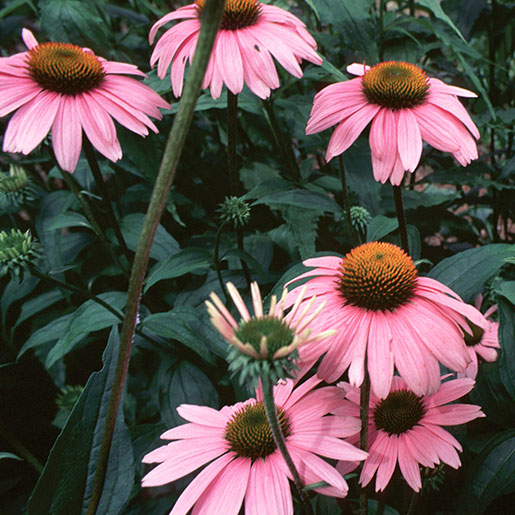
Echinacea is a popular herbal supplement known for its potential immune-boosting properties. Many people consider it as a daily supplement, particularly during cold and flu season. However, the effectiveness and safety of using echinacea daily can vary depending on individual health conditions and specific goals. Here are some key points to consider when evaluating echinacea as a daily supplement:
Effectiveness of Echinacea
While some studies suggest that echinacea may reduce the duration and severity of colds, the evidence is mixed regarding its effectiveness for daily use. Research indicates that:
- Immune Support: Echinacea is believed to stimulate the immune system, helping the body fend off infections.
- Cold Prevention: Some studies suggest echinacea may help prevent colds, but results are inconsistent.
- Limited Long-Term Evidence: There is insufficient evidence to support the long-term efficacy of daily echinacea supplementation.
Potential Side Effects
Although echinacea is generally considered safe for short-term use, daily consumption may lead to side effects in some individuals. Common side effects include:
- Allergic Reactions: Some individuals may experience allergic symptoms, particularly those allergic to ragweed.
- Digestive Issues: Mild gastrointestinal discomfort such as nausea or upset stomach can occur.
- Immune System Effects: Overuse may potentially alter immune responses, posing risks for people with autoimmune diseases.
Form and Dosage
Echinacea is available in several forms, each with different recommended dosages. The most common forms include:
- Capsules: Common dosages range from 300 to 500 mg, usually taken two to three times daily.
- Liquid Extracts: Frequently taken 2-3 times daily, typically in drop doses.
- Teas: Echinacea tea can be consumed as a regular beverage, with preparation varying by product.
Interactions with Medications
Echinacea may interact with certain medications, raising concerns for daily use. Consider the following interactions:
- Immunosuppressants: Echinacea may interfere with medications that suppress the immune system.
- Blood Thinners: There is some evidence that echinacea may affect blood clotting, impacting anticoagulant effectiveness.
- Antidepressants: Some studies suggest echinacea might affect the metabolism of specific antidepressants.
Consultation with Healthcare Providers
Prior to starting any new supplement regimen, including echinacea, it’s crucial to consult with a healthcare provider, particularly if you have underlying health conditions or are taking medications. Key reasons for this include:
- Personalized Advice: A healthcare provider can offer advice tailored to your specific health needs.
- Monitoring for Side Effects: Regular consultation ensures any adverse effects are promptly addressed.
- Reliable Information: Professionals can provide the most updated research and recommendations regarding echinacea.
What are the symptoms of too much echinacea?
Echinacea is a popular herbal supplement often used to boost the immune system and help fight off colds and flu. However, consuming too much echinacea can lead to various symptoms and side effects. It's essential to be aware of these symptoms to maintain proper health and avoid potential adverse effects. Here are some common symptoms associated with excessive echinacea intake:
Digestive Issues
Consuming too much echinacea can lead to various digestive problems. Some individuals may experience symptoms such as:
- Nausea: A feeling of queasiness that can result in the urge to vomit.
- Diarrhea: Increased frequency of bowel movements, which may be watery or loose.
- Stomach cramps: Painful sensations in the abdominal area that may occur intermittently.
Allergic Reactions
Some people may experience allergic reactions to echinacea, particularly in higher doses. Symptoms can include:
- Rash: A noticeable change in skin texture or color, which may be red, itchy, or swollen.
- Itching: An uncomfortable sensation that prompts scratching, often affecting various body parts.
- Swelling: Unusual enlargement of parts of the body, particularly around the face, lips, or tongue.
Immune System Overreaction
Echinacea is known to stimulate the immune system. However, too much can trigger an overreaction, leading to symptoms such as:
See also:
- Fever: An elevated body temperature often indicating inflammation or infection.
- Chills: Sudden feelings of coldness accompanied by shivering, particularly when feverish.
- Joint pain: Discomfort or soreness in the joints, which can be exacerbated by excessive immune response.
Fatigue and Weakness
High doses of echinacea may cause feelings of fatigue or weakness. Some of the symptoms might include:
- Excessive tiredness: A prevailing sense of tiredness that does not improve with rest.
- Lack of energy: A noticeable decrease in energy levels that affects daily tasks.
- Dizziness: A feeling of lightheadedness or unsteadiness that can occur in conjunction with fatigue.
Hormonal Effects
Echinacea may also influence hormonal levels in the body. Symptoms related to hormonal effects can include:
- Changes in menstrual cycle: Alterations in the regularity or flow of menstrual periods in some women.
- Breast tenderness: A painful sensation in the breasts that can occur before menstruation.
- Mood swings: Sudden and intense changes in emotional state, potentially influenced by hormonal fluctuations.
What does echinacea do to the brain?
Echinacea, a flowering plant often used as an herbal remedy, is primarily known for its immune-boosting properties. However, its effects on the brain have been a topic of interest in recent research. While there’s no definitive answer, some studies suggest that echinacea may influence brain function in various ways.
Potential Anti-Inflammatory Effects
Echinacea contains active compounds that may have anti-inflammatory properties. This is significant because chronic inflammation in the brain is linked to several neurological disorders. Potential benefits include:
- Reduction of neuroinflammation.
- Possible protection against neurodegenerative diseases.
- Enhanced overall brain health by minimizing inflammation-related damage.
Impact on Mood and Cognitive Function
Some studies indicate that echinacea might positively affect mood and cognitive performance. This influence could be due to its interaction with neurotransmitters. Important points include:
- Potential improvement in mood stabilization.
- Possible enhancement of cognitive function, including memory and focus.
- Influence on the stress response, helping manage anxiety levels.
Immune Modulation and Its Cognitive Effects
Echinacea is well-known for its immune-modulating properties. This modulation may indirectly benefit the brain, especially during illnesses. Consider the following:
- Supports the immune system, reducing the risk of illness that can impair cognitive function.
- Potentially lowers the cognitive decline associated with prolonged illness.
- Helps maintain mental clarity during times of physical stress.
Antioxidant Properties
Echinacea is rich in antioxidants, which play a vital role in protecting the brain from oxidative stress. The implications are notable:
- Neutralization of free radicals that can damage brain cells.
- Support for overall brain longevity and decreased risk of age-related decline.
- Enhancement of neuroprotection, contributing to better health outcomes.
Regulation of Neurotransmitter Activity
Research suggests that echinacea may influence the levels and activity of certain neurotransmitters in the brain. This regulation can have various effects:
- Possible modulation of serotonin and dopamine, affecting mood and pleasure.
- Impact on GABA levels, potentially assisting with anxiety management.
- Influence on the balance of neurotransmitters, which is crucial for maintaining cognitive function.
Questions from Our Readers
Is it safe to take echinacea every day?
Taking echinacea every day is generally considered safe for most people, but it's important to be cautious. Short-term use of echinacea is typically effective for boosting the immune system, but long-term use may lead to potential side effects or allergic reactions in some individuals. Always consult a healthcare professional before starting any new supplement regimen.
What are the benefits of taking echinacea daily?
Echinacea is often used to enhance immune function and may help in reducing the duration and severity of colds and other respiratory infections. Some studies suggest that taking echinacea daily can result in a lower incidence of colds, providing helpful protection during flu season. However, results can vary from person to person.
Can echinacea cause any side effects if taken daily?
While echinacea is generally safe, daily consumption can lead to some potential side effects such as gastrointestinal upset, dizziness, or allergic reactions, especially in those with allergies to plants in the daisy family. It is crucial to monitor your body's reactions and consult a healthcare provider if you notice any adverse effects.
Who should avoid taking echinacea every day?
Individuals with certain health conditions, such as autoimmune disorders or those who are pregnant or breastfeeding, should avoid taking echinacea daily without first consulting their doctor. Additionally, people with known allergies to echinacea or similar plants should also refrain from its use to prevent serious reactions.
See also:

If you want to read more articles like Is it Bad to Take Echinacea Every Day? Exploring the Risks and Benefits, we recommend you check out our Echinacea category.
Leave a Reply
Related Articles