When Should You Split Coneflowers? A Complete Guide for Gardeners

Coneflowers, or Echinacea, are vibrant perennial plants that can enhance any garden with their striking colors and hardiness. To ensure these beautiful blooms thrive and continue to produce abundant flowers, gardeners must understand the right timing and technique for splitting their coneflowers. This comprehensive guide will explore when and how to divide coneflowers, offering tips to promote healthy growth and maximize their lifespan. By mastering the art of splitting, gardeners can not only rejuvenate older plants but also cultivate new ones to share or expand their garden's beauty. Let’s delve into the essential aspects of splitting coneflowers effectively.
When Should You Split Coneflowers?
Coneflowers, or Echinacea, should typically be split every three to five years to maintain their health and vigor. As the plants grow, they can become crowded, which may lead to decreased flowering and susceptibility to diseases. It is best to time the splitting during the spring or fall when the plant is in its dormant phase, allowing for stress-free transplantation. When splitting, look for healthy clumps that can be divided carefully with a spade or garden fork, ensuring each division has sufficient roots and foliage to thrive in its new location.
Signs That Coneflowers Need Splitting
One of the key indicators that coneflowers need splitting is reduced flowering. If you've noticed that your plants are producing fewer blooms than previously, it may be a sign that they are becoming too root-bound or crowded. Other signs include stunted growth, the presence of dead or dying sections, and illness. Additionally, if the plants look overly dense or have fewer leaves, they might benefit from division to rejuvenate their growth cycle.
Best Time to Split Coneflowers
The optimal times to split coneflowers are in early spring or mid to late fall. During early spring, the soil has thawed but plants are still in a dormant state, minimizing stress and encouraging quick recovery. Conversely, splitting in the fall allows the plants to settle in during the cooler months, giving them a fresh start in spring. It's crucial to avoid splitting during hot summer months when the plants are actively growing, as this can cause undue stress and negatively impact their health.
How to Properly Split Coneflowers
To properly split coneflowers, begin by gently digging around the base of the plant with a spade or garden fork, ensuring you capture as many roots as possible. Once lifted, carefully separate the clumps by hand or with the help of the tool, taking care not to damage healthy roots. Each division should ideally have at least a few stems and a robust root system. Once separated, replant the divisions in well-draining soil, maintaining adequate spacing between them to allow for healthy growth.
Transplanting Coneflower Divisions
After splitting the coneflower clumps, it's critical to transplant them correctly. Choose locations that receive at least six hours of sunlight daily, as coneflowers thrive in full sun. Amend the soil as needed for drainage and fertility. Plant the divisions at the same depth they were previously growing, and water them thoroughly to help settle the soil. It’s beneficial to monitor the newly transplanted divisions for signs of stress or wilting for the first few weeks as they establish themselves in their new environment.
Post-Split Care for Coneflowers
Post-split care is vital to ensure the success of your newly divided coneflower plants. Initially, ensure they receive sufficient moisture, especially in the weeks following transplantation, without overwatering. Adding a layer of mulch can help retain soil moisture and suppress weeds. It’s also a good idea to avoid fertilizing immediately after splitting, as the plants need time to settle. Watch for any signs of pests or diseases, and provide support if necessary during their recovery phase to help them become established in their new locations.
| Aspect | Details |
|---|---|
| Optimal Splitting Time | Early spring or mid to late fall |
| Signs for Splitting | Reduced flowering, stunted growth, and density |
| Transplanting Tips | Full sun, proper depth, and spacing |
| Post-Split Care | Moisture, mulch, and monitoring for pests |
How to get coneflowers to bloom all summer?
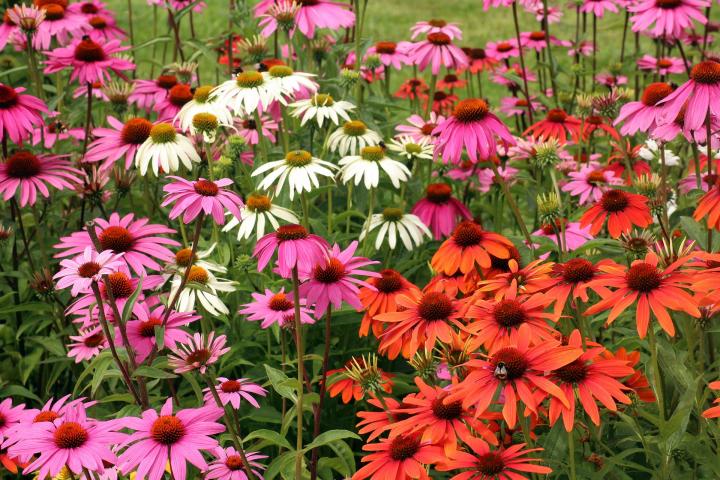

To encourage coneflowers (Echinacea) to bloom all summer, follow several key gardening practices that promote healthy growth and abundant flowering. Here’s a detailed guide to help you maintain a thriving coneflower garden.
Understanding Coneflowers and Their Growth Cycle
Coneflowers are perennial plants that typically bloom from mid-summer to late summer. Their flowering period can be extended with proper care and attention to their environmental needs.
- Sunlight: Coneflowers thrive in full sun, requiring at least 6 hours of direct sunlight each day.
- Soil Quality: Well-draining soil enriched with organic matter supports robust growth and flowering.
- Watering: While coneflowers are drought-tolerant, consistent watering during dry spells encourages more blooms.
Regular Deadheading to Promote Blooms
One effective way to stimulate additional blooms is through a process called deadheading. This involves removing spent flowers to encourage the plant to produce more.
- Timing: Deadhead coneflowers when the flowers begin to fade, typically after a week or two of blooming.
- Method: Use clean pruning shears or your fingers to pinch off the flower heads just above the first set of leaves.
- Frequency: Repeat every few weeks to maintain a continuous cycle of blooming.
Fertilization Techniques for Healthy Growth
Proper fertilization can significantly affect blooming. Although coneflowers do not require heavy feeding, a balanced approach can enhance their performance.
- Type of Fertilizer: Use a low-nitrogen, phosphorus-rich fertilizer, such as a 5-10-10 formula.
- Application Schedule: Fertilize in early spring and again mid-summer for optimal growth.
- Amount: Follow package instructions; over-fertilization can lead to lush foliage at the expense of blooms.
Ensuring Proper Spacing and Air Circulation
Spacing your coneflowers correctly is crucial for their health and blooming capacity. Proper spacing aids in air circulation, reducing the risk of fungal diseases.
- Spacing Guidelines: Plant coneflowers 18 to 24 inches apart to allow for adequate air flow.
- Trimming Overgrowth: Trim any overcrowded or overgrown areas to improve light penetration and air circulation.
- Companion Planting: Consider planting coneflowers with complementary species that thrive in similar conditions.
Dealing with Pests and Diseases
Keeping your coneflowers healthy also means watching out for common pests and diseases that can hinder blooming.
- Pest Control: Check regularly for aphids, beetles, and spider mites. Use insecticidal soap as needed.
- Monitoring Diseases: Watch for signs of fungal infections such as powdery mildew, especially in humid conditions.
- Prevention: Maintain good cultural practices like proper watering and spacing to minimize disease risk.
How do you keep coneflowers from getting leggy?

To keep coneflowers (Echinacea spp.) from getting leggy, there are several horticultural practices and techniques you can implement. Legginess occurs when the plants grow tall and spindly, often due to insufficient light or nutrients. Here are the most effective ways to maintain healthy, compact growth.
See also:
Proper Lighting Conditions
Ensuring that your coneflowers receive adequate sunlight is crucial. They thrive in full sun, which means at least 6-8 hours of direct sunlight each day. Without sufficient light, plants stretch towards the light source, leading to a lanky appearance.
- Position your plants in a location where they can get ample sunlight.
- If growing indoors, consider using grow lights to supplement natural light.
- Regularly monitor the area for any shading from nearby plants that could affect light exposure.
Regular Pruning and Deadheading
Pruning is an effective way to encourage bushier growth in coneflowers. By removing spent flowers (deadheading) and trimming back leggy stems, you promote a healthier plant structure.
- Deadhead faded blooms to stimulate further flowering and improve air circulation.
- Cut back leggy growth in early spring when the plants are starting to grow.
- Use clean, sharp pruning shears to make cuts just above a leaf node to encourage branching.
Soil Quality and Fertility
Maintaining high-quality, well-draining soil is essential for strong plant growth. If the soil is poor or too compacted, it can cause stress, leading to leggy coneflowers.
- Test your soil to gauge pH and nutrient levels; coneflowers prefer slightly acidic to neutral soil (pH 6.0-7.0).
- Amend soil with organic matter like compost to improve texture and nutrient availability.
- Avoid over-fertilizing, as too many nutrients can lead to excessive foliage growth and weak stems.
Watering Practices
Consistent watering is critical. However, both overwatering and underwatering can cause stress effects in plants, promoting leggy growth.
- Water deeply but infrequently to encourage strong root development.
- Avoid allowing the soil to become waterlogged, which can lead to root rot.
- Let the top few inches of soil dry out before watering again to ensure your plants thrive.
Pests and Diseases Management
Regularly checking for pests and diseases can prevent stress on your coneflowers, which may otherwise lead to leggy growth.
- Inspect plants regularly for signs of pests like aphids or spider mites.
- Apply organic pesticides if infestations occur to keep plants healthy.
- Ensure good air circulation around your plants to minimize the risk of fungal diseases.
Questions from Our Readers
When is the best time to split coneflowers?
Coneflowers should ideally be split in the early spring or late summer. This timing helps ensure that the plants are not under stress from extreme temperatures and allows them to establish roots before facing harsh conditions.
How do I know if my coneflowers need to be split?
You should consider splitting your coneflowers if they become crowded or if the center of the plant is dying out. Additionally, if the blooms are fewer and the plants appear to be struggling, it's a sign that they may need to be divided to promote healthy growth.
What is the process for splitting coneflowers?
To split coneflowers, carefully dig up the entire plant, then use a sharp spade or garden fork to divide the root ball. Make sure each section has both roots and growth buds, and then replant them in well-draining soil to encourage new growth.
See also:
Can I split coneflowers in the fall?
It is generally not recommended to split coneflowers in the fall, as this can lead to winter damage. However, if necessary, ensure that the plants are well mulched to protect them from cold temperatures and allow enough time for them to establish before freezing conditions set in.

If you want to read more articles like When Should You Split Coneflowers? A Complete Guide for Gardeners, we recommend you check out our Flowers category.
Leave a Reply
Related Articles