Is Echinacea Poisonous to Dogs? Understanding the Risks and Benefits

Echinacea is a popular herbal remedy often used to boost the immune system and combat common colds in humans. However, pet owners may wonder whether this plant poses any risks to their dogs. Understanding the potential benefits and dangers of Echinacea for canine consumption is crucial for ensuring the health and safety of our furry friends. This article explores the toxicity of Echinacea in dogs, examining the signs of poisoning, safe dosage recommendations, and the potential positive effects of the herb. By shedding light on these aspects, we aim to guide pet owners in making informed decisions about their dog's health.
Is Echinacea Poisonous to Dogs?
Echinacea, a popular herb often used to boost the immune system in humans, has raised questions regarding its safety for dogs. While Echinacea is not classified as toxic to dogs, its effects can vary based on the individual dog and its overall health condition. Some dogs may experience mild gastrointestinal upset, such as vomiting or diarrhea, if they ingest Echinacea. It is essential to consult a veterinarian before introducing any herbal remedies into your pet's diet, as certain breeds or individuals may have sensitivities or allergic reactions to the herb. Monitoring your dog's response is crucial if exposure occurs.
What is Echinacea?
Echinacea is a genus of flowering plants in the daisy family, traditionally used in herbal medicine to support the immune system and combat infections. It is widely available in various forms, including teas, capsules, and tinctures. Numerous studies have examined Echinacea's potential health benefits, primarily focusing on its effects related to cold and flu symptoms in humans. Although it is praised for its medicinal properties, its use in animals, particularly dogs, is less documented, prompting careful consideration.
Symptoms of Echinacea Consumption in Dogs
If a dog consumes Echinacea, it may exhibit symptoms such as vomiting, diarrhea, or lethargy. These symptoms typically arise due to the dog's unique digestive system and possible sensitivities to new substances. While these effects are generally mild, they can cause concern for pet owners. In severe cases, a dog may experience an allergic reaction, leading to swelling or difficulty breathing, warranting immediate veterinary attention.
Should You Give Echinacea to Dogs?
It is generally not recommended to give Echinacea to dogs without prior consultation from a professional. While some dog owners report positive outcomes from administering Echinacea, the lack of comprehensive research means the risks may outweigh the benefits. Individual dogs may react differently based on their health, allergies, or existing medications. A veterinarian can offer tailored advice and suggest appropriate herbal alternatives if necessary.
Alternative Immune Boosters for Dogs
If you're concerned about supporting your dog's immune health without using Echinacea, several safe alternatives are available. Ingredients like probiotics, fish oil, and certain vitamins can promote overall well-being and enhance immune function. Foods rich in antioxidants, such as blueberries and sweet potatoes, can also bolster a dog's defenses against illnesses. Always ensure any dietary changes are discussed with a veterinarian to avoid potential negative interactions.
Conclusion on Echinacea and Dog Safety
While Echinacea is not considered poisonous to dogs, it is crucial to approach its use with caution. Monitoring a dog's health and behavior is essential if they have ingested Echinacea, and professional guidance should always be sought in these situations. Maintaining communication with a veterinarian can help ensure your pet remains healthy and safe.
| Symptom | Possible Reaction |
|---|---|
| Vomiting | Mild Gastrointestinal Upset |
| Diarrhea | Possible Stomach Irritation |
| Lethargy | Allergic Reaction |
| Swelling | Severe Allergy |
What happens if my dog eats echinacea?

If your dog eats echinacea, the effects can vary depending on the amount consumed and the individual dog's health status. Echinacea, commonly known for its immune-boosting properties in humans, is generally considered non-toxic to dogs. However, there are some factors to be aware of when it comes to the safety of echinacea for your pet.
Potential Effects of Echinacea on Dogs
The potential effects of echinacea on dogs can include mild to moderate symptoms. Here are some of the common reactions:
- Digestive Upset: Dogs may experience nausea, vomiting, or diarrhea.
- Allergic Reactions: Some dogs might show signs of allergies, such as itching or swelling.
- Excessive Salivation: This may occur if the dog reacts negatively to the herb.
While these effects are usually mild, they can be concerning if observed.
Signs to Monitor After Ingestion
If your dog ingests echinacea, it's crucial to monitor them for any unusual behavior or symptoms. Common signs to watch for include:
- Vomiting: This can occur shortly after consumption.
- Lethargy: If your dog seems unusually tired or uninterested in activities.
- Loss of Appetite: If your dog refuses to eat for more than a few hours.
Noticing these symptoms can help you decide whether to consult a veterinarian.
When to Contact a Veterinarian
It's wise to seek professional help if you notice any severe or persistent symptoms after your dog eats echinacea. Consider contacting a veterinarian if:
- Severe Vomiting or Diarrhea: If your dog's vomiting persists more than once or they have diarrhea lasting over a day.
- Rapid Breathing or Heart Rate: Any signs of respiratory distress should not be ignored.
- Changes in Behavior: If your dog is excessively subdued or shows signs of pain.
Taking these signs seriously can lead to prompt medical intervention.
See also:
Possible Benefits of Echinacea for Dogs
Some pet owners might consider the potential benefits of echinacea for their dogs, despite the risks. Benefits may include:
- Immune System Support: Echinacea is believed to help boost the immune system.
- Anti-Inflammatory Properties: It may help reduce inflammation and discomfort.
- Allergy Relief: Some dogs may benefit from its potential to alleviate allergy symptoms.
Research on the effectiveness of echinacea in dogs is limited, so consultation with a vet is advisable.
Safe Usage Guidelines
If you still wish to use echinacea for your dog, it is essential to follow safety guidelines:
- Consult Your Veterinarian: Always discuss with a vet before giving your dog any herbal supplements.
- Monitor Dosage: Ensure that the dosage is appropriate for your dog’s size and health condition.
- Choose Quality Products: Use reputable brands that specifically formulate products for dogs.
Adhering to safety measures can help mitigate risks associated with echinacea.
Is echinacea safe around dogs?

Echinacea is a popular herbal supplement primarily known for its immune-boosting properties in humans. When it comes to safety around dogs, it is essential to consider several factors before introducing this herb into a canine's environment, as not all plants are safe for pets.
Echinacea and Dogs: Potential Risks
Echinacea can potentially have both benefits and risks for dogs. While it is considered safe in small amounts, there are certain precautions that must be taken to ensure the well-being of your pet. The main risks include:
- Allergic Reactions: Some dogs may exhibit allergic reactions to Echinacea, leading to symptoms such as itching or digestive issues.
- Medication Interactions: Echinacea could interfere with certain medications, particularly those affecting the immune system.
- Overconsumption: Large amounts of Echinacea can lead to gastrointestinal upset, including diarrhea or vomiting.
Consulting Your Veterinarian
Before introducing Echinacea into your dog's regimen, it is crucial to consult your veterinarian. They can provide personalized advice based on your dog’s specific health history and needs. Key considerations include:
- Your Dog’s Health Condition: Certain health issues may be exacerbated by herbal supplements.
- Current Medications: Discuss any medications your dog is currently taking to avoid potential interactions.
- Proper Dosage: Your vet can help determine the appropriate dosage if Echinacea is deemed safe.
Signs of Toxicity in Dogs
If Echinacea is consumed in inappropriate quantities, dogs may exhibit signs of toxicity. It’s vital for pet owners to recognize these symptoms early to seek immediate care. Common signs include:
- Vomiting: Frequent vomiting may indicate that the herb is not agreeing with your dog's system.
- Diarrhea: Loose stools can occur, suggesting gastrointestinal distress.
- Excessive Salivation: This may point to nausea or discomfort related to Echinacea consumption.
Forms of Echinacea and Their Safety
Echinacea comes in various forms, such as capsules, teas, and tinctures. The form you choose can influence its safety for dogs. Consider the following options:
- Capsules/Tablets: If considering this form, ensure that they are specifically labeled as safe for pets.
- Teas: Herbal teas should not contain any additives or sweeteners that could be harmful to dogs.
- Tinctures: Alcohol-based tinctures should be avoided, as alcohol can be toxic to dogs.
Alternatives to Echinacea for Dogs
If Echinacea is not suitable for your dog, there are several alternative remedies that can support immune health without the associated risks. These alternatives include:
- Probiotics: Beneficial for supporting gut health and overall immunity.
- Omega Fatty Acids: They can boost skin and coat health while also supporting the immune system.
- Other Herbal Options: Herbs like ginger or turmeric may also provide health benefits without the risks associated with Echinacea.
Are echinacea poisonous?
Echinacea, commonly known as coneflower, is a popular herbal remedy primarily used to boost the immune system and combat cold symptoms. A common concern among potential users is whether echinacea is poisonous. The good news is that echinacea is not considered poisonous to humans or most animals. The plant has a long history of safe use in traditional herbal medicine.
However, as with any plant, there can be side effects or allergic reactions in some individuals. It is important to know how echinacea interacts with other substances and its potential effects.
What is Echinacea?
Echinacea is a genus of flowering plants in the daisy family. It comprises nine species, with Echinacea purpurea, Echinacea angustifolia, and Echinacea pallida being the most commonly used in herbal remedies. The active compounds in echinacea include a variety of phytochemicals which are believed to stimulate the immune system.
See also:
- History of Use: Echinacea has been used by Native American tribes for centuries.
- Forms of Consumption: It is available in various forms including teas, capsules, tinctures, and topical applications.
- Active Ingredients: Includes polysaccharides, glycoproteins, and caffeic acid derivatives, all of which contribute to its health benefits.
Are There Any Poisonous Effects?
Echinacea is not poisonous, but some individuals may experience mild side effects. These can include gastrointestinal upset, fever, or skin rashes when taken in excess or if a person has a specific allergy.
- Side Effects: Common side effects may include nausea, vomiting, and dizziness.
- Allergic Reactions: Some people may have allergies to echinacea, especially those allergic to other plants in the Asteraceae family.
- Consultation Recommended: Individuals with autoimmune disorders or pregnant women should consult a healthcare provider before use.
Interactions with Medications
While echinacea is generally safe, it can interact with certain medications, potentially diminishing their effectiveness or causing unwanted effects. It's important for individuals to inform their healthcare providers about their echinacea use.
- Immunosuppressants: Echinacea may counteract the effects of drugs that suppress the immune system.
- Anticoagulants: The herb may affect blood clotting and should be taken with caution alongside blood-thinning medications.
- Other Herbals: Echinacea may interact with other herbal supplements, highlighting the need for professional guidance.
Who Should Avoid Echinacea?
Certain individuals should either avoid echinacea or use it with caution. These include those with specific health conditions or those taking certain medications that could interact negatively with echinacea extract.
- Autoimmune Disorders: Individuals with conditions such as lupus or multiple sclerosis should avoid echinacea due to its immune-stimulating properties.
- Allergies: People with allergies to daisies, marigolds, or chrysanthemums may be at risk of allergic reactions.
- Pregnant or Nursing: Limited research exists on the safety of echinacea for pregnant or nursing women; hence, caution is advised.
Conclusion on Safety
Echinacea is widely recognized as safe when used appropriately. Understanding its benefits and possible reactions avoids potential issues while still allowing users to harness its immune-boosting properties.
- General Safety: Most people tolerate echinacea well without serious complications.
- Proper Dosage: Adhering to recommended dosages minimizes the risk of adverse effects.
- Informed Choices: Users should make informed choices based on their health status and consult healthcare providers when necessary.
What is the most poisonous flower to dogs?
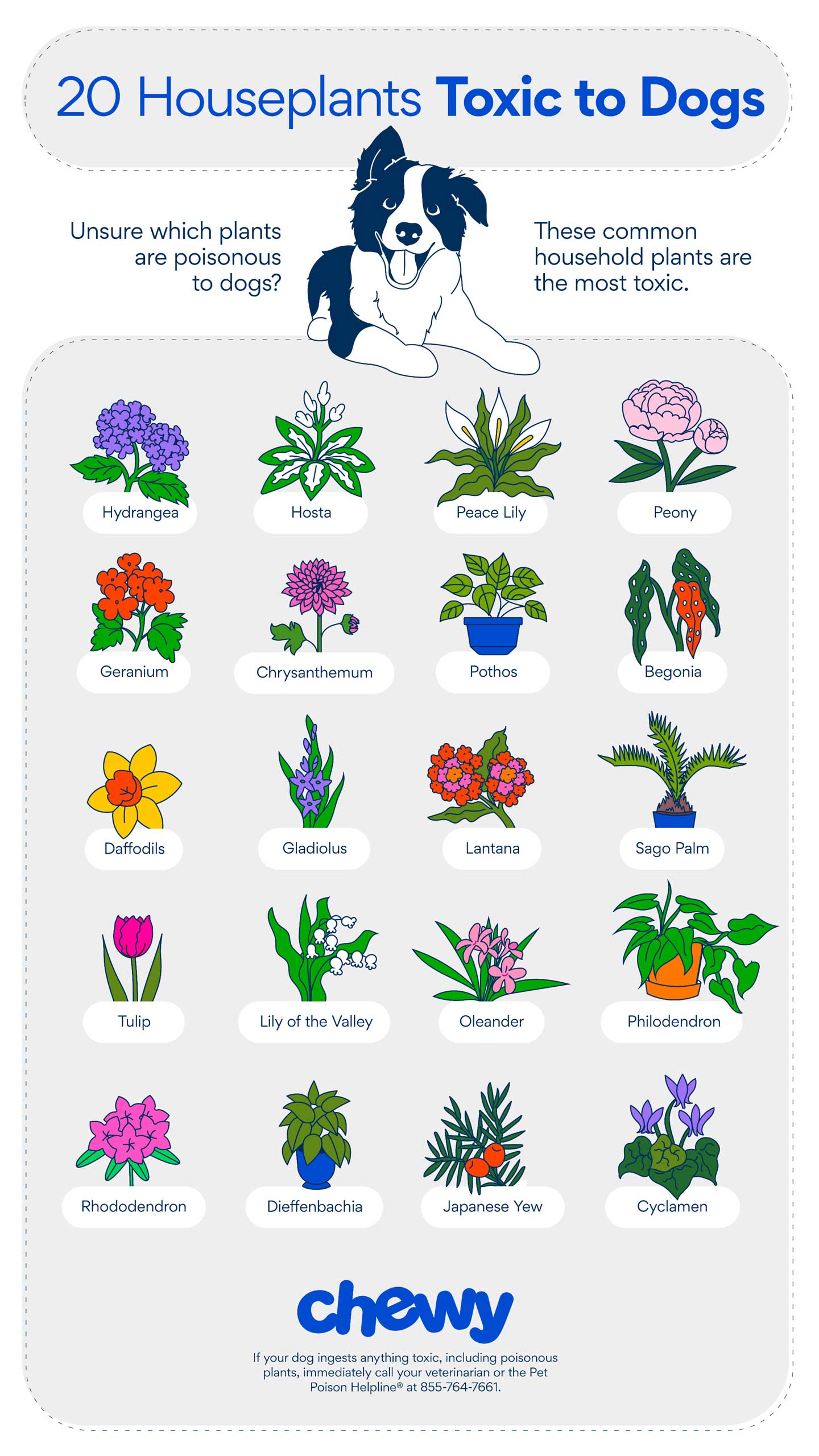
The most poisonous flower to dogs is the Azalea (Rhododendron spp.). This beautiful flowering shrub is highly toxic to dogs and can cause severe symptoms if ingested. The toxins present in azaleas, called grayanotoxins, can affect a dog's heart and gastrointestinal system. Even a small amount of the plant can lead to serious health issues, making it one of the most dangerous flowers for dogs.
Symptoms of Azalea Poisoning in Dogs
The symptoms of azalea poisoning can vary in severity depending on the amount ingested. Common signs include:
- Vomiting: Dogs may vomit shortly after ingestion, which is a common response to toxic substances.
- Diarrhea: Many dogs will also experience diarrhea, which can lead to dehydration if not treated promptly.
- Heart abnormalities: More severe reactions may include changes in heart rate, which can be dangerous and require immediate veterinary attention.
Treatment for Azalea Poisoning
If a dog is suspected of ingesting azaleas, it is crucial to seek veterinary care immediately. Treatment usually involves:
- Inducing vomiting: The veterinarian may induce vomiting to prevent further absorption of toxins.
- Activated charcoal: This may be administered to bind the toxins in the stomach and reduce their effects.
- Supportive care: IV fluids and medications may be provided to stabilize the dog's condition and treat specific symptoms.
Other Toxic Plants for Dogs
In addition to azaleas, there are several other plants that are harmful to dogs. Some of these include:
- Lily of the valley: Contains cardiac glycosides that can lead to heart arrhythmias.
- Oleander: All parts of this plant are toxic and can disrupt heart function.
- Foxglove: Similar to oleander, it affects the heart and can be life-threatening.
Preventing Azalea Poisoning
To prevent accidental ingestion of azaleas by dogs, consider the following precautions:
- Remove the plant: If you have azaleas in your garden, consider relocating or eliminating them.
- Create barriers: Fencing or barriers can help keep dogs away from toxic plants.
- Educate family members: Inform all family members about the dangers of azaleas and other toxic plants.
Identifying Azaleas
Recognizing azaleas can help in identifying and removing them from your environment. Key identifiers include:
- Flowers: Azaleas typically have trumpet-shaped flowers that can come in various colors.
- Leaf structure: The leaves are usually broad, smooth, and dark green.
- Growth habit: They are typically low-growing bushes that can flourish in many climates.
Questions from Our Readers
Is Echinacea poisonous to dogs?
Echinacea is not considered poisonous to dogs, but it can cause mild gastrointestinal upset if ingested in large amounts. It's always best to consult with a veterinarian before introducing any new herb or supplement to your dog's diet.
What are the symptoms if a dog ingests Echinacea?
If a dog ingests Echinacea, symptoms may include vomiting, diarrhea, or stomach upset. Monitoring your dog for any adverse reactions is important, and seeking veterinary advice if symptoms persist is recommended.
Can dogs benefit from Echinacea?
Echinacea is sometimes used as a natural supplement to support the immune system in dogs. However, its effectiveness is still debated, and it's important to weigh the potential benefits against any risks in consultation with a veterinarian.
How should Echinacea be administered to dogs?
If you decide to give Echinacea to your dog, it is crucial to follow recommended dosages and use products specifically designed for pets. Always consult a veterinarian for proper guidance and to ensure the safety of the herbal treatment.
See also:

If you want to read more articles like Is Echinacea Poisonous to Dogs? Understanding the Risks and Benefits, we recommend you check out our Echinacea category.
Leave a Reply
Related Articles