What is the Lifespan of a Coneflower? Discover Tips for Longevity and Care
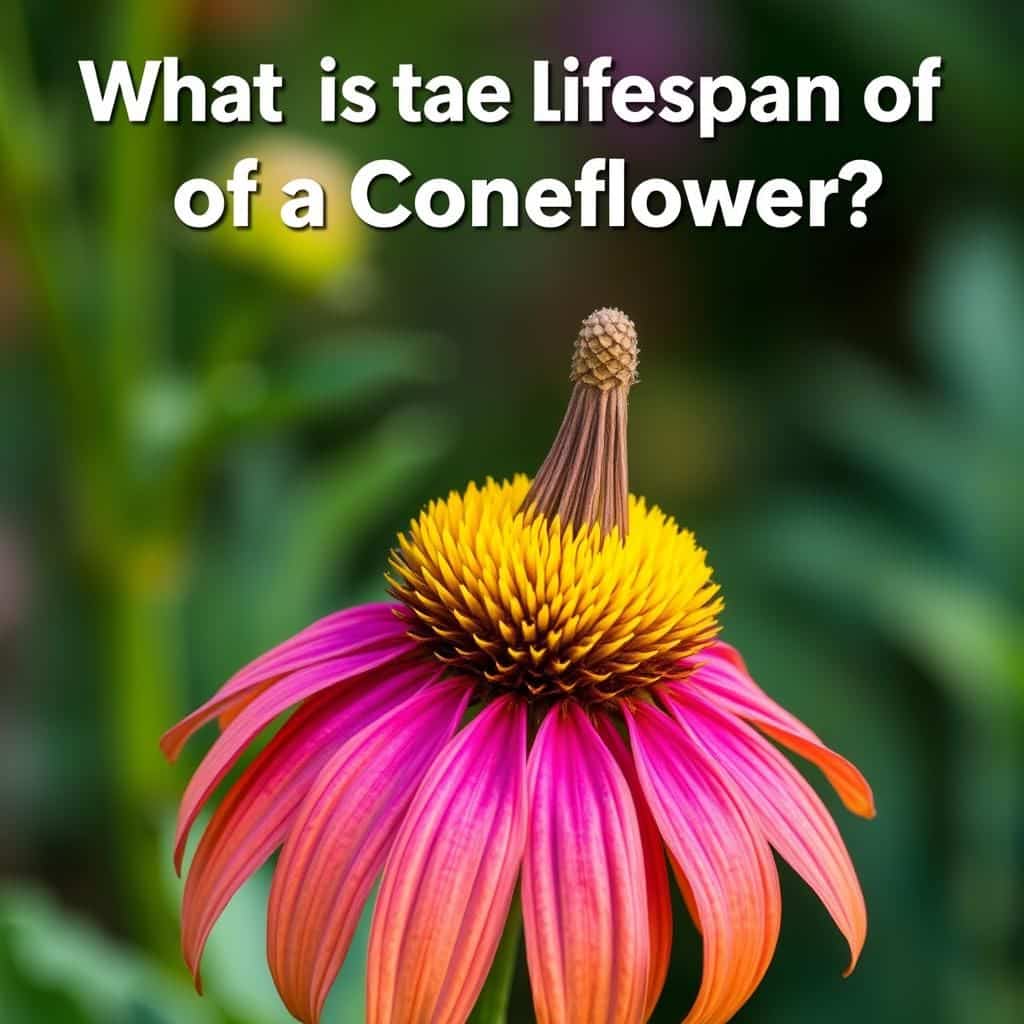
Coneflowers, also known as Echinacea, are beloved perennial plants known for their vibrant blooms and resilience. Understanding their lifespan is essential for gardeners looking to maximize their beauty and health in the garden. Typically, coneflowers can live anywhere from three to five years, but with the right care, they can thrive for much longer. In this article, we will explore the factors that influence the longevity of coneflowers, providing valuable tips on how to care for these hardy flowers. From proper planting techniques to maintenance strategies, learn how to ensure your coneflower blooms for years to come.
Understanding the Lifespan of a Coneflower
The lifespan of a coneflower, particularly the well-known Echinacea purpurea, typically ranges from 3 to 4 years in a garden setting, though certain conditions can extend this time. Proper care, including adequate sunlight, well-draining soil, and regular watering, can significantly influence the growth and longevity of these plants. With favorable conditions, cone flowers can sometimes survive over a decade, demonstrating resilience in various climates. Additionally, coneflowers self-seed, which means they may produce new plants that carry on their genetic legacy, contributing to the plant's perpetuation even after individual plants have died.
Lifespan Variability Depending on Care
The lifespan of coneflowers can significantly vary depending on environmental factors and gardening practices. Providing coneflowers with ample sunlight—at least six hours per day—ensures they can thrive and potentially live longer. Additionally, consistent watering practices, especially during dry spells, along with fertilization and proper pruning, can prolong their lifespan. Neglecting these aspects may lead to shorter lifespans, as the plants become susceptible to diseases and pests.
Impact of Soil Conditions
Soil quality plays a crucial role in determining how long coneflowers last. The ideal soil is well-draining, as overly soggy conditions can lead to root rot and other issues that shorten the plant's life. Coneflowers prefer slightly acidic to neutral soils, so performing a soil test and amending the soil as necessary can enhance their growth and longevity. Healthy soil helps create a robust root system that supports the plant through various environmental stresses.
Climate Influence on Lifespan
The climate in which coneflowers are grown significantly impacts their lifespan. In regions with harsh winters, coneflowers may not survive if temperatures drop drastically or if they experience prolonged frost. Conversely, in areas that offer mild winters with moderate temperatures, these plants can thrive longer. Understanding the hardiness zones suitable for coneflowers can help gardeners select varieties that adapt well to their climate, ultimately affecting longevity.
Self-Seeding and Lifespan Extension
Coneflowers are known for their ability to self-seed, which can effectively extend their lifespan within a garden setting. As older plants die off, the seeds they produce can germinate and grow into new plants the following season. This natural cycle can create a continuous presence of coneflowers in the landscape, even when the original plants are no longer alive. Gardeners can cultivate this trait by allowing seed heads to remain on the plants when they die back in preparation for the winter.
See also:
Pest and Disease Resistance
Coneflowers are relatively resistant to pests and diseases, which can impact their overall lifespan. However, factors such as overcrowding or poor air circulation can lead to problems like powdery mildew or aphid infestations, which can shorten their life. Regular monitoring and maintaining proper spacing between plants can prevent these issues, thereby enhancing their longevity in the garden. Gardeners should also be aware of common diseases and take preventive measures to ensure their coneflowers remain healthy.
| Factor | Impact on Lifespan |
|---|---|
| Care Practices | Increases lifespan with proper watering and sunlight |
| Soil Quality | Well-draining soil supports longer life |
| Climate | Harsh conditions can shorten lifespan |
| Self-Seeding | Produces new plants to extend garden presence |
| Pest Resistance | Healthy plants resist issues that can shorten life |
How many years will coneflowers come back?
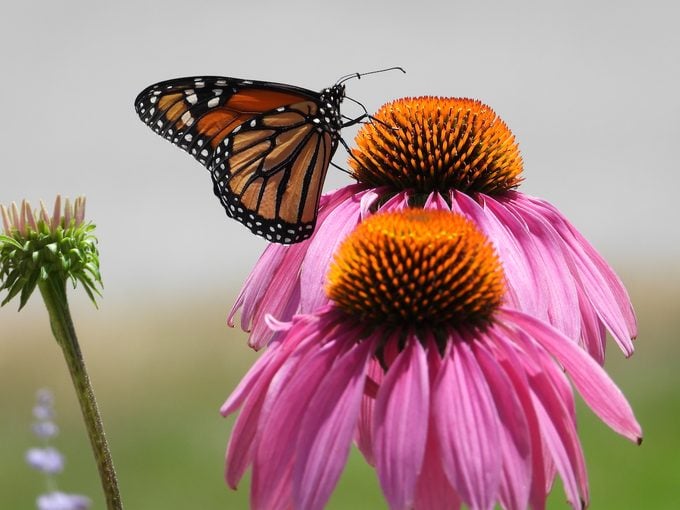
Coneflowers, known scientifically as Echinacea, are perennial plants that generally return year after year. Depending on the climate, care, and specific species of coneflower, these hardy plants can have a lifespan of several years, often lasting anywhere from 3 to 5 years before their vigor begins to decline. However, if properly cared for, they can survive much longer, sometimes even over 10 years.
Factors Affecting the Longevity of Coneflowers
Coneflowers are resilient, but their longevity can depend on several key factors:
- Soil Quality: Coneflowers thrive in well-drained soil with good organic matter. Poor soil can hinder their growth.
- Watering: Both overwatering and underwatering can affect their health. Coneflowers prefer slightly dry conditions.
- Sunlight: They need full sun for at least six hours a day to achieve their best growth.
How to Care for Coneflowers to Ensure Their Return
To maximize the chances that your coneflowers will return year after year, proper care is essential:
- Mulching: Adding mulch around the base can help retain moisture and suppress weeds.
- Deadheading: Removing spent blooms encourages the plant to produce more flowers rather than going to seed.
- Fertilization: Light applications of fertilizer in spring can boost growth, but avoid over-fertilizing.
Common Pests and Diseases
Coneflowers can be susceptible to certain pests and diseases that may affect their longevity:
See also:
- Powdery Mildew: This fungal disease can appear in humid conditions, affecting the plant's overall health.
- Aphids: These pests can suck the sap from the leaves, weakening the plant if not managed.
- Snails and Slugs: They can cause significant damage to young plants, so controlling them is important.
Propagation and Replanting
Coneflowers can be propagated, ensuring that new plants are grown and old plants can be rejuvenated:
- Division: Every few years, dividing the root system can promote healthier growth.
- Seed: Collecting seeds from mature plants allows for the establishment of new coneflower plants.
- Cuttings: Although less common, taking cuttings can also be a method for propagation.
Choosing the Right Variety
Different species of coneflower may have varying lifespans and characteristics. Selecting the right one is crucial:
- Echinacea purpurea: The most commonly grown variety, known for its hardiness and ability to thrive in various conditions.
- Echinacea pallida: This species has beautiful pale pink flowers and can tolerate drought better than others.
- Echinacea tennesseensis: A rare variety that is native to Tennessee and has specific requirements for growth.
Questions from Our Readers
What is the average lifespan of a coneflower?
The average lifespan of a coneflower (Echinacea) is typically around 2 to 4 years. However, with proper care and conditions, some plants may live longer, thriving for up to 10 years or more.
Do coneflowers come back every year?
Yes, coneflowers are perennial plants, which means they return each growing season. They can survive winter months and will re-emerge every spring, often becoming more robust with each passing year.
How can I extend the lifespan of my coneflower?
To extend the lifespan of your coneflower, ensure it receives adequate sunlight, well-draining soil, and regular watering without waterlogging. Additionally, removing spent flowers and promoting good air circulation can help maintain plant health.
What factors affect the lifespan of a coneflower?
Several factors can affect the lifespan of a coneflower, including soil quality, climate, water availability, and pest management. Ensuring ideal growing conditions can significantly enhance the plant's longevity and overall health.
See also:

If you want to read more articles like What is the Lifespan of a Coneflower? Discover Tips for Longevity and Care, we recommend you check out our Echinacea category.
Leave a Reply
Related Articles