Understanding What's the Difference Between Echinacea and Coneflower?

Echinacea and coneflower are terms often used interchangeably, but they refer to distinct aspects of the same plant family. Echinacea, a popular herbal remedy known for its immune-boosting properties, is derived from several species within the Echinacea genus. Coneflower, on the other hand, refers to the broader category of flowering plants in the Asteraceae family, which includes Echinacea. Understanding the differences between these two can enhance our appreciation of their unique characteristics and benefits. This article will delve into the distinctions, uses, and cultural significance of both, providing clarity on their roles in herbal medicine and gardening.
Difference Between Echinacea and Coneflower
Echinacea and coneflower are terms that are often used interchangeably, but they refer to slightly different concepts. Echinacea specifically refers to a genus of flowering plants, while coneflower is a more general term that includes several species within that genus, particularly Echinacea purpurea, which is the most commonly cultivated and recognized species. Both terms also evoke different uses in herbal medicine; however, Echinacea is primarily valued for its potential immune-boosting properties, while the term coneflower can also reference the aesthetic qualities of the plants in gardens. Therefore, while all Echinacea species can be called coneflowers, not all coneflowers are Echinacea.
What is Echinacea?
Echinacea is a genus of flowering plants in the daisy family, Asteraceae, which includes several species, with Echinacea purpurea being the most popular for both ornamental and medicinal purposes. The plants are characterized by their distinctive cone-shaped flower heads, which typically come in shades of purple, pink, and white. Echinacea has been historically used by Native American tribes for its medicinal properties, including the treatment of infections, and is commonly marketed as a dietary supplement aimed at enhancing immune function.
What is a Coneflower?
The term coneflower refers generically to several species of flowering plants that feature similar morphological traits, primarily the prominent cone-shaped center surrounded by petals. While Echinacea is the most notable member of this category, coneflowers can also include non-Echinacea species, such as Ratibida and Rudbeckia. These plants are favored in landscaping for their resilience and ability to attract pollinators, making them a popular choice for gardens and natural settings.
Differences in Uses
Echinacea is most commonly used for its potential health benefits, particularly in boosting the immune system and preventing respiratory infections. In contrast, cone flowers, including Echinacea, are often used in ornamental gardens for their aesthetic appeal and ability to grow well in a variety of conditions. While some cone flowers may have minor medicinal uses, they lack the extensive research and recognition associated with Echinacea in terms of health benefits.
Growing Conditions
Echinacea and other cone flowers thrive in full sun and well-drained soils, making them ideal for many garden landscapes. They are drought-resistant and can tolerate poor soil conditions, which contributes to their popularity among gardeners. However, different species may exhibit variations in their specific water and soil requirements, so it's important to understand the particular needs of the chosen coneflower variety for optimal growth.
Culinary Uses
While Echinacea is primarily known for its medicinal properties, some types of coneflower, particularly Echinacea, can also be used in culinary applications. The petals of Echinacea flowers can be used to add a splash of color to salads or brewed into teas. However, the culinary uses of other non-Echinacea cone flowers may vary and are generally less documented, resulting in a more limited application in food contexts.
| Feature | Echinacea | Coneflower |
|---|---|---|
| Genus | Echinacea | Multiple species (including Echinacea) |
| Primary Use | Medicinal (immune support) | Ornamental |
| Growth Conditions | Full sun, well-drained soil | Varies, often similar |
| Culinary Application | Tea, edible petals | Limited, varies by species |
| Popularity | High in herbal medicine | High in gardening |
Is Echinacea the same as coneflowers?
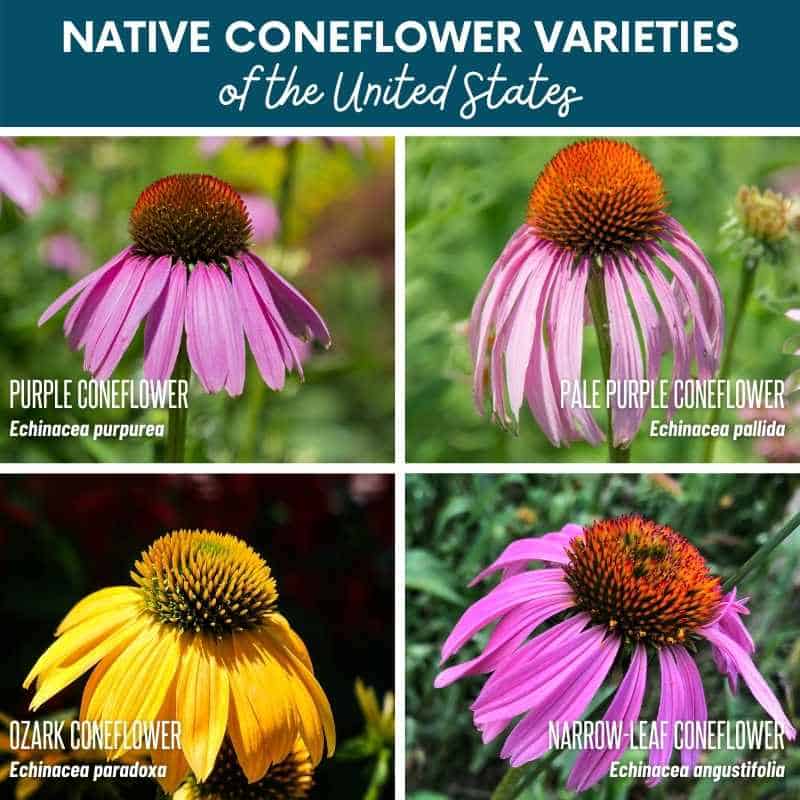
Echinacea and coneflowers refer to the same group of flowering plants, primarily within the genus Echinacea. Echinacea is widely known for its medicinal properties and is commonly used in herbal remedies, particularly for boosting the immune system. The name coneflower generally refers to several different species within this genus, characterized by their distinctive cone-shaped flower heads.
What is Echinacea?
Echinacea is a genus of flowering plants in the family Asteraceae, with several species recognized for their medicinal uses. These plants are native to North America and are particularly valued for their immune-boosting properties. The roots, leaves, and flowers of Echinacea are commonly utilized in herbal medicine, often in the form of teas, extracts, or capsules. Echinacea is believed to have anti-inflammatory and antioxidant effects that contribute to its efficacy in treating respiratory infections and enhancing overall wellness.
- Echinacea purpurea
- Echinacea angustifolia
- Echinacea pallida
What are Coneflowers?
Coneflowers are the common name for various species within the Echinacea genus. This designation comes from their unique flower structure, which resembles a conical shape due to the arrangement of the petals around a central disc. Coneflowers are not only appreciated for their aesthetic appeal in gardens but are also crucial for attracting pollinators, such as bees and butterflies. They are often cultivated for ornamental purposes, adding vibrant colors and attractive shapes to landscapes.
- Characteristics of coneflowers
- Popular species variations
- Uses in landscape design
Medicinal Properties of Echinacea
The medicinal properties of Echinacea have been extensively studied over the years. Many believe that it can help reduce the duration and severity of colds and other respiratory issues. Research indicates that specific components in Echinacea may stimulate the immune system, making the body more effective at fighting infections. However, it is essential to note that while Echinacea is popular in herbal medicine, scientific evidence supporting its efficacy varies, and it is advisable to consult healthcare professionals before use.
- Immune system support
- Potential uses in treating infections
- Forms of Echinacea supplements
Cultural and Historical Significance of Echinacea
Historically, Echinacea has been used by various Native American tribes for centuries, particularly for its healing attributes. They applied it to wounds, bites, and other ailments before the arrival of modern medicine. Echinacea was introduced to European settlers and quickly gained popularity as an herbal remedy. Today, its use continues to be rooted in a combination of traditional practices and modern herbalism, emphasizing the plant's enduring significance in cultural and medicinal contexts.
See also:
- Cultural uses by Native Americans
- Adoption in Western herbal medicine
- Modern research and applications
Differentiating Echinacea Species
While all coneflowers belong to the Echinacea genus, there are several distinct species within it. Understanding these differences is crucial for both gardeners and those interested in herbal remedies. Key species include Echinacea purpurea, widely used in supplements, and Echinacea angustifolia, often praised for its root’s medicinal benefits. Each species may vary in terms of potency, cultivation needs, and appearance, making it essential to identify the correct species for specific uses.
- Identifying species differences
- Common uses for each species
- Cultivation requirements for Echinacea
Is black-eyed Susan a coneflower?
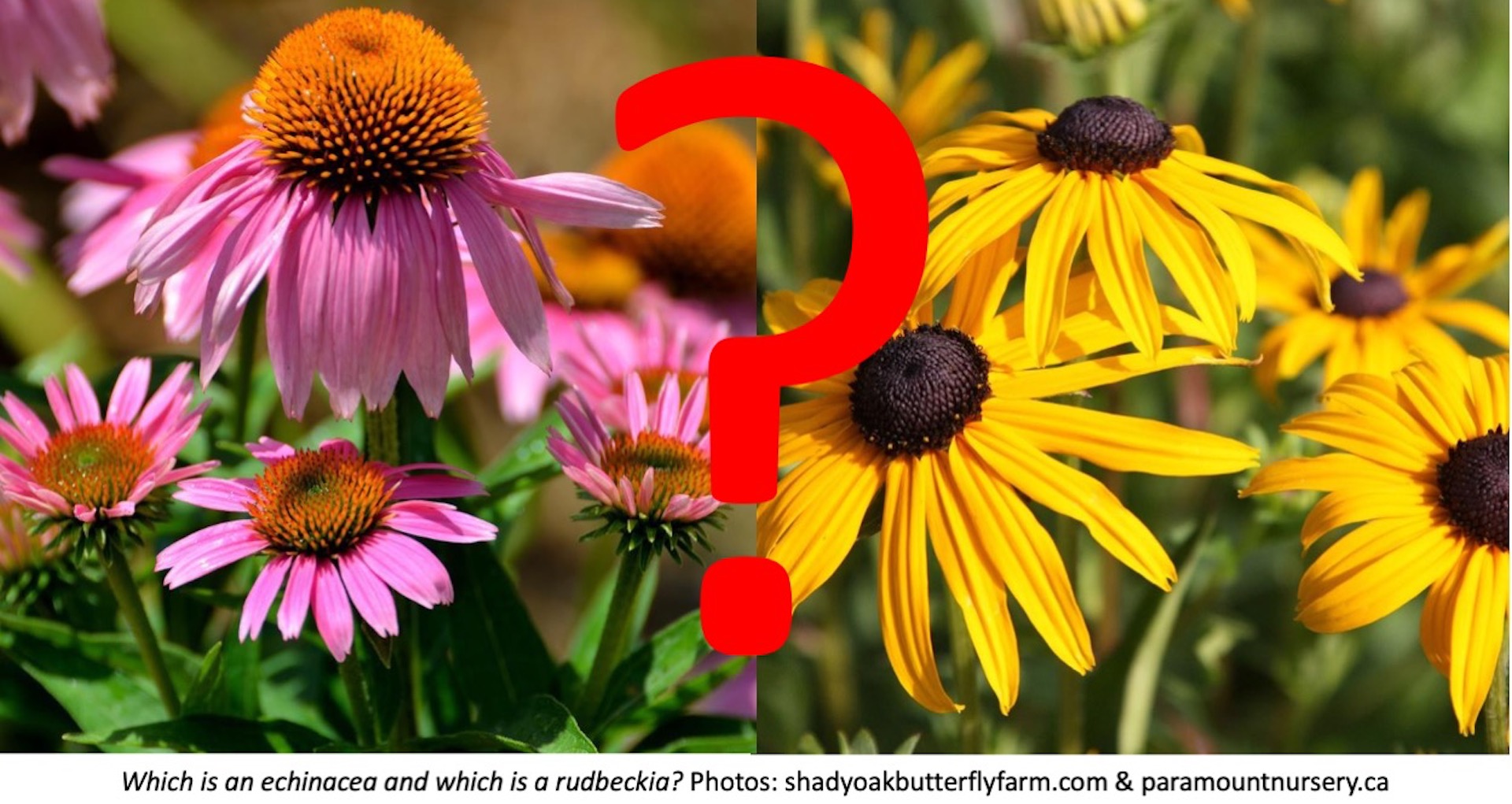
The Black-eyed Susan (Rudbeckia hirta) is often mistakenly referred to as a coneflower, but it is not. While both belong to the same family, Asteraceae, and share some similar characteristics, they are distinct genera. Coneflowers, primarily within the genus Echinacea, are known for their tall, sturdy stems and unique conical flower heads, which are typically purplish in color. In contrast, Black-eyed Susans feature bright yellow or orange petals with a dark brown or black central cone. This divergence in appearance and classification is crucial for gardening enthusiasts and biodiversity studies.
Differences in Appearance
The appearance of Black-eyed Susans differs markedly from that of coneflowers.
- Petal Color: Black-eyed Susans predominantly have yellow or orange petals, while coneflowers typically exhibit pink, purple, or white petals.
- Center Structure: The central disk of a Black-eyed Susan is dark brown to black, compared to the more conical, raised center of a coneflower.
- Overall Shape: Coneflowers often exhibit a more upright, robust shape, while Black-eyed Susans tend to have a looser, sprawling growth habit.
Genus and Species Classification
The classification of these flowers highlights their differences.
- Black-eyed Susan: Belongs to the genus Rudbeckia, specifically the species hirta.
- Coneflower: Hails from the genus Echinacea, with several species within this category, the most recognized being Echinacea purpurea.
- Family: Both belong to the same family, Asteraceae, also known as the daisy family, showcasing their botanical relationship.
Growing Conditions
Despite some similarities in their gardening uses, their growing conditions can vary.
- Soil Preference: Black-eyed Susans prefer well-drained soil and can thrive in poorer soils, whereas coneflowers usually require moist, rich soil for optimal growth.
- Sunlight Needs: Both flowers prefer full sun, but Black-eyed Susans are more tolerant of partial shade.
- Water Requirements: Coneflowers generally need more consistent moisture compared to the drought-tolerant Black-eyed Susan.
Ecological Importance
Both Black-eyed Susans and coneflowers play significant roles in their ecosystems.
- Pollinator Attraction: Both flowers attract a variety of pollinators, including bees and butterflies, contributing to local biodiversity.
- Wildlife Support: Their seeds provide food for birds and other wildlife during fall and winter.
- Soil Health: Both can help improve soil health and structure through their extensive root systems, promoting healthy ecosystems.
Cultural Significance
The cultural significance of both flowers varies.
- Symbolism: Black-eyed Susans are often associated with encouragement and motivation, while coneflowers symbolize healing and strength.
- Use in Gardens: Black-eyed Susans are commonly used in wildflower gardens, whereas coneflowers are popular in cottage gardens for their medicinal properties and ornamental value.
- Festivals and Native Traditions: Both flowers hold significance in various cultural festivals and are used in traditional medicine by indigenous peoples.
Who should not take Echinacea?
Echinacea is a popular herbal supplement often used to boost the immune system and reduce the duration of colds. However, not everyone should take Echinacea. There are specific groups of individuals who should avoid this supplement due to potential adverse effects or interactions.
Individuals with Allergies to Asteraceae Family
Those who are allergic to the Asteraceae family, which includes plants such as ragweed, chrysanthemums, marigolds, and daisies, should refrain from taking Echinacea. Using this herb can lead to severe allergic reactions such as anaphylaxis.
- Potential for severe allergic symptoms
- Risk of anaphylaxis, a life-threatening condition
- Alternatives may be available that don’t provoke allergies
Patients with Autoimmune Disorders
People suffering from autoimmune disorders such as lupus, multiple sclerosis, or rheumatoid arthritis should consider avoiding Echinacea. This herb may stimulate the immune system, potentially worsening their condition.
- Stimulation of the immune response may lead to flares
- Increased risk of inflammation in autoimmune conditions
- Consultation with a healthcare provider is crucial
Individuals Taking Immunosuppressive Medications
Those who are on immunosuppressive medications, either because of organ transplants or treatment for various diseases, should avoid Echinacea. The herb may counteract the effects of these medications and increase the risk of infections.
See also:
- May diminish the effectiveness of immunosuppressive drugs
- Increased susceptibility to infections
- Regular monitoring by a healthcare provider is essential
Pregnant and Lactating Women
Pregnant and breastfeeding women should exercise caution when considering Echinacea. The effects of this herb in these populations are not well-studied, making its safety uncertain.
- Potential for unknown effects on fetal development
- Risk of adverse reactions not being well documented
- Consultation with a healthcare provider is advised
Children and Young Adults
Parents should be cautious about giving Echinacea to children. While it is sometimes used in pediatric populations, the safety and efficacy of Echinacea in young children and teenagers are not fully established.
- Risk of adverse side effects may be higher
- Consult with a pediatrician before administration
- Alternative treatments may be more beneficial for younger populations
Does Echinacea come back every year?
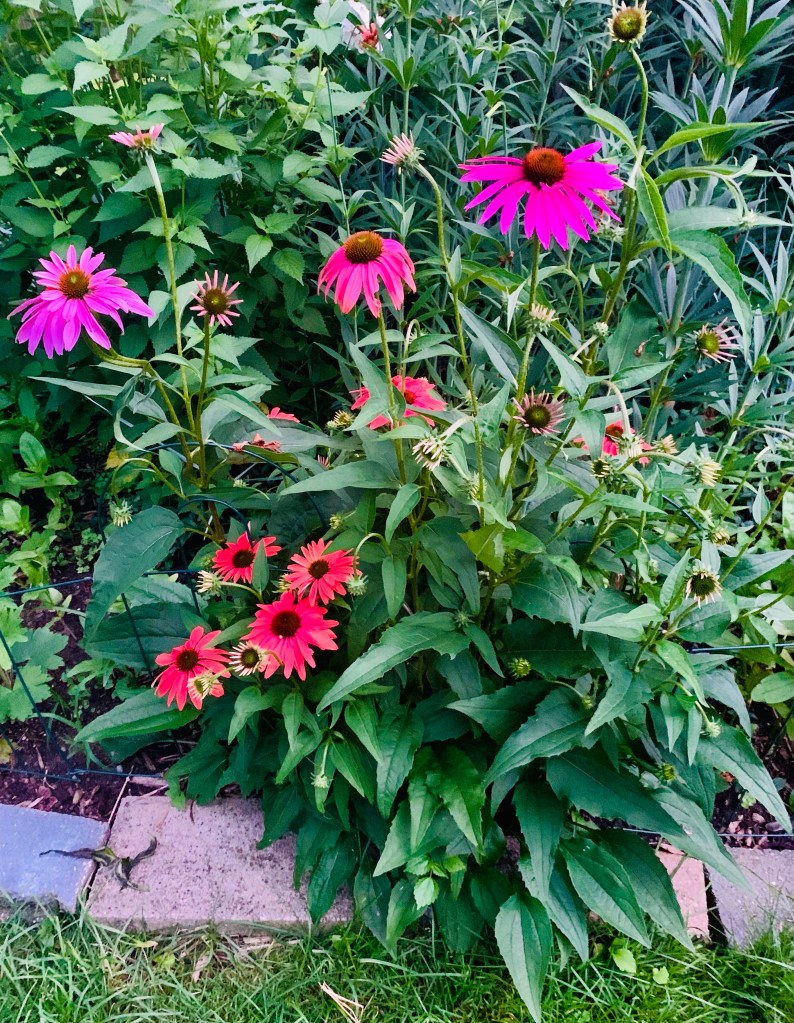
Echinacea, commonly known as coneflower, is a perennial plant that is well-known for its medicinal properties and vibrant flowers. One of the most frequently asked questions about this plant is whether it comes back every year. The answer is yes; Echinacea is a perennial, which means it will return year after year if properly cared for.
Understanding Perennials
Perennials are plants that live for more than two years. They typically die back in the winter and re-emerge in the spring. Echinacea, being a perennial, follows this pattern:
- Life Cycle: Echinacea plants grow foliage in the spring and summer, producing flowers that attract pollinators.
- Winter Dormancy: During the winter months, the plant may lose its above-ground parts but its root system remains alive.
- Regrowth: When spring arrives, the plant rejuvenates and sprouts new growth from its established roots.
Factors Influencing Echinacea's Return
While Echinacea generally returns every year, various factors can impact its regrowth. Here are some key considerations:
- Climate: Echinacea thrives in USDA hardiness zones 3-9. Extreme temperatures might affect its survival.
- Soil Conditions: Well-drained, loamy soil supports healthy root development, promoting annual regrowth.
- Watering: Proper watering is crucial; while Echinacea is drought tolerant, consistent moisture helps in its recovery.
Maintenance for Yearly Growth
To ensure that Echinacea comes back each year, proper maintenance is essential. Here are some recommended practices:
- Cutting Back: In late fall or early spring, cut back the spent flowers and foliage to encourage new growth.
- Fertilizing: A balanced fertilizer in early spring can enhance growth and flowering.
- Pest Management: Monitor for pests like aphids or powdery mildew to maintain plant health.
Propagation Methods
Echinacea can be propagated through several methods, which can also affect its annual presence. The primary methods include:
- Seed Sowing: Seeds can be sown in late winter or early spring, leading to new plants in subsequent years.
- Division: Established Echinacea plants can be divided every 2-3 years, aiding in creating new plants and sustaining vigor.
- Cuttings: Stem cuttings can be taken in summer for propagation, although this method is less common.
Common Varieties of Echinacea
There are several popular varieties of Echinacea, each possessing unique traits. Here is a list of some notable ones:
- Echinacea purpurea: Known as purple coneflower, it is one of the most widely recognized species.
- Echinacea pallida: Characterized by its pale pink flowers and more slender leaves.
- Echinacea tennesseensis: A rare species native to Tennessee, prized for its unique floral characteristics.
Questions from Our Readers
What is Echinacea?
Echinacea is a genus of flowering plants in the daisy family, native to North America. It is commonly known for its medicinal properties and is often used to boost the immune system and treat colds or infections.
What is coneflower?
Coneflower is a common name for plants in the Echinacea genus and refers to their distinctive cone-shaped flower heads. They are not only valued for their medicinal uses but also appreciated as ornamental plants in gardens due to their vibrant colors.
How do Echinacea and coneflower differ?
While Echinacea and coneflower are often used interchangeably, Echinacea refers specifically to the genus, while coneflower refers to the common name for various species within that genus. In essence, all Echinacea plants can be considered coneflowers, but not all coneflowers are of the Echinacea genus.
What are the health benefits of Echinacea?
Echinacea is widely known for its potential health benefits, such as enhancing immune function, reducing symptoms of colds, and possibly shortening their duration. The active compounds within Echinacea are believed to stimulate the immune response, making it a popular choice in herbal medicine.
See also:

If you want to read more articles like Understanding What's the Difference Between Echinacea and Coneflower?, we recommend you check out our Echinacea category.
Leave a Reply
Related Articles