How Many Years Do Echinacea Plants Live? A Comprehensive Guide to Echinacea Lifespan

Echinacea, commonly known as coneflower, is a cherished perennial cherished for its vibrant blooms and numerous health benefits. Understanding the lifespan of Echinacea plants is crucial for gardeners and herbal enthusiasts alike, as it informs cultivation practices, maintenance, and harvesting strategies. This comprehensive guide delves into the various factors influencing the longevity of Echinacea, including environmental conditions, care routines, and specific species variations. By exploring these elements, readers will gain valuable insights into how to promote a thriving Echinacea garden that not only beautifies outdoor spaces but also offers medicinal value over the years.
How Long Do Echinacea Plants Live?
Echinacea plants, commonly known as coneflowers, typically have a lifespan of around two to five years under optimal growing conditions. However, factors such as soil quality, climate, and care can influence their longevity. With proper maintenance, including adequate watering, nutrient-rich soil, and appropriate pruning, these resilient perennials can thrive for several years, potentially even up to eight years or more in favorable environments. Regular division and propagation can also help sustain their presence in the garden by creating new plants.
Factors Affecting Lifespan
The lifespan of Echinacea plants can vary based on several factors, including soil health, the climate, and growing conditions. Plants grown in rich, well-draining soil with adequate sunlight are generally more resilient and can live longer. Conversely, poor soil and unfavorable weather conditions may hinder their growth and reduce their lifespan.
Optimal Growing Conditions
To maximize the lifespan of Echinacea plants, it is essential to provide optimal growing conditions. These plants thrive in full sun and well-draining soil and prefer a dry to moderate watering schedule. Ensuring they don’t become waterlogged is crucial as excess moisture can lead to root rot and shorten their lifespan.
Impact of Climate
The climate plays a significant role in determining how long Echinacea plants live, as they are native to the North American prairies, where they are accustomed to a range of temperatures. In regions with harsh winters or extreme heat, their lifespan may be reduced unless appropriate measures are taken, such as mulching or protection during cold spells.
Pruning and Maintenance
Regular pruning and maintenance can greatly enhance the longevity of Echinacea plants. Deadheading spent blooms encourages further flowering and prevents the plant from expending energy on seed production. Additionally, removing dead leaves and ensuring proper air circulation helps reduce the risk of disease, contributing to a longer life.
Propagation Techniques
Propagation techniques, such as division or seed production, can also affect the overall lifespan of Echinacea in a garden. Dividing older plants every few years not only encourages growth but also helps maintain a vibrant display of flowers. This method can extend the presence of Echinacea in the garden landscape, allowing gardeners to enjoy their beauty for many years.
| Factor | Impact on Lifespan |
|---|---|
| Soil Quality | Rich, well-draining soil promotes longer life. |
| Climate | Extremes in weather can shorten lifespan. |
| Watering | Consistent moisture without waterlogging is vital. |
| Pruning | Encourages renewed growth and longer flowering. |
| Propagation | Keeps the garden vibrant and prolongs plant presence. |
How long does an Echinacea plant live?
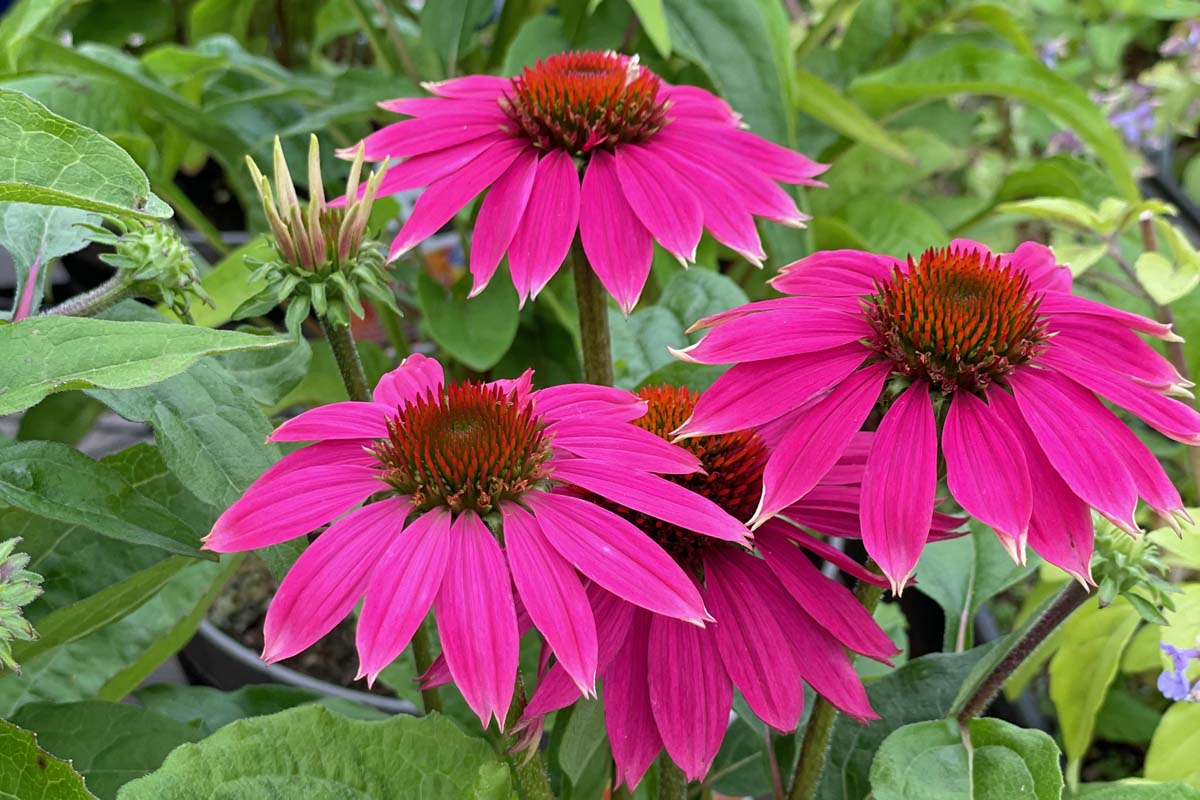

Echinacea plants, commonly known as coneflowers, are perennial herbs that are renowned for their medicinal properties and vibrant flowers. Typically, an Echinacea plant can live for 3 to 4 years in optimal conditions; however, with proper care, some varieties can extend their lifespan up to 5 to 7 years. Factors such as climate, soil conditions, and maintenance practices play a significant role in their longevity.
Growth Conditions for Longevity
The environment in which Echinacea plants grow significantly affects their lifespan. Essential growth conditions include:
- Soil Quality: Well-drained soil rich in organic matter promotes healthy root development.
- Sunlight: Echinacea plants thrive in full sun, requiring at least 6 hours of direct sunlight daily.
- Watering Practices: Moderately moist soil is ideal; overwatering can lead to root rot.
Types of Echinacea and Their Lifespan
Different species of Echinacea can exhibit varying lifespans. Some of the notable species include:
- Echinacea purpurea: Commonly known as purple coneflower, it often lives 3 to 4 years but can thrive longer with care.
- Echinacea angustifolia: This species tends to be more resilient and can live up to 5 years under favorable conditions.
- Echinacea pallida: Known as pale coneflower, it typically lives around 3 years but may flourish longer with proper maintenance.
Maintenance Practices to Extend Lifespan
Regular maintenance can significantly enhance the lifespan of Echinacea plants. Key practices include:
- Regular Pruning: Removing spent flowers encourages more blooms and promotes overall plant health.
- Pest Management: Monitoring for pests and diseases ensures the plant remains healthy and vigorous.
- Fertilization: Applying organic fertilizers annually can provide essential nutrients to support growth.
Signs of Aging in Echinacea Plants
As Echinacea plants age, specific signs can indicate their declining health. Common signs include:
- Reduced Blooming: Decreased flower production can signal that the plant is aging or stressed.
- Leaf Yellowing: Yellowing leaves may indicate nutrient deficiencies or root issues.
- Dieback: Areas of the plant dying off can suggest death or disease affecting the overall health.
Propagation Methods for Renewing Echinacea
To ensure continuous availability of Echinacea, propagation can be employed when older plants reach the end of their lifespan. Methods include:
- Seed Propagation: Collecting seeds from mature plants allows for growing new plants in subsequent years.
- Division: Splitting established plants can create new plants and rejuvenate aging specimens.
- Cuttings: Taking cuttings from healthy plants can yield new growth when placed in suitable growing conditions.
Is Echinacea a long-lived perennial?
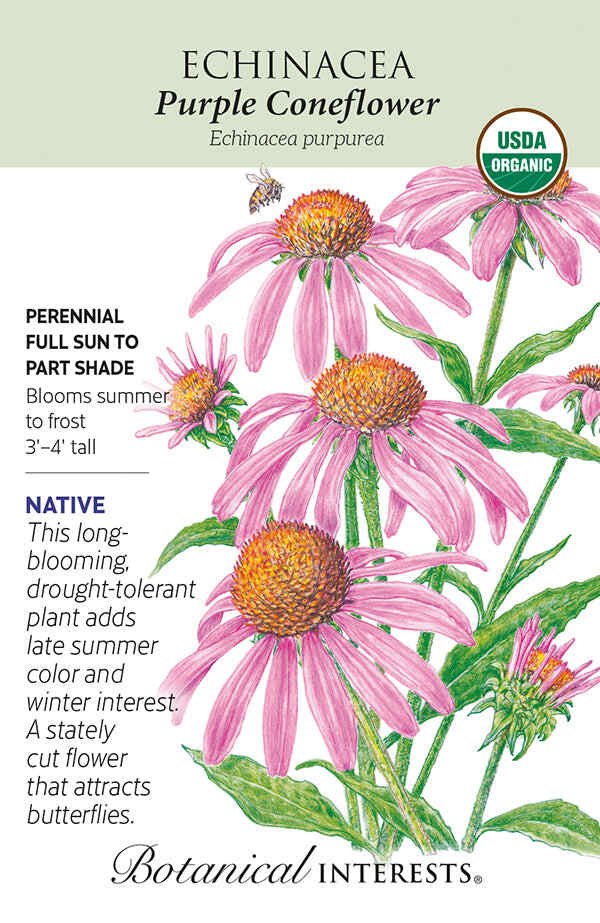
Echinacea, commonly known as coneflower, is indeed considered a long-lived perennial plant. Perennials are plants that live for more than two years, and Echinacea fits this definition well. When cultivated in suitable conditions, Echinacea can survive for several years, often thriving for up to five years or more, depending on environmental factors and care. Its ability to endure through different seasons, coupled with its robust nature, makes it a popular choice among gardeners and herbalists. They are capable of re-emerging year after year, displaying beautiful flowers that attract pollinators like bees and butterflies.
See also:
Characteristics of Echinacea
Echinacea is recognized for its unique characteristics that define its growth and survivability as a perennial plant. The distinctive features of this plant include:
- Flowers: Echinacea has large, daisy-like flowers that can vary in color from purple to white, attracting various pollinators.
- Root Structure: Its deep root system allows it to access water and nutrients from the soil, enhancing its longevity.
- Adaptability: Echinacea can thrive in a range of soil types and conditions, from dry to moist environments.
Growing Conditions for Longevity
To establish a healthy and long-lived Echinacea plant, specific growing conditions must be considered. The ideal environment includes:
- Soil Quality: Echinacea prefers well-draining soil with a pH between 6.0 and 7.0. Improving soil with organic material will enhance growth.
- Sunlight: A location that receives full sun (at least 6 hours per day) is essential for optimal flowering and growth.
- Watering Needs: While Echinacea is drought-tolerant, regular watering during dry spells helps maintain its health and vigor.
Maintenance Practices
Proper maintenance practices can significantly impact the lifespan of Echinacea plants. Essential care tips include:
- Deadheading: Regularly removing faded flowers encourages more blooms and prolongs flowering season.
- Dividing Plants: Every few years, dividing the root clumps can rejuvenate the plant and prevent overcrowding.
- Pest Management: Monitoring for common pests and diseases ensures the longevity and health of Echinacea.
Benefits of Echinacea as a Perennial
Echinacea provides several benefits as a perennial in gardens and natural landscapes. These advantages include:
- Attracts Pollinators: Its vibrant flowers serve as a vital food source for bees and butterflies.
- Medicinal Uses: Echinacea is widely regarded for its immune-boosting properties and is commonly used in herbal remedies.
- Low Maintenance: Once established, Echinacea requires minimal care compared to annual plants, making it an excellent choice for busy gardeners.
Conclusion on Echinacea's Lifespan
While the title suggests a conclusion, it is important to note that the lifespan of Echinacea and its perennial nature depend on various factors, including care and environment. Understanding these aspects can lead to a flourishing Echinacea garden that lasts for years.
Questions from Our Readers
How long do Echinacea plants typically live?
Echinacea plants generally have a lifespan of about 2 to 5 years, depending on the specific species and the growing conditions. With proper care and favorable conditions, some plants may live even longer, thriving well into their second or third season.
What factors influence the lifespan of Echinacea plants?
Several factors can affect the lifespan of Echinacea plants, including soil quality, water availability, sunlight exposure, and overall plant maintenance. Ensuring that the plants have adequate nutrients and are protected from pests or diseases can significantly extend their longevity.
Can Echinacea plants be grown as perennials?
Yes, many species of Echinacea plants are classified as perennials, meaning they can come back year after year. With suitable environmental conditions, these plants can reappear each growing season, contributing to their overall lifespan.
See also:
How can I prolong the life of my Echinacea plants?
To prolong the life of your Echinacea plants, practice good gardening techniques such as regular watering, providing sufficient sunlight, and applying mulch to retain moisture. Additionally, pruning spent flowers can encourage new growth and lead to a healthier plant.

If you want to read more articles like How Many Years Do Echinacea Plants Live? A Comprehensive Guide to Echinacea Lifespan, we recommend you check out our Echinacea category.
Leave a Reply
Related Articles