Are Echinacea Cut and Come Again? Discover the Best Growing Practices!

Echinacea, commonly known as coneflower, is a vibrant and resilient perennial that captivates gardeners with its stunning blooms and potential health benefits. As more people embrace gardening for both aesthetics and wellness, the question arises: are Echinacea cut and come again? This article delves into the best growing practices for this striking plant, ensuring that it not only thrives in your garden but also continues to produce beautiful flowers throughout the season. From soil conditions to pruning techniques, discover how to cultivate a flourishing Echinacea patch that invites pollinators and enhances your outdoor space.
Are Echinacea Cut and Come Again?
Echinacea, commonly known for its medicinal properties, has gained popularity in gardens not only for its aesthetic appeal but also for its potential health benefits. When it comes to the question of whether it is a cut and come again plant, the answer is nuanced. Echinacea flowers can be cut for arrangements, and with proper care, this may stimulate new growth, allowing for additional blooms later in the season. However, unlike some perennial plants that continuously produce foliage and flowers after being cut, Echinacea has specific flowering periods, meaning that while it can be cut for fresh use, it does not offer the same relentless harvest capabilities as other vegetables or herbs. Thus, while it can be enjoyed throughout the summer if managed well, it is not completely a cut and come again variety in the traditional sense.
Understanding Echinacea Growth Habits
Echinacea plants typically grow vigorously from spring to fall, with their flowers beginning to bloom in late summer. They produce an abundance of blooms that can be harvested at their peak, however, it's important to recognize that once cut, they will not immediately produce new flowers like some annuals. Instead, these perennials focus on the energy stored in their roots to replenish and bloom again in the next growing season.
Best Practices for Cutting Echinacea
When cutting Echinacea, timing is essential. It's best to cut the flowers in the morning when moisture levels are high, ensuring that the stems are full of water. Use sharp shears to make clean cuts, removing just enough of the flower stalk without damaging the plant. It's also advised to leave sufficient foliage to sustain the plant as it prepares for the next blooming cycle. This practice not only enhances the plant's health but also promotes new growth, although results may vary.
Can Echinacea Re-Bloom After Cutting?
After cutting Echinacea, the plant can produce additional blooms, but this re-blooming is often dependent on how much of the plant was removed and the prevailing growing conditions. Regular deadheading — the removal of spent flowers — can encourage plants to produce more flowers later in the season. However, this process requires patience, as Echinacea is generally not as prolific in reblooming as some other perennial flowers.
Seasonal Maintenance for Echinacea
To promote healthy growth in Echinacea, seasonal maintenance is vital. This includes regular watering, particularly during dry spells, and fertilization once in early spring with a balanced fertilizer. Additionally, it’s important to ensure proper drainage in the soil as Echinacea does not thrive in overly wet conditions, which could lead to root decay. Maintaining these conditions can help them to flourish and extend their blooming period.
Harvesting and Using Echinacea
Echinacea is not just a beautiful addition to gardens but also a useful plant in herbal remedies. The flowers, stems, and leaves can be harvested for teas, tinctures, and other natural preparations. When harvesting, it’s best to choose flowers that are just beginning to open, as they have the highest levels of active compounds. The harvested plant parts can then be dried and stored for later use in promoting immune health or alleviating cold symptoms.
| Aspect | Detail |
|---|---|
| Growth Period | Spring to Fall |
| Cutting Time | Morning |
| Re-bloom Potential | Moderate |
| Maintenance | Watering, Deadheading, Fertilizing |
| Harvest Parts | Flowers, Stems, Leaves |
Will Echinacea rebloom if cut back?
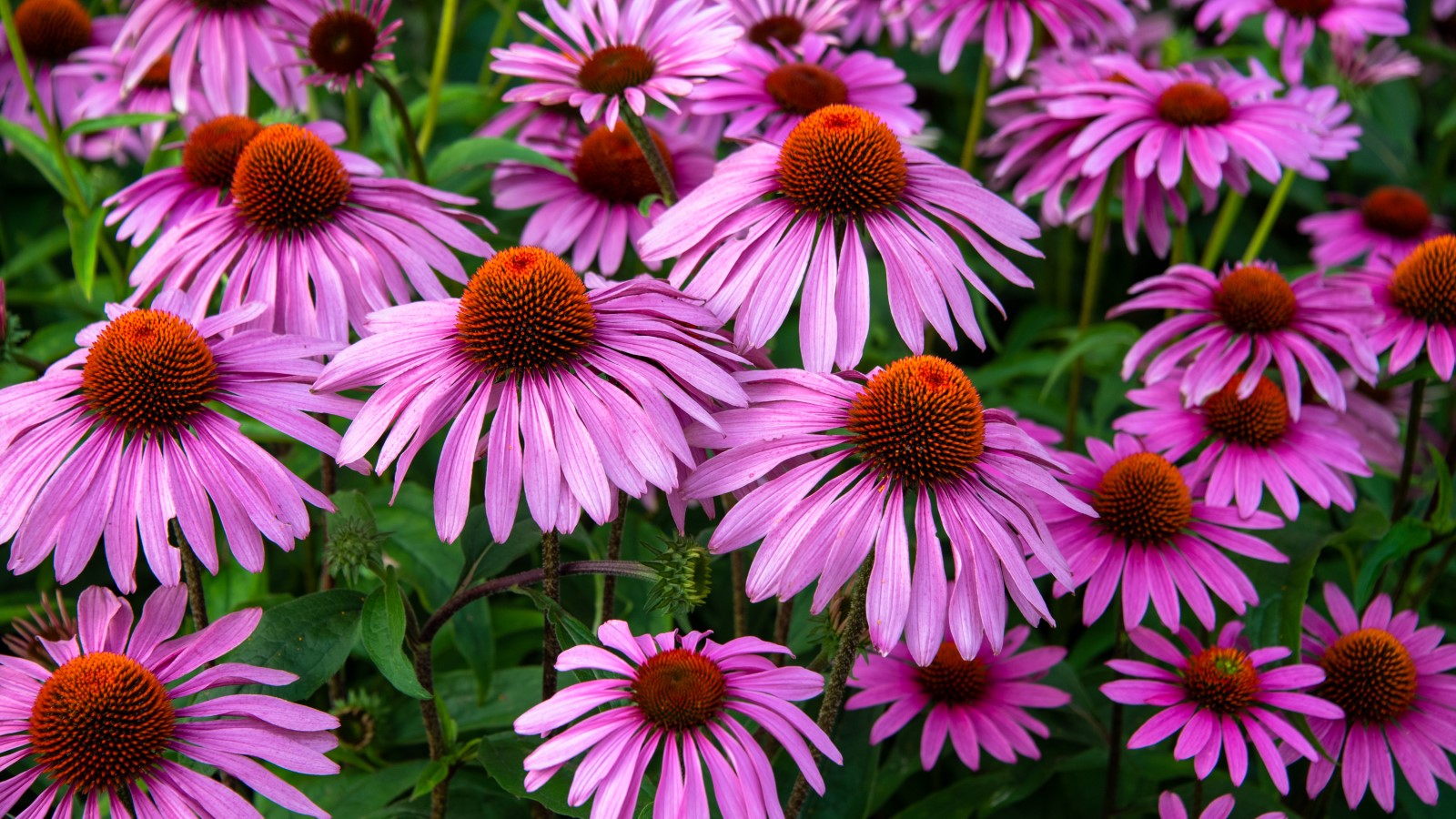

Echinacea, commonly known as coneflower, is a perennial plant that is popular in gardens for its beautiful blooms and medicinal properties. When it comes to the question of whether Echinacea will rebloom if cut back, the answer is yes; however, there are some important considerations to keep in mind. Cutting back Echinacea, ideally after blooming, can encourage new growth and potentially result in a second blooming period later in the season.
Understanding Echinacea Growth Cycles
Echinacea generally has a summer blooming cycle, but its growth can continue throughout the season. Here are some key points about its growth cycles:
- Initial Blooming: Echinacea typically blooms in mid-to-late summer.
- Second Blooming Possibility: When cut back, the plant may produce new shoots that can lead to a second round of flowers.
- Timing: The best time to cut back is after the first flowering has finished, usually in late summer.
Cutting Back Echinacea
Pruning or cutting back Echinacea can be beneficial for its health and future blooming potential. Here's how to do it effectively:
- Identify Spent Blooms: Remove dead or wilted flowers to encourage new growth.
- Trim Strategically: Cutting back about one-third of the plant can help promote energy toward new blooms.
- Use Clean Tools: Ensure tools are disinfected to prevent disease spread.
Conditions for Reblooms
Several factors will influence whether Echinacea will rebloom after being cut back. Consider the following conditions:
- Climate: Warmer climates tend to support reblooming better than colder regions.
- Soil Quality: Well-draining soil with good nutrients promotes healthy growth.
- Sunlight: Echinacea requires full sun for optimal blooming.
Factors Affecting Echinacea Reblooms
Several environmental and care factors can impact the likelihood of reblooming after cutting back:
- Watering Practices: Consistent moisture levels are important for overall health.
- Nutrient Supply: Fertilizing after cutting back can provide essential nutrients for blooms.
- Pests and Diseases: Keeping plants healthy will enhance their ability to rebloom.
Cultural Practices for Echinacea
Utilizing certain cultural practices can aid in achieving reblooming success for Echinacea:
- Mulching: Adding mulch can help retain moisture and suppress weeds.
- Spacing: Ensure proper spacing between plants for adequate air circulation.
- Companion Planting: Pairing Echinacea with other plants can help attract pollinators.
How to keep Echinacea blooming?

To keep Echinacea blooming, several key practices can promote the healthy growth and prolonged blooming of this stunning perennial flower. Following these tips can help ensure vibrant blooms throughout the growing season.
See also:
Soil Quality and Drainage
Echinacea thrives best in well-draining soil with a neutral to slightly alkaline pH. Good soil quality provides the necessary nutrients that promote healthy growth.
- Test the Soil: Conduct a soil test to check for nutrients and pH levels.
- Amend the Soil: If necessary, add organic material such as compost or well-rotted manure to improve nutrient content.
- Improve Drainage: Ensure that the planting area has proper drainage. Raised beds or sandy soils can help.
Proper Watering Techniques
The watering schedule directly impacts the blooming of Echinacea flowers. Overwatering can lead to root rot, while underwatering can stress the plants.
- Water Deeply: Ensure that the soil is moist to a depth of at least 6 inches. This encourages deeper root growth.
- Avoid Overwatering: Water only when the top inch of soil is dry to prevent soggy conditions.
- Mulch: Apply a layer of mulch to retain moisture in the soil, which also suppresses weeds.
Fertilizing for Healthy Blooms
Feeding Echinacea at the right time with appropriate fertilizers can boost flower production and overall plant health.
- Use a Balanced Fertilizer: Consider using a slow-release fertilizer in early spring to promote growth.
- Avoid Over-Fertilization: Too much fertilizer can lead to lush leaves at the expense of blooms.
- Organic Options: Use organic fertilizers such as compost tea or fish emulsion for a natural nutrient boost.
Deadheading and Maintenance
Removing spent flowers, known as deadheading, encourages Echinacea to produce more blooms and keeps the plant looking tidy.
- Regular Deadheading: Cut off spent flowers just above a leaf node to encourage new growth.
- Prune in Fall: After blooming, cut back the foliage to prepare the plant for winter, which helps promote stronger growth in the spring.
- Monitor for Pests: Keep an eye out for pests and diseases, removing affected parts promptly to maintain plant health.
Sunlight Requirements
Echinacea flourishes in full sun, making sunlight exposure a critical factor for blooming.
- Choose the Right Location: Ensure that your Echinacea plants receive at least 6-8 hours of direct sunlight daily.
- Avoid Shady Areas: Plants grown in shade will likely produce fewer flowers and may become leggy.
- Rotate Plants: If you notice a decline in blooms, consider rotating plant locations to optimize sunlight exposure.
Questions from Our Readers
What does cut and come again mean for echinacea?
Echinacea plants are often referred to as cut and come again because they can produce new growth after being cut back. This means that when you harvest the flowers or leaves, the plant will continue to grow and may produce more blooms throughout the growing season.
Can echinacea be harvested multiple times in a season?
Yes, echinacea can be harvested multiple times in a season. After cutting back the stems or foliage, be sure to allow the plant some time to regenerate. With proper care, you can enjoy multiple harvests of leaves and flowers from your echinacea.
How should echinacea be cut for optimal regrowth?
To encourage optimal regrowth of echinacea, it’s best to cut the stems back to about one-third of their height. This helps promote a bushier plant and ensures that it has enough energy to produce new growth and flowers.
See also:
Is echinacea easy to grow and maintain as a cut flower?
Yes, echinacea is considered easy to grow and maintain as a cut flower. They thrive in well-drained soil and full sun, making them a low-maintenance addition to any garden. Plus, their durability makes them a great choice for arrangements that can last longer.

If you want to read more articles like Are Echinacea Cut and Come Again? Discover the Best Growing Practices!, we recommend you check out our Echinacea category.
Leave a Reply
Related Articles