Why is Echinacea Hard to Grow? Discover Tips and Solutions for Successful Cultivation.

Echinacea, commonly known as coneflower, is a popular herb renowned for its immune-boosting properties and vibrant blooms. However, many gardeners find it challenging to cultivate this resilient plant successfully. Various factors contribute to the difficulties in growing echinacea, including soil conditions, watering practices, and pests. In this article, we will delve into the common obstacles faced by those attempting to grow echinacea and provide practical tips and solutions to overcome these challenges. Whether you are a seasoned gardener or a beginner, understanding the best practices for echinacea cultivation can lead to a flourishing and thriving garden full of these beautiful plants.
Challenges in Growing Echinacea
Growing Echinacea can be challenging due to several factors that affect its successful cultivation. Primarily, it requires specific soil conditions, such as well-draining soil with a balanced pH. Additionally, Echinacea is susceptible to pest attacks and diseases like powdery mildew, which can hinder its growth if not managed properly. Moreover, it thrives in full sunlight, so choosing the right location is crucial. Weather conditions, including excessive moisture or drought, can also greatly impact the health of Echinacea plants, making it essential for gardeners to provide consistent care and attention.
Soil Requirements for Echinacea
Echinacea grows best in well-drained soil that is not too rich in nutrients. Ideally, the soil should have a pH level between 6.0 and 7.0. Heavy clay or overly sandy soils can pose problems, as poor drainage can lead to root rot, while sandy soils may not retain enough moisture. To improve soil conditions, gardeners are often advised to amend the soil with organic matter, promoting better drainage and nutrient availability.
Light Conditions
Echinacea requires full sun to thrive, which means it needs at least 6-8 hours of sunlight each day. Insufficient light can result in weak and leggy plants that do not bloom effectively. When placed in a shaded area, Echinacea tends to become more susceptible to diseases and pests. Therefore, selecting an appropriate planting site is essential for successful growth.
Watering Practices
Proper watering is crucial for Echinacea, as both overwatering and underwatering can be detrimental. While the plant is relatively drought-tolerant once established, it requires consistent moisture during the germination and early growth stages. Overhead watering should be avoided to minimize the risk of fungal infections; instead, it is best to water at the base of the plant. Monitoring soil moisture levels is critical to maintaining the health of the plant.
Pest and Disease Management
Echinacea is vulnerable to various pests and diseases, making proactive management essential. Common pests include aphids and caterpillars, which can damage the foliage and flowers. Additionally, diseases such as powdery mildew can arise in overly humid conditions. Implementing crop rotation, proper spacing, and selecting disease-resistant varieties can help mitigate these risks and ensure a healthier plant.
Climate Challenges
The climate in which Echinacea is grown plays a significant role in its success. Extreme heat or cold can negatively affect growth, and prolonged periods of drought or excessive rain can stress the plants. Regions with a balanced climate, which don't experience extremes, tend to be more favorable. For gardeners in challenging climates, selecting the right Echinacea varieties that are hardy and resilient to local conditions is crucial.
| Factors | Recommended Conditions |
|---|---|
| Soil Type | Well-drained, pH 6.0-7.0 |
| Light | Full sun (6-8 hours) |
| Watering | Consistent moisture, avoid overhead watering |
| Pests | Aphids, caterpillars |
| Diseases | Powdery mildew |
Are Echinacea difficult to grow?
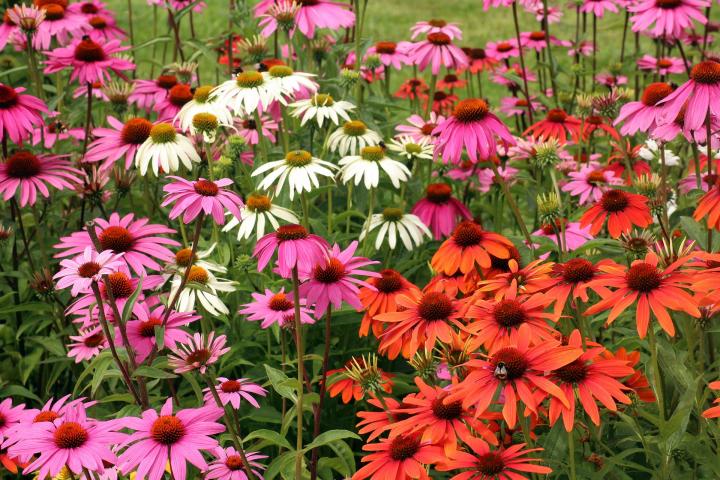

Echinacea, commonly known as coneflower, are generally not considered difficult to grow, but they do have specific requirements that need to be met for optimal growth. These perennial plants thrive in well-drained soil and require full sunlight to flourish. Here are some factors that contribute to the growing conditions and care of Echinacea.
Growing Conditions
Echinacea requires specific growing conditions to thrive effectively. They prefer well-drained, sandy or loamy soils that aren't overly rich in nutrients.
- Soil Type: Sandy or loamy soils are best as they allow proper drainage.
- pH Level: A slightly acidic to neutral pH (around 6.0 to 7.0) is ideal.
- Light Exposure: Full sun (at least 6 hours of direct sunlight) is necessary for healthy growth.
Watering Requirements
While Echinacea plants are relatively drought-tolerant once established, they require adequate watering during their initial growth stages to establish strong roots.
- Initial Watering: Regularly water young plants until established.
- Drought Tolerance: Once mature, they can survive on minimal water.
- Avoid Overwatering: Too much water can lead to root rot; ensure proper drainage.
Pest and Disease Resistance
Echinacea is noted for its resistance to pests and diseases, making them easier to maintain compared to other plants.
- Common Pests: They are not usually bothered by pests, but aphids or spider mites may occasionally appear.
- Disease Resistance: Generally resistant to most diseases, though fungal issues can occur in overly damp conditions.
- Natural Attractants: They attract beneficial insects that can help deter pests.
Propagation Methods
There are several effective methods for propagating Echinacea, each offering its unique benefits.
- Seed Sowing: Echinacea seeds can be sown directly in the garden in spring or started indoors beforehand.
- Division: Established clumps can be divided in early spring or fall to create new plants.
- Cuttings: Stem cuttings taken in late spring can also be rooted to produce new plants.
Maintenance and Care
Ongoing maintenance and care are essential for ensuring the longevity and health of Echinacea plants.
- Fertilization: Minimal fertilization is needed; too much can lead to weak plants.
- Deadheading: Regularly removing spent flowers encourages new blooms and prevents self-seeding.
- Winter Care: In cold climates, mulch may be necessary to protect the roots during winter.
Why is my Echinacea growing so slowly?

Echinacea, a popular herb known for its medicinal properties and vibrant flowers, can sometimes exhibit slow growth due to various factors. Understanding the underlying reasons for this sluggish development is crucial for ensuring healthy plant growth. Here are some potential reasons why your Echinacea might be growing slowly:
See also:
Environmental Conditions
The environmental conditions surrounding your Echinacea plant are essential for its growth. Various factors such as light, temperature, and humidity must be taken into consideration.
- Sunlight: Echinacea thrives in full sunlight. Ensure it receives at least 6 hours of direct sunlight daily.
- Temperature: Extreme temperatures can affect growth; Echinacea prefers moderate temperatures between 65°F and 80°F.
- Humidity: High humidity levels can promote fungal diseases, while too low can stress the plant. Aim for a balanced humidity level.
Soil Quality
The quality of the soil plays a vital role in the growth rates of Echinacea. Poor soil can hinder nutrient absorption and root development.
- Drainage: Echinacea requires well-drained soil to prevent root rot. Test your soil for drainage capabilities.
- Nutrient-Rich Soil: Ensure the soil is rich in organic matter. Amend poor soils with compost to enhance nutrient availability.
- pH Levels: Echinacea prefers slightly acidic to neutral soil (pH 6.0-7.0). Test your soil and adjust if necessary.
Watering Practices
Watering practices can significantly influence the growth of Echinacea. Both overwatering and underwatering can lead to slow growth.
- Frequency: Water your plants deeply but infrequently, allowing the top layer of soil to dry out between waterings.
- Water Quality: Ensure you use clean, freshwater. Contaminated water can affect plant health and growth.
- Observation: Look for signs of water stress, such as wilting or yellowing leaves, and adjust your watering habits accordingly.
Pests and Diseases
Pests and diseases can impede growth by causing stress to your Echinacea. Identifying any infestations early is crucial.
- Common Pests: Aphids and spider mites are common pests that can sap energy from the plant. Regularly inspect the leaves and stems.
- Signs of Disease: Look out for yellowing leaves, stunted growth, or spots, which can indicate fungal infections or other diseases.
- Management: Use organic pest control methods or introduce beneficial insects to help manage infestations while preserving plant health.
Planting Time and Techniques
The timing and techniques used for planting Echinacea can affect its growth rate. Proper planting methods are essential for robust development.
- Spring Planting: Echinacea should ideally be planted in spring after the last frost to ensure optimal growth conditions.
- Spacing: Provide adequate spacing between plants to ensure good airflow and reduce competition for nutrients.
- Starting from Seeds vs. Transplants: Seeds may take longer to germinate than transplants, so consider using starter plants for quicker growth.
Questions from Our Readers
Why does Echinacea require specific soil conditions?
Echinacea thrives best in well-drained, loamy soil with a neutral to slightly alkaline pH. Heavy, compacted soils can lead to root rot, making it crucial to ensure proper drainage and soil structure before planting this perennial.
What climate is ideal for growing Echinacea?
Echinacea prefers full sun and is typically suited for warm climates. Extreme humidity or cold temperatures can hinder its growth, which is why selecting a suitable climate that provides plenty of sunlight is essential for successful cultivation.
How does Echinacea's susceptibility to pests affect its growth?
Echinacea is prone to various pests and diseases such as aphids and powdery mildew, which can hinder its growth. Implementing preventive measures like proper spacing and good air circulation can help minimize these risks and promote healthier plants.
See also:
What role does germination play in growing Echinacea?
Echinacea seeds require stratification to germinate properly, meaning they need a period of cold treatment before planting. This process can take several weeks and is essential to ensure that the seeds are viable and ready to grow into strong, healthy plants.

If you want to read more articles like Why is Echinacea Hard to Grow? Discover Tips and Solutions for Successful Cultivation., we recommend you check out our Echinacea category.
Leave a Reply
Related Articles