How Close Together Can I Plant Echinacea? A Guide to Optimal Spacing for Healthy Growth
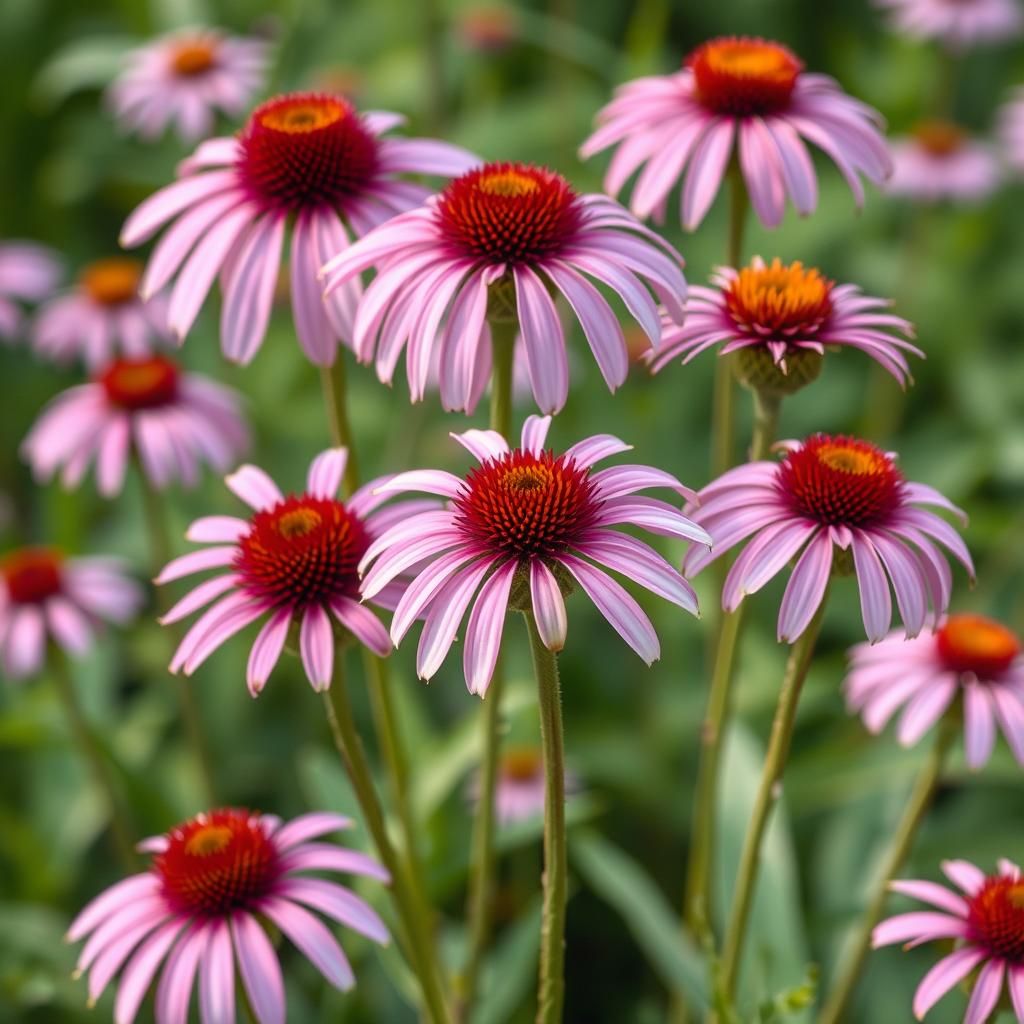
When planning a vibrant garden filled with echinacea, understanding the optimal spacing for these beautiful perennials is essential for their healthy growth. Echinacea, commonly known as coneflower, thrives in various conditions, but overcrowding can lead to poor air circulation, competition for nutrients, and increased susceptibility to pests and diseases. This guide will explore the factors influencing how close together you can plant echinacea, including soil quality, variety selection, and overall garden design. By following these guidelines, you'll ensure that your echinacea plants not only survive but flourish, providing a stunning display of color and attracting beneficial pollinators to your garden.
How Close Together Can I Plant Echinacea?
When planting Echinacea, also known as coneflower, it's crucial to provide adequate spacing to ensure healthy growth and development. Generally, you should plant Echinacea varieties about 18 to 24 inches apart. This distance allows for sufficient air circulation, which reduces the risk of fungal diseases, and gives the plants enough room to reach their full potential both in terms of height and bloom production. Additionally, the spacing encourages robust root development, enabling the plants to access nutrients and water effectively.
Benefits of Proper Spacing
Proper spacing when planting Echinacea promotes better air flow, which minimizes the risk of disease. It also allows each plant to receive ample sunlight, thus facilitating photosynthesis and enhancing flower production. Additionally, the right distance can prevent overcrowding, which can lead to competition for nutrients and water, ultimately resulting in healthier and more robust plants.
Factors to Consider When Spacing
When deciding how close together to plant Echinacea, consider factors like the variety of Echinacea you are planting, soil quality, and your local climate. Some varieties grow taller and wider than others, which may necessitate more space. The quality of your soil can also affect how much room plants need; nutrient-rich soils can support closer planting compared to poorer soils. Lastly, in warmer climates, plants may need extra spacing to avoid heat stress.
Adjusting Spacing for Companions
If you are planting Echinacea alongside other plants, it’s essential to consider the specific spacing requirements of those companion plants. Some plants may require more room due to their growth habits, while others can thrive in closer quarters. Aim for a compatible planting arrangement that promotes both the visual appeal of your garden and the overall health of each species.
Common Spacing Mistakes
A common mistake is planting Echinacea too closely together, which can lead to disease and poor growth. Overcrowding can cause plants to compete for light, water, and nutrients, potentially resulting in smaller flowers and weaker plants. Additionally, neglecting to account for the mature size of the varieties can lead to unintentional shade cast over less aggressive neighbors, further complicating growth.
Visual Guide for Spacing
To visualize the proper spacing for your Echinacea plants, refer to the table below, which outlines common varieties and their recommended spacing:
| Variety | Recommended Spacing (inches) |
|---|---|
| Echinacea purpurea | 18-24 |
| Echinacea angustifolia | 12-18 |
| Echinacea tennesseensis | 18-24 |
| Echinacea pallida | 18-24 |
| Echinacea 'Magnus' | 18-24 |
How far apart to space Echinacea?


Echinacea, commonly known for its medicinal properties, requires careful consideration when it comes to spacing. Proper spacing is essential for ensuring optimal growth, air circulation, and preventing disease. Generally, it is recommended to space Echinacea plants 24 to 36 inches apart. This spacing allows the plants enough room to grow freely while minimizing competition for nutrients and sunlight.
Recommended Spacing for Different Echinacea Varieties
When determining how far to space Echinacea, it’s important to consider the specific variety you are planting. Different Echinacea species can vary significantly in size and growth habit. For example:
- Echinacea purpurea: Typically requires 24 to 36 inches apart.
- Echinacea angustifolia: Usually needs slightly more space, about 30 to 36 inches apart.
- Echinacea tennesseensis: Can be spaced closer, around 24 inches apart, due to its smaller stature.
Importance of Proper Spacing
Proper spacing is crucial for the health and vitality of Echinacea plants. Here are a few reasons why correct spacing is important:
- Air Circulation: Adequate space allows for better airflow, reducing the risk of fungal diseases.
- Sunlight Exposure: Each plant can receive sufficient sunlight, which is vital for photosynthesis.
- Root Growth: Prevents root crowding, enabling each plant to develop a robust root system.
Effects of Crowding Echinacea
If Echinacea plants are spaced too closely together, several negative effects can arise:
- Increased Competition: Plants compete for nutrients, leading to stunted growth and lower yields.
- Higher Disease Incidence: Reduced airflow contributes to a greater likelihood of fungal and bacterial infections.
- Reduced Flower Production: Crowded conditions can hinder blooming, affecting both aesthetics and herbal benefits.
Best Practices for Planting Echinacea
To ensure successful growth, consider the following best practices for planting Echinacea:
- Soil Preparation: Ensure well-draining soil with sufficient organic matter to promote healthy root development.
- Timing: Plant Echinacea in spring or early fall for optimal growth conditions.
- Watering: Water consistently after planting, but avoid overwatering to prevent root rot.
Impact of Environment on Spacing
The environment in which Echinacea is planted affects how far apart they should be spaced. Consider the following environmental factors:
- Climate: Warmer, humid regions may require increased spacing to improve airflow.
- Soil Fertility: Richer soils can lead to faster growth, necessitating wider spacing.
- Sun Exposure: Areas with partial shade may allow for closer spacing without detriment to plant health.
Does Echinacea spread quickly?
Echinacea is known for its medicinal properties and is widely used as an herbal supplement. When it comes to its growth and spread, several factors influence how quickly Echinacea can proliferate in a given environment.
See also:
Growth Characteristics of Echinacea
Echinacea plants, particularly Echinacea purpurea, are perennial herbs that can thrive in various conditions. Their growth habits are influenced by environmental factors such as soil type, moisture levels, and light exposure. The main characteristics that contribute to their spread include:
- Root System: Echinacea develops a robust taproot system, allowing it to access nutrients and water deep in the soil.
- Seed Production: The plants produce numerous seeds which can spread through wind and animals, aiding in new plant establishment.
- Clump Formation: Echinacea can form clumps as they grow, allowing them to cover more ground over time.
Factors Influencing Spread Rate
The rate at which Echinacea spreads can depend significantly on its environment and care. Here are some important factors:
- Soil Quality: Well-drained, nutrient-rich soil will support quicker growth and spread.
- Watering Practices: Adequate watering during the growing season promotes healthy growth and rapid spread.
- Competition with Other Plants: Echinacea may struggle to spread in environments where aggressive weeds are present, limiting its growth.
Propagation Methods
Echinacea can spread through several propagation methods, each affecting how quickly the plant can establish itself in new areas:
- Seed Sowing: Directly sowing seeds in the garden can lead to self-seeding, which facilitates natural spread.
- Division of Plants: Clumps can be divided and replanted, allowing quick establishment in multiple locations.
- Transplanting: Moving existing Echinacea plants to new areas can accelerate the spread in favorable conditions.
Suitable Growing Conditions
To encourage rapid spread, it's essential to create the right growing conditions for Echinacea. Key elements include:
- Sunlight Exposure: Echinacea thrives in full sun, needing at least 6 hours of direct sunlight daily.
- Moisture Levels: While Echinacea is drought-tolerant, consistent moisture during dry periods will enhance growth.
- pH Levels: A slightly acidic to neutral pH (6.0 to 7.0) is optimal for healthy growth.
Maintenance for Optimal Spread
Proper maintenance can greatly affect how quickly Echinacea spreads within a garden or natural setting. Important maintenance practices include:
- Regular Weeding: Keeping the area around Echinacea free from weeds helps reduce competition for resources.
- Mulching: A layer of mulch retains moisture and suppresses weed growth, promoting better spread.
- Fertilization: Applying a balanced fertilizer can enhance growth, leading to quicker spread and larger clumps.
Questions from Our Readers
How close together can I plant Echinacea?
Planting Echinacea, or coneflowers, typically requires a spacing of 12 to 18 inches apart. This distance allows for adequate air circulation and sunlight exposure, which are crucial for healthy growth. If planted too closely, the plants may compete for resources and become more susceptible to diseases.
Can I plant Echinacea any closer than 12 inches?
While it is possible to plant Echinacea closer than 12 inches, it is not recommended, as this can lead to reduced growth vigor and increased pest problems. Maintaining the ideal spacing will encourage a stronger root system and better flowering.
What happens if I plant Echinacea too closely?
If Echinacea is planted too closely, you may experience issues such as stunted growth, limited flower production, and a higher risk of fungal infections due to lack of airflow. Spacing them properly helps ensure each plant can thrive.
See also:
Is it better to plant Echinacea in clusters or individually?
Planting Echinacea in clusters of three to five plants can create a more visually appealing look and provide a fuller appearance. However, even in clusters, it's important to maintain a spacing of at least 12 inches between each plant to promote healthy growth and prevent overcrowding.

If you want to read more articles like How Close Together Can I Plant Echinacea? A Guide to Optimal Spacing for Healthy Growth, we recommend you check out our Echinacea category.
Leave a Reply
Related Articles