What Month is Best to Plant Coneflowers? A Complete Guide for Gardeners
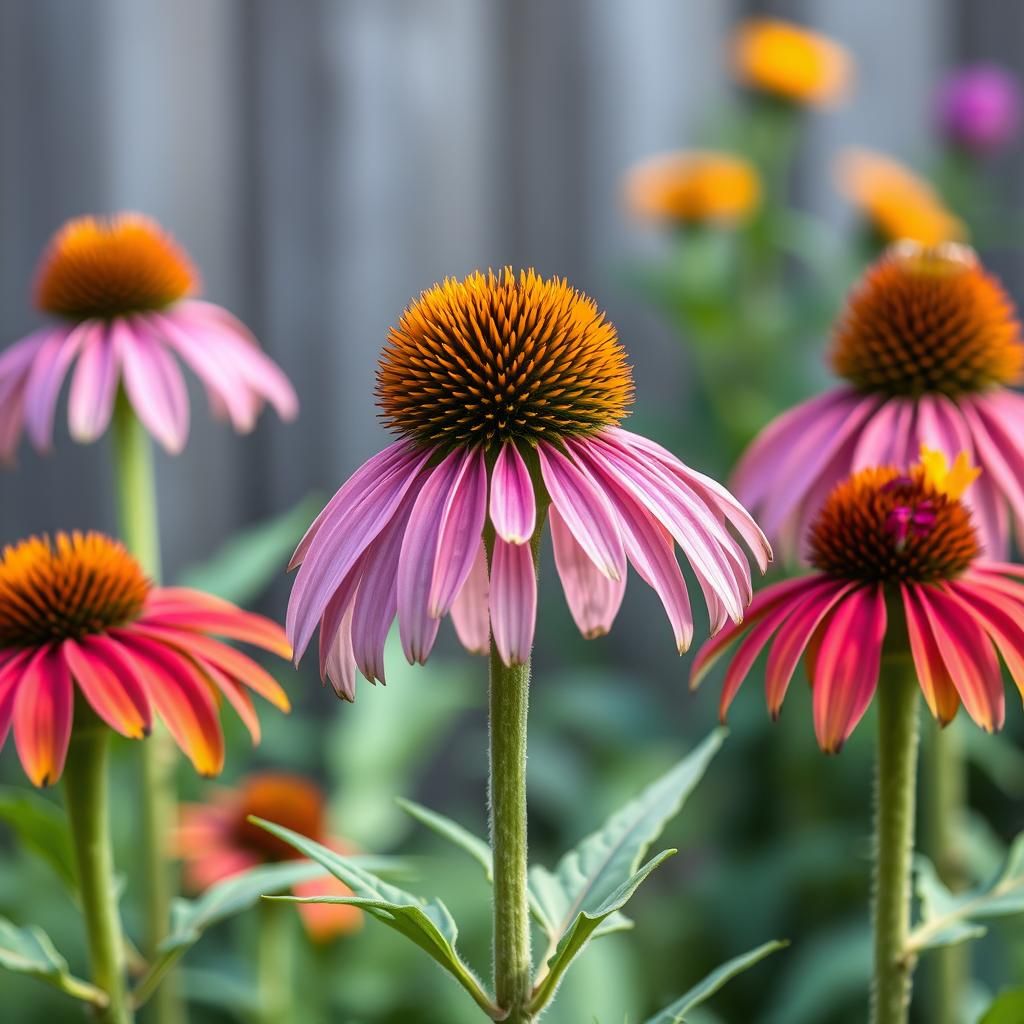
Coneflowers, known for their vibrant colors and resilience, are a favorite among gardeners seeking to enhance their landscapes. However, timing is crucial when it comes to planting these beautiful perennials. Understanding the best month to sow coneflower seeds or transplant seedlings can significantly impact their growth and blooming potential. This complete guide will explore the optimal planting times, taking into account factors such as climate, soil conditions, and local weather patterns. Whether you're a seasoned gardener or a novice enthusiast, this article aims to equip you with essential knowledge to ensure a flourishing coneflower display in your garden.
When is the Optimal Month to Plant Coneflowers?
Planting coneflowers (Echinacea) is best done in late spring to early summer, typically in the months of May and June. This timing allows the plants to establish strong roots before the hot summer months, ensuring better growth and flowering. Coneflowers thrive in well-drained soil and need plenty of sunlight, making these months ideal for planting. Not only do they benefit from the consistency of warm temperatures, but the risk of frost has generally passed, further enhancing their chances of survival and early blossoming.
Benefits of Planting in May
Planting coneflowers in May allows the plants ample time to establish roots in optimal conditions. The soil is usually warm enough by this time, which promotes quick germination. Additionally, May often brings regular rainfall, reducing the need for supplemental watering. Enjoying the longer days and warmer temperatures of late spring facilitates a strong start for these resilient flowers, resulting in a vibrant show of blooms by late summer.
Advantages of Planting in June
June is another excellent month for planting coneflowers as the soil remains warm and the risk of frost is minimal. By planting in June, gardeners can take advantage of the end of spring evening temperatures, perfect for nurturing young plants. Furthermore, June often features a stable weather pattern, leading to improved moisture retention in the soil, thus supporting the growth of robust, healthy coneflowers ready to bloom in the following months.
Understanding Frost Dates
Knowing the average last frost dates in your area is critical when planning to plant coneflowers. Late spring typically sees the departure of frost, making it safer to plant. Depending on your location, this date can vary significantly but is generally between mid-April and late May in many regions. Planting too early, before the last frost, can hamper your plants' development, so be sure to check your local frost calendar to ensure that you plant at the right time.
Soil Temperature Considerations
The soil temperature plays a significant role when planting coneflowers. Ideally, the soil should be at least 65°F (18°C) for optimal seed germination and root development. Planting when the soil temperature is sufficiently warm helps ensure a vigorous start. Gardeners often utilize soil thermometers to measure the temperature accurately, promoting the best conditions for the coneflowers to thrive.
Watering Needs After Planting
After planting coneflowers in May or June, it’s essential to monitor their watering needs. While these flowers are drought-tolerant once established, young plants require consistent moisture to help them root deeply. Initial watering should be more frequent, especially during dry spells, to ensure the plants do not suffer from stress. Overwatering, however, should be avoided, as this can lead to root rot. A balanced approach will lead to thriving coneflower plants.
| Month | Ideal Conditions | Frost Risk |
|---|---|---|
| May | Warm soil, potential rain | Minimal |
| June | Consistent temperatures | Low |
How late can you plant coneflowers?
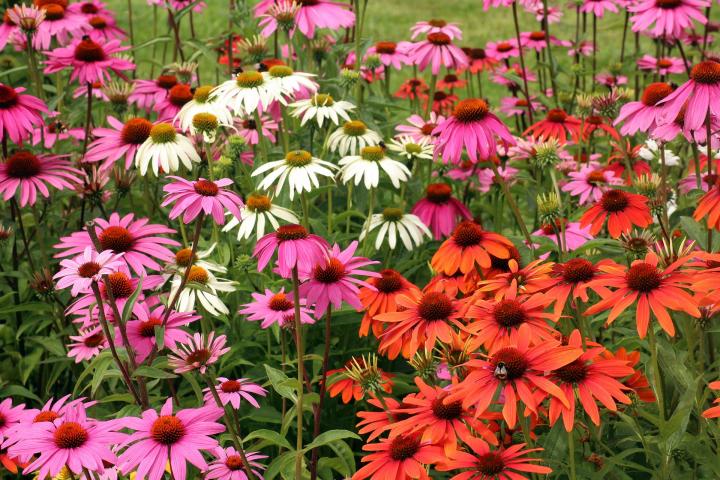

To determine how late you can plant coneflowers (Echinacea spp.), it's important to consider the climate and specific growing conditions in your area. Generally, the latest time to plant coneflowers is in late summer to early fall, typically from mid-August to early September. However, exact timing may vary based on regional factors, including frost dates and soil temperatures.
Understanding Coneflowers' Growth Cycle
Coneflowers have a perennial growth cycle, which means they grow back year after year. Planting them too late in the season can hinder their establishment before winter cold sets in. Here are key points to consider:
- Germination and establishment: Coneflowers need time to establish their root systems before the onset of winter.
- Flowering for the following year: Later planting can affect their blooming cycle, pushing blooms to the following year instead of the current season.
- Soil temperature: Coneflowers require warm soil for effective germination, typically above 65°F (18°C).
Best Planting Time for Coneflowers
The optimal planting time for coneflowers is in the spring or very early summer. This timing gives the plants ample opportunity to grow and thrive. Here are some reasons spring is the preferred time:
- Ideal growing conditions: Spring provides the necessary warmth and moisture for successful planting.
- Longer growing season: Plants have more time to mature before winter arrives.
- Better establishment: Early planting ensures healthier and stronger plants, resulting in prolific blooming the following year.
Impact of Region on Planting Times
Different regions have varying climates, which can significantly impact when you can legitimately plant coneflowers. Factors to consider include:
- Regional frost dates: Knowledge of your local first frost date can help you determine the safety of late planting.
- USDA hardiness zones: These zones help assess the best planting times based on climate adaptability.
- Soil conditions: Moisture and temperature variations in different regions can influence planting success.
Aftercare Following Late Planting
If you choose to plant coneflowers later in the season, special aftercare becomes crucial. Here are essential tips:
- Watering regimen: Ensure consistent watering to promote root establishment before winter.
- Mulching: Applying mulch can help retain moisture and protect roots from extreme temperatures.
- Fertilization: Avoid vigorous fertilization late in the season to prevent stimulating new growth that may not survive winter.
Consequences of Late Planting
Planting coneflowers too late can lead to several adverse effects that may compromise their health and blooming potential. Consider the following outcomes:
- Reduced flowering: The likelihood of blooms in the current season diminishes significantly.
- Weak plant structure: Inadequate root establishment leads to weaker plant health and susceptibility to disease.
- Winter kill: Young plants may not survive harsh winters if not adequately established.
Can I just scatter coneflower seeds?

Yes, you can scatter coneflower seeds, but there are several important considerations to ensure successful germination and growth. Coneflowers, or echinacea, are hardy perennials that thrive in a variety of conditions. However, scattering the seeds randomly won't guarantee optimal results. Here's a more detailed look at what you should keep in mind when scattering coneflower seeds.
See also:
Understanding Coneflower Seeds
Coneflower seeds are known for their hardiness and can be collected from existing plants. However, it's important to understand that the seeds may require some special treatment before sowing.
- Seed Type: Ensure you are using viable seeds that are mature and harvested at the correct time.
- Stratification: Some seeds benefit from a cold stratification process that mimics winter conditions, promoting better germination rates.
- Purity: Consider the variety of coneflower; some are hybrids and may not produce true offspring.
Best Time to Scatter Seeds
Timing is crucial when scattering coneflower seeds. The best time to sow these seeds typically depends on your local climate.
- Fall Sowing: Scattering seeds in the fall can utilize natural winter conditions for stratification.
- Spring Sowing: In warmer climates, spring sowing after the last frost may also be successful.
- Temperature: Ideal soil temperature for germination is around 65-70°F (18-21°C).
Site Preparation
Before scattering seeds, preparing the site properly can enhance your chances for success.
- Soil Quality: Ensure the soil is well-draining and rich in organic matter.
- Sunlight: Coneflowers thrive in full sun, so select an area with at least 6 hours of direct sunlight.
- Weed Control: Remove any existing weeds that may compete with the young coneflower plants for nutrients and sunlight.
Watering and Maintenance
After scattering the seeds, proper care is vital for their development.
- Light Watering: Keep the soil moist but not soggy, especially during initial germination.
- Avoid Overhead Watering: It's best to water at the base to prevent fungal diseases.
- Fertilization: Fertilize sparingly, as over-fertilization can lead to excessive leaf growth instead of blooms.
Dealing with Pests and Diseases
Like all plants, coneflowers may face threats from pests and diseases.
- Pests: Monitor for common pests such as aphids and caterpillars, which can damage the plants.
- Diseases: Be aware of potential fungal infections; maintaining adequate air circulation can help.
- Natural Predators: Encourage beneficial insects such as ladybugs to keep pest populations in check.
Questions from Our Readers
What month is best to plant coneflowers?
The best month to plant coneflowers is typically in spring, after the last frost, which usually occurs between March and May, depending on your location. This timing allows the plants to establish roots before the heat of summer sets in.
Can I plant coneflowers in the fall?
Yes, you can plant coneflowers in the fall, ideally about six weeks before the first expected frost. This allows the plants to develop their root systems before winter, but there is a risk that they may not thrive as well as those planted in spring.
How should I prepare the soil before planting coneflowers?
Before planting coneflowers, it's essential to prepare the soil by ensuring it's well-draining and enriched with organic matter. A pH level between 6.0 and 7.0 is ideal for optimal growth, so testing the soil can help you make necessary adjustments.
See also:
Do coneflowers require full sun?
Yes, coneflowers thrive in full sun, meaning they need at least six hours of sunlight each day. This exposure not only promotes healthy growth but also enhances their vibrant color and overall vitality.

If you want to read more articles like What Month is Best to Plant Coneflowers? A Complete Guide for Gardeners, we recommend you check out our Flowers category.
Leave a Reply
Related Articles