Can Echinacea Grow in Poor Soil? Key Insights for Thriving Growth

Echinacea, known for its medicinal properties and vibrant flowers, is a resilient plant often associated with wellness and natural remedies. One intriguing question gardeners and herbal enthusiasts may ponder is whether this hardy perennial can thrive in poor soil conditions. Understanding the growth requirements of Echinacea is essential for successful cultivation, especially in less-than-ideal environments. This article delves into key insights regarding the plant’s adaptability, soil preferences, and practical tips to ensure robust growth, even in challenging conditions. By exploring the factors that contribute to Echinacea's success, gardeners can enhance their knowledge and improve their planting strategies.
Can Echinacea Thrive in Poor Soil Conditions?
Echinacea, commonly known as coneflower, is remarkably resilient and can indeed grow in poor soil conditions. This hardy perennial is well adapted to a variety of soil types, including sandy and rocky soils with low nutrient content. While Echinacea prefers well-drained soil and moderate fertility, it has developed traits that enable it to survive and even flourish in less-than-ideal environments. The plant's deep root system allows it to access moisture and nutrients deeper in the soil, giving it an advantage in arid conditions typical of poorer soils. Furthermore, Echinacea's adaptability makes it an excellent choice for gardeners looking to beautify challenging landscape areas with minimal maintenance.
Adaptability of Echinacea
Echinacea exhibits a high level of adaptability, which enables it to thrive in various environmental conditions. This means that even when faced with poor soil quality, Echinacea can adjust its growth patterns and resource utilization to survive. The ability to tolerate drought and low nutrient availability contributes to the species' success in diverse habitats.
Soil Type Considerations
While Echinacea can grow in poor soil, certain types of soil can influence its performance. Sandy and loamy soils are often more favorable than clay due to their better drainage and lower compaction. However, even in less fertile soils, Echinacea can establish itself by developing a strong root system that seeks out moisture and nutrients remotely, allowing the plant to become established despite initial soil limitations.
Impact of Nutrient Levels
Low levels of essential nutrients can affect the overall health and flower production of Echinacea. Although these plants can tolerate nutrient-poor conditions, supplementing the soil with organic matter such as compost can result in better flowering and growth. Echinacea does not require excessive amounts of fertilizer, but a bit of nutrition can promote vibrant blooms and a more robust plant structure.
Water Requirements
Echinacea is generally drought-tolerant, making it suitable for dry regions where soil quality may be limited. The plant’s ability to conserve water through deep root systems allows it to endure periods of low moisture, which often coincide with poorer soil conditions. Therefore, understanding the watering needs of Echinacea is key to its successful cultivation, regardless of soil quality.
Maintenance in Poor Soil
Growing Echinacea in poor soil requires minimal maintenance, making it a favorite among gardeners seeking low-care options. While these plants are relatively hardy, occasional care such as weeding and mulching can help suppress competition and retain moisture in the soil. Stressing less over fertilization allows gardeners to focus on other aspects like pest management and overall plant health.
| Soil Type | Nutrient Level | Drought Tolerance | Maintenance | Root Depth |
|---|---|---|---|---|
| Sandy | Low | High | Minimal | Deep |
| Clay | Variable | Moderate | Moderate | Moderate |
| Loamy | Balanced | High | Minimal | Deep |
What kind of soil does Echinacea need?
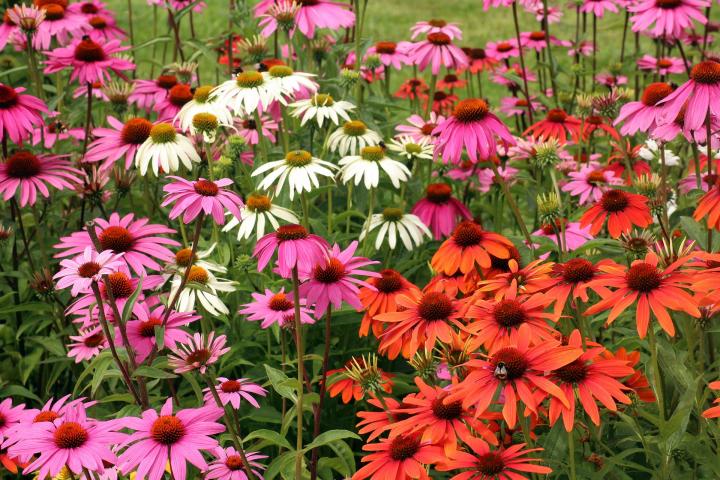

Echinacea, commonly known as coneflower, thrives best in specific soil types that support its growth and development. The ideal soil for Echinacea has several key characteristics that must be met for the plant to flourish.
Soil Type
Echinacea prefers well-drained soil that allows excess water to escape, preventing root rot. The best soil types for Echinacea include:
- Loamy Soil: A mixture of sand, silt, and clay that provides good drainage and nutrient retention.
- Sandy Soil: Allows for excellent drainage and is often low in nutrients, so supplementation is usually necessary.
- Clay Soil: While it can retain moisture, it often drains poorly; amendments may be needed to improve drainage.
Soil pH
The ideal pH level for Echinacea ranges from 6.0 to 7.0, which is slightly acidic to neutral. This range supports optimal nutrient availability, which is crucial for healthy growth. Maintaining the right pH can be done by:
- Testing the Soil: Conduct regular soil tests to monitor pH levels.
- Using Amendments: Incorporate lime to raise pH or sulfur to lower pH according to test results.
- Organic Matter: Adding compost can help buffer pH levels and improve soil quality.
Nutrient Requirements
Echinacea benefits from nutrient-rich soil, particularly during its growing season. Here are some considerations for soil nutrients:
- Organic Matter: Incorporating compost and well-rotted manure can enhance soil fertility.
- Fertilization: Applying a balanced fertilizer in moderate amounts can support growth without overwhelming the plant.
- Regular Monitoring: Check nutrient levels periodically to ensure Echinacea receives essential nutrients like nitrogen, phosphorus, and potassium.
Moisture Requirements
Echinacea thrives in soil that maintains a moderate moisture level. It does not tolerate soggy conditions but also requires adequate moisture for healthy growth. Key practices include:
- Watering Wisely: Water the plants deeply but infrequently to encourage deep root growth.
- Mulching: Apply mulch to retain moisture and regulate soil temperature.
- Drainage Solutions: Ensure proper drainage in planting beds, especially in areas prone to water accumulation.
Soil Amendments
Improving soil structure and quality is essential for Echinacea. The use of certain soil amendments can create the ideal conditions for growth:
- Compost: Enriches the soil with nutrients and improves drainage.
- Pearlite: Enhances aeration and drainage, particularly in heavier soils.
- Bone Meal: Provides phosphorus that supports root development and flowering.
Why can't I grow Echinacea?

Echinacea, commonly known as coneflower, is a popular flowering plant cherished for its beauty and medicinal properties. However, some gardeners may find it challenging to grow. Here are several reasons why that might be the case.
See also:
Soil Conditions
The quality of the soil is crucial for the growth of Echinacea. These plants prefer well-drained, sandy or loamy soils with a slightly acidic to neutral pH. If the soil is too heavy or clay-like, it can lead to poor drainage, which may cause root rot and hinder growth.
- Ensure that the soil is well-draining to prevent water accumulation.
- Conduct a soil test to check for pH levels and nutrient content.
- Amend the soil with sand or compost to improve texture.
Climate Requirements
Echinacea thrives in full sunlight and can endure drought conditions. If your climate is too humid or experiences extreme heat, it can adversely affect the plant’s growth. Additionally, cold, wet winters can lead to root issues.
- Plant Echinacea in an area that receives at least 6 hours of direct sunlight daily.
- Provide some protection from extreme weather conditions, like frost or heavy rains.
- Consider hardiness zones before planting, as these plants prefer zones 3-9.
Pest and Disease Issues
Echinacea is generally resistant to many pests and diseases, but it can be susceptible to certain fungal infections and pests if they occur in the garden. Aphids, for example, can weaken the plant, while diseases such as powdery mildew can affect leaves.
- Regularly inspect plants for signs of pest infestations or disease.
- Use organic pesticides or fungicides as needed to protect your plants.
- Practice crop rotation and proper spacing to prevent disease spread.
Watering Practices
Improper watering can also lead to poor growth of Echinacea. While they are drought-resistant, young plants or inconsistent watering can stress the plant. Too much water leads to waterlogged soil, while too little can cause dehydration.
- Water deeply but infrequently to encourage deep root growth.
- Adjust watering schedules based on seasonal weather changes.
- Mulch around the base to help retain soil moisture and regulate temperature.
Proper Planting Techniques
The way Echinacea is planted significantly influences its growth. Overcrowded plants or improper depth can hinder development. It's vital to follow specific guidelines to ensure healthy growth.
- Space plants at least 2 to 3 feet apart to allow for airflow and growth.
- Plant at the recommended depth—generally, the root crown should be at soil level.
- Avoid planting in areas with previous plant debris to prevent disease transmission.
Questions from Our Readers
Can Echinacea thrive in poor soil conditions?
Yes, Echinacea has a remarkable ability to grow in poor soil conditions. While it prefers well-drained, fertile soils, this resilient plant can tolerate less than ideal circumstances, making it suitable for gardeners with varied soil types.
What soil characteristics are best for Echinacea?
The best soil for Echinacea is well-drained and somewhat sandy or loamy. While it can survive in poor soil, providing good drainage and some organic matter can significantly enhance its growth and overall health.
How does poor soil affect Echinacea's growth?
In poor soil, Echinacea may exhibit slower growth and smaller flowers, but it can still survive. The plant has adapted to thrive under a range of conditions, although its vigor and flowering might be compromised without proper nutrients.
See also:
Should I amend poor soil before planting Echinacea?
Amending poor soil with organic matter such as compost can greatly benefit Echinacea. While it can grow in poor conditions, improving soil quality with amendments can lead to healthier plants and more robust flower production.

If you want to read more articles like Can Echinacea Grow in Poor Soil? Key Insights for Thriving Growth, we recommend you check out our Echinacea category.
Leave a Reply
Related Articles