Should I Deadhead Coneflowers? Discover the Benefits and Best Practices
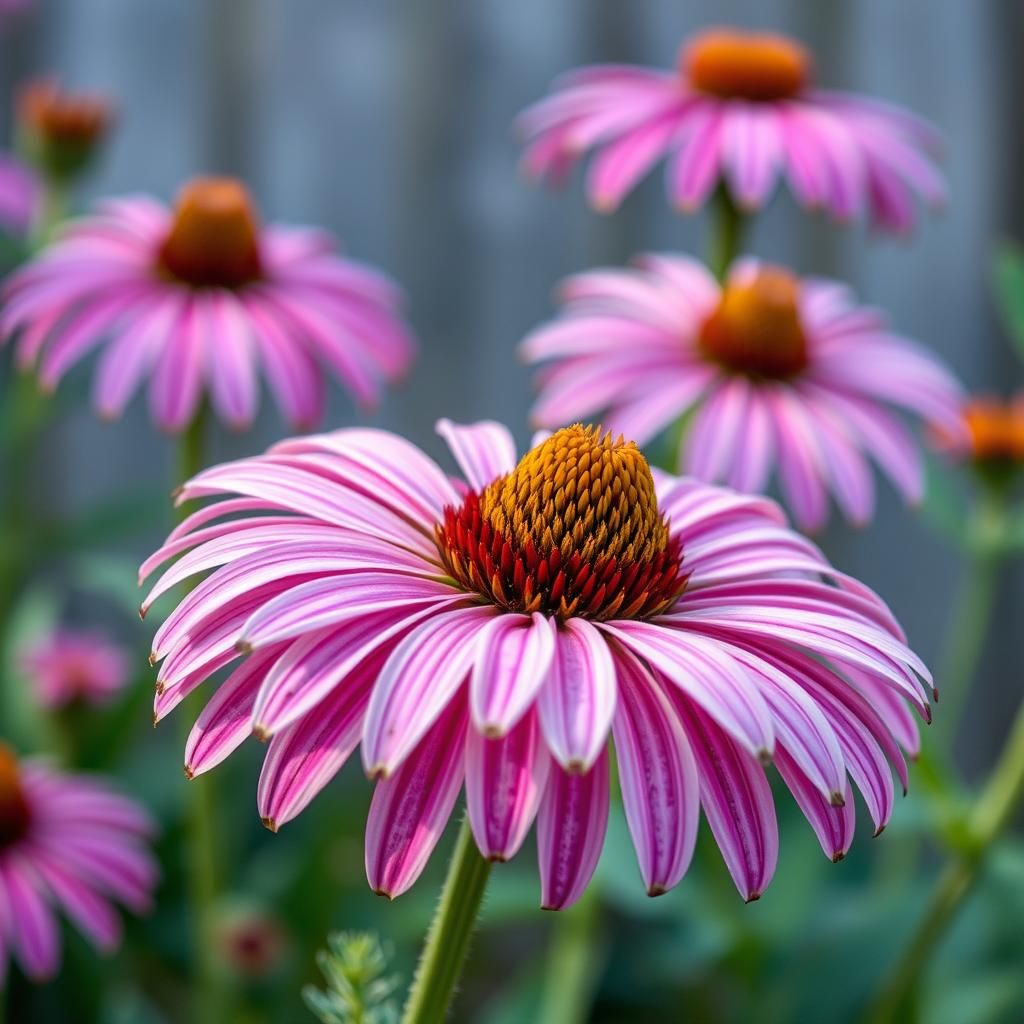
Deadheading is a gardening technique that involves removing spent flowers from plants, and coneflowers are no exception. Many gardeners wonder whether deadheading these vibrant perennials is necessary or beneficial. In this article, we will explore the advantages of deadheading coneflowers, including promoting new blooms, enhancing the plant's overall appearance, and encouraging healthy growth. Additionally, we will provide best practices for effectively deadheading your coneflowers to ensure they thrive throughout the growing season. By understanding the importance of this simple gardening task, you can enhance the beauty of your garden and enjoy a more prolific display of coneflower blooms.
Should I Deadhead Coneflowers?
Deadheading coneflowers is an essential gardening practice that can significantly enhance their overall growth and blooming potential. By removing spent flowers, you not only maintain the aesthetic appeal of your garden but also encourage the plants to produce new blooms more vigorously throughout the growing season. In addition, deadheading can help direct the plant's energy away from seed production, allowing for healthier roots and foliage. Regularly checking your coneflower plants and practicing deadheading can create a vibrant garden display, prolong the blooming period, and potentially attract more pollinators to your landscape.
What is Deadheading?
Deadheading is the practice of removing faded or spent flowers from a plant to promote further blooming and maintain a tidy appearance. This technique can be particularly beneficial for plants like coneflowers, which may become bushy and less attractive if old blooms are left to go to seed. By cutting back the stem just above the first set of healthy leaves, gardeners can encourage the plant to focus its energy on producing new blooms rather than developing seeds.
Benefits of Deadheading Coneflowers
The main benefits of deadheading coneflowers include an extended blooming season and improved plant health. When spent flowers are removed, the plant can redirect its energy into producing fresh blooms, resulting in a longer display of color. Additionally, deadheading can reduce the risk of disease by eliminating decaying matter that can attract pests. Healthy coneflowers, in return, can offer more pollen and nectar, making them valuable for pollinators in the garden.
When to Deadhead Coneflowers
Timing is crucial for effective deadheading of coneflowers. As a general rule, it's best to deadhead coneflowers throughout the blooming season whenever you notice wilted or faded blooms, particularly during the peak summer months. Regular checks every week or two can help keep the plants looking their best and ensure they continue to bloom abundantly. If you wait too long, the plant may begin to focus on seed production, which can limit overall flowering.
How to Deadhead Coneflowers Effectively
To deadhead coneflowers effectively, use clean, sharp scissors or pruning shears to cut just above the first set of healthy leaves or new buds. Make sure to remove the entire flower head to prevent any potential disease or decay from affecting the remaining part of the plant. It's essential to avoid damaging the stem or leaves, as this can stress the plant and hinder its growth. Deadheading should be done carefully and with consistent frequency to achieve the best results for future blooms.
Can Deadheading Impact Seed Production?
Yes, deadheading can significantly impact seed production in coneflowers. By removing old flowers before they go to seed, you essentially prevent the plant from using its resources to produce seeds, thus encouraging it to invest in producing more flowers. This practice can be particularly advantageous for gardeners looking to keep their coneflower display vibrant and colorful throughout the summer months. However, if you want to save seeds for future plantings, it’s wise to leave some flowers intact to allow for natural seed development.
| Task | Frequency | Best Time | Tools Needed |
|---|---|---|---|
| Deadhead Flowers | Every 1-2 weeks | Throughout Blooming Season | Pruning Shears/Scissors |
How do you keep coneflowers from getting leggy?

To keep coneflowers (Echinacea) from getting leggy, several gardening practices can be employed. Legginess in plants typically occurs due to inadequate light, nutrient issues, or improper care. Here are some strategies to maintain a healthy and bushy growth habit in your coneflowers:
Light Requirements
Coneflowers thrive in full sun, which means they need at least six hours of sunlight per day. When they do not receive enough light, they tend to stretch and grow taller in search of it, leading to a leggy appearance.
See also:
- Position your coneflowers in a location with adequate sunlight exposure.
- Remove any nearby plants or structures that may create shadows.
- Consider using reflective surfaces to increase light availability.
Proper Watering Techniques
Overwatering or underwatering can contribute to poor growth and legginess. Coneflowers prefer well-drained soil and can develop leggy growth if their roots are waterlogged or if they are too stressed from drought.
- Water coneflowers deeply but less frequently to promote deep root systems.
- Ensure that the soil allows for good drainage to prevent root rot.
- Monitor weather conditions and adjust watering routines accordingly.
Nutrient Management
The nutritional needs of coneflowers can greatly influence their growth patterns. Fertilizing correctly helps to strengthen the plant and can prevent leggy growth.
- Use a balanced, slow-release fertilizer in spring when new growth begins.
- Avoid over-fertilizing, which can lead to excessively lush foliage at the expense of flowers.
- Incorporate organic matter like compost to improve soil health.
Pinching Back and Pruning
Regular pruning or pinching back coneflowers encourages bushier growth. By removing the tips of the plants, you can stimulate lateral branching rather than upward expansion.
- Pinch back the stems when they reach about 6-12 inches tall, usually in late spring.
- Deadhead spent flowers throughout the blooming season to enhance vigor and prolong the flowering period.
- Remove any damaged or dead foliage to maintain plant health.
Selecting the Right Varieties
Some coneflower varieties are generally sturdier and less prone to legginess. Choosing the right type can make a significant difference in your garden.
- Research different varieties of coneflowers to find those with a compact growth habit.
- Look for cultivars bred specifically for height control or strong stems.
- Consider sourcing plants from reputable nurseries that provide healthy specimens.
Do coneflowers only bloom once?
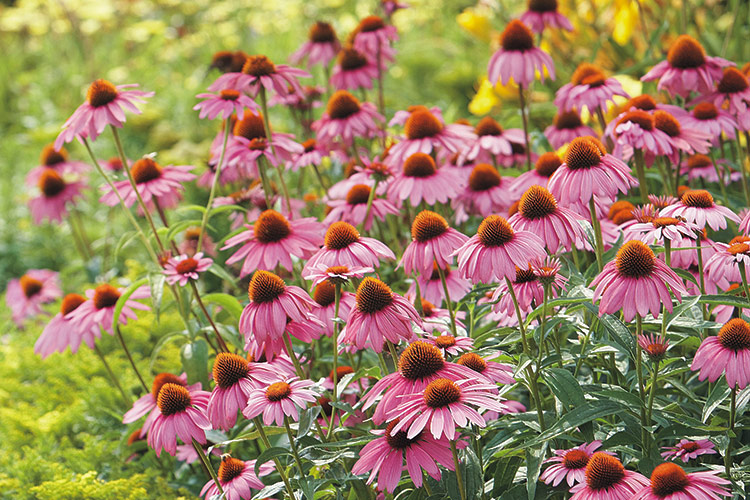
Coneflowers, known scientifically as Echinacea, are perennials that can bloom multiple times throughout their growing season. However, whether they bloom only once or produce flowers continuously can depend on various factors, including the specific variety, environmental conditions, and care practices.
Life Cycle of Coneflowers
The life cycle of coneflowers includes several phases, and they can bloom more than once in a single season. Here’s a breakdown of their life cycle:
- Germination: Coneflower seeds germinate in spring, leading to new plant growth.
- Growth: The plants develop stems and leaves, and within a few months, flower buds begin to form.
- Blooming: Initial flowers bloom in mid-summer. If conditions are right, new flowers will continue to form.
Factors Affecting Blooming Frequency
Several key factors can influence the blooming frequency of coneflowers:
- Climate: Coneflowers thrive in full sun and well-drained soil, which promotes flowering.
- Watering: Proper watering can stress or encourage blooming; too much or too little can affect overall health.
- Fertilization: Regular, balanced fertilization can enhance growth and lead to more blooms.
Types of Coneflowers
Different types of coneflowers exhibit varying blooming patterns:
- Purple Coneflower: This is the most well-known variety and can rebloom throughout the summer.
- White Coneflower: Often less prolific than the purple variants, it still can produce multiple blooms.
- Hybrid Varieties: Hybrids are often bred for extended blooming and may offer continuous flowers.
Deadheading Techniques
Deadheading is a process that can encourage more blooms in coneflowers:
See also:
- Timing: Removing spent flowers right after they fade can promote the formation of new buds.
- Method: Use scissors or pruners to cut stems just above the next set of leaves.
- Caution: Avoid cutting too much foliage, as this can hinder the plant's overall health.
Environmental Conditions
The environment plays a crucial role in determining how often coneflowers bloom:
- Soil Quality: Nutrient-rich, well-drained soil supports healthier plants and more prolific blooming.
- Sunlight: Coneflowers prefer full sun for at least 6 hours a day to maximize blooming potential.
- Temperature: Moderate temperatures during the blooming season lead to increased flower production.
How to get coneflowers to bloom all summer?

To ensure that your coneflowers bloom all summer, it is essential to provide them with optimal care and maintenance. These vibrant perennials, known scientifically as Echinacea, are hardy plants that can thrive in a variety of conditions but require specific attention to flourish continuously throughout the summer season.
Watering Techniques
Proper watering is crucial for the health and blooming of coneflowers. While these plants are drought-tolerant, consistent moisture will promote better blooms.
- Soil moisture: Ensure that the soil remains moderately moist but not waterlogged. Check the soil with your finger; if it feels dry an inch below the surface, it’s time to water.
- Watering schedule: Water during the early morning hours to reduce evaporation and fungal diseases. Aim to water deeply once a week.
- Mulching: Apply a layer of organic mulch around the base of the plants to retain moisture and regulate soil temperature.
Fertilization Practices
To promote lush blooms, it’s vital to provide adequate nutrients to coneflowers. Fertilizing properly supports robust growth and flowering.
- Choosing fertilizer: Use a balanced, slow-release fertilizer with equal parts nitrogen, phosphorus, and potassium (e.g., 10-10-10).
- Timing: Apply fertilizer in early spring when the plants begin to show new growth and again in mid-summer to boost blooming.
- Organic options: Consider using compost or well-rotted manure, which improves soil health and provides a slow release of nutrients.
Deadheading and Maintenance
Deadheading is the practice of removing spent flowers. This process encourages continued blooming throughout the summer.
- Technique: Cut the flower stems just above the first set of healthy leaves once the bloom begins to fade. This action stimulates the plant to produce more flowers.
- Frequency: Regularly deadhead coneflowers every few weeks for the best results. This will extend the blooming period effectively.
- Keep clean: Remove any debris around the plants to prevent disease and promote airflow.
Attracting Pollinators
Pollinators such as bees and butterflies are essential for the health of coneflowers and can help boost their blooming potential.
- Diversity: Plant a variety of flowers nearby to attract different pollinators. This can lead to a more robust pollination process for your coneflowers.
- Avoid pesticides: Use natural pest management techniques to protect beneficial insects that contribute to pollination.
- Blooming partners: Companion plant with other flowers that bloom in succession, which ensures a steady flow of pollinators throughout the summer.
Choosing the Right Variety
Selecting the appropriate varieties of coneflowers can also influence bloom duration and health.
- Hybrid options: Some hybrids are bred for extended blooming periods, such as 'PowWow Wild Berry' and 'White Swan'.
- Color types: Diverse colors may attract different pollinators and can enhance the overall visual appeal, encouraging you to focus on multiple kinds.
- Regional adaptability: Choose varieties that are well-suited to your local climate and soil conditions for the best growth and blooming potential.
Questions from Our Readers
Should I deadhead coneflowers?
Yes, deadheading coneflowers can be beneficial. By removing faded flowers, you encourage the plant to produce more blooms throughout the growing season. This practice also helps in preventing the plant from going to seed too early, allowing for a longer flowering period.
When is the best time to deadhead coneflowers?
The best time to deadhead coneflowers is just after the flowers have wilted and are starting to fade. This ensures that the plant can focus its energy on developing new buds instead of seeds. Regularly checking your plants and deadheading them when necessary will enhance their overall performance.
See also:
How do you properly deadhead coneflowers?
To properly deadhead coneflowers, simply use clean, sharp scissors or garden shears to cut the spent flower head off at the base of the stem. Make sure to cut just above the first set of healthy leaves to promote new growth. Be careful not to damage the surrounding foliage while doing this.
Will deadheading affect the health of my coneflowers?
Deadheading does not negatively affect the health of your coneflowers; in fact, it can improve their vigor by allowing them to direct their energy into creating new growth and blossoms. Regular maintenance through deadheading will help keep your plants looking vibrant and healthy all season long.

If you want to read more articles like Should I Deadhead Coneflowers? Discover the Benefits and Best Practices, we recommend you check out our Flowers category.
Leave a Reply
Related Articles