Is Dog Pee Bad for Hydrangeas? Understand the Impact and Solutions

Dog urine can have a significant impact on the health and vitality of hydrangeas, leading to concerns among pet owners and gardeners alike. While these beautiful flowering shrubs are admired for their vibrant blooms, exposure to canine waste may cause damage to their foliage and roots. Understanding the composition of dog urine and its potential effects on hydrangeas is crucial for maintaining a flourishing garden. In this article, we will explore the reasons why dog urine can be harmful to these plants, the signs of damage to look out for, and effective solutions to protect your hydrangeas while accommodating your furry friends.
Is Dog Pee Bad for Hydrangeas?
Dog urine can indeed have detrimental effects on hydrangeas. The high concentration of nitrogen found in dog pee can initially promote growth; however, over time it can lead to burning of the plant's roots and foliage due to excess salts and other compounds. This can cause the leaves to turn yellow and even hinder the plant's overall health. In addition, if too much urine is deposited in one area consistently, it can create imbalances in the soil's nutrient profile, rendering it less suitable for hydrangea growth. Homeowners with dogs should monitor their pets' bathroom habits around these plants and consider using barriers or training to prevent damage.
Effects of Nitrogen in Dog Urine
The primary concern with dog urine is the high content of nitrogen, which can initially act as a fertilizer. However, in excess, it can lead to problems such as root burn and dead spots in the soil. While hydrangeas may thrive in nitrogen-rich soil to some extent, too much nitrogen can be detrimental, causing leaves to scorch and stunting overall plant growth.
Signs of Hydrangea Damage from Dog Urine
When hydrangeas are exposed to dog urine, visible signs of damage may include leaf discoloration, such as yellowing or browning at the tips, as well as wilting or stunted growth. These symptoms indicate that the plant is suffering from root and nutrient imbalances caused by excess salts and nitrogen found in dog urine. Prompt intervention is crucial to protect the health of the plant.
Soil and Nutrient Imbalance
Dog urine alters the chemical composition of the soil, resulting in nutrient imbalances that can affect hydrangea health. Regular deposits can lead to overly acidic or alkaline conditions, making it difficult for hydrangeas to absorb essential nutrients. This imbalance can hinder flowering and overall plant vigor, necessitating soil tests and potential amendment to restore proper growing conditions.
Preventive Measures for Hydrangeas and Dogs
To protect hydrangeas from potential damage caused by dog urine, several preventive measures can be taken. Designating a specific potty area for dogs away from plants, using barriers or fencing, and training pets to avoid certain areas can significantly reduce the risk of harm. Additionally, applying a neutralizer on the affected areas can help alleviate the effects of urine.
Alternatives to Consider
If dog urine remains a concern, consider exploring dog-friendly landscaping options that are less susceptible to damage. Plants such as fescue or petunias can thrive even with moderate dog urine exposure. Homeowners could also consider creating dog-friendly zones in the garden that do not affect the overall landscape's health and aesthetics.
| Aspect | Effect of Dog Urine | Hydrangea Response |
|---|---|---|
| Nitrogen | Promotes growth initially but can cause burn. | Leaves yellow and browning tips. |
| Salts | Excess leads to root issues. | Stunted growth and wilting. |
| Soil pH | Can alter nutrient availability. | Poor flowering and nutrient deficiency. |
| Preventive Measures | Limit exposure, train pets. | Maintain plant health and vigor. |
| Alternatives | Consider dog-friendly plants. | Ensure overall garden health. |
Will dog urine hurt plants?
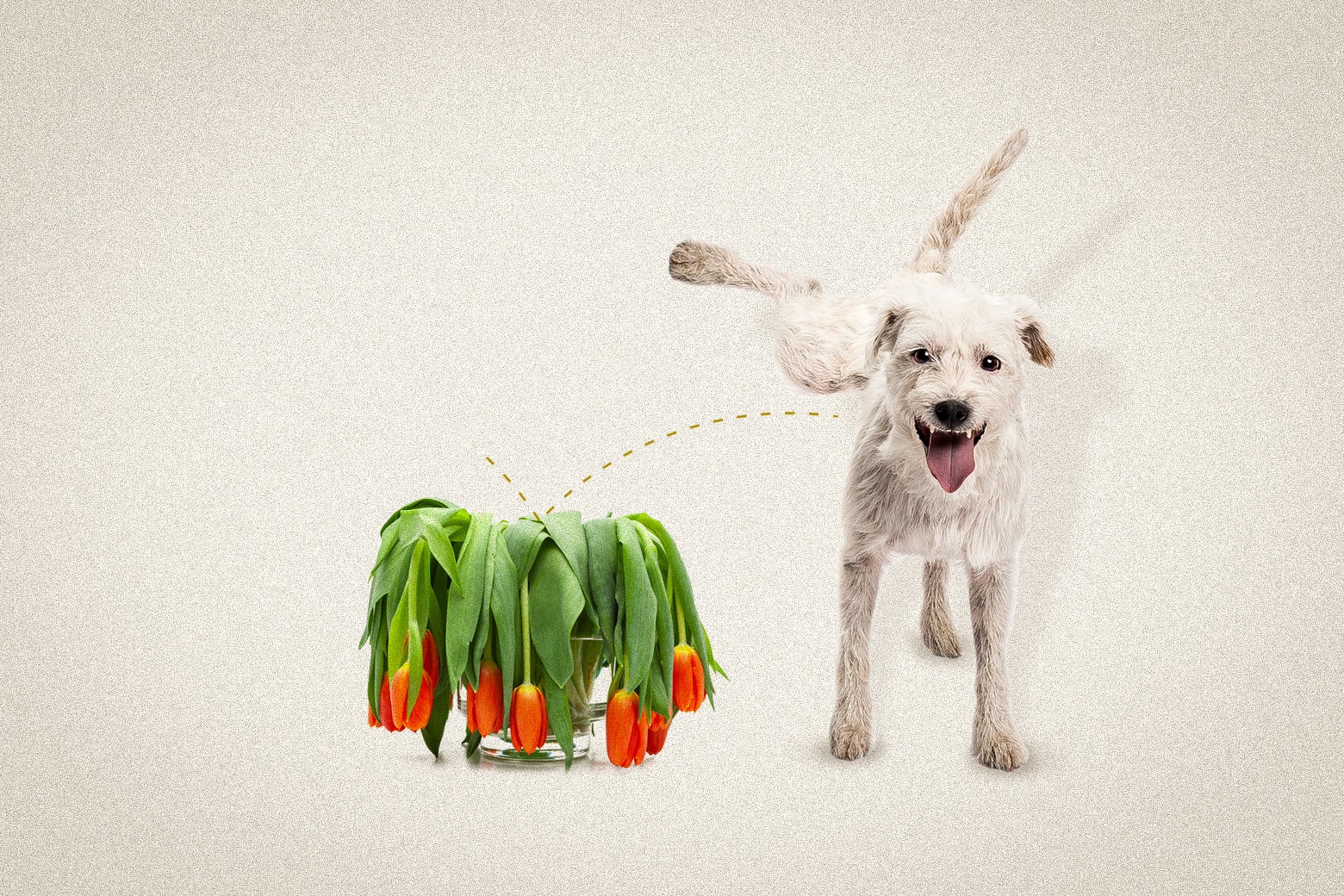
Dog urine can indeed affect plants, often in harmful ways due to its composition. While it contains nutrients like nitrogen, which can be beneficial to plants in small doses, excessive amounts can lead to problems. The urine can cause specific types of damage, especially when dogs habitually urinate in the same spot.
The Composition of Dog Urine
Dog urine primarily contains water, urea, creatinine, and various salts. The nitrogen levels in urine can stimulate plant growth, but when concentrated, they can lead to nutrient burn. The hyper-concentration of these elements can result in:
See also:
- High nitrogen levels that can temporarily enhance growth but ultimately harm the plant.
- Salt accumulation that can desiccate and damage plant tissues.
- Acidity variations that may alter soil pH and affect nutrient availability.
How It Affects Different Types of Plants
The impact of dog urine on plants varies significantly among different species. Some plants are more resilient, while others are highly sensitive. Factors include:
- Established plants may withstand occasional exposure better than young seedlings.
- Perennials often recover better than annuals after being exposed to dog urine.
- Ornamental plants may show visible signs of distress, like yellowing leaves or wilting.
Symptoms of Dog Urine Damage
When dog urine negatively impacts plants, certain symptoms may become apparent. These include:
- Brown spots or patches on the leaves indicating tissue burning.
- Stunted growth suggesting that the plants are under nutrient stress.
- Leaf curl or wilting that can occur due to dehydration triggered by salt concentration.
Preventing Damage from Dog Urine
To mitigate the harmful effects of dog urine on plants, several strategies can be employed:
- Designated areas for your dog to relieve itself can help protect valuable plants.
- Watering regularly can dilute urine concentration in the soil.
- Training your dog to use less sensitive areas can minimize potential damage.
Managing Soil Health
Maintaining healthy soil can improve a plant’s resistance to urine damage. Key ways to manage soil health include:
- Amending soil with organic matter to enhance its fertility and structure.
- Regular soil tests to monitor pH and nutrient levels.
- Incorporating mulch to minimize evaporation and improve moisture retention.
How can I stop dogs peeing on my plants?
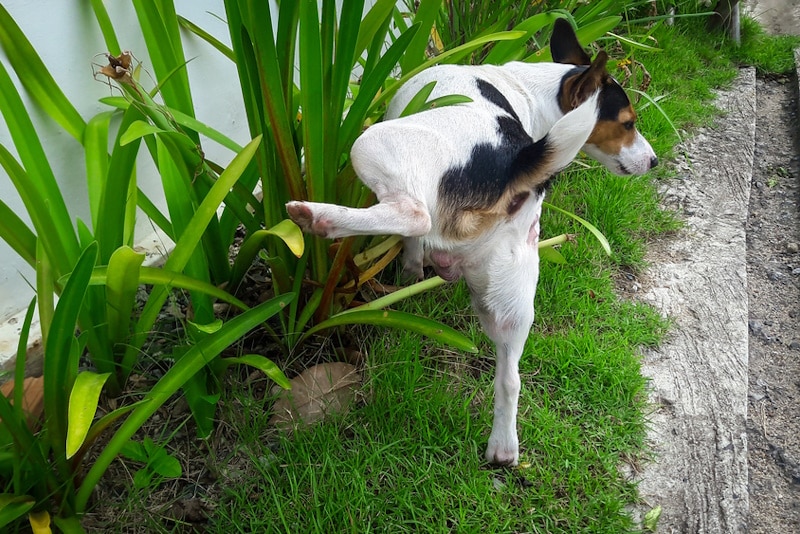
To stop dogs from peeing on your plants, you can implement a range of strategies that will deter them effectively. Here are some detailed methods to consider:
Understanding Dog Behavior
Understanding why dogs pee on plants is essential to devise effective deterrents. Dogs often mark their territory or explore their environment through scent. This behavior can be particularly pronounced in untrained or male dogs. Recognizing this behavior allows you to tailor your approach to discourage it.
- Territorial Marking: Many dogs exhibit this behavior as a means of marking territory, especially in new environments.
- Scent Exploration: Dogs have a strong olfactory sense and may be instinctively drawn to urinate on plants due to their scent.
- Attention-Seeking: Sometimes, dogs may pee in areas where they seek attention from their owners.
Creating Physical Barriers
Building physical barriers around your plants can help prevent dogs from accessing them. Fencing or using plant cages are effective ways to keep dogs at bay without harming your plants.
- Fencing: Install a fence around your garden area to create a physical boundary.
- Plant Cages: Use small cages or wire mesh to protect individual plants while allowing sunlight and rain.
- Raised Planters: Elevate your plants in raised planters, which increases their height and makes them less accessible.
Using Deterrents
You can utilize various deterrents to make your plants less appealing to dogs. These can be physical deterrents or smells that dogs dislike.
- Citrus Peels: Scatter citrus peels around the base of your plants; most dogs dislike the smell of citrus.
- Commercial Deterrents: Consider using commercial spray deterrents specifically designed to prevent dogs from urinating on plants.
- Motion-Activated Sprinklers: Installing motion-activated sprinklers can startle dogs, teaching them to avoid your garden.
Training Techniques
Training your dog to stay away from your plants is a long-term solution that can yield positive results. Consistent training can significantly reduce unwanted behavior over time.
See also:
- Positive Reinforcement: Reward your dog for staying away from the garden with treats or praise.
- Redirecting Behavior: If you catch your dog in the act, redirect them to an appropriate spot for relieving themselves.
- Consistency: Be consistent with commands and rewards to reinforce training effectively.
Plant Selection and Placement
Choosing the appropriate plants and their placement in your garden can deter dogs from approaching them. Certain plant types may be less appealing to dogs.
- Dog-Repelling Plants: Consider planting varieties like rosemary or lavender that dogs often avoid.
- Strategic Placement: Position your plants in areas that are less accessible to dogs, such as elevated beds or closer to your house.
- Unpleasant Textures: Opt for plants with rough textures or thorny foliage, which could discourage dogs from getting too close.
Can I have hydrangeas in the house with a dog?

Yes, you can have hydrangeas in the house with a dog, but it is essential to consider the potential risks involved. While hydrangeas are not classified as highly toxic plants, they can cause some gastrointestinal discomfort if ingested by dogs. The leaves, flowers, and stems contain a compound called cyanogenic glycosides, which can lead to symptoms such as vomiting or diarrhea in dogs if consumed in significant amounts. Therefore, it’s crucial to ensure that your dog does not chew on or ingest the hydrangeas while enjoying their presence in your home.
Understanding Hydrangea Toxicity
Hydrangeas possess mildly toxic properties primarily due to their content of cyanogenic glycosides. Although fatalities are rare, pet owners should be informed about how their pets may react to the ingestion of plant material.
- Symptoms of Ingestion: Common symptoms include vomiting, diarrhea, and lethargy.
- Risk Factors: The severity of symptoms may depend on the amount ingested and the size of the dog.
- Previous Health Conditions: Dogs with pre-existing health issues may be more susceptible to adverse effects.
Preventing Dog Interaction
To keep your dog safe around hydrangeas, it is important to implement measures that discourage interaction with the plants. This proactive approach will help maintain a harmonious environment.
- Placement of Plants: Position hydrangeas out of your dog's reach, preferably on high shelves or in rooms that the dog does not access.
- Training Commands: Train your dog to follow commands that prevent them from approaching plants.
- Supervision: Always supervise your dog when they are near the hydrangeas to prevent any unsupervised chewing or eating.
Alternatives to Hydrangeas
If you are concerned about hydrangea toxicity, there are many non-toxic plant alternatives that can brighten your home safely.
- Spider Plant: This hardy plant is safe for dogs and thrives indoors.
- Boston Fern: A lush plant that adds greenery without risking your dog's health.
- Calathea: Known for its beautiful foliage and non-toxic nature, ideal for homes with pets.
Identifying Plant Allergies in Dogs
Some dogs may exhibit allergic reactions to certain plants, including hydrangeas. It's essential to be aware of any signs that your dog may be reacting negatively to the presence of these plants.
- Symptoms of Allergies: Watch for signs such as itching, redness, or inflammation on the skin.
- Gastrointestinal Issues: Monitor for vomiting or diarrhea, which could indicate a reaction to plants.
- Consultation with a Vet: If you notice any concerning symptoms, it’s crucial to consult your veterinarian for guidance and treatment options.
Creating a Dog-Friendly Environment
While enjoying hydrangeas indoors, creating a dog-friendly environment is essential for both your plants and your pet’s well-being.
- Designate Spaces: Designate specific areas for your dog to play and explore, away from the plants.
- Safe Toys: Provide plenty of safe toys to keep your dog occupied and less interested in the plants.
- Regular Exercise: Ensure your dog receives sufficient physical activity to reduce curiosity and minimize destructive behaviors.
Questions from Our Readers
Is dog pee harmful to hydrangeas?
Dog urine can be harmful to hydrangeas due to its high concentration of nitrogen and salts, which can lead to leaf burn or even kill the plant if the exposure is frequent. The effects vary depending on the health of the hydrangeas and the amount of urine they receive.
How can I protect my hydrangeas from dog urine?
To protect your hydrangeas from dog urine, consider creating a barrier around the plants or training your dog to urinate in designated areas away from the flowers. Additionally, water the hydrangeas regularly to help dilute any potential damage from urine.
See also:
What are the signs of dog urine damage on hydrangeas?
Signs of damage from dog urine on hydrangeas may include browning tips on the leaves, wilting, or overall decline in plant health. If you notice these symptoms, it could be an indication of too much nitrogen or salt exposure from dog urine.
Can hydrangeas recover from dog urine damage?
Yes, hydrangeas can sometimes recover from dog urine damage if the exposure is not too severe. Providing adequate water, removing damaged foliage, and ensuring the plant has a healthy growing environment can help the hydrangeas bounce back.

If you want to read more articles like Is Dog Pee Bad for Hydrangeas? Understand the Impact and Solutions, we recommend you check out our Hydrangea category.
Leave a Reply
Related Articles