Do Daylilies Need to Be Deadheaded? Essential Care Tips for Vibrant Blooms

Daylilies are beloved for their vibrant blooms and resilience in gardens, making them a staple for both novice and experienced gardeners. However, to maintain their stunning display, proper care is essential. One key aspect of daylily maintenance is deadheading, or the removal of spent flowers. This practice not only helps to keep the plants looking neat but also encourages more prolific blooming throughout the growing season. In this article, we will explore whether daylilies need to be deadheaded, along with essential care tips to ensure your garden remains bursting with color and vitality. Discover how to make the most of your daylily collection!
Do Daylilies Need to Be Deadheaded?
Daylilies, known for their vibrant blooms and resilient nature, typically do not require deadheading in the same way that some other flowering plants do. However, removing spent flowers can enhance the plant's overall appearance and encourage more blooms to form throughout the growing season. By deadheading, you can prevent the plant from putting energy into seed production, allowing it to focus on creating more vibrant flowers instead. While it's not essential for the health of the daylilies, regular deadheading can lead to a more aesthetically pleasing garden and potentially a longer blooming period.
What is Deadheading?
Deadheading refers to the practice of removing spent flowers from plants. This process is used to discourage plants from forming seeds and to promote new growth and flowering. In the case of daylilies, the flowers bloom for just one day, and after they wilt, the stalk can be trimmed to encourage further blooming. Deadheading can improve the overall health and look of the plant, as it focuses its energy on producing new blooms rather than seeds.
Benefits of Deadheading Daylilies
While daylilies are relatively low-maintenance and can thrive without deadheading, there are several benefits to this practice. Removing faded flowers can prevent the plant from diverting energy into seed production, thus promoting additional flowering. This can result in a longer blooming period, allowing for a more prolonged display of color in your garden. Additionally, deadheading helps maintain a tidy appearance, making your garden look well-cared for and visually appealing throughout the season.
How to Deadhead Daylilies
Deadheading daylilies is a simple process that can be done by hand or with garden shears. To deadhead, simply pinch or cut off the spent flower stalks just above the foliage, ensuring not to damage the leaves. It's best to perform this task regularly throughout the blooming season to maximize flower production. Timing is important, as deadheading should ideally be done when the flowers are fully wilted but before they drop their petals, allowing the plants to shift focus onto new blooms.
When is the Best Time to Deadhead Daylilies?
The optimal time to deadhead daylilies is right after the flowers have faded and are no longer adding to the plant's visual appeal. This can vary throughout the blooming season, as each flower typically lasts only a single day. Regularly checking during the blooming period ensures you catch spent flowers promptly. While it is generally a good practice to deadhead throughout the entire summer blooming season, it’s crucial to monitor the plants regularly for faded flowers to keep them looking their best.
See also:
Can Deadheading Replace Other Care Practices?
While deadheading is a beneficial practice, it should not be viewed as a replacement for other essential care routines for daylilies. Activities such as watering, fertilizing, and watching for pests are still necessary to maintain the overall health of the plants. Combining deadheading with proper care will yield the best results, ensuring that your daylilies remain healthy and vibrant. Regular maintenance not only helps in producing ample blooms but also promotes a robust plant structure.
| Action | Description |
|---|---|
| Deadheading | Removing spent flowers to promote new blooms and improve appearance. |
| Timing | Deadhead flowers right after they fade for best results. |
| Other Care | Water, fertilize, and monitor for pests alongside deadheading. |
| Benefits | Longer blooming period and tidier plant appearance. |
| Technique | Use hands or shears to remove flower stalks carefully. |
What happens if you don't deadhead daylilies?

If you don't deadhead daylilies, several things can occur that impact both the health of the plant and the aesthetics of your garden. Deadheading refers to the process of removing spent flowers from the plant. Failing to do this can lead to various challenges that may hinder the overall growth and flowering capacity of the daylilies.
Impact on Flowering
Not deadheading daylilies can affect their ability to produce new blooms. When spent flowers are left on the plant, they can divert energy and nutrients away from the formation of new buds. This can lead to:
- Reduced Flower Production: The plant may produce fewer flowers in the next blooming cycle.
- Less Vibrancy: The overall appearance can be less attractive with wilted blooms still attached.
- Extended Blooming Time: The bloomer might take longer to transition to new blooms, affecting the flowering duration.
Energy Drain on the Plant
Leaving spent blooms can result in a significant energy drain on daylilies. Plants allocate resources based on their needs, and dead flowers can cause:
- Nutrient Allocation: The plant may focus more on trying to seed rather than nourishing itself for future blooms.
- Slower Growth: Deficient energy can slow down the overall growth of the plant.
- Weakening of the Plant: Prolonged energy drain can weaken the plant and make it susceptible to diseases.
Pest Attraction
Flowers that are past their prime can attract various pests. If you don't deadhead daylilies, you might encounter:
See also:
- Increased Pest Population: Old flowers can attract pests looking for decaying plant matter.
- Diseases: Decaying plant material can also promote fungal growth and other diseases.
- Impact on Neighbors: Increased pests may migrate to nearby healthy plants, spreading issues throughout your garden.
Aesthetic Considerations
From an aesthetic standpoint, not deadheading daylilies can lead to a less inviting appearance in your garden. The visual impact includes:
- Untidy Appearance: Spent flowers can give a scraggly look to an otherwise well-maintained garden.
- Reduced Appeal: Visitors may perceive the garden as lacking care or attention.
- Lower Property Value: An unattractive garden can negatively affect the overall value of your property.
Long-term Plant Health
Ultimately, failing to deadhead daylilies can compromise their long-term health. Over time, this can manifest in ways such as:
- Shorter Lifespan: Plants that aren't properly maintained tend to have shorter lifespans.
- Decreased Resilience: Such daylilies might struggle to recover from environmental stressors.
- Overall Decline: The cumulative effects of poor maintenance can lead to the decline of plant vitality.
Questions from Our Readers
Do daylilies need to be deadheaded?
Yes, daylilies benefit from deadheading, which involves removing spent flowers to encourage further blooms and promote a healthier plant. Deadheading helps to direct energy away from seed production and back into plant growth.
When is the best time to deadhead daylilies?
The best time to deadhead daylilies is right after the flowers have wilted and faded, typically during the blooming season. It's important to remove the spent blooms promptly to enhance overall plant aesthetics and vitality.
How do you properly deadhead daylilies?
To properly deadhead daylilies, use clean garden shears or scissors to cut the flower stalks just above the first set of leaves. This method not only improves the plant's appearance but also helps in maintaining its energy levels for future flowering.
Will deadheading daylilies promote more flowers?
Yes, deadheading daylilies can promote more flowers. By removing old blooms, the plant focuses its energy on producing new buds, leading to a more vibrant and prolonged blooming period.
See also:
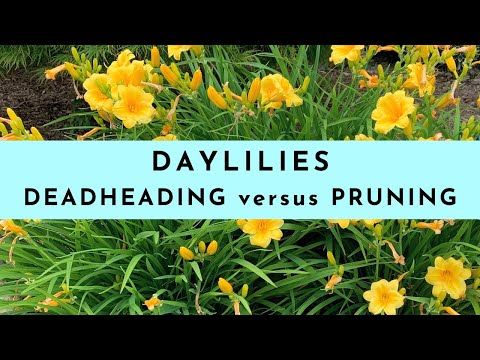
If you want to read more articles like Do Daylilies Need to Be Deadheaded? Essential Care Tips for Vibrant Blooms, we recommend you check out our Daylily category.
Leave a Reply
Related Articles