How to Rejuvenate Daylilies? 7 Effective Techniques for Thriving Blooms
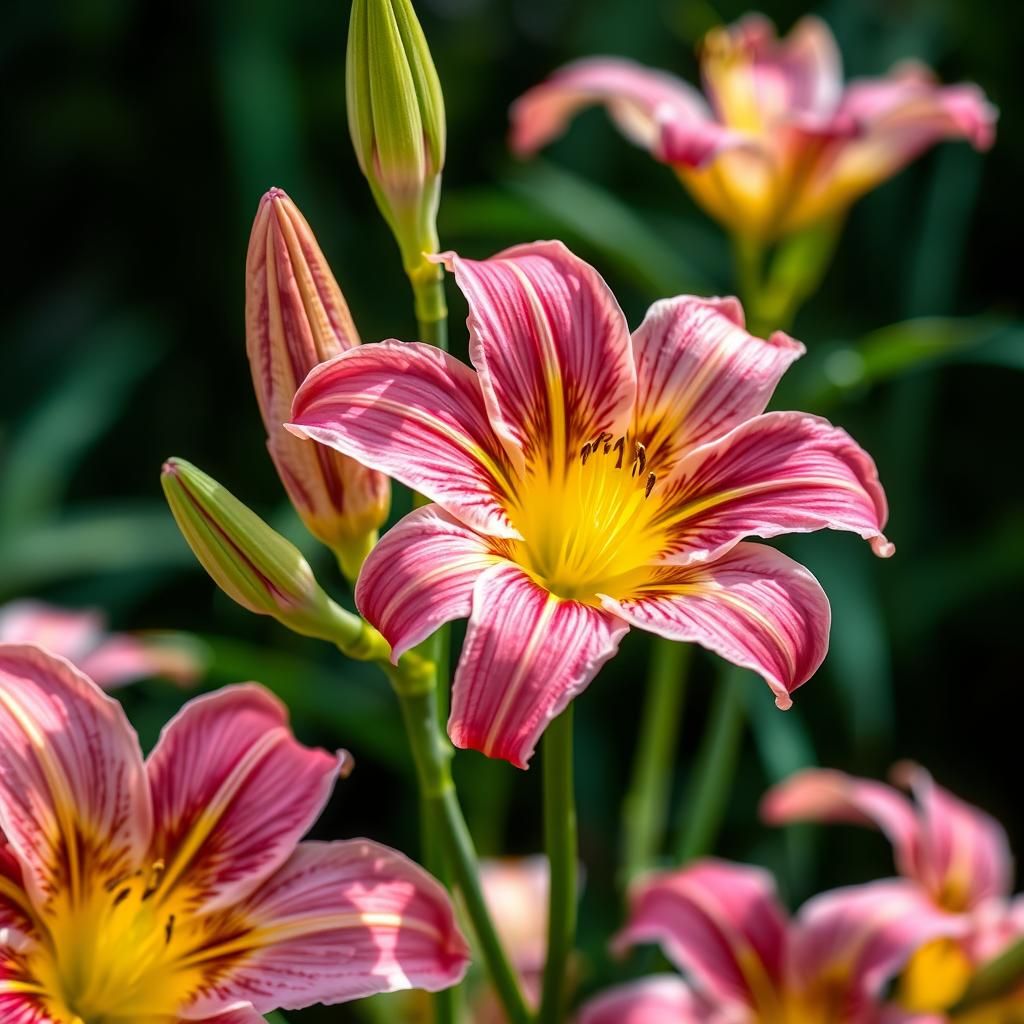
Daylilies are cherished for their vibrant blooms and resilience in the garden. However, over time, these stunning perennials may lose their vigor and flowering potential due to overcrowding or age. Revitalizing your daylilies not only enhances their beauty but ensures they continue to thrive for years to come. In this article, we will explore seven effective techniques to rejuvenate your daylilies, helping you achieve a stunning display of blossoms. Whether you're a seasoned gardener or a beginner, these practical tips will guide you in restoring the health and vitality of your daylilies, ensuring they remain a highlight in your garden.
How to Rejuvenate Daylilies
Rejuvenating daylilies involves a series of steps aimed at promoting healthy growth and a vibrant bloom. To begin, you should first remove any dead or damaged leaves, keeping the plant tidy and reducing the risk of disease. Next, consider dividing the clumps every three to five years, as this helps to prevent overcrowding and allows for better air circulation. When dividing, ensure you have a healthy section of roots with enough shoots for replanting. Additionally, applying a balanced fertilizer in early spring can provide essential nutrients, boosting growth. Regular watering is crucial, especially during dry spells, as consistent moisture promotes robust plants. Lastly, mulch can be applied to retain moisture and suppress weeds, further enhancing the rejuvenation process.
Why Divide Daylilies?
Dividing daylilies is important because it prevents overcrowding, which can lead to diminished blooming and overall plant health. As daylilies grow, their root systems become tightly packed, restricting nutrient uptake and air flow. By regularly dividing them, ideally every three to five years, you can ensure that each plant has adequate resources and space to thrive. This practice not only revitalizes existing plants but also provides an opportunity to propagate new ones for other areas of your garden.
When is the Best Time to Rejuvenate Daylilies?
The best time to rejuvenate daylilies is typically in the early spring or late summer. Early spring allows you to take advantage of the growing season, encouraging new growth once the plants are divided and replanted. Conversely, rejuvenating in late summer ensures that the daylilies have enough time to establish roots before the colder months arrive. Timing is crucial for minimizing stress on the plants and maximizing their potential for a robust comeback.
How to Properly Divide Daylily Plants?
To properly divide daylily plants, begin by carefully digging up the entire clump with a spade, taking care not to damage the roots. Once out of the ground, gently shake off excess soil and observe the root structure. With a clean knife or spade, section the clump into smaller pieces, ensuring that each piece has at least three to five healthy shoots and a good portion of roots. Replant these divisions immediately in well-prepared soil, and water them thoroughly to encourage establishment.
What Type of Fertilizer is Best for Daylilies?
For daylilies, a balanced fertilizer with equal parts of nitrogen, phosphorus, and potassium is often the best choice. Look for a fertilizer labeled as 10-10-10 or similar ratios, which helps support healthy leaf growth and vibrant blooms. Applying this fertilizer in early spring as the plants emerge will provide the essential nutrients they need for vigorous growth. It’s also beneficial to apply a slow-release fertilizer, minimizing the need for frequent applications and ensuring steady nutrient availability throughout the growing season.
How to Care for Rejuvenated Daylilies?
Caring for rejuvenated daylilies involves consistent watering and ensuring they have adequate sunlight. Newly divided plants will need more attention, particularly during dry spells, so it's vital to keep the soil consistently moist but not soggy. Consider applying a layer of organic mulch to retain moisture and reduce competition from weeds. Periodic deadheading of spent flowers promotes further blooms and keeps the plants looking tidier. Additionally, monitoring for any signs of pests or diseases will help maintain their health and vigor throughout the growing season.
| Step | Description |
|---|---|
| 1 | Remove dead leaves |
| 2 | Divide every 3-5 years |
| 3 | Apply fertilizer |
| 4 | Water regularly |
| 5 | Use mulch |
How do I bring daylilies back to life?
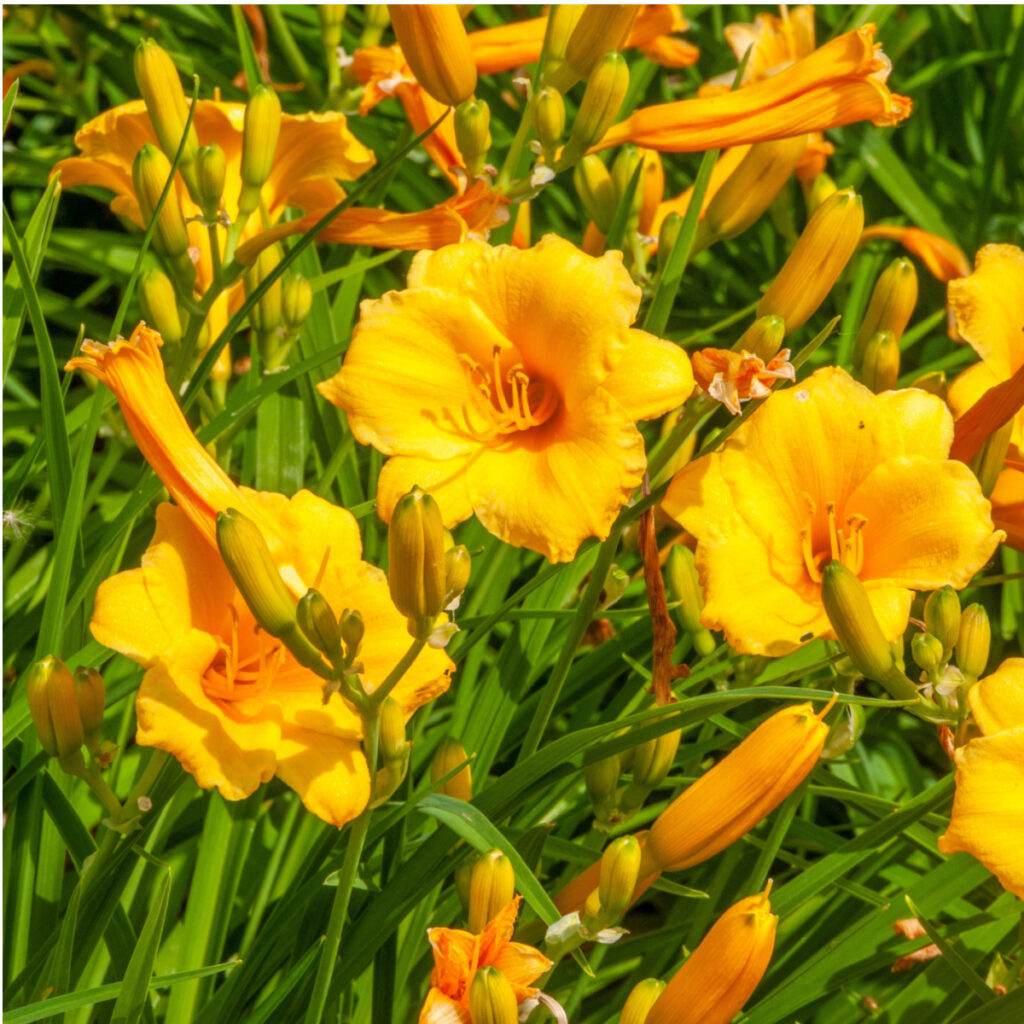
To bring daylilies back to life, it's essential to assess their condition and follow a series of steps that can rejuvenate these resilient plants. Daylilies are hardy perennials, but they can suffer from various issues such as drought, pests, or diseases. Here’s a detailed guide to help you restore their vitality.
Assess the Damage
Before taking any action, it’s crucial to understand the extent of the damage your daylilies have suffered. Examine the plants closely to identify signs of stress or decline.
- Check the foliage: Look for yellowing leaves, wilting, or browning edges.
- Inspect the roots: Gently dig around the base to ensure they are not rotting or too dry.
- Look for pests: Investigate for signs of insects, such as aphids, or diseases like fungal infections.
Provide Adequate Water
Daylilies thrive with appropriate moisture levels. If your daylilies are showing signs of dehydration, it’s critical to rehydrate them properly.
- Water deeply: Ensure that the plants receive a thorough soak, watering at the base to avoid wetting the foliage.
- Frequency: Water at least once a week, or more frequently during hot, dry spells.
- Mulch: Consider adding a layer of mulch around the base to retain moisture and regulate soil temperature.
Fertilize Wisely
Sometimes, a lack of nutrients can contribute to the decline of daylilies. Fertilization plays a vital role in reviving them.
See also:
- Choose the right fertilizer: Use a balanced fertilizer, such as a 10-10-10, to promote healthy growth.
- Apply accordingly: Follow the instructions on the package for application rates and timing.
- Timing: Fertilize in early spring and again after flowering to support root development.
Prune Damaged Leaves
Removing damaged foliage can significantly help new growth and improve the plant's overall appearance.
- Cut back damaged leaves: Use sharp, clean scissors or pruning shears to remove any dead or unhealthy leaves.
- Shape the plant: Trim the leaves to encourage new growth while maintaining the overall shape of the plant.
- Monitor growth: After pruning, observe how the plant responds and be patient as it recovers.
Check Sunlight Requirements
Daylilies require adequate sunlight to thrive. Ensure they are receiving the proper amount to promote healthy growth.
- Location: Verify that your daylilies are planted in a location that receives at least 6 hours of sunlight daily.
- Consider shade: If they are overcrowded or surrounded by taller plants, consider relocating them to a sunnier area.
- Seasonal adjustments: Recognize that changes in the surrounding environment can affect sunlight; adjust as necessary.
How to perk up daylilies?
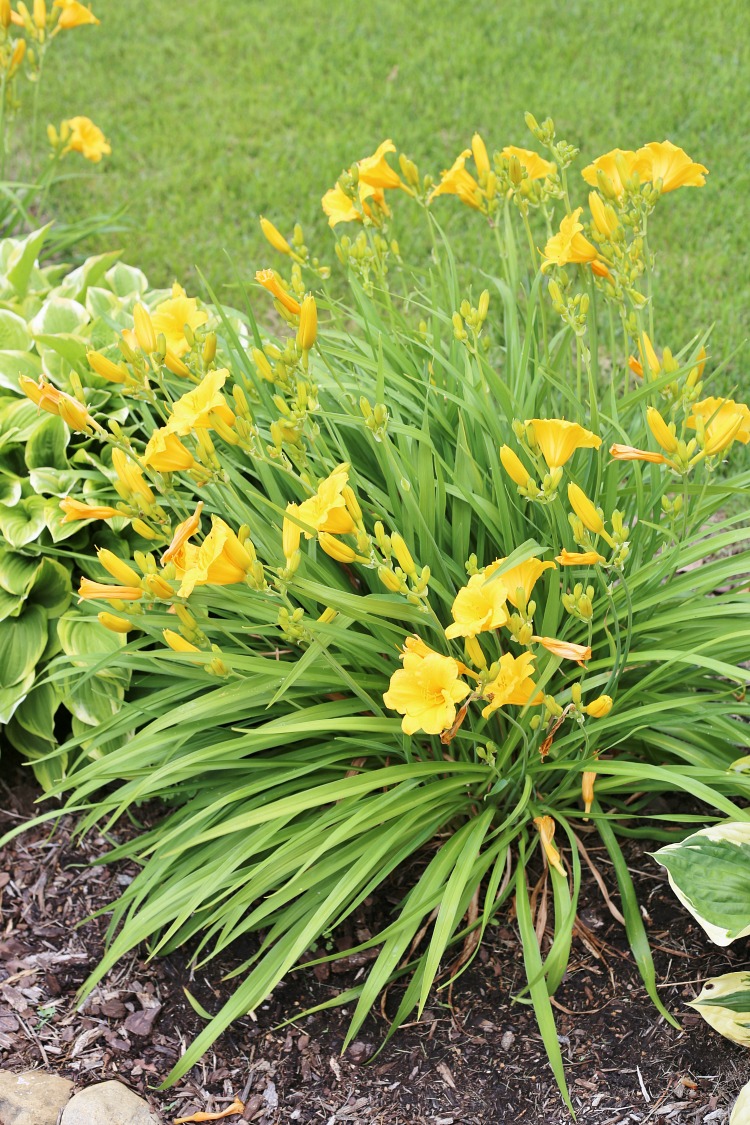
To perk up daylilies, it is essential to focus on several key aspects of their care and maintenance. These resilient plants can thrive with proper attention to their environment, watering, nutrient needs, and pest management. Here are several effective strategies to enhance the health and beauty of your daylilies.
Watering Practices
Daylilies require a consistent and proper watering schedule to maintain their vigor. Overwatering can lead to root rot, while under-watering may stress the plants.
- Water deeply and infrequently to encourage strong root growth.
- Check the soil moisture before watering; the top inch should be dry.
- Water early in the morning to prevent evaporation and fungal diseases.
Soil Quality
The quality of the soil significantly impacts the health of daylilies. Well-drained soil with sufficient organic matter promotes vibrant growth.
- Test the soil pH; daylilies prefer a pH between 6.0 and 6.8.
- Add compost or well-rotted manure to enhance soil fertility.
- Ensure proper drainage to avoid waterlogged conditions.
Fertilization Techniques
Providing the right nutrients through fertilization can boost the growth and blooming of daylilies. Balanced fertilizers should be used for optimal results.
- Apply a slow-release fertilizer in early spring when new growth begins.
- Use a fertilizer high in phosphorus (the middle number in N-P-K ratio) to encourage blooming.
- Avoid over-fertilization, which can lead to lush foliage but few flowers.
Pest and Disease Management
Regularly monitoring for pests and diseases is essential to keep daylilies healthy. Early detection can prevent severe infestations.
- Inspect leaves for signs of aphids or spider mites and use insecticidal soap if needed.
- Remove any infected or dead foliage to reduce the risk of diseases.
- Use neem oil or fungicides when necessary to treat fungal infections.
Trimming and Deadheading
Regular maintenance such as trimming and deadheading can significantly enhance the appearance and health of daylilies.
- Remove spent flowers to encourage further blooming and prevent seed formation.
- Cut back foliage in the fall to promote new growth in spring.
- Regularly check for brown or dead leaves and trim them to maintain beauty.
How to revive dying daylilies?

To revive dying daylilies, it's important to first identify the underlying issues causing their decline. Daylilies are generally hardy plants, but they can struggle due to poor environmental conditions, diseases, pests, or improper care. Here are steps to help you bring your daylilies back to life.
Identify the Cause of Decline
Finding out what's wrong is crucial to effectively revive your daylilies. Common issues include:
See also:
- Improper Watering: Both overwatering and underwatering can harm daylilies.
- Pests: Insects like aphids or spider mites can weaken plants.
- Diseases: Fungal infections may lead to wilting or browning leaves.
Assess your plants carefully to pinpoint the specific problem.
Correct Watering Practices
The watering regime for daylilies should be adjusted based on the season and weather conditions. Proper practices include:
- Soil Moisture Check: Before watering, check if the top inch of soil is dry.
- Deep Watering: Water deeply less frequently to encourage deep root growth.
- Drainage: Ensure that the soil drains well to prevent waterlogging.
Maintaining the correct moisture level promotes healthier plants.
Improve Soil Quality
Soil health is vital for the growth of daylilies. Steps to enhance soil include:
- Testing Soil pH: Ideal pH for daylilies is between 6.0 and 6.8.
- Adding Organic Matter: Incorporate compost or well-rotted manure into the soil.
- Fertilization: Use a balanced fertilizer in early spring to support growth.
Healthy soil contributes to the overall well-being of your daylilies.
Address Pest Infestations
Pests can significantly weaken your daylilies. To manage pests effectively, consider:
- Inspect Regularly: Check leaves underside and stem for signs of pests.
- Natural Predators: Introduce beneficial insects like ladybugs to control aphids.
- Insecticides: Use targeted insecticides only if necessary, following label instructions.
Timely pest control can save your daylilies from severe damage.
Treat Diseases Promptly
In case your daylilies show signs of disease, prompt action is essential. Follow these steps:
- Identify Symptoms: Look for discoloration, wilting, or spots on leaves.
- Remove Infected Parts: Trim away dead or diseased foliage.
- Apply Fungicides: Treat with appropriate fungicides if fungal infection is suspected.
Effective disease management is crucial for the revival of your daylilies.
Questions from Our Readers
How can I rejuvenate daylilies?
To rejuvenate daylilies, trim back the foliage by about one-third in early spring before new growth appears. This encourages healthy growth and allows for better air circulation. You can also consider dividing the plants every three to five years to promote stronger roots and more abundant blooms.
When is the best time to rejuvenate daylilies?
The best time to rejuvenate daylilies is in early spring, just as new shoots begin to emerge. This timing helps avoid damage to the plants and enables them to recover quickly, ensuring a vibrant bloom later in the growing season.
Should I fertilize my daylilies after rejuvenating?
Yes, it's a good practice to apply a balanced fertilizer after rejuvenating daylilies. This will provide essential nutrients needed for new growth, helping them to flourish and produce more flowers throughout the season.
See also:
Can I rejuvenate daylilies by dividing them?
Absolutely! Dividing daylilies is an effective way to rejuvenate them. When you separate the rhizomes, you not only reduce overcrowding but also stimulate new growth, leading to healthier plants and a more impressive display of blooms.

If you want to read more articles like How to Rejuvenate Daylilies? 7 Effective Techniques for Thriving Blooms, we recommend you check out our Daylily category.
Leave a Reply
Related Articles