Ultimate Guide: How to get more blooms on daylilies? Tips and Techniques for Vibrant Flowers
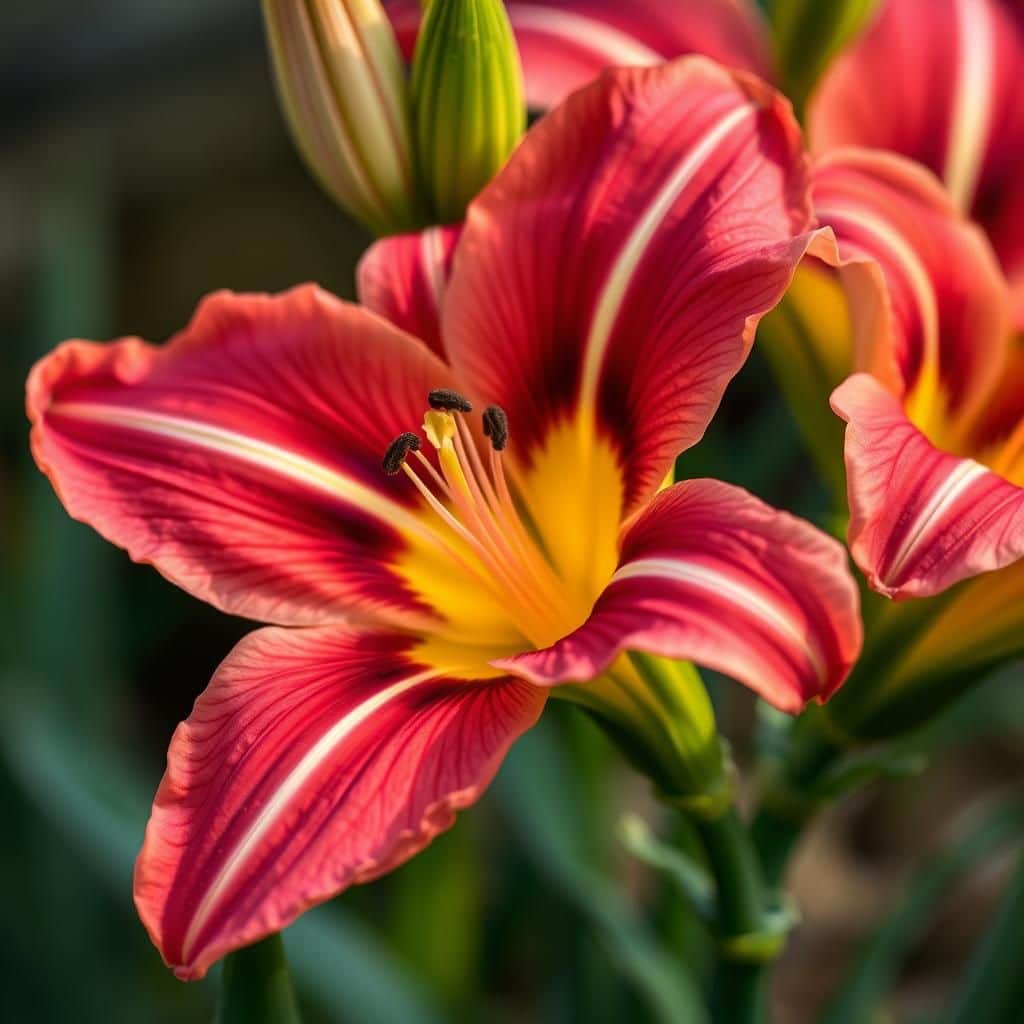
Daylilies are a popular choice among gardeners for their vibrant colors and resilience, making them a stunning addition to any landscape. However, achieving a profusion of blooms can sometimes be a challenge. This ultimate guide aims to provide you with essential tips and techniques to help maximize the flowering potential of your daylilies. From selecting the right varieties and optimizing soil conditions to proper watering and fertilization practices, we will explore the key factors that contribute to lush, healthy blooms. Get ready to transform your garden into a blooming paradise with these expert insights on daylily care.
How to Increase Blooms on Daylilies
To achieve a bloom-rich display of daylilies, careful attention to their growing conditions is essential. These perennial plants thrive when provided with adequate sunlight, typically requiring at least six hours of full sun each day. Additionally, ensuring the soil is well-drained and rich in organic matter will contribute significantly to their overall health. Regular fertilization during the growing season with a balanced fertilizer can enhance their ability to produce more flowers. Furthermore, proper watering routines, avoiding both drought stress and overwatering, along with deadheading spent blooms, can promote longer blooming periods.
Sunlight Requirements
Daylilies flourish in full sunlight, meaning they should receive at least six hours of direct sun daily. Insufficient light can lead to fewer blooms and weaker plants. To maximize blooming, it’s essential to plant them in a location where they will be exposed to ample sunlight throughout the day. Observing sun patterns in your garden can help determine the best planting spots for optimal growth.
Soil Conditions
The soil in which daylilies are planted should be well-drained and rich in nutrients. A pH level between 6.0 and 6.8 is ideal for maximizing bloom production. Amending soil with compost or well-rotted manure can provide necessary nutrients and improve drainage. Testing the soil before planting can help ensure it meets these ideal conditions, leading to healthier plants and more abundant blooms.
Fertilization Techniques
Regular fertilization throughout the growing season is crucial for encouraging more blooms on daylilies. A balanced fertilizer with equal parts nitrogen, phosphorus, and potassium can stimulate foliage growth and flowering. Applying fertilizer in early spring as growth begins and again in mid-summer can help sustain blooming. However, caution should be taken to avoid over-fertilization, which can lead to excessive foliage at the expense of flowers.
Watering Practices
Daylilies benefit from a consistent watering regime, with deep watering being more beneficial than frequent shallow watering. During hot and dry periods, providing about 1 inch of water per week can support blooming and prevent stress. However, it's crucial to avoid waterlogged conditions, as this can damage roots and inhibit blooming. Mulching around the base can help retain moisture and regulate soil temperature.
See also:
Deadheading and Maintenance
Deadheading, or removing spent blooms, can encourage daylilies to produce more flowers throughout the season. By removing the old flower stalks, you redirect the plant’s energy toward new growth and blooms rather than seed production. Additionally, maintaining the overall health of the plants through regular inspection for pests and diseases can enhance their capacity for blooming.
| Factor | Recommended Conditions |
|---|---|
| Sunlight | At least 6 hours of direct sun |
| Soil | Well-drained, pH 6.0-6.8 |
| Fertilization | Balanced fertilizer in spring and mid-summer |
| Watering | 1 inch per week, deep watering preferred |
| Deadheading | Remove spent blooms regularly |
Is Miracle-Gro good for daylilies?
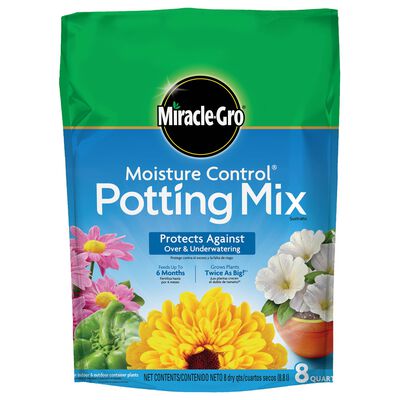
Miracle-Gro is a popular choice among gardeners, but its suitability for daylilies requires a closer examination. Daylilies (Hemerocallis) are hardy perennials that thrive in a variety of conditions, and while they benefit from fertilization, the type and application of fertilizer can significantly impact their growth and flowering.
Understanding Miracle-Gro
Miracle-Gro is a brand of fertilizer that is marketed for various types of plants. It typically contains a balanced mix of nitrogen (N), phosphorus (P), and potassium (K), which are essential nutrients for plant development. The general formula of Miracle-Gro is known for its ability to promote rapid growth and lush foliage.
- Nitrogen: Encourages leafy growth.
- Phosphorus: Supports root development and flower formation.
- Potassium: Enhances overall plant health and resistance to diseases.
Benefits of Using Miracle-Gro for Daylilies
Using Miracle-Gro can yield several benefits for daylilies when applied correctly. Given their robust nature, daylilies can often handle the nutrient-rich formula provided by Miracle-Gro, which can lead to vibrant blooms and healthier plants.
- Faster growth: The high nutrient content accelerates growth, allowing daylilies to establish more quickly.
- Improved flowering: Appropriate use of Miracle-Gro can result in more abundant and colorful flowers.
- Convenience: Miracle-Gro is easy to use, available in various formats including granular and liquid feeds.
Potential Risks of Using Miracle-Gro
While Miracle-Gro can be beneficial, there are also risks associated with its use for daylilies. Over-fertilization or improper application may harm the plants rather than help them.
See also:
- Burning roots: Excessive nitrogen can lead to root burn, causing decline in plant health.
- Nutrient imbalance: Over-reliance on synthetic fertilizers may lead to unbalanced nutrient levels in the soil.
- Environmental impact: Runoff from fertilizers can contaminate nearby waterways, causing ecological harm.
Best Practices for Applying Miracle-Gro to Daylilies
To reap the benefits while minimizing risks, it's essential to follow best practices when using Miracle-Gro on daylilies. Correct timing and method of application can make a significant difference in the outcome.
- Apply in moderation: Use half the recommended dosage to avoid over-fertilization.
- Timing: Fertilize at the beginning of the growing season and again after the first bloom for continued support.
- Watering: Ensure the daylilies are adequately watered before and after applying Miracle-Gro to activate the nutrients.
Alternative Fertilizers for Daylilies
If you are concerned about the potential risks of Miracle-Gro, there are alternative fertilizers that may be suitable for daylilies. Organic options can enhance soil health while providing necessary nutrients.
- Compost: A natural option that enriches soil and provides a slow release of nutrients.
- Fish emulsion: Rich in nitrogen and beneficial microbes, it promotes healthy growth.
- Bone meal: An organic source of phosphorus that supports effective root and flower development.
Questions from Our Readers
How much sunlight do daylilies need for optimal blooms?
Daylilies thrive in full sunlight, requiring at least 6 hours of direct sun each day to produce abundant blooms. Insufficient sunlight can lead to fewer flowers and weaker plants, so it's essential to plant them in a location that receives adequate light.
What type of soil do daylilies prefer?
Daylilies prefer well-drained soil that is rich in organic matter. Incorporating compost or aged manure can significantly enhance soil quality, providing the necessary nutrients and improving drainage, which promotes healthy growth and more blossoms.
How often should I fertilize daylilies to encourage more flowers?
Fertilizing daylilies with a balanced fertilizer in early spring and again in midsummer can help them flourish. Use a product high in phosphorus to support blooming, as this nutrient is crucial for flower production. Over-fertilization, however, should be avoided to prevent excessive foliage at the expense of blooms.
Is deadheading necessary for daylilies?
Yes, deadheading (removing spent flowers) is beneficial for daylilies as it encourages the plant to produce more blooms by redirecting energy back into flowering rather than seed production. Regular deadheading can improve the overall appearance and health of the plants.
See also:

If you want to read more articles like Ultimate Guide: How to get more blooms on daylilies? Tips and Techniques for Vibrant Flowers, we recommend you check out our Daylily category.
Leave a Reply
Related Articles