Do Daylilies Like Epsom Salt? Discover the Benefits and Best Practices
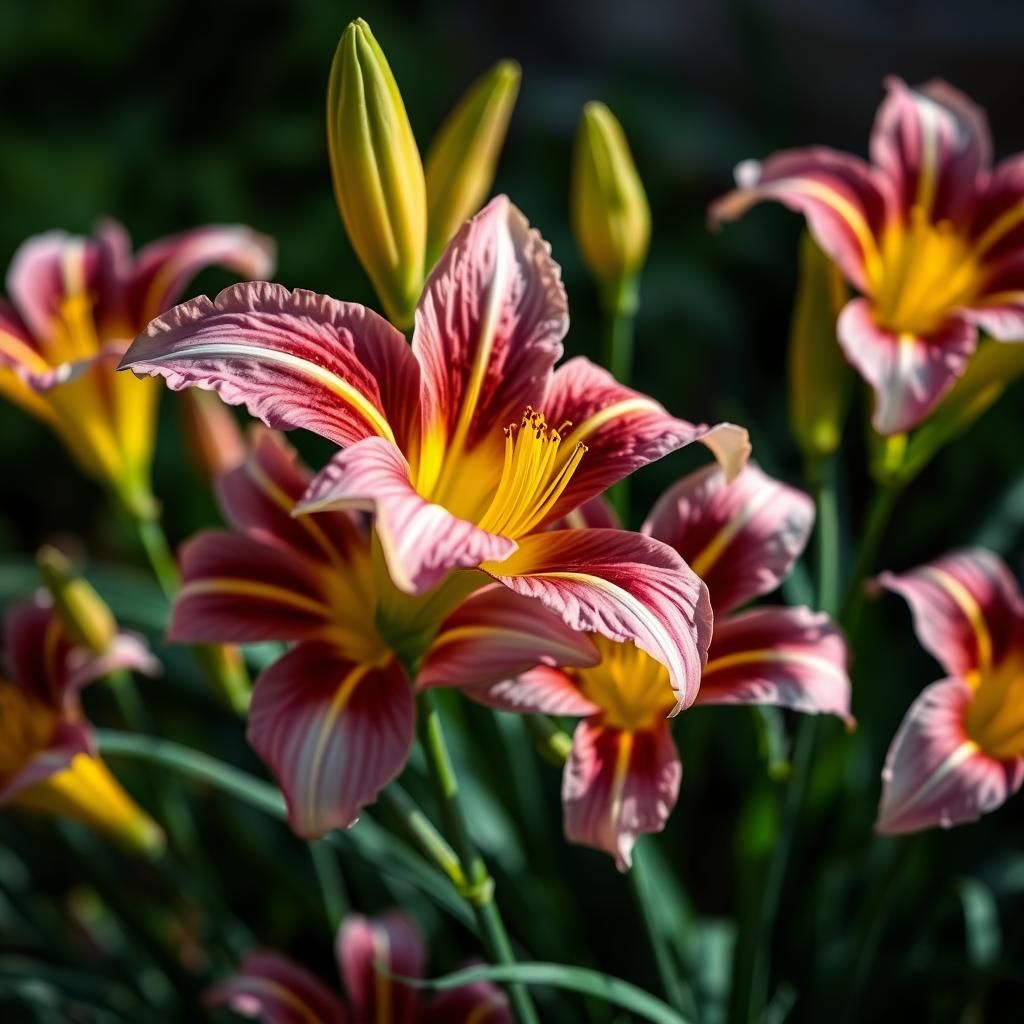
Daylilies are beloved garden perennials known for their vibrant blooms and resilience in various climates. As gardeners seek ways to enhance their growth and flowering potential, the use of Epsom salt has garnered attention. Rich in magnesium and sulfate, Epsom salt is believed to provide numerous benefits for plants, potentially increasing flower production and improving overall health. In this article, we will explore whether daylilies truly benefit from this mineral supplement, uncover the advantages of using Epsom salt, and share best practices for application to ensure these stunning plants thrive in your garden.
Do Daylilies Benefit from Epsom Salt?
Daylilies, known for their vibrant blooms and hardiness, can indeed benefit from the application of Epsom salt, which is composed primarily of magnesium sulfate. This natural mineral can enhance the growth of daylilies by improving nutrient absorption, particularly nitrogen, phosphorus, and potassium, which are essential for healthy foliage and abundant flowering. The magnesium in Epsom salt aids in photosynthesis, leading to stronger and greener plants. However, while it can provide benefits, it's important to use Epsom salt in moderation to avoid nutrient imbalances in the soil.
What Is Epsom Salt?
Epsom salt is a naturally occurring mineral compound made up of magnesium, sulfur, and oxygen. Commonly used in gardening, it is known for enhancing plant health by supplying essential nutrients that promote growth and flowering. Unlike regular salt, Epsom salt dissolves easily in water, making it an effective soil amendment or foliar spray. Its magnesium content is particularly beneficial for plants like daylilies, which can struggle with magnesium deficiencies in some soils.
How Does Epsom Salt Help Daylilies?
Epsom salt enhances the overall health of daylilies by allowing for better uptake of nutrients through its high magnesium content. Magnesium is a critical component of chlorophyll, which is necessary for photosynthesis. Thus, when daylilies are supplied with Epsom salt, they can produce more energy, leading to more robust growth, vibrant flowers, and improved resistance to disease. Moreover, the sulfate in Epsom salt can help improve soil structure, promoting root development and moisture retention.
How to Apply Epsom Salt to Daylilies?
To apply Epsom salt to daylilies, a common recommendation is to dissolve about 1 tablespoon of Epsom salt in a gallon of water and use it as a soil drench or foliar spray every 4-6 weeks during the growing season. This solution can help ensure that the daylilies receive a steady supply of magnesium without overwhelming the soil with excess nutrients. It's important to ensure that the plants are well-watered prior to application to prevent any potential burning of the roots.
Are There Risks of Using Epsom Salt?
While Epsom salt can be beneficial for daylilies, excessive application can lead to an imbalance in soil nutrients. Too much magnesium can interfere with the absorption of other essential minerals, like calcium and potassium, leading to potential deficiencies and negatively impacting plant health. Gardeners should always conduct a soil test before adding Epsom salt, as this will help determine if magnesium is indeed needed for their daylilies.
Best Time to Use Epsom Salt for Daylilies
The best time to apply Epsom salt to daylilies is during the growing season, particularly in the early spring and mid-summer when they are actively growing. This timing ensures that the plants can take advantage of the added nutrients to support their growth and blooming cycle. Applying Epsom salt after rainfall or during regular watering sessions can also help improve the soil's nutrient profile, allowing daylilies to flourish.
| Nutrient | Role in Plant Health |
|---|---|
| Magnesium | Essential for photosynthesis and energy production |
| Sulfate | Helps improve soil structure and nutrient availability |
| Calcium | Important for cell wall structure and development |
| Potassium | Crucial for overall plant health and stress resistance |
| Nitrogen | Essential for leaf growth and green foliage |
How to use Epsom salt on daylilies?

Using Epsom salt on daylilies can be an effective way to promote healthy growth and vibrant blooms. Epsom salt, which is composed of magnesium sulfate, provides essential nutrients that enhance the overall health of the plants. Here are some detailed methods and benefits of using Epsom salt for daylilies.
Benefits of Epsom Salt for Daylilies
Epsom salt is known to offer several benefits for daylilies, mainly due to its high magnesium content. These benefits include:
- Improved flower production: Magnesium plays a crucial role in photosynthesis, enhancing the plant's ability to produce flowers.
- Stronger roots: The nutrient helps to strengthen root systems, leading to healthier and more resilient plants.
- Rich color: Epsom salt can intensify the color of blossoms, making them more vibrant and visually appealing.
How to Apply Epsom Salt
When applying Epsom salt, it's important to do it correctly to maximize its benefits for daylilies. Here are steps to follow:
See also:
- Dissolve in water: Mix 1 to 2 tablespoons of Epsom salt in a gallon of water.
- Fertilize the soil: Pour the solution around the base of each daylily plant, avoiding contact with the leaves to prevent burn.
- Frequency: Apply this solution once a month during the growing season for best results.
Signs Your Daylilies Need Epsom Salt
It’s essential to recognize when daylilies may benefit from Epsom salt. Look for the following signs:
- Poor flowering: If your daylilies are not producing blooms as expected, it could indicate a magnesium deficiency.
- Yellowing leaves: Yellow leaves or poor foliage health might suggest a need for magnesium.
- Stunted growth: Plants that are growing slower than normal may need additional nutrients.
Alternative Uses of Epsom Salt with Daylilies
Besides the basic application, Epsom salt can be used in various ways to enhance the growth of daylilies:
- Compost additive: Mix Epsom salt into your compost pile to enrich it with magnesium before adding it to your garden.
- Soil amendment: Work Epsom salt directly into the soil before planting to improve its fertility.
- Foliar spray: Create a foliar spray solution by dissolving Epsom salt in water and applying it directly to the leaves, promoting quick absorption.
Precautions When Using Epsom Salt
While Epsom salt has many benefits, it’s essential to use it judiciously. Keep these precautions in mind:
- Avoid overapplication: Too much Epsom salt can lead to nutrient imbalances in the soil.
- Check soil conditions: Test your soil before application to determine if magnesium supplementation is necessary.
- Monitor plant response: Keep an eye on how your daylilies react after the application, adjusting use as needed.
What plants should you not put Epsom salt on?
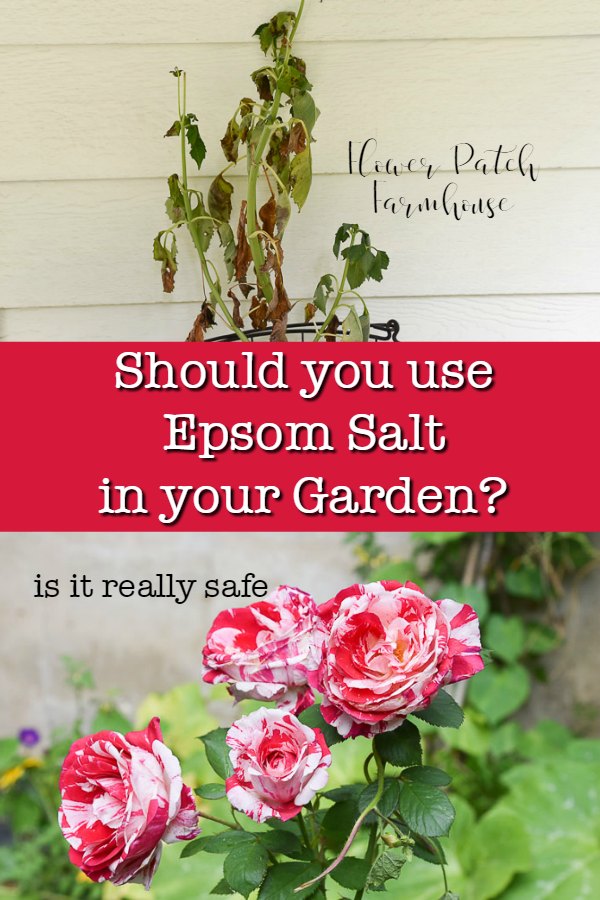
Epsom salt, or magnesium sulfate, can be beneficial for many plants, but there are certain types that do not respond well to its application. Here are the plants that should generally be avoided when considering the use of Epsom salt:
1. Root Vegetables: Epsom salt can potentially interfere with the uptake of essential nutrients.
2. Legumes: These plants can have adverse reactions since they fix nitrogen in the soil, making extra magnesium unnecessary.
3. Cabbage Family (Brassicas): Overapplication can lead to magnesium toxicity, which affects their growth negatively.
4. Succulents and Cacti: They require low magnesium levels, and extra could lead to root rot or other health issues.
5. Acid-Loving Plants: Such as blueberries or azaleas, as Epsom salt can alter the soil pH unfavorably.
Root Vegetables
Root vegetables like carrots, potatoes, and beets are sensitive to high levels of magnesium. They thrive better in balanced soil conditions, and the addition of Epsom salt may lead to nutrient imbalance. When magnesium is too high, root development can become stunted, resulting in smaller or poorly formed vegetables.
- Limit magnesium intake for optimal growth.
- Consider using balanced fertilizers instead.
- Monitor soil nutrient levels regularly.
Legumes
Leguminous plants, such as beans and peas, benefit from their own ability to fix atmospheric nitrogen. Introducing Epsom salt can hinder this natural process, leading to an oversupply of magnesium which may interfere with other nutrient uptake. This can result in less vigorous growth or poor yields.
- Focus on nitrogen-rich fertilizers.
- Avoid over-fertilization to maintain soil balance.
- Utilize soil tests to monitor nutrient levels.
Cabbage Family (Brassicas)
The Brassica family, which includes broccoli, cauliflower, and cabbage, can suffer from magnesium toxicity if Epsom salt is applied. High magnesium levels can disrupt nutrient absorption leading to yellowing leaves and reduced plant vigor. These plants prefer a specific nutrient balance for optimal growth.
- Use Epsom salt sparingly, if at all.
- Employ soil amendments for better nutrient absorption.
- Consider alternative nutrient sources.
Succulents and Cacti
Succulents and cacti are adapted to thrive in low-nutrient environments. Excess magnesium from Epsom salt can lead to root rot and other health issues. These plants require minimal watering and fertilization, as their survival depends on their ability to store water and nutrients in their tissues.
- Limit use of any fertilizer, including Epsom salt.
- Ensure proper drainage in the potting mix.
- Utilize specific cactus and succulent fertilizers when necessary.
Acid-Loving Plants
Plants such as blueberries, rhododendrons, and azaleas prefer acidic soils. The application of Epsom salt can change the soil pH, potentially making it less suitable for their growth. These plants thrive in well-aerated, acidic conditions and may show poor health if the soil becomes too alkaline.
See also:
- Opt for fertilizers designed for acid-loving plants.
- Monitor soil pH closely.
- Use organic mulch to maintain acidity levels.
How to perk up daylilies?
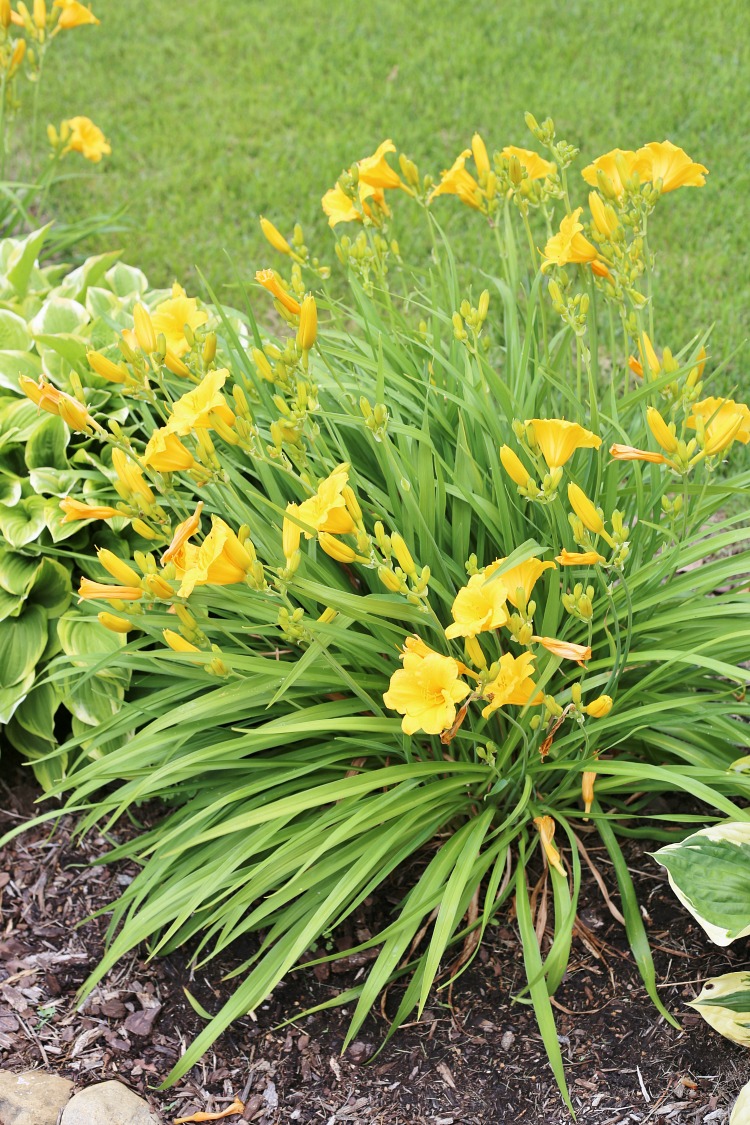
To perk up daylilies, it’s essential to ensure they receive adequate care and attention throughout their growing season. Daylilies (Hemerocallis) are hardy and relatively easy to grow, but like any plant, they can experience stress due to various factors such as poor soil conditions, insufficient water, or pest infestations. Here’s how to revitalize your daylilies:
Soil Quality Improvement
Improving the quality of the soil in which your daylilies are planted is crucial for their overall health. Follow these steps to enhance soil conditions:
- Test the soil pH to determine its acidity or alkalinity.
- Add organic matter such as compost or well-rotted manure to enrich the soil.
- Ensure good drainage by mixing sand or perlite if the soil is too compacted.
Watering Techniques
Proper watering is vital to maintain the vigor of your daylilies. Here's how to ensure they're getting enough moisture:
- Water the daylilies deeply and infrequently rather than shallowly and often.
- Monitor the weather conditions; increase watering during dry spells and reduce during rainy periods.
- Consider using mulch to retain moisture in the soil and regulate temperature.
Pest and Disease Management
To keep daylilies healthy, it’s important to regularly check for pests and diseases that could weaken them. Here’s what to do:
- Inspect leaves and stems for signs of pests like aphids or spider mites.
- Use organic pesticides or insecticidal soap as necessary to control infestations.
- Remove any infected plant material to prevent the spread of disease.
Pruning and Deadheading
Regular pruning and deadheading can significantly improve the appearance and health of daylilies. Here's how to manage this:
- Remove spent blooms to encourage more flowers and prevent resource depletion.
- Trim away dead or yellowing leaves to keep the plant looking tidy and promote new growth.
- Ensure to use clean, sharp tools to prevent injury and disease transmission.
Fertilization Strategies
Applying the right fertilizer can provide daylilies with the nutrients they need to thrive. Consider the following points:
- Choose a balanced fertilizer that is appropriate for flowering plants, typically high in phosphorus.
- Apply fertilizer in early spring as new growth begins and again after blooming to support next year’s flowers.
- Follow the manufacturer's instructions regarding the quantity and frequency of application.
Questions from Our Readers
Do daylilies benefit from Epsom salt?
Yes, daylilies can benefit from Epsom salt as it provides them with magnesium and sulfur, which are essential nutrients that promote healthy growth and flowering. Applying Epsom salt can improve their color and vigor, making them more resilient to stress.
How should Epsom salt be applied to daylilies?
Epsom salt can be applied by dissolving about one tablespoon in a gallon of water and using it as a foliar spray or a soil treatment. Make sure to apply it during the growing season for the best results, ensuring that the daylilies receive the necessary minerals to thrive.
How often should Epsom salt be used for daylilies?
It is recommended to use Epsom salt on daylilies about once a month during the growing season. This frequency helps maintain adequate magnesium levels in the soil, promoting continuous flowering and overall plant health.
Can too much Epsom salt harm daylilies?
Yes, while Epsom salt provides beneficial nutrients, excessive amounts can lead to nutrient imbalance in the soil. It's important to use it sparingly and to monitor the plant's response to avoid potential negative effects on their growth.
See also:

If you want to read more articles like Do Daylilies Like Epsom Salt? Discover the Benefits and Best Practices, we recommend you check out our Daylily category.
Leave a Reply
Related Articles