What Killed My Daylilies? Discover Common Causes and Solutions

Daylilies are cherished for their vibrant colors and resilience, often gracing gardens with their beauty. However, many gardeners face the perplexing dilemma of seeing their daylilies decline or even perish unexpectedly. Understanding what causes this decline is crucial for any plant enthusiast aimed at preserving their garden's health. In this article, we will explore the common issues that could lead to the untimely death of daylilies, including environmental factors, pests, and diseases. Additionally, we will offer practical solutions to help revive and protect these lovely perennials, ensuring they continue to thrive in your garden for years to come.
What Killed My Daylilies?
The decline of your daylilies can often be attributed to several factors, including pests, diseases, environmental stress, or improper care. Common pests like aphids and slugs can damage foliage, while diseases such as crown rot or leaf streak can devastate the plant's health. Environmental factors, such as poor drainage, extreme weather conditions, or inadequate sunlight, can also lead to the decline of daylilies. Understanding these elements is crucial for addressing the issues effectively and restoring your plants to health.
Common Pests Affecting Daylilies
Pests such as aphids, slugs, and caterpillars often target daylilies, causing noticeable damage. Aphids feed on the sap of the plant, leading to yellowed leaves and stunted growth. Slugs consume the foliage at night, leaving large holes that can render the plant unsightly. Caterpillars may also munch on the leaves, further degrading the plant's condition. Regularly inspecting your daylilies and employing preventive measures can help mitigate these threats.
Diseases That Attack Daylilies
Daylilies are susceptible to various diseases, including crown rot and leaf streak. Crown rot, caused by overwatering or poorly draining soil, can result in the plant's base rotting and eventual death. Leaf streak, on the other hand, manifests as brown streaks on the leaves and can severely affect the plant's overall vigor. It's essential to recognize these diseases early and apply appropriate treatments or cultural practices to prevent their spread.
Environmental Factors Impacting Growth
Environmental conditions play a significant role in the health of daylilies. They thrive in well-draining soil with plenty of sunlight, but too much shade or consistently wet conditions can lead to root rot and poor growth. Additionally, late frosts or extreme heat can stress the plants, leading them to decline. Assessing and modifying the planting site to ensure optimal conditions can significantly enhance the health of your daylilies.
Improper Care and Maintenance
Improper care can severely impact the vitality of daylilies. Overwatering can lead to root rot, while underwatering can stress the plants, causing wilting and poor flowering. Fertilization plays a crucial role; using the wrong type or too much fertilizer can harm the roots and reduce overall plant health. Regular maintenance, such as deadheading spent blooms and dividing overcrowded clumps, is crucial for promoting healthy growth in daylilies.
Prevention and Solutions
To protect your daylilies, employing a combination of prevention strategies is key. Regularly inspecting for pests and diseases enables early intervention, which can significantly enhance plant vitality. Ensuring proper watering practices and selecting well-draining soil can mitigate environmental stress. Additionally, rotating planting locations and incorporating organic mulch can promote healthy growth in daylilies. Knowledge of their specific needs, combined with diligent care, will lead to flourishing plants.
| Factor | Description |
|---|---|
| Pests | Aphids, slugs, and caterpillars that cause damage to foliage. |
| Diseases | Crown rot and leaf streak leading to poor health. |
| Environmental | Conditions such as drainage, sunlight, and weather stress. |
| Care | Improper watering and maintenance affecting growth. |
| Prevention | Strategies for protecting and promoting plant health. |
What ate my daylilies?

What could have eaten your daylilies? Several garden pests and animals might find daylilies appealing, leading to the destruction of your plants. Common culprits include insects, rabbits, deer, and various other wildlife. It’s crucial to identify the specific thief to take appropriate action.
Insects That Eat Daylilies
Many insects are known to feed on daylilies, causing significant damage. They can be categorized into various types based on their feeding habits:
See also:
- Snails and Slugs: These soft-bodied mollusks feast on daylily leaves, leaving behind slimy trails and ragged holes.
- Spider Mites: Microscopic pests that suck the juices from the leaves, causing a speckled appearance and eventually leading to leaf drop.
- Japanese Beetles: These beetles consume daylily foliage, resulting in skeletonized leaves that can stunt plant growth.
Small Mammals That May Be Feeding on Them
Various small mammals are known to nibble on daylilies, especially during spring and summer when food is abundant:
- Rabbits: These creatures love to munch on the tender shoots and flowers of daylilies, often leaving the stem bare.
- Groundhogs: Known for their voracious appetites, groundhogs can decimate a patch of daylilies in no time.
- Deer: They typically target daylilies when other food sources are scarce, and they can consume entire plants, leaving only stubs.
Environmental Factors Encouraging Pests
Certain environmental conditions can encourage pests and wildlife to target your daylilies:
- Overgrown Areas: Unkempt gardens can provide shelter for pests and rodents, making them more likely to invade.
- Wet Conditions: Excess moisture can attract slugs and snails, creating a perfect environment for these pests.
- Lack of Natural Predators: An absence of birds and other natural predators can lead to a rise in pest populations.
Signs of Damage on Daylilies
Identifying the signs of damage can help you figure out what’s eating your daylilies:
- Caterpillar Tracks: The presence of droppings and chewed leaves suggests caterpillar activity.
- Holes in Leaves: Small holes or patches missing from the foliage can indicate insect feeding.
- Misshapen Flowers: Flowers that appear gnawed or have an unusual shape are often the result of animal feeding.
Preventive Measures
Taking measures to protect your daylilies is essential in preventing further damage:
- Fencing: Installing fences can help deter larger animals like deer and rabbits from accessing your plants.
- Natural Predators: Encouraging birds and beneficial insects can help keep pest levels down.
- Organic Pesticides: Using organic methods can control insect populations without harming beneficial species.
How to save dying daylily?

To save a dying daylily, it is essential to understand the common issues that can lead to its decline and take proactive steps to restore its health. Daylilies are generally hardy plants, but they can suffer from various problems, including diseases, pests, and poor care practices. Here is a detailed guide on how to revive a struggling daylily plant.
Identifying the Symptoms of a Dying Daylily
Recognizing the symptoms of a dying daylily is the first step towards salvaging it. Common signs include yellowing leaves, wilting, stunted growth, and poor flowering. Here are a few symptoms to look out for:
- Yellowing Leaves: Indicates nutrient deficiency or overwatering.
- Wilting: Often a sign of underwatering or root issues.
- Pests: Look for visible insects or damage to leaves.
Assessing Soil Conditions
Soil health is crucial for the survival of daylilies. Poor drainage or compacted soil can lead to root rot and other issues. To assess your soil, consider the following:
- Drainage: Check if water pools around the plant after heavy rain.
- pH Level: Daylilies prefer a pH between 6.0 and 6.8; test the soil to ensure it’s within this range.
- Nutrient Levels: Use a soil test kit to measure nutrient levels and amend the soil as needed.
Proper Watering Techniques
Watering can be a double-edged sword for daylilies. Both overwatering and underwatering can lead to stress. To ensure proper hydration, follow these tips:
- Consistent Schedule: Water deeply once or twice a week, depending on rainfall.
- Morning Watering: Water early in the day to reduce evaporation and fungal growth.
- Avoid Wetting Foliage: Focus on watering at the base of the plant to prevent diseases.
Controlling Pests and Diseases
Pests and diseases can severely impact the health of daylilies. Identifying and treating them promptly is key to saving your plant:
See also:
- Inspect Regularly: Look for signs of pests like aphids or spider mites.
- Use Organic Pesticides: If infestations occur, treat pests using neem oil or insecticidal soap.
- Fungal Issues: If you notice spots or mildew, apply a fungicide as a preventive measure.
Fertilization and Nutrient Management
Providing adequate nutrients is essential for the recovery of a dying daylily. Here are strategies for effective fertilization:
- Balanced Fertilizer: Use a balanced, slow-release fertilizer, following package instructions for quantities.
- Organic Matter: Incorporate compost to improve soil fertility and structure.
- Timing: Fertilize in early spring and again in mid-summer to support healthy growth.
How do I bring daylilies back to life?
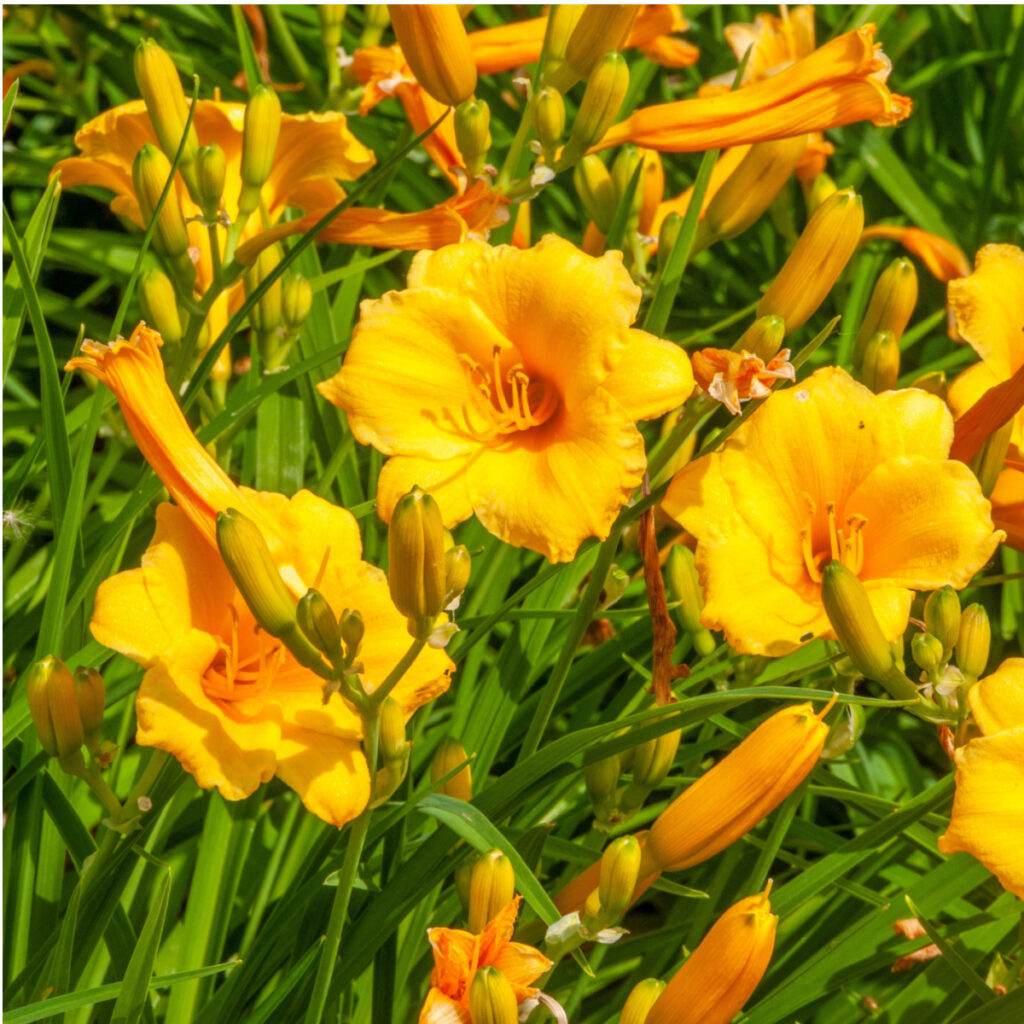
To bring daylilies back to life, it is essential to understand the factors that affect their health and growth. Daylilies, known for their vibrant blooms and hardiness, can face several challenges that may lead them to decline. Here are several steps and considerations to help rejuvenate your daylilies.
Assess the Current Condition
Before taking action, it's crucial to evaluate the health of your daylilies. Look for signs of distress such as wilting leaves, yellowing foliage, or stunted growth. Identifying the underlying issues can help target the right solution. During your assessment, consider the following:
- Check for pest infestations like aphids or spider mites.
- Look at the soil moisture level; daylilies need consistent, but not soggy, moisture.
- Examine the overall size and health of the root system for any signs of rot or overcrowding.
Proper Watering Techniques
Watering plays a critical role in the recovery of daylilies. These plants prefer well-drained soil and need adequate water to thrive. To rejuvenate your daylilies, follow these practices:
- Water deeply and infrequently; about 1 inch of water per week is generally sufficient, depending on rain.
- Ensure the soil drains well to avoid waterlogged conditions, which can lead to root rot.
- Water in the morning to allow foliage to dry during the day, reducing the risk of disease.
Soil Quality and Nutrients
The soil quality significantly impacts the health of daylilies. Ensuring that they have access to adequate nutrients can facilitate recovery. Consider the following tips:
- Test the soil pH; daylilies prefer slightly acidic to neutral soil (pH 6.0 to 7.0).
- Incorporate organic compost or well-rotted manure to improve nutrient levels.
- Use a balanced fertilizer, following the manufacturer’s instructions, to provide essential macro and micronutrients.
Pruning and Maintenance
Regular maintenance can help improve the overall appearance and health of your daylilies. Pruning dead or damaged foliage can encourage new growth. Here's how to proceed:
- Cut back any brown or damaged leaves to promote a cleaner look and prevent disease.
- Remove spent flowers to encourage further blooming and to keep the plant healthy.
- Divide crowded clumps every 3-5 years to promote airflow and prevent competition for nutrients.
Preventive Measures for the Future
To ensure your daylilies remain healthy, implementing preventive measures is paramount. These steps will help avoid future issues:
- Regularly inspect plants for early signs of pests or diseases.
- Provide mulch around the base of the plants to retain moisture and suppress weeds.
- Plant daylilies in locations where they receive full sun to optimal light during the day.
Questions from Our Readers
What are the common diseases that can kill daylilies?
Many daylilies fall victim to diseases such as crown rot, root rot, and leaf streak. These diseases can be caused by fungi, bacteria, or environmental stress. Ensuring proper drainage and air circulation can help prevent these issues.
How do pests affect daylilies?
Pests like aphids, spider mites, and thrips can severely damage daylilies by feeding on the foliage and roots. This damage can lead to weakened plants and increase their susceptibility to other stressors, including diseases.
See also:
Can environmental factors kill daylilies?
Yes, daylilies can be affected by environmental stressors such as extreme temperatures, poor soil nutrition, and overwatering. These conditions can lead to poor growth and eventually result in the plant's death if not addressed promptly.
What are some signs that my daylilies are dying?
Signs of dying daylilies include yellowing leaves, stunted growth, and faded blooms. If you notice any of these symptoms, it is crucial to assess the care and environment they are in to identify potential issues.

If you want to read more articles like What Killed My Daylilies? Discover Common Causes and Solutions, we recommend you check out our Daylily category.
Leave a Reply
Related Articles