Where is the Best Place to Plant Daylilies? Tips for Optimal Growth and Care

When it comes to planting daylilies, choosing the right location is crucial for their optimal growth and vibrant blooms. These hardy perennials thrive in a variety of conditions, but understanding their specific needs can make all the difference in your garden. Factors such as sunlight, soil type, and drainage play significant roles in ensuring these beautiful flowers flourish. In this article, we will explore the best places to plant daylilies, along with essential tips for their care and maintenance. Whether you're a seasoned gardener or a beginner, these insights will help you achieve a stunning display of daylilies in your landscape.
Where is the Best Place to Plant Daylilies?
Planting daylilies in the right location is essential for their growth and flowering potential. The best place to plant daylilies is in a spot that receives full sun for at least six hours a day, although they can tolerate partial shade. Well-drained soil is crucial, as daylilies do not thrive in waterlogged conditions. Additionally, choosing a location with good air circulation will help prevent diseases and promote healthy growth. As perennials, daylilies can be grown in various garden settings, from borders to mixed beds, and can even tolerate drought conditions once established, making them a versatile choice for any gardener.
Soil Requirements for Daylilies
The ideal soil for daylilies is loamy and well-drained, rich in organic matter. Test your soil pH, aiming for a range between 6.0 and 7.0, which is optimal for these plants. Amending the soil with compost can improve its texture and nutrient content, providing a perfect environment for daylilies to thrive. Avoid heavy clay or sandy soils as these can impede root development or lead to drought stress.
Sunlight Needs of Daylilies
Daylilies flourish best in full sun, requiring at least six hours of direct sunlight daily. However, they can tolerate partial shade, especially in hotter climates, where afternoon shade can protect them from the harshest rays. When selecting a planting location, observe your garden to determine areas that receive abundant sunlight without obstruction from trees or buildings.
Spacing Considerations for Daylilies
Proper spacing is vital when planting daylilies to allow for adequate air circulation and growth. Generally, it is recommended to space your plants about 18 to 24 inches apart. This spacing helps to prevent overcrowding, which can foster diseases like rot. By ensuring sufficient distance, you allow the foliage to expand and the flowers to bloom optimally.
Watering Guidelines for Daylilies
After planting, daylilies should be watered thoroughly to establish their roots. Once established, they are relatively drought-tolerant, requiring less frequent watering. However, during dry spells, a deep watering every week is beneficial. It's important to avoid overhead watering and instead focus on watering the base of the plants to keep the foliage dry and prevent fungal diseases.
Best Companion Plants for Daylilies
When considering what to plant alongside daylilies, choose companions that share similar light and water requirements. Plants like hostas, astilbes, and sedums work well due to their compatibility in moisture and nutrient needs. Furthermore, pairing daylilies with other perennials can enhance visual interest in the garden, creating a dynamic and thriving landscape.
| Aspect | Ideal Condition |
|---|---|
| Sunlight | Full sun (6+ hours) |
| Soil Type | Loamy and well-drained |
| pH Level | 6.0 - 7.0 |
| Spacing | 18 - 24 inches apart |
| Watering | Weekly deep watering during dry spells |
Do daylilies prefer morning or afternoon sun?
:max_bytes(150000):strip_icc()/how-to-grow-and-care-for-daylilies-5075400-hero-dc8f260afc6844dcb9067abebeb883ae.jpg)
Daylilies generally thrive in full sun, but they can adapt to varying light conditions. When it comes to the choice between morning sun and afternoon sun, daylilies tend to perform better with a combination of both, though they usually prefer morning sunlight.
Advantages of Morning Sun for Daylilies
Morning sun is advantageous for daylilies for several reasons:
- Less Intense Heat: Morning sunlight is typically cooler than the intense heat of afternoon sun, which helps to prevent heat stress.
- Moisture Preservation: Morning sun allows dew to evaporate, which can reduce the risk of fungal diseases.
- Growth Stimulation: Early sunlight aids in photosynthesis, promoting healthy growth and vibrant blooms during the day.
Impact of Afternoon Sun on Daylilies
While daylilies can tolerate afternoon sun, too much can have certain impacts:
See also:
- Risk of Heat Stress: The harsh rays of afternoon sun can lead to wilting and dehydration.
- Color Fading: Intense afternoon heat may cause blooms to fade more quickly, reducing their visual appeal.
- Watering Needs: Daylilies may require more frequent watering in areas with strong afternoon sun, making maintenance more demanding.
Best Practices for Planting Daylilies
When planting daylilies, consider these best practices for optimal sun exposure:
- Location: Choose a site that receives at least six hours of sunlight, preferably with morning sun.
- Soil Quality: Ensure well-draining soil that retains moisture but does not become waterlogged.
- Spacing: Plant daylilies with enough space between them to allow sufficient air circulation, which is crucial in sunlit areas.
Observing Daylily Behavior
Monitor the behavior of your daylilies to determine their sun preferences:
- Bloom Timing: Observe when blooms open; daylilies often open during the day, favoring morning light.
- Leaf Health: Check for any signs of leaf burn or stress, which may indicate excessive afternoon sun.
- Flower Longevity: Note how long flowers last; shorter lifespan in full afternoon sun may suggest too much heat exposure.
Regional Considerations for Sun Exposure
The regional climate can greatly influence how daylilies perform in morning versus afternoon sun:
- Climate Zones: In cooler climates, afternoon sun can be beneficial, while in hotter regions, morning sun is more favorable.
- Elevation: Higher elevations with stronger sunlight may necessitate a preference for morning sun.
- Humidity Levels: In humid climates, morning sun helps in drying foliage, reducing disease risk.
Where to plant daylilies in your yard?
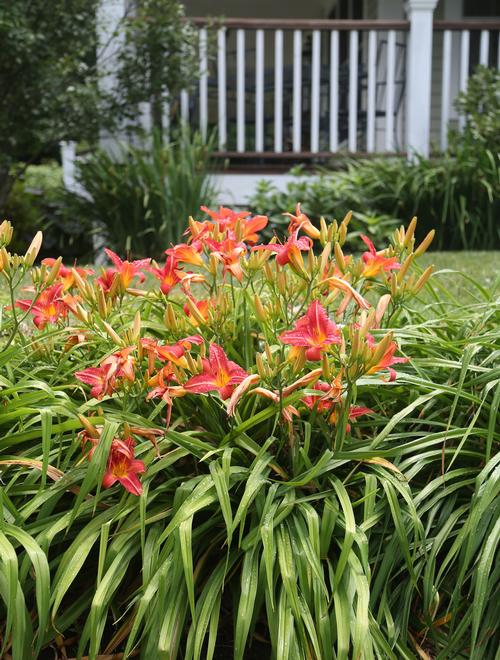
To successfully plant daylilies in your yard, you must consider a few essential factors to ensure their optimal growth and blooming. Daylilies are versatile perennials that thrive in various conditions, but for best results, you should choose a suitable location that meets their needs. Here are some guidelines to help you determine the best spots for planting daylilies.
Understanding Sunlight Requirements
Daylilies thrive in environments that provide ample sunlight, so choosing the right location with the right amount of light exposure is crucial.
- Full Sun: Aim for a location that receives at least 6 hours of direct sunlight each day. This maximizes blooming potential and encourages healthy growth.
- Partial Shade: Daylilies can tolerate some shade, especially in hotter climates. However, with less sunlight, they may not bloom as profusely.
- Avoid Full Shade: Locations with minimal sunlight may lead to poor performance, so it's best to avoid planting daylilies in shady areas.
Soil Conditions for Daylilies
The soil quality where you plant your daylilies is vital for their growth.
- Well-Drained Soil: Daylilies flourish in soil that drains easily. Poor drainage can lead to root rot and other issues.
- pH Level: A slightly acidic to neutral pH (between 6.0 and 7.0) is ideal for daylilies, promoting nutrient uptake and healthy growth.
- Organic Matter: Incorporating organic material, such as compost, can enhance soil fertility and structure, benefiting your daylilies significantly.
Spacing and Grouping Considerations
Proper spacing and grouping of your daylilies are essential for their health and stunning visual impact.
- Spacing: When planting, space your daylilies approximately 18 to 24 inches apart to allow for adequate air circulation and growth.
- Grouping: Plant in clusters rather than isolated single plants to create a more attractive display and make maintenance easier.
- Height and Color Variation: Consider mixing different colors and heights to add dimension and visual interest to your flowerbeds.
Choosing the Right Location in Your Yard
The physical location in your yard plays a significant role in the success of your daylilies.
- Near Pathways: Planting daylilies along garden paths or walkways offers a vibrant visual appeal and a delightful fragrance.
- Flower Beds: Incorporate them into established flower beds to enhance color and thickness in your garden landscape.
- Border Areas: Daylilies make excellent border plants for separating different garden areas, providing a natural transition.
Factors to Avoid When Planting Daylilies
Certain conditions and practices can hinder the growth of your daylilies.
- Flood-Prone Areas: Avoid planting in low-lying spots where water tends to accumulate, as this can harm the roots.
- Compacted Soil: Ensure that the soil is loose and not compacted, as this can hinder root development.
- Close Proximity to Trees: Stay clear of areas where tree roots may compete for nutrients and water, as daylilies may struggle in such conditions.
Do daylilies like to be crowded?
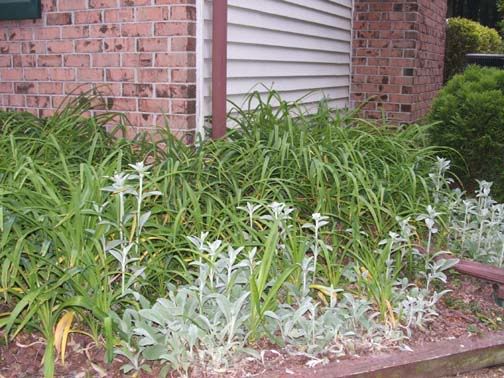

Daylilies, botanically known as Hemerocallis, are versatile perennials that can tolerate a variety of growing conditions. However, whether they like to be crowded is a nuanced question. While daylilies are quite resilient and can survive in crowded conditions, they do not thrive or reach their full potential when overcrowded.
Crowded daylilies often compete for the same resources—such as water, nutrients, and sunlight—leading to poor growth and fewer blooms. Over time, their root systems can become restricted, which may result in smaller flowers and a decline in overall plant health. Regular division and spacing are essential for maintaining the vigor and beauty of daylilies.
Understanding Daylily Growth Habits
Daylilies have a clumping growth habit, which means they naturally spread through rhizomes. Understanding how they grow can help gardeners provide the best conditions for them.
- Clumping Method: Daylilies grow in dense clusters, gradually expanding outward.
- Rhizome Development: They propagate through underground rhizomes, which can lead to a crowded effect if not managed.
- Spacing Needs: Ideally, daylilies should be spaced at least 18 inches apart to allow proper air circulation and light penetration.
Signs of Crowding in Daylilies
When daylilies become overcrowded, several indications can signal that action is needed.
- Reduced Blooming: A noticeable decrease in flower production is often a telltale sign of overcrowding.
- Stunted Growth: Crowded plants may appear smaller and less vigorous, exhibiting weak stems and foliage.
- Competing Roots: Intertwined roots can limit nutrient uptake and water absorption, resulting in poor health.
Best Practices for Daylily Spacing
To maintain healthy daylilies, proper spacing and care are crucial. Gardeners should implement specific practices to ensure optimal growth.
- Regular Division: It is recommended to divide daylilies every 3 to 4 years to prevent overcrowding.
- Planting Techniques: When planting new daylilies, ensure adequate space between each plant, typically 18-24 inches.
- Monitoring Growth: Keep an eye on how quickly they spread and adjust as needed based on their growth rate.
Benefits of Proper Spacing
By spacing daylilies correctly, gardeners can enjoy several advantages that contribute to thriving plants.
- Enhanced Sunlight Exposure: Properly spaced plants receive adequate sunlight, improving photosynthesis and overall growth.
- Improved Air Circulation: Good spacing reduces the likelihood of fungal diseases and pests, promoting healthier plants.
- More Abundant Blooms: With sufficient resources, daylilies will produce more flowers, resulting in a splendid display.
Common Mistakes in Daylily Care
Understanding common mistakes can help gardeners avoid pitfalls in the care of daylilies.
- Neglecting to Divide: Failing to regularly divide plants can lead to overcrowding and diminished blooms.
- Incorrect Spacing: Planting too closely can hinder growth and create competition for essential resources.
- Overwatering: While daylilies need water, excess moisture in crowded conditions can lead to root rot.
Questions from Our Readers
Where is the best place to plant daylilies?
The best place to plant daylilies is in a location that receives full sun for at least 6 hours a day. They thrive in well-drained soil that is rich in organic matter. Planting them in a spot with moderate moisture will allow them to flourish and produce abundant blooms.
Can daylilies tolerate shade?
While daylilies can tolerate partial shade, they perform best in full sunlight. Insufficient sunlight can result in fewer flowers and weaker growth. Therefore, choosing a location that allows ample sunlight is crucial for a vibrant display.
What soil type is ideal for planting daylilies?
Daylilies prefer loamy or sandy soil that is well-drained. Adding organic matter such as compost can improve soil fertility and drainage, making it an ideal environment for these resilient plants.
How far apart should daylilies be planted?
When planting daylilies, it is recommended to space them about 18 to 24 inches apart. This spacing allows for adequate air circulation and room for growth, ensuring that each plant can reach its full potential without overcrowding.
See also:

If you want to read more articles like Where is the Best Place to Plant Daylilies? Tips for Optimal Growth and Care, we recommend you check out our Daylily category.
Leave a Reply
Related Articles