What Happens If You Don't Deadhead Daylilies? Essential Tips for Gardeners

Deadheading is a critical practice for maintaining the health and beauty of daylilies. For gardeners, understanding what happens when this essential step is overlooked can lead to a more vibrant garden. Failure to deadhead daylilies not only affects the plant's appearance but can also impact its growth and blooming potential. In this article, we'll explore the consequences of neglecting this important task, including reduced flowering, increased disease susceptibility, and overall plant vitality. Additionally, we will provide essential tips and best practices for effective deadheading, ensuring that your daylilies thrive and continue to delight all season long.
What Happens If You Don't Deadhead Daylilies?
If you don't deadhead your daylilies, you may witness a decline in their overall vigor and flowering performance. The spent blooms will not only detract from the plant's aesthetic appeal but can also lead to disease and increased insect populations, as decaying flowers attract pests. Additionally, without deadheading, the plant will divert energy towards producing seed pods instead of concentrating on generating new blooms. This energy loss can result in fewer flowers in the following season, ultimately compromising the health and beauty of your garden.
Impact on Aesthetics
Not deadheading daylilies results in a garden that can appear untidy and less appealing. The presence of wilted or spent flowers takes away from the vibrant display that daylilies can offer. Gardeners often value the visual impact of their plants, and skipping the deadheading process can lead to fewer compliments and reduced enjoyment of the garden's beauty.
Risk of Disease
Deadheading is crucial in maintaining the health of daylilies, as spent flowers can become a breeding ground for diseases and fungal infections. Rotting blooms may attract harmful pathogens that can compromise the plant's health. By failing to remove these spent flowers, you inadvertently increase the risk of potential outbreaks that could spread to other plants in your garden.
Increased Pest Attraction
Leaving spent blooms on daylilies can attract unwanted pests such as aphids, beetles, and others that thrive on decaying plant material. These pests not only feed on the plants but can also introduce further diseases, exacerbating issues within the overall garden ecosystem. Regular deadheading minimizes the chances of pest infestations and supports a healthier environment for your plants.
See also:
Energy Diversion to Seed Production
Daylilies have a natural inclination to produce seeds once their blooms have faded. If deadheading is neglected, energy that could be utilized to generate more blooms is instead used to develop seed pods. This energy diversion results in a reduction in bloom quantity for the next growing season, ultimately leading to a less vibrant display.
Long-term Effects on Flower Production
Neglecting to deadhead daylilies can have long-term impacts on their flowering capabilities. Over time, as plants continue to expend energy on seed production, they may begin to bloom less frequently, resulting in a decline in floral abundance. For gardeners hoping to maintain a breathtaking floral display, consistent deadheading is essential for sustaining vibrant and plentiful blooms year after year.
| Effect | Description |
|---|---|
| Visual Appeal | Untidy appearance due to spent flowers |
| Disease Risk | Increased likelihood of fungal infections |
| Pest Attraction | Higher chance of pest infestations |
| Energy Diversion | Resources spent on seed production |
| Flower Production | Reduced blooms over time |
The Impact of Neglecting to Deadhead Daylilies
Failing to deadhead your daylilies can lead to several consequences that may affect the overall health and appearance of your garden. When old blooms are not removed, the plant may expend energy on producing seed pods rather than focusing on new growth and additional flowers. This can result in a decrease in the vigor of the plant, making it less dynamic and potentially reducing flowering in future seasons. Additionally, neglected daylilies may become more susceptible to disease and pest issues, as the decaying petals can create a harboring environment for unwanted insects and fungal pathogens. Understanding the importance of deadheading is crucial for maximizing your daylilies' potential and maintaining their beauty throughout the growing season.
Benefits of Deadheading Daylilies
Deadheading daylilies yields numerous significant benefits. This practice not only helps maintain a tidy appearance but also encourages the production of more blooms. By removing spent flowers, you stimulate the plant to invest energy in new flower development rather than seed production. Consequently, this leads to a longer flowering period, allowing gardeners to enjoy the vivid colors and beauty of their daylilies for an extended timeframe. Moreover, regular deadheading contributes to overall plant health by minimizing the risk of disease and promoting vigorous growth.
Timing for Deadheading Daylilies
The timing for deadheading daylilies plays an essential role in the success of this practice. It is recommended to deadhead the flowers as soon as they begin to wilt and lose their vibrancy. Doing so promptly prevents the plant from investing energy in seed production and encourages a consistent cycle of blooming. Additionally, being attentive during the flowering season allows gardeners to maximize the aesthetic appeal of their garden, ensuring that the daylilies remain lush and visually striking throughout their blooming period.
See also:
Techniques for Effective Deadheading
Using the correct techniques for deadheading daylilies can make a significant impact on the results. The most effective method involves using clean, sharp scissors or garden shears to cut the stem just above the foliage without damaging the surrounding leaves. This approach not only enhances the plant's appearance but also promotes healthy growth by avoiding any unnecessary stress on the remaining parts of the plant. Gardeners should aim to deadhead regularly during the blooming season to maintain optimal flowering performance.
Common Mistakes When Deadheading Daylilies
Despite its benefits, there are common mistakes that gardeners may make when deadheading daylilies. One prevalent error is waiting too long to deadhead spent flowers, which can lead to unnecessary energy expenditure on seed production. Another mistake involves cutting the stems too low, risking the health of the plant's leaves, which are essential for photosynthesis. Additionally, inadvertently missing spent blooms can also hinder the blooming potential of the plant in the subsequent weeks, emphasizing the importance of staying attentive to the gardening process.
Alternative Care Tips for Daylilies
In addition to deadheading, implementing alternative care tips is vital for maintaining the health of daylilies. Ensuring that plants receive adequate water and sunlight is crucial, as they thrive in well-drained soil with full sun exposure. Fertilizing with a balanced, slow-release fertilizer during the growing season can also promote robust growth and vibrant blooms. Furthermore, monitoring for pests and diseases, combined with proper spacing between plants, can enhance air circulation and reduce the likelihood of issues, ultimately leading to healthier daylilies that thrive in the garden.
Questions from Our Readers
What happens if you don't deadhead daylilies?
If you don't deadhead daylilies, the plant will focus its energy on producing seeds instead of growing new flowers. This can result in fewer blooms in the following season, as the plant may become stressed or exhausted from seed production.
Will not deadheading affect the health of my daylilies?
Yes, not deadheading can negatively impact the health of your daylilies. The absence of this practice can lead to overcrowding of spent flowers, which may attract pests and diseases that could harm the plant's overall vitality.
See also:
Can I still deadhead daylilies later in the season?
Absolutely! It's never too late to deadhead your daylilies during the blooming season. Even late deadheading can help redirect the plant's energy, potentially leading to a blooming resurgence or improved foliage health.
How often should I deadhead my daylilies?
You should aim to deadhead your daylilies regularly, typically every few days as spent flowers begin to wilt. This encourages new growth and blooms, ensuring your plants remain vibrant throughout the blooming season.
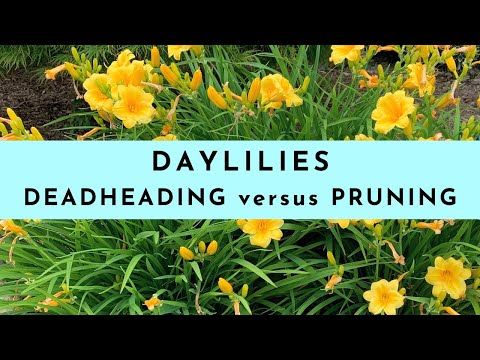
If you want to read more articles like What Happens If You Don't Deadhead Daylilies? Essential Tips for Gardeners, we recommend you check out our Daylily category.
Leave a Reply
Related Articles