Discover What is Attracted to Daylilies: Uncovering the Beauty of Nature's Pollinators
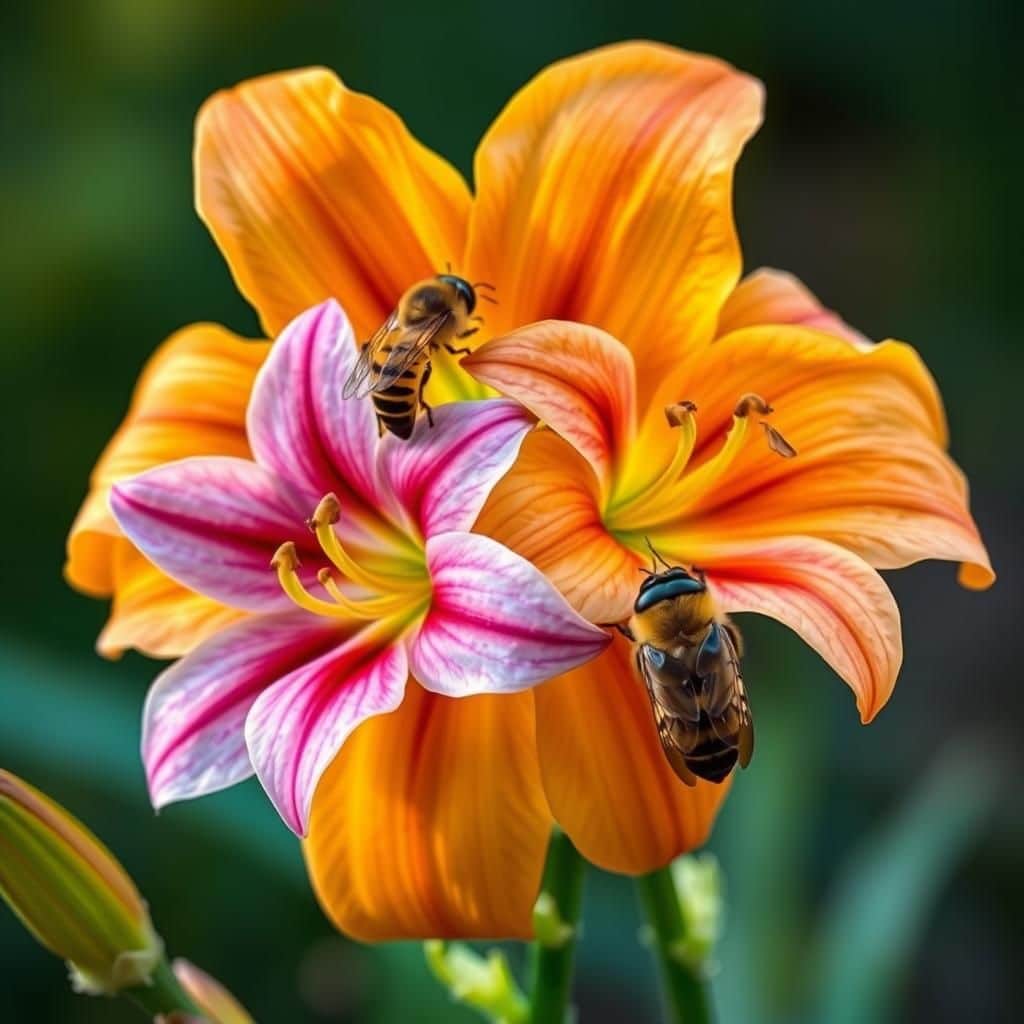
Daylilies, with their vibrant hues and delicate petals, are more than just a stunning addition to any garden; they serve as a crucial resource for various pollinators. Understanding what attracts these beautiful blooms can deepen our appreciation for nature's intricate web of life. From bees and butterflies to hummingbirds, daylilies draw an array of wildlife that plays a vital role in maintaining ecological balance. This article delves into the fascinating relationships between daylilies and their pollinators, revealing how these interactions enhance both the garden experience and the surrounding environment. Join us as we uncover the beauty and significance of these natural connections.
What Is Attracted to Daylilies?
Daylilies are not only beautiful perennial plants, but they also attract a variety of pollinators and beneficial insects. Their vibrant flowers are particularly appealing to honeybees, bumblebees, and butterflies, which are drawn to the bright colors and sweet nectar. Additionally, daylilies can attract other insects such as ladybugs and lacewings, which are helpful in controlling pests in the garden. The plant's foliage and flowers provide essential habitats and food sources for these creatures, making them an engaging choice for gardeners aiming to enhance biodiversity and support local ecosystems.
Types of Pollinators
A variety of pollinators visit daylilies, including species like honeybees, native bees, and butterflies. These organisms are attracted to the flowers primarily due to their bright colors and sweet scent, which signal the presence of nectar. This interaction not only aids in the reproductive process of the daylilies but also supports the pollinators by providing them with essential food sources during their active seasons.
Benefits for Garden Ecosystem
Daylilies contribute significantly to the garden ecosystem by attracting beneficial insects. With their ability to entice not just pollinators but also predators of common garden pests, they create a balanced environment that reduces the need for chemical pesticides. The varied life forms that daylilies attract help in maintaining a healthy ecosystem by promoting pollination, pest control, and even nutrient cycling in the soil, benefiting other plants in the vicinity.
Companion Planting with Daylilies
In terms of companion planting, incorporating daylilies can enhance the health of neighboring plants. Their flowers attract beneficial insects that prey on pests like aphids and spider mites. Coupled with their ability to thrive in diverse soil conditions, daylilies can be planted alongside vegetables and herbs. This not only provides aesthetic appeal but also promotes a symbiotic relationship where both daylilies and companion plants can flourish together.
See also:
Seasonal Attractiveness
The seasonal cycles of daylilies make them particularly attractive to various insects. Blooming in late spring and through summer, daylilies provide a consistent source of nectar when many other flowering plants may not be available. This timing is critical for both early foraging pollinators and those that emerge later in the season, ensuring that they have ample resources during their life cycles.
Daylily Varieties and Their Appeal
Different varieties of daylilies can attract diverse insects based on their flower shapes, sizes, and colors. Larger, more vibrant daylily types may be especially attractive to larger pollinators like butterflies, while smaller varieties might appeal to specific bee species. By choosing a range of daylily types in the garden, one can create a habitat that supports a multitude of creatures, ultimately enhancing the biodiversity of the setting.
| Attracting Organism | Reason for Attraction |
|---|---|
| Honeybees | Attracted by bright colors and nectar |
| Bumblebees | Seek nectar-rich flowers for feeding |
| Butterflies | Drawn to vibrant blooms and nectar |
| Ladybugs | Encouraged by the presence of aphids |
| Lacewings | Attracted to nectar and pollen sources |
The Significance of Daylilies in Pollinator Habitats
Daylilies are not just visually stunning but also play a crucial role in supporting a diverse range of pollinators. These vibrant flowers attract a variety of insects, including bees, butterflies, and hummingbirds, which are essential for the pollination process. The unique shape and bright colors of the daylily are specifically designed to attract these creatures, ensuring that they can thrive in their respective ecosystems. This connection highlights the importance of preserving daylilies and their habitats, as they contribute to the overall health of our natural world by supporting these vital species.
Types of Pollinators Attracted to Daylilies
Daylilies serve as a haven for numerous types of pollinators. Among them, bees are perhaps the most significant, as they are often drawn to the nectar-rich flowers, playing a pivotal role in the pollination of many plants. Additionally, butterflies are also attracted to daylilies due to their bright colors and sweet scent, while hummingbirds are attracted to the tubular flower shape where they can access nectar. Each of these pollinators contributes uniquely to the daylily's reproductive success and the wider ecosystem.
The Role of Daylilies in Ecosystem Balance
The presence of daylilies in a garden or natural landscape contributes to the balance of the ecosystem. They not only provide a food source for various pollinators, but they also offer shelter and habitat for numerous other species. By attracting a multitude of insects, daylilies facilitate a network of interactions that supports biodiversity, allowing for a healthier environment that can sustain various forms of life. This interconnectedness is crucial for maintaining the resilience of ecosystems in the face of changing environmental conditions.
See also:
Seasonal Blooms and Pollinator Activity
The timing of daylily blooms plays a critical role in pollinator activity throughout the seasons. Daylilies typically bloom in the summer, coinciding with the peak activity of many pollinating insects. This seasonal availability ensures that pollinators have a consistent food supply during the warmer months, which is crucial for their survival and reproductive cycles. The synchronization between daylily flowering times and pollinator activity underscores the dynamic relationships that exist within natural ecosystems and emphasizes the need for seasonally aware gardening practices.
Benefits of Planting Daylilies in Your Garden
Incorporating daylilies into your garden can significantly enhance the habitat for local pollinators. Beyond their aesthetic appeal, these plants require minimal care and can thrive in a variety of soil types, making them an ideal choice for environmentally conscious gardeners. By providing a rich source of nectar and a natural sanctuary, daylilies encourage the presence of beneficial insects like bees and butterflies, which, in turn, can improve the pollination of other plants in your garden. This reciprocal relationship can lead to a more productive and vibrant gardening experience.
Conservation Efforts for Daylilies and Their Pollinators
Conservation efforts aimed at protecting daylilies and their associated pollinators are becoming increasingly important. With habitat loss and environmental changes threatening both flora and fauna, initiatives focusing on the preservation of native daylilies can help safeguard the delicate balance of our ecosystems. Community gardens, educational programs, and wildlife habitats that prioritize the growth of daylilies can aid in creating awareness about the role these plants play in supporting biodiversity. Protecting daylilies not only benefits their immediate pollinators but also contributes to the overall health of the environment.
Questions from Our Readers
What types of insects are attracted to daylilies?
Daylilies are particularly attractive to various types of pollinators, including bees, butterflies, and hummingbirds. These insects and birds are drawn to the bright colors and sweet nectar that daylilies produce, making them an essential part of the ecosystem.
Do daylilies attract pests?
Yes, while daylilies attract beneficial insects, they can also draw in pests such as aphids, spider mites, and slugs. These pests might damage the plants, so it’s important for gardeners to monitor their daylilies regularly for any signs of infestation.
See also:
How can I encourage beneficial insects to visit my daylilies?
To encourage beneficial insects, it's advisable to create a diverse garden environment by incorporating a mix of native plants, avoiding pesticides, and providing habitat like small stones or patches of soil for them to thrive in. This not only attracts pollinators but also helps maintain the balance of the garden ecosystem.
Are daylilies good companions for other plants?
Yes, daylilies are known to be excellent companion plants. They can thrive alongside a range of other perennials and annuals, helping to attract beneficial insects while providing ground cover that can deter weeds and conserve soil moisture.

If you want to read more articles like Discover What is Attracted to Daylilies: Uncovering the Beauty of Nature's Pollinators, we recommend you check out our Daylily category.
Leave a Reply
Related Articles