What Happens If You Don't Divide Daylilies? Discover the Risks and Solutions for Your Garden
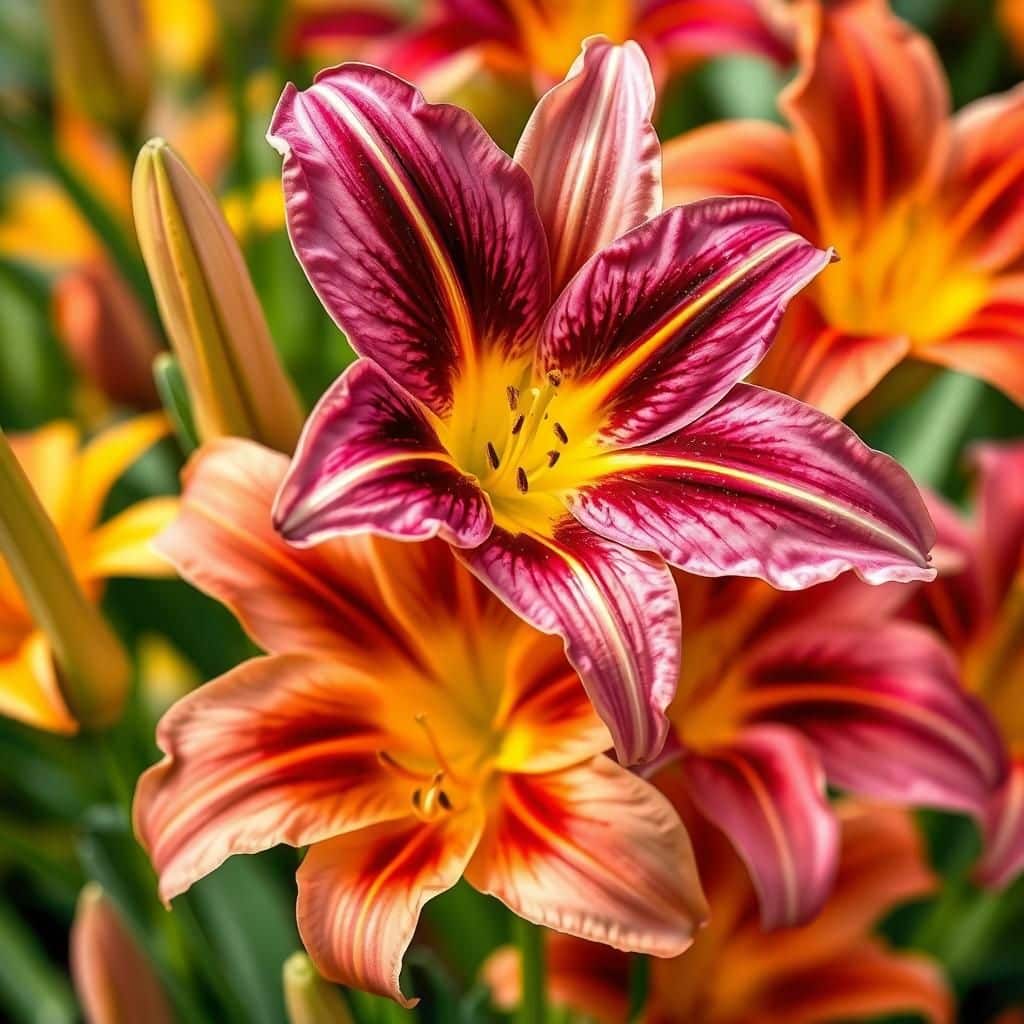
Daylilies are a beloved addition to many gardens, renowned for their vibrant blooms and low maintenance requirements. However, neglecting to divide these perennials can lead to a range of problems that could affect the health and aesthetics of your garden. In this article, we will explore the potential risks associated with failing to divide daylilies, including overcrowding, declining vigor, and reduced flowering. Additionally, we will provide practical solutions and tips on how to effectively manage your daylilies to ensure they continue to thrive and enhance the beauty of your outdoor space.
Consequences of Not Dividing Daylilies
Not dividing daylilies can lead to a myriad of issues affecting their overall health and performance in the garden. Over time, the clumps of daylilies can become significantly crowded, resulting in reduced flowering and growth. When daylilies are not divided, their roots begin to compete more fiercely for nutrients, water, and space, eventually causing a decline in vigor. This crowded environment can also make the plants more susceptible to diseases and pests, as proper air circulation is hindered. Ultimately, failing to periodically divide and replant these resilient perennials may lead to lackluster blooms and a less inviting garden landscape.
Reduced Flowering
When daylilies are not divided, they often experience reduced flowering due to the overcrowding of the clumps. As the plants grow, they can choke each other out, limiting the energy available for blooming. Instead of producing a multitude of vibrant flowers, the plants may only yield a few, or even none at all, diminishing the garden's visual appeal.
Stunted Growth
Stunted growth is another significant consequence of not dividing daylilies. As the plants compete for space and resources, their overall development can be hindered. This competition can prevent healthy foliage and root development, making the daylilies more vulnerable to environmental stressors and reducing their resilience in the garden ecosystem.
Increased Pest and Disease Issues
A lack of division also leads to increased pest and disease issues. Crowded conditions create a humid microenvironment that encourages the proliferation of harmful organisms. This environment can become a breeding ground for insects like aphids and diseases such as root rot, making it crucial to divide daylilies to ensure their vitality.
See also:
Poor Nutrient Uptake
When daylilies are not divided, poor nutrient uptake becomes a problem as the root systems compete for limited nutrients in the soil. Over time, this can lead to deficiencies that affect growth and flowering, resulting in plants that appear unhealthy and may not thrive like well-maintained specimens.
Unattractive Appearance
Finally, the unattractive appearance of overcrowded daylilies can be a significant drawback for gardeners. As the plants become tangled and less vibrant, they can detract from the beauty of the landscape. To maintain a visually appealing garden, dividing daylilies is essential to rejuvenate the plants and ensure they remain lush and thriving.
| Consequences | Description |
|---|---|
| Reduced Flowering | Overcrowding leads to fewer blooms and diminished visual appeal. |
| Stunted Growth | Competition for resources hampers healthy plant development. |
| Increased Pest and Disease Issues | Crowded conditions create a favorable environment for pests and diseases. |
| Poor Nutrient Uptake | Competing roots struggle to absorb essential nutrients from the soil. |
| Unattractive Appearance | Overgrown clumps lead to an untidy and unappealing garden aesthetic. |
Understanding the Consequences of Neglecting Daylily Division
Failing to divide daylilies can lead to several issues that hinder their growth and overall health. As these plants grow, they can become crowded, leading to decreased flowering, stunted growth, and increased susceptibility to pests and diseases. Without periodic division, the root system can become entangled, competing for nutrients and water, which ultimately reduces the vigor of the plants. Hence, understanding how and when to divide daylilies is crucial for maintaining a vibrant and thriving garden.
Signs Your Daylilies Need Dividing
Recognizing the signs that your daylilies need dividing is essential for their maintenance. Look for indicators such as declining blooms, overcrowding, or a reduction in growth vigor. If the plants are producing smaller flowers or have visible gaps in between them, these are clear signs that they have become too compacted and should be divided to promote healthier growth and improved flower production.
The Best Time to Divide Daylilies
Timing is crucial when it comes to dividing daylilies. The ideal time to perform this task is typically in the spring or fall, just as the plants are emerging or after they have finished blooming. This allows them to establish roots in cooler temperatures, helping them recover more quickly. Dividing during these seasons minimizes stress on the plants and promotes a more successful rebloom in the following season.
See also:
How to Properly Divide Daylilies
To successfully divide daylilies, first make sure to water the plants thoroughly a day before. Using a garden fork or spade, gently lift the clump from the soil and shake off excess dirt. Carefully separate the rhizomes, ensuring that each division has enough roots and eyes for robust growth. Replant them immediately at the same depth they were previously growing, and give them adequate water to facilitate their recovery and new establishment.
Potential Risks of Not Dividing Daylilies
Not dividing daylilies can pose several risks, including increased susceptibility to diseases and pests. Overcrowded plants are more prone to fungal infections and root rot due to poor air circulation and drainage. Additionally, they may compete for essential resources, leading to undernourished plants that struggle to survive in the garden. Ultimately, neglecting to divide can lead to the loss of beautiful colors and health in your garden.
Solutions to Revitalize Overgrown Daylilies
If you haven't divided your daylilies and notice signs of decline, the best solution is to act promptly by dividing them as soon as feasible. This action helps to refresh their growth cycle and encourages reblooming. Ensuring they receive the proper amount of sunlight, moisture, and nutrients post-division is also important to help them recover quickly and effectively. Adding organic matter to the soil can further enhance nutrient availability and promote healthier plant growth.
Questions from Our Readers
What happens if you don't divide daylilies?
If you don't divide daylilies, they can become overcrowded, leading to reduced flowering and poor overall health. The plants will compete for nutrients and water, which ultimately affects their growth and vigor.
How often should daylilies be divided?
Daylilies should typically be divided every 3 to 5 years to maintain their health and promote abundant blooms. This regular division helps ensure that each plant has enough space to thrive.
See also:
What signs indicate that daylilies need to be divided?
Signs that daylilies need to be divided include a noticeable decline in flower production, crowded growth, and yellowing leaves. If the plants seem less vigorous than before, it's likely time for division.
Can daylilies survive without division?
Yes, daylilies can survive without division for some time; however, their overall health and appearance will suffer as they become crowded and less productive. It's essential to divide them periodically to maintain their quality.

If you want to read more articles like What Happens If You Don't Divide Daylilies? Discover the Risks and Solutions for Your Garden, we recommend you check out our Daylily category.
Leave a Reply
Related Articles